
Choosing the safest battery-powered lanterns for your children during an HDB power outage requires balancing physical durability, electrical safety, and user-friendly design. In the compact layout of a Singapore HDB flat, a sudden blackout can be disorienting for young ones. Standard emergency lights are often designed for industrial use, featuring high-intensity glare and heavy metal bodies that are unsuitable for children. By prioritizing child-safe physical designs, secure battery compartments, and soft, diffused illumination, parents can ensure their children remain calm, safe, and independent when the power goes out.
Essential Safety Features for Children's Emergency Lanterns
When selecting emergency lighting for children, physical and material safety must be your primary consideration. HDB flats typically feature hard flooring, such as ceramic, homogenous, or vinyl tiles, which can easily shatter fragile objects. Standard glass globes or brittle polystyrene plastics can break into sharp shards upon impact, posing a severe laceration risk. Instead, look for lanterns constructed from impact-resistant ABS plastic or flexible, food-grade silicone. These materials absorb shock effectively, ensuring the lantern remains intact even if dropped from a bunk bed or a high tabletop.
Secure battery compartments are another critical safety requirement. Children are naturally curious, and loose batteries—especially small button cells or lithium-ion cylinders—pose severe chemical burn and choking hazards if swallowed. A child-safe lantern must feature a battery compartment secured by a screw or a complex dual-action latch mechanism that requires an adult tool, such as a screwdriver, to open. Flimsy slide-off covers that can pop open during a fall should be avoided entirely.
Products mentioned in this guide

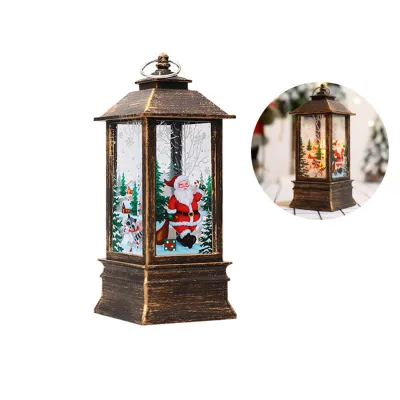
Prices are valid at publication and may change. Please refer to the product page for the latest price.
Thermal safety is equally important during extended use in Singapore’s warm, humid climate. While modern LEDs are highly efficient, they still generate internal heat that must be dissipated safely. Verify that the lantern features proper thermal dissipation pathways and a well-insulated outer housing. The surface of the lantern must remain cool to the touch even after hours of continuous operation, preventing accidental contact burns when a child carries or hugs the light.
Finally, examine the lantern’s exterior for potential choking hazards. For younger children, choose integrated designs where the handle, diffuser, and base are molded as single pieces or securely fused. Avoid novelty lanterns with small, detachable plastic figures, loose decorative charms, or poorly secured battery doors. Before purchasing, check the manufacturer’s age recommendations and verify that the product has passed recognized electrical safety certifications to ensure peace of mind.
Evaluating Performance and Usability in Compact HDB Spaces
Because HDB bedrooms and living areas are relatively compact, light reflects off walls and ceilings quickly. High-intensity, cool-white light exceeding 5000K can create harsh glare, casting deep shadows and causing eye strain or anxiety in children. Opt instead for warm-white (2700K to 3000K) or neutral-white (4000K) light. A lower, diffused brightness level is more than sufficient to illuminate a standard HDB room without blinding the occupants or causing visual discomfort.

When evaluating battery life, look closely at manufacturer claims versus actual usage conditions. Runtimes are often advertised based on the lowest brightness setting under ideal laboratory temperatures. In real-world emergency scenarios, a lantern that promises 100 hours of light might only provide a few hours at its maximum, usable brightness. Balance the trade-offs between rechargeable lithium-ion batteries and disposable alkaline dry cells. Rechargeable units are highly convenient for short, frequent outages, while disposable batteries are excellent for long-term storage in emergency kits.
Versatility in placement is crucial when space is limited. Look for lanterns equipped with wide, ergonomic handles that fit comfortably in a child’s grip. Built-in hanging hooks or carabiner clips allow the light to be suspended safely from a bunk bed frame, a curtain rod, or a wall hook. Magnetic bases are exceptionally useful in HDB flats, as they can securely adhere to metal door frames, refrigerator doors, or steel shelving units, keeping the light source stable and out of the way.
During a sudden blackout, finding and operating a complex switch in the dark can be frustrating for a child. Choose lanterns with large, tactile buttons, simple push-button toggles, or intuitive twist mechanisms. Avoid complicated multi-click interfaces that require cycling through strobe, SOS, and color-changing modes just to turn the light off, as these can confuse younger children during a stressful situation.
Matching Lantern Designs to HDB Emergency Scenarios
Not all emergency lights serve the same purpose. Matching the physical design and light output of a lantern to the specific room, activity, or emotional state of your child ensures both safety and comfort during a power outage.
Bedside and Ambient Room Lighting
When a power outage occurs at night, a child’s immediate reaction is often fear of the dark. For bedside tables or desks, select lanterns with a low center of gravity and a wide, stable base to prevent tipping on narrow HDB nightstands. These lights should feature dimmable settings or a dedicated low-power nightlight mode with a warm color temperature to create a soothing, sleep-friendly environment. Additionally, look for models with built-in timers or auto-shutoff functions, such as 15-minute or 30-minute settings. This conserves battery power if the child falls asleep, ensuring the lantern remains functional if they wake up later in the night.
Hallway and Bathroom Navigation
Navigating dark corridors or moving to the bathroom during a blackout requires a highly portable, lightweight light source. Choose a lantern with an easy-grip handle sized appropriately for smaller hands, allowing children to carry it safely without dropping it. High-visibility accents, reflective strips, or glow-in-the-dark elements on the lantern’s body make it easy to locate when the lights suddenly go out. Because bathrooms feature wet surfaces and sinks, verify the manufacturer’s water-resistance rating, such as IPX4 or higher, to ensure the lantern can withstand accidental splashes. Remember that portable lights are not designed for submersion, and charging must only occur in completely dry environments with proper power-isolation.
Interactive and Comforting Designs
For younger children, an emergency can be a source of significant anxiety. Lanterns that double as comfort objects can help ease this stress. Soft, squeezable silicone bodies are pleasant to hold and safe to snuggle with in bed. Some child-friendly designs feature gentle star projectors that cast soothing, familiar patterns on the ceiling, turning a scary blackout into a camping-like adventure. However, parents must understand the limitations of these novelty designs. They often have a limited illumination range and can drain batteries much faster than standard utility lanterns, so they should always be paired with a primary, high-efficiency emergency light.
Common Hazards and Designs to Avoid
When shopping on online marketplaces or local retail stores, parents will encounter hundreds of generic emergency lights. Many of these products do not meet basic safety standards for children. Avoid lanterns with exposed battery contacts, flimsy slide-open battery covers, or those that rely on unsecured coin cell batteries. If dropped, these covers can easily break, exposing live electrical contacts or releasing small batteries that pose severe chemical and choking hazards.
Steer clear of lanterns featuring fragile glass globes, thin metal cages, or brittle hard plastics. These materials can easily shatter into sharp, hazardous pieces upon impact with hard HDB floors. Furthermore, avoid overly bright, cool-white LEDs that lack proper diffusers or frosted covers. Direct exposure to raw LED chips can cause intense glare, eye strain, and temporary flash blindness, which can disorient a child in the dark.
Finally, strictly avoid candle-imitation lanterns that feature exposed heating elements, open flame effects, or poor thermal regulation. While they may look cozy, any device that generates high heat or uses real combustion is an extreme fire hazard in a residential home, especially when handled by children in confined spaces. Always prioritize enclosed, low-voltage LED designs that keep heat generation to an absolute minimum.
Maintenance and Storage Routines for Blackout Readiness
An emergency light is only useful if it works when the power goes out. Establish a regular maintenance routine to ensure your family’s lanterns are always ready. Create a calendar reminder to check and charge rechargeable lanterns every three to six months, or replace disposable batteries annually. Leaving alkaline batteries inside a stored lantern for years can lead to acid leakage, which corrodes the terminals and ruins the device.
Store the lanterns in easily accessible, designated spots that your children are familiar with, such as a specific low shelf in the living room or a bedside drawer. Avoid keeping them on high shelves, inside locked cabinets, or buried deep in storage closets where they cannot be reached quickly in the dark.
When cleaning the lanterns, follow the manufacturer’s instructions carefully. Use a slightly damp, lint-free cloth to wipe down the exterior, maintaining the clarity of the diffuser and the hygiene of the handle. Never submerge a non-waterproof lantern in water, and ensure the device is completely dry before turning it back on.
Regularly inspect the units for stop-use conditions. If you notice a swollen battery compartment, persistent flickering, damaged charging ports, or a strange chemical odor, stop using the lantern immediately. Consult the manufacturer or safely dispose of the unit at a designated e-waste recycling point in Singapore. For rechargeable models, always verify that any accompanying USB wall chargers or adapters carry the appropriate safety certifications before plugging them into your home outlets.
Frequently Asked Questions (FAQ)
How many lumens are safe for a child's emergency lantern?
For children’s emergency lanterns, a brightness level between 20 and 100 lumens is generally safe and highly effective. Rather than focusing on a single high number, prioritize models with adjustable lumen settings or multiple brightness modes. Ensure the lantern features a high-quality diffuser or frosted cover to scatter the light evenly, which reduces perceived brightness and prevents harsh glare. Always check the manufacturer’s age recommendations on the packaging, and teach children to avoid looking directly at exposed LED chips to prevent eye strain.
Are rechargeable lanterns better than battery-operated ones for kids?
Both options have distinct advantages depending on your emergency plan. USB rechargeable lanterns are highly convenient, cost-effective, and environmentally friendly for short-term, frequent use. However, during a prolonged power outage, you cannot easily recharge them once the internal battery drains. Disposable battery-operated lanterns allow you to restore power instantly by swapping in fresh dry cells from your emergency stockpile. For safety, ensure that any charging ports on rechargeable models are covered with protective silicone flaps, and keep charging cables out of reach of very young children to prevent entanglement hazards.

Community discussion
Share your experience or ask a question. Comments are reviewed before publication.