
Choosing the right smart LED light strips for home decorative lights in Singapore involves balancing smart home integration, light quality, physical durability, and electrical safety. Because there are many options on the market, selecting a reliable setup requires a clear understanding of technical specifications and how they match your specific living spaces. By focusing on key performance metrics and safety standards, you can create a beautiful, long-lasting lighting design that seamlessly integrates with your daily routines.
Assessing Smart Ecosystem and Light Quality Specs
Smart home ecosystem compatibility is the foundation of modern decorative lighting. Smart light strips typically communicate via Wi-Fi, Zigbee, or the newer Matter standard. Wi-Fi strips connect directly to your home router, which is convenient for single-strip setups but can congest your local network if you install multiple units. Zigbee strips require a dedicated hub, which offloads traffic from your router and offers faster, more reliable local control. Matter is a unifying standard that ensures cross-platform compatibility across major smart home ecosystems, making future-proofing your home automation much easier.
When selecting a smart light strip, check the specific ecosystem compatibility labels on the packaging. Look for certifications like “Works with Apple Home,” “Works with Google Home,” or “Compatible with Alexa” to ensure the strip integrates seamlessly with your existing smart speakers and automation routines. If you plan to expand your smart lighting system later, choosing a brand that supports a unified protocol like Matter or Zigbee can save you from managing multiple proprietary hubs.
Products mentioned in this guide
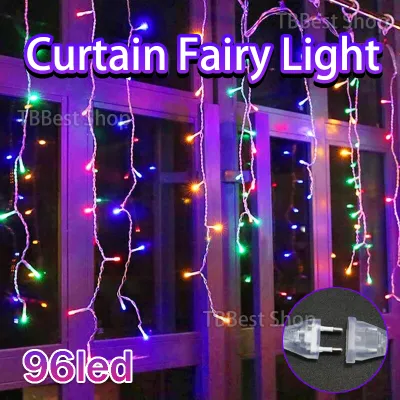
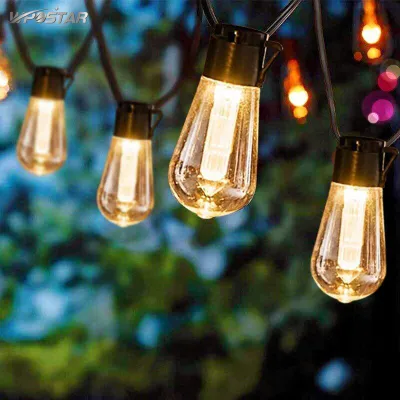
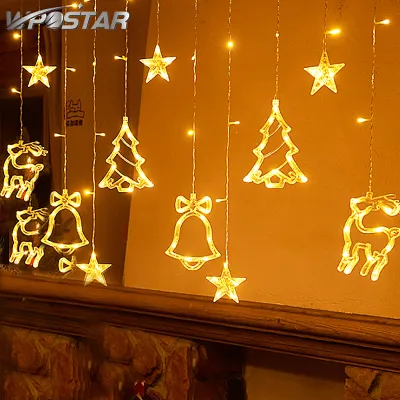
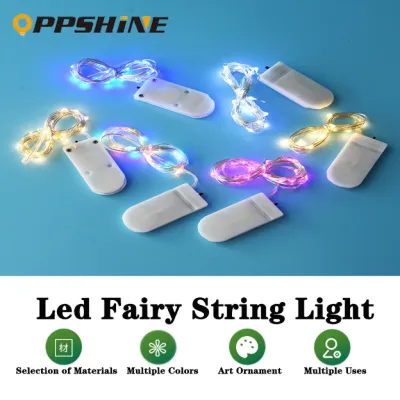
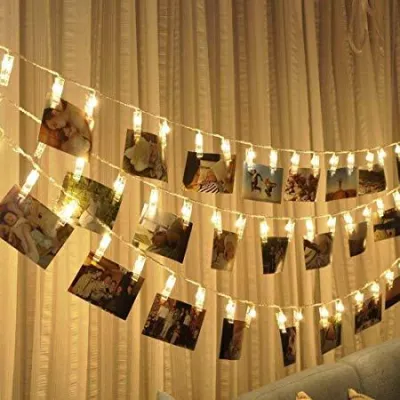
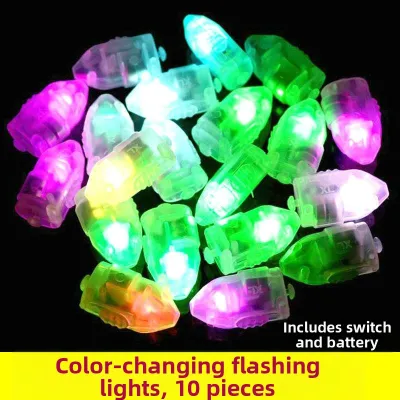
Prices are valid at publication and may change. Please refer to the product page for the latest price.
Light quality is critical for achieving a premium decorative effect. The Color Rendering Index (CRI) measures how accurately a light source reveals the true colors of objects compared to natural light. For residential spaces, aim for a CRI of 90 or higher, especially in areas like dining rooms, kitchens, or living rooms where color accuracy directly impacts the ambiance and the appearance of food, furniture, and decor.
LED density, measured in LEDs per meter, determines the smoothness of the light output. Low-density strips can produce a “dot” or “hotspot” effect, where individual points of light are visible through the diffuser or reflected on glossy surfaces. High-density strips distribute light much more evenly, creating a continuous, seamless glow that is highly desirable for modern cove lighting and under-cabinet installations.
Color temperature flexibility is another key specification. Look for strips that offer adjustable white light (CCT), typically ranging from a warm 2,700K to a cool 6,500K, alongside full RGB color capabilities. Warm white light is ideal for creating a cozy, relaxing atmosphere in bedrooms and living areas in the evening, while cool white light supports focus and task performance during the day.
Advanced control features enhance the utility of decorative lights. Dimming capabilities should be smooth and flicker-free, allowing you to adjust brightness levels from 1% to 100% without noticeable stepping. Many smart platforms also offer dynamic scene presets, scheduling, and music synchronization features, which use software integration to sync light transitions with audio, perfect for entertainment zones.
Selecting Strips for Different Home Environments
Different areas of a Singapore home present distinct environmental challenges that dictate the physical specifications of your light strips. In dry, high-visibility indoor areas like living rooms and bedrooms, the primary goal is achieving a clean, premium aesthetic. Using high-density strips paired with dedicated aluminum channels and frosted diffusers is highly recommended to eliminate harsh glare and visible LED dots.

For damp or humid zones, such as bathrooms, kitchen under-cabinets, or semi-outdoor balconies, standard light strips are highly susceptible to moisture damage. You must verify the Ingress Protection (IP) rating of the product before purchase. An IP20 rating is strictly for dry indoor use, whereas an IP44 or IP65 rating indicates sufficient protection against water splashes and humidity, ensuring the internal circuitry remains dry and functional.
Kitchen under-cabinet lighting requires careful consideration of both moisture and grease. Steam from cooking and splashes from the sink can quickly degrade unprotected LED components. Selecting a strip with a protective silicone coating makes the surface easy to wipe clean and protects the LEDs from grease buildup, maintaining light output and color accuracy over time.
Concealed spaces like ceiling coves, valances, and tight shelving units require flexible, low-profile designs that can navigate sharp corners and narrow channels. When installing light strips in enclosed or tight spaces, heat dissipation becomes a critical factor. Although LEDs generate less heat than traditional bulbs, prolonged heat buildup in confined spaces can degrade the adhesive backing and shorten the lifespan of the LEDs.
To mitigate heat issues in confined installations, mount the light strips onto aluminum profiles or tracks. These profiles act as heat sinks, drawing warmth away from the LED chips and dispersing it into the surrounding air. This simple addition not only extends the operational life of your decorative lights but also provides a flat, clean surface for the adhesive backing to bond with securely.
Navigating Electrical Safety and Installation Limits
Electrical safety is paramount when integrating smart light strips into your home decor. In Singapore, electrical appliances must comply with local safety regulations. When purchasing smart LED light strips, verify that the power adapter carries the appropriate local safety certification mark, which ensures the device has been tested and approved for safe domestic use under local voltage conditions.
Avoid purchasing unbranded or uncertified power adapters from unregulated online marketplaces, as these components pose significant risks of short circuits, overheating, and electrical fires. A certified power supply is designed to handle voltage fluctuations safely and isolate the low-voltage LED strip from the mains power supply, protecting both your home and your smart devices.
Calculating the total wattage of your installation is a crucial step in preventing system failures. Every LED light strip has a specified power consumption per meter. If you plan to run a continuous length of 5 meters, the total power draw will be the wattage per meter multiplied by five. To ensure system stability and longevity, your power supply should have a maximum output that exceeds this total by at least 20%—a practice known as the 80% rule.
Overloading a power adapter by connecting more light strips than its rated capacity can lead to severe voltage drop, resulting in dimming or color shifting at the far end of the strip. More critically, it causes the power adapter to run excessively hot, which can lead to premature component failure or melt the plastic housing. Always consult the manufacturer’s technical specifications to match the power supply to your total strip length.
Understanding the boundaries of do-it-yourself (DIY) installation is essential for a safe home setup. Standard plug-and-play smart LED light strips that connect directly to an existing wall outlet are perfectly safe for DIY installation. You can easily cut these strips at designated cut marks, apply the adhesive backing, and plug them in without any specialized electrical knowledge.
However, if your decorative lighting plan involves fixed wiring, hardwiring the power supply directly into your home’s electrical mains, or running cables behind walls, you must stop and consult a qualified, licensed electrician. Similarly, installations that require working at heights—such as high-ceiling cove lighting—or making structural modifications to false ceilings should always be handled by trained professionals to ensure compliance with local building and safety codes.
Evaluating Brand Reliability and After-Sales Support
Evaluating brand reliability goes beyond comparing upfront costs; it requires looking at the long-term support and material quality offered by the manufacturer. Reliable brands provide detailed specifications regarding the expected lifespan of their LEDs and use high-quality adhesive backings to ensure the strip remains securely mounted over years of use.
Warranty terms are a strong indicator of a manufacturer’s confidence in their product. Look for brands that offer at least a one-year or two-year warranty on both the light strip and the power adapter. A comprehensive warranty protects your investment against manufacturing defects, premature LED failure, or smart controller malfunctions that may occur during normal household operation.
Having access to local customer support and authorized service centers in Singapore is a major advantage when troubleshooting issues or claiming a warranty. Brands with an established local presence can provide rapid assistance, direct replacements, and compatible spare parts without the long wait times and high shipping costs associated with overseas returns. Before purchasing, check the brand’s official website to confirm their local distributor or service contact details.
Proper maintenance and adherence to operational limits are essential for preserving your smart light strips. Always consult the user manual for specific cleaning instructions; typically, you should only wipe the strips with a dry, soft microfiber cloth when the power is completely disconnected. Avoid using liquid cleaners, chemical solvents, or abrasive materials, as these can damage the protective silicone coating or corrode the exposed copper solder pads.
Additionally, pay close attention to the operating temperature limits specified by the manufacturer. Avoid installing light strips directly above heat-generating appliances like ovens or stoves, as excessive heat will rapidly degrade the adhesive backing and cause the LEDs to lose brightness prematurely. Following these simple care guidelines ensures your decorative lights remain vibrant and securely attached for their entire intended lifespan.
Frequently Asked Questions (FAQ)
Can I connect multiple smart LED light strips to a single power supply?
Yes, you can connect multiple smart LED light strips to a single power supply, but you must strictly adhere to the manufacturer’s maximum run limits and wattage calculations. To do this safely, add up the total wattage of all the strips you plan to connect and ensure this sum does not exceed 80% of your power supply’s maximum rated output.
Exceeding the recommended maximum length for a single continuous run introduces the risk of voltage drop. This physical phenomenon causes the electrical current to weaken as it travels further down the strip, resulting in noticeably dimmer light or incorrect color reproduction at the far end. If your project requires a longer run, you will need to use separate power injection points or additional power supplies as detailed in the product manual.
Do smart LED light strips work without an active internet connection?
Most smart LED light strips can perform basic functions without an active internet connection, though their advanced smart features will be limited. If the internet goes down, you can typically still turn the lights on or off, adjust brightness, and cycle through basic colors using a physical controller attached to the strip, a local remote control, or a local smart home hub.
However, cloud-dependent features such as remote control when you are away from home, voice assistant integration, complex automation schedules, and third-party integrations will not function without an active internet connection. Additionally, performing firmware updates or setting up new scenes and schedules for the first time will require a temporary or stable internet connection to sync with the manufacturer’s servers.

Community discussion
Share your experience or ask a question. Comments are reviewed before publication.