
Finding the right solar street lights with motion sensors in Singapore requires balancing tropical weather patterns, property constraints, and technical specifications. The most reliable options for local homes are those equipped with high-efficiency monocrystalline solar panels, robust lithium iron phosphate (LiFePO4) batteries, and a minimum weatherproof rating of IP65. Because Singapore experiences intense monsoon seasons and frequent afternoon cloud cover, a successful purchase depends on verifying actual battery storage capacity and sensor efficiency rather than relying on exaggerated brightness claims.
Outdoor solar lighting offers an eco-friendly, cost-effective way to secure driveways, illuminate garden paths, and deter intruders without adding to your monthly electricity bill. By operating independently of the main electrical grid, these fixtures eliminate the need for complex trenching, wiring, and professional electrical installation, making them highly versatile for various residential properties. However, because solar technology relies entirely on harvesting sunlight, selecting a fixture that can consistently perform under Singapore’s unique climatic conditions is essential for long-term reliability.
To make an informed decision, homeowners must evaluate their specific installation environment, understand the technical differences between motion sensor types, and navigate local housing regulations. This guide provides a comprehensive framework to help you assess your property, interpret product specifications, and build a conditional shortlist of solar street lights that will deliver consistent performance year-round.
Products mentioned in this guide
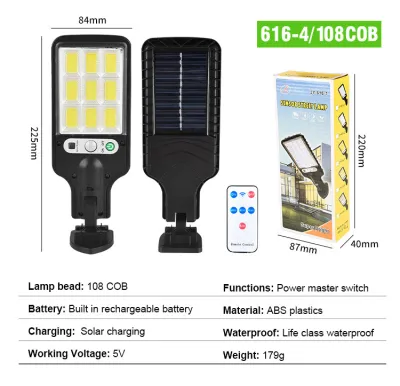
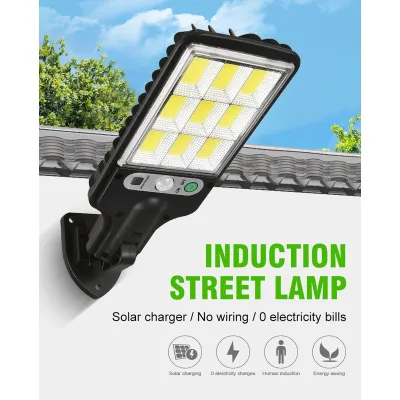
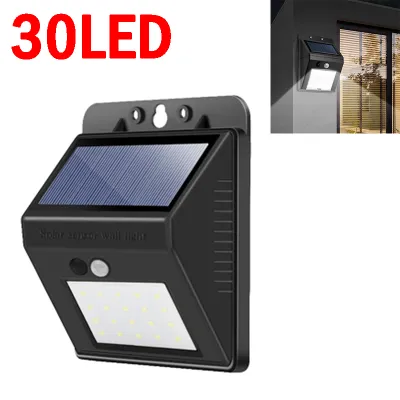
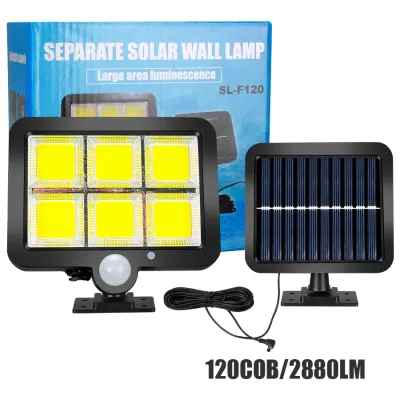
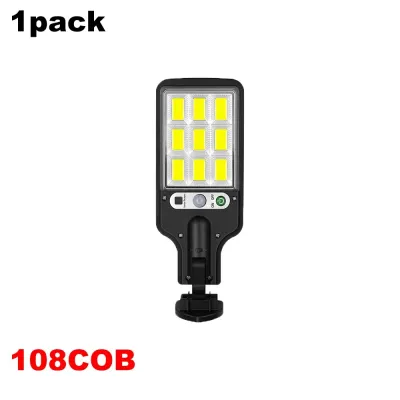
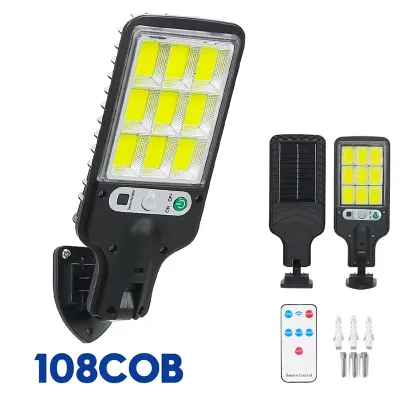
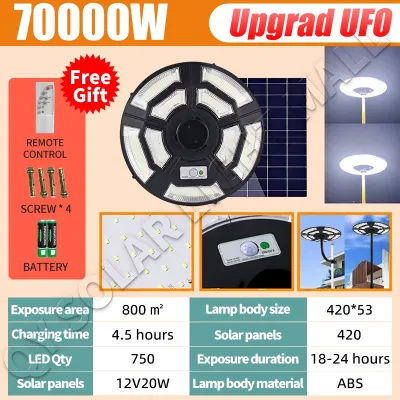
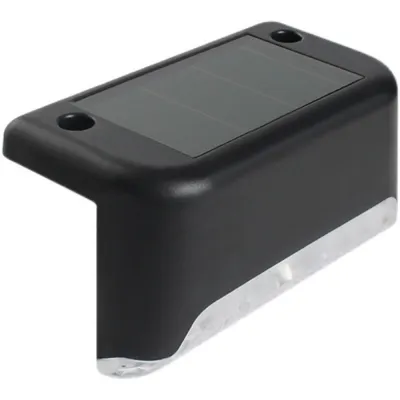
Prices are valid at publication and may change. Please refer to the product page for the latest price.
Assessing Your Installation Environment and Sunlight Exposure
Before purchasing any solar street light, you must evaluate the physical layout of your outdoor space and the amount of direct sunlight it receives daily. Singapore’s urban landscape features a diverse mix of housing types, from high-rise public housing to landed estates, each presenting distinct challenges for solar charging.
Landed properties, such as terrace houses, semi-detached homes, and bungalows, generally offer the most favorable conditions for solar lighting. Driveways, front gates, and perimeter walls often have unobstructed access to the sky, allowing integrated solar panels to charge efficiently throughout the day. However, even in landed estates, mature garden trees, roof eaves, and neighboring multi-story houses can cast significant shadows that block sunlight during key hours of the day.
In contrast, private condominiums and high-density public housing estates present severe limitations for solar charging. Balconies, patios, and common corridors are frequently shaded by upper floors or adjacent building blocks, creating a highly restricted solar window. If you attempt to install a standard all-in-one solar street light in a shaded corridor, the panel will fail to receive the direct sunlight required to charge the battery, resulting in weak illumination or complete failure at night. For these environments, a split-panel solar light—where the solar panel is mounted on an external, sunlit ledge while the light fixture remains under cover—is often the only viable alternative.
Physical obstructions like tree canopies, architectural overhangs, and neighboring structures must be carefully mapped before installation. Even partial shading on a small portion of a solar panel can drastically reduce its energy output, as shaded cells increase resistance and disrupt the flow of electricity across the entire panel. To maximize solar absorption near the equator, solar panels in Singapore should ideally be installed with a slight tilt of 10 to 15 degrees. This angle not only optimizes sun exposure as the solar path shifts slightly north and south throughout the year but also ensures that heavy tropical rains can naturally wash away accumulated dust, leaves, and bird droppings.
Mounting height and angle also play a critical role in determining both the solar charging efficiency and the effectiveness of the motion sensor. If a light is mounted too high, the motion sensor may fail to detect movement on the ground, and the light spread will become too diffused to provide effective security. Conversely, mounting a fixture too low restricts the illumination footprint and makes the unit vulnerable to physical tampering or accidental damage. For residential driveways and pathways, a mounting height of 2.5 to 4 meters generally provides the optimal balance between sensor detection range, light coverage, and physical security.
Key Specifications and Motion Sensor Types to Look For
Navigating the technical specifications of solar street lights is crucial to ensuring you purchase a product that matches your performance expectations. Manufacturers often use complex terminology and, in some cases, exaggerated figures on product packaging, making it essential to know how to verify these claims.

Lumen output is the primary measure of a light’s brightness, replacing the traditional wattage metric used for incandescent bulbs. For residential security and driveway illumination, a solar street light delivering 1,000 to 2,000 lumens is typically sufficient to brightly light up a broad area. For smaller garden pathways or side gates, a lower output of 300 to 600 lumens is often adequate. Additionally, pay attention to the beam angle of the fixture; a wide beam angle of 120 degrees or more is ideal for broad area coverage, while a narrower beam angle concentrates light on a specific path or entrance.
Battery capacity and chemistry are the most critical factors governing how long a solar light can operate, especially during consecutive overcast days. Look for fixtures utilizing Lithium Iron Phosphate (LiFePO4) batteries rather than standard Lithium-Ion (Li-ion) or Lead-Acid batteries. LiFePO4 batteries offer superior thermal stability, which is vital in Singapore’s hot tropical climate where temperatures inside a sealed outdoor light housing can rise significantly under direct sunlight. Furthermore, LiFePO4 batteries boast a much longer operational lifespan, often enduring over 2,000 charge-discharge cycles before performance begins to degrade.
To verify manufacturer claims regarding runtime, compare the stated battery capacity (measured in milliampere-hours, mAh, or watt-hours, Wh) against the power consumption of the light. Because motion sensor lights operate on a dimmed standby mode and only switch to full brightness when motion is detected, they conserve a substantial amount of energy. A reliable solar street light should feature a battery capacity large enough to sustain the light in standby mode for at least two to three consecutive nights without receiving a charge, a specification often referred to as autonomy days.
Understanding the difference between Passive Infrared (PIR) and microwave motion sensors is essential for selecting the right technology for your home. PIR sensors detect changes in infrared radiation, which is emitted as heat by humans, animals, and moving vehicles. They are highly reliable for residential areas because they are rarely triggered by non-thermal movement, such as wind-blown leaves or heavy rain. However, their detection range is typically limited to 5 to 8 meters, and their sensitivity can decrease slightly on exceptionally hot afternoons when the ambient air temperature approaches human body temperature.
Microwave sensors, on the other hand, emit high-frequency electromagnetic waves and analyze the reflected signals to detect movement. They offer a much wider detection range (up to 15 meters) and can detect motion through thin barriers like glass, plastic, and light foliage. While highly sensitive, microwave sensors are prone to frequent false triggers in outdoor environments. In Singapore, a heavy tropical downpour or swaying tree branches during a squall can keep a microwave sensor constantly triggered, rapidly draining the battery and leaving the light inactive when genuine security monitoring is needed.
Finally, always verify the Ingress Protection (IP) rating on the product packaging to ensure the fixture can withstand Singapore’s intense weather. An IP rating consists of two digits: the first represents protection against solid objects (like dust), and the second represents protection against liquids. For outdoor solar street lights exposed to direct rain, an IP65 rating is the absolute minimum requirement, indicating protection against water jets from any direction. For highly exposed, pole-mounted installations that face the full force of monsoon storms, opting for an IP66 or IP67 rating provides superior long-term durability against water ingress and internal corrosion.
Installation Safety and Local Compliance Checks
Installing outdoor lighting fixtures requires careful attention to structural safety and strict adherence to local housing regulations. Failing to perform these checks can result in property damage, safety hazards, or legal disputes with housing authorities and neighbors.
Before mounting a solar street light, perform a thorough structural assessment of the intended mounting surface. Integrated solar street lights can be heavy due to the combined weight of the solar panel, metal housing, and internal battery. Ensure that walls, wooden fences, or dedicated mounting poles are structurally sound and capable of supporting the fixture’s weight under strong wind loads. When mounting on concrete or brick walls, always use heavy-duty masonry expansion bolts rather than standard plastic wall plugs, which can degrade and loosen over time when exposed to outdoor moisture and heat.
In Singapore, regulatory compliance varies significantly depending on your housing type. For residents living in Housing & Development Board (HDB) flats, the common corridors, external walls, and stairwells are classified as common property managed by the local Town Council. Drilling into external corridor walls or mounting personal fixtures in these areas is generally prohibited without formal approval. Unauthorized installations can violate fire safety regulations set by the Singapore Civil Defence Force (SCDF), which require common corridors to maintain a minimum clear escape path of 1.2 meters. Always consult your Town Council before attempting to install any lighting in shared public spaces.
For private condominium residents, external building facades and balconies are governed by the Management Corporation Strata Title (MCST) by-laws. Installing fixtures that alter the external appearance of the building typically requires written management approval. For landed property owners, while you have greater autonomy, you must ensure that your solar street lights do not cause light pollution or glare that spills directly into neighboring properties. Adjusting the angle of the light head downward and positioning the motion sensor carefully can prevent neighbor disputes while maintaining effective security illumination.
There are specific scenarios where you must stop and consult a qualified professional rather than attempting a do-it-yourself installation. If the mounting location requires working at significant heights—such as installing a light on the second or third story of a landed home—proper safety equipment and scaffolding are required, and hiring a professional installer is highly recommended. Additionally, if you plan to integrate a solar street light with an existing wired outdoor lighting system (such as a hybrid system that switches to mains power when the battery is low), you must engage a Licensed Electrical Worker (LEW) to ensure compliance with Singapore’s electrical safety standards.
Building Your Conditional Shortlist
To find the solar street lights that are truly worth buying, you should establish a clear decision-making framework based on your specific lighting goals, property type, and budget. Rather than searching for a universal best model, focus on matching verified product specifications to your primary use case.
Begin by creating a scenario-based checklist to narrow down your options. If your primary goal is security monitoring for a landed driveway, prioritize a high-lumen fixture (1,500+ lumens) with a reliable PIR sensor, a monocrystalline solar panel, and a durable aluminum housing. If you require pathway illumination for a garden walk, look for a lower-output fixture (500 to 800 lumens) with a warm color temperature (3000K to 4000K) to create a welcoming atmosphere without harsh glare. For balconies or semi-shaded patios, focus on split-panel designs that allow you to position the solar panel in direct sunlight while keeping the light fixture under the ceiling.
When sourcing products from online marketplaces, brand websites, or local hardware stores in Singapore, always verify the seller’s warranty terms and after-sales support. A reputable seller should offer a local warranty of at least 12 months, which provides peace of mind in case the battery or internal circuitry fails prematurely due to water ingress. Be cautious of overseas sellers who do not offer a local return address, as shipping a heavy battery-powered fixture back for replacement can be costly and logistically challenging.
Identify and avoid common red flags in product listings. Be highly skeptical of extremely cheap fixtures claiming astronomical lumen outputs (such as 50,000 lumens for under S$30). Genuine high-output solar street lights require large, expensive solar panels and high-capacity batteries to function; any listing that promises extreme performance at an unrealistically low price is likely using low-quality components that will fail within a few months. Other red flags include missing IP ratings, vague battery specifications (such as failing to state whether the battery is LiFePO4 or standard lithium-ion), and a lack of clear installation instructions.
By focusing on verified specifications, structural safety, and local regulatory compliance, you can confidently select a solar street light that provides reliable, energy-efficient security and illumination for your Singapore home.
Frequently Asked Questions (FAQ)
Do solar street lights work effectively during Singapore's monsoon season?
Yes, solar street lights can work effectively during the monsoon season, provided you select a model with a high-efficiency monocrystalline solar panel and a generous battery reserve. Monocrystalline panels are designed to harvest solar energy even under diffused light and overcast skies, performing significantly better than cheaper polycrystalline alternatives. To ensure uninterrupted operation during prolonged rainy periods, look for a fixture with an autonomy rating of at least three to four days, meaning the battery can sustain the light on motion-sensor mode without receiving a full charge. Utilizing the motion sensor setting rather than a constant-on mode is critical during the monsoons to conserve battery power.
Can I install solar motion sensor lights on HDB common corridors?
Generally, you should not permanently install personal solar motion sensor lights on HDB common corridor walls without obtaining prior approval from your local Town Council. Common corridors are public property, and unauthorized drilling or mounting can violate estate guidelines and SCDF fire safety regulations, which mandate a clear escape path of at least 1.2 meters. If you require additional lighting for safety, contact your Town Council to report the issue. For temporary or non-destructive solutions within your own property boundary (such as inside your doorway), ensure the light is low-profile, does not obstruct the corridor, and is angled so that it does not shine directly into your neighbors’ windows or create a visual nuisance.

Community discussion
Share your experience or ask a question. Comments are reviewed before publication.