
Finding the ideal essential oil diffuser brand for your home in Singapore requires balancing scenting technology, room size, and local climate conditions. While some brands focus on high-intensity scenting without water, others offer multi-functional ultrasonic models that double as gentle humidifiers. To make an informed choice, homeowners must look beyond aesthetic appeal and evaluate technical specifications, material safety, and local warranty support.
Selecting the right brand involves understanding how different diffusion methods interact with your living space. By focusing on build quality, ease of maintenance, and operational costs, you can find a reliable device that delivers a consistent and safe home aroma experience.
Key Features to Compare Across Diffuser Brands
When comparing diffuser brands, the primary differentiator is the diffusion mechanism. Ultrasonic diffusers use water and electronic frequencies to create a fine mist, which preserves the molecular integrity of essential oils because no heat is applied. Nebulizing diffusers, on the other hand, use pressurized air to atomize pure essential oil directly into the air, delivering a highly potent aroma without adding any moisture to the room. Heat-based diffusers are generally less recommended by premium brands, as high temperatures can alter the chemical profile and therapeutic benefits of the oils.
Products mentioned in this guide
![[Ideal Gift]SHIORA Aromatherapy Series Home Scent Reed Diffuser | 50/100ml/200ml | Essential Oil | Room Perfume | Cedarwood Citronella Lavender Lemongrass Sandalwood Peppermint](https://img.lazcdn.com/g/p/ee02a57b19e36376ad6b1d3e90bcfbf6.png_400x400q80.png_.webp)

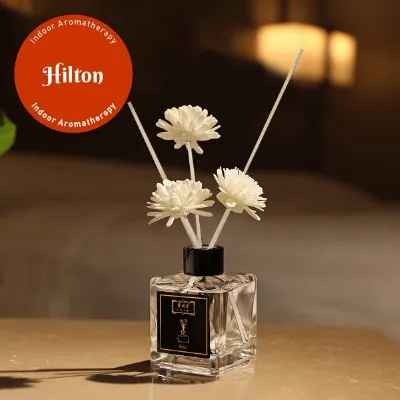
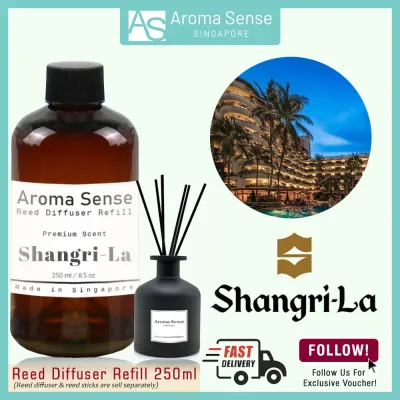
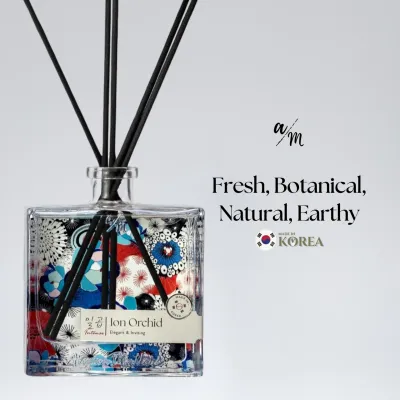
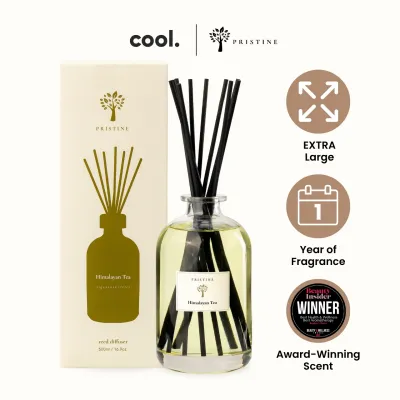

Prices are valid at publication and may change. Please refer to the product page for the latest price.
Water tank capacity directly dictates the continuous runtime of ultrasonic models. Brands typically offer capacities ranging from 100ml for compact spaces to 500ml or more for larger rooms. A larger tank allows the device to run throughout the night, but it is crucial to check if the brand offers adjustable mist output settings. Having the ability to switch between high, low, and intermittent mist modes gives you greater control over scent intensity and prevents the air from becoming overly saturated.
Noise levels can significantly affect your comfort, especially when using a diffuser in a bedroom or study. Ultrasonic brands are generally very quiet, producing only a soft hum and occasional water-dripping sounds. Nebulizing brands tend to be louder due to the mechanical air pump inside, though premium manufacturers design their casings with sound-dampening materials to minimize vibration. Many brands also integrate ambient lighting features, offering warm white LEDs or color-changing options that can function independently of the misting feature.
Smart features and safety mechanisms are essential considerations for modern homes. Look for brands that include programmable timers, allowing you to set the device to run for one, three, or six hours before turning off automatically. An automatic shutoff feature that triggers when the water tank runs dry is a critical safety function that prevents the heating element or ultrasonic plate from burning out.
Evaluating Reliability and Build Quality
Because essential oils are highly concentrated and chemically active, they can easily degrade cheap plastics. Reliable brands construct their water tanks and outer shells from high-quality, BPA-free polypropylene (PP) plastic, glass, ceramic, or natural wood. When researching brands, verify that the internal components in contact with the oil are explicitly rated as corrosion-resistant to ensure the device does not leach harmful chemicals into the mist over time.

Electrical safety is a paramount concern for any appliance operating near water. In Singapore, plug-in electrical appliances must comply with local safety standards. When purchasing a diffuser, check if the power adapter carries the local Safety Mark, which indicates it has been tested and approved for use with the local 230V electrical grid. Brands sold directly through authorized local distributors are much more likely to meet these compliance standards than unbranded models imported directly from overseas.
Warranty terms and the availability of customer support can vary widely between brands. Established brands often provide a one-year local warranty and operate physical service centers or dedicated customer support channels in Singapore. This support makes it much easier to resolve issues or source replacement parts, such as power adapters, replacement glass reservoirs for nebulizers, or spare rubber seals.
Ease of maintenance is another critical factor in long-term reliability. A well-designed diffuser should be easy to disassemble, allowing you to access the water tank or nozzle without hassle. If a device is difficult to clean, organic residue and mineral scaling will quickly accumulate, which can clog the mechanism, reduce mist output, and encourage the growth of mold or bacteria.
Matching Diffuser Performance to Your Home Environment
To get the most out of your home aroma setup, you must match the diffuser’s coverage rating with the size of your room. Manufacturers typically specify an effective coverage area in square meters. A compact diffuser designed for a small study or bedside table will struggle to scent a large, open-concept living and dining area, while an industrial-strength nebulizer might overwhelm a small, enclosed bedroom.
Singapore’s tropical climate and high natural humidity require careful management when using water-based diffusers. Operating a large ultrasonic diffuser in an enclosed, non-air-conditioned room can raise the relative humidity to uncomfortable levels, potentially leading to damp walls, musty odors, and mold growth. In these environments, a waterless nebulizing diffuser or a smaller ultrasonic model run on an intermittent setting is often a more practical choice.
Placement strategies are vital to protect your home decor and ensure even scent dispersion. Diffusers should be placed on a flat, water-resistant surface at least one meter off the ground to allow the mist to disperse fully before hitting the floor. Avoid placing water-based diffusers directly underneath wall-mounted air conditioners, near sensitive electronics, or on polished wood furniture, as settling moisture and oil droplets can cause warping or electrical damage.
Adjusting the mist intensity based on room ventilation is also key to a pleasant experience. In open-plan living spaces with active ceiling fans or open windows, a continuous high mist setting helps carry the scent across the room. In contrast, enclosed, air-conditioned bedrooms benefit from low or intermittent settings to keep the fragrance subtle and prevent the air from feeling heavy.
Assessing Value and Long-Term Cost of Ownership
When budgeting for a home aroma system, it is helpful to categorize brands into distinct price tiers. Entry-level brands, often found on online marketplaces, offer basic functionality at a low initial cost but may use thinner plastics and lack local warranty support. Mid-range brands offer a balance of durable materials, reliable safety features, and local customer service. Premium brands focus on high-end aesthetics, utilizing hand-crafted ceramics, solid wood, and advanced whisper-quiet technology, which is reflected in a higher initial price tag.
Compatibility with different types of essential oils can also impact your long-term costs. Some diffuser brands design their devices to work optimally only with their proprietary line of oils, warning that using third-party oils—especially thick, viscous ones like patchouli or vetiver—may clog the nozzle and void the warranty. Other brands offer highly versatile systems that can handle any standard pure essential oil, giving you the freedom to shop around for your preferred scents.
Energy consumption is generally low across most modern diffusers, but it is still worth noting for continuous daily use. Ultrasonic models typically consume between 10 and 15 watts of power, making them highly energy-efficient. Nebulizers may consume slightly more power depending on the strength of the air pump, but because they run for shorter periods to achieve the same scent strength, their overall energy footprint remains minimal.
Be sure to factor in potential hidden costs before making your purchase. Some portable or waterless models require proprietary replacement wicks, specialized oil bottles, or specific cleaning solutions to keep them running smoothly. Choosing a brand that uses standard, easily washable parts can save you significant maintenance costs over the lifespan of the device.
Decision Framework: Choosing the Right Brand Profile
To finalize your choice, align your specific household needs with the strengths of different brand profiles:
- Choose ultrasonic-focused brands if you want a multi-functional device that combines gentle humidification, soft ambient lighting, and a lower initial purchase price. These are highly suitable for air-conditioned bedrooms where a bit of extra moisture is welcome.
- Choose nebulizer-focused brands if you prioritize a strong, pure, and immediate scent dispersion in large living areas, or if you want to avoid adding any extra humidity to your home.
- Choose premium design-led brands if the diffuser will serve as a prominent decor piece in your home. These brands prioritize high-quality materials like ceramic, glass, and metal that blend seamlessly with modern interior design.
- Verify local support first before buying. Ensure the brand offers a local Singapore warranty and provides a power adapter compatible with local three-pin sockets to avoid safety hazards or the need for bulky adapters.
Frequently Asked Questions (FAQ)
Can I use tap water in my essential oil diffuser?
While many manufacturers state that tap water is acceptable, using it in Singapore can lead to faster mineral buildup. Tap water contains trace minerals that can accumulate on the ultrasonic plate, forming a hard white scale over time. This scaling reduces the misting efficiency and can eventually damage the transducer. To extend the lifespan of your device and ensure a clean mist, using filtered or distilled water is highly recommended.
How often should I clean my diffuser to maintain a pure home aroma?
To prevent mold growth and ensure a pure scent, you should perform a quick rinse and wipe-down of the water tank after every few uses, or whenever you switch to a different essential oil. For a thorough deep clean, it is best to clean the device every one to two weeks. Fill the tank halfway with clean water, add a teaspoon of white vinegar or citric acid, run the diffuser for five minutes, and then wipe the interior dry with a soft cloth.
Do nebulizing diffusers consume essential oils faster than ultrasonic ones?
Yes, nebulizing diffusers generally consume essential oils at a faster rate because they disperse pure, undiluted oil directly into the air. Ultrasonic diffusers only require a few drops of oil mixed into a large volume of water, making the oil last much longer. However, because nebulizers deliver a far more potent aroma, you do not need to run them continuously; using them on an intermittent timer for 15 to 30 minutes is usually sufficient to scent a room.

Community discussion
Share your experience or ask a question. Comments are reviewed before publication.