
The best frame for a 1000-piece puzzle depends on your display preferences, how often you plan to change the artwork, and your wall mounting constraints. Traditional frames offer maximum protection and a classic look, snap frames provide unmatched convenience for swapping puzzles, and floating frames deliver a modern aesthetic that highlights the puzzle’s edges. By comparing these three styles across key dimensions like installation ease, visual impact, and structural support, you can select the ideal framing solution for your completed puzzle.
Preserving a completed puzzle transforms a temporary tabletop activity into a permanent piece of home decor. A 1000-piece puzzle typically represents hours of focused effort, making the choice of display frame highly significant. The right frame not only showcases the intricate details of the artwork but also ensures the structural integrity of the assembled pieces over time.
In modern living spaces, wall decor must balance aesthetic appeal with practical installation. Different framing methods offer distinct advantages depending on whether you view the puzzle as a permanent gallery installation or a rotating seasonal display. Understanding how each frame type handles weight, thickness, and environmental exposure is the first step toward a successful wall mount.
Products mentioned in this guide
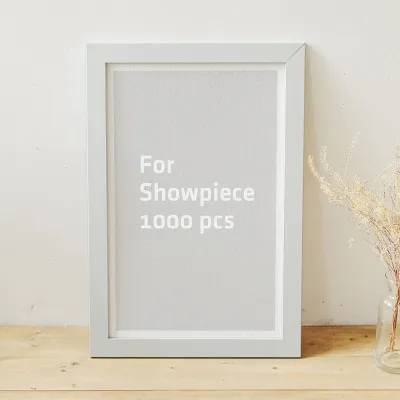

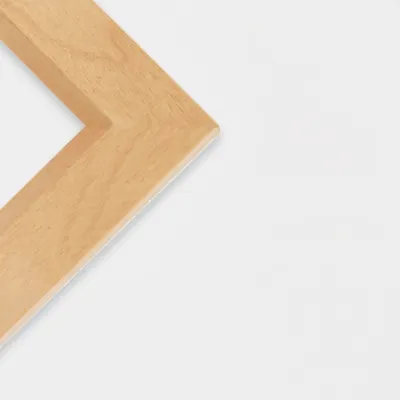
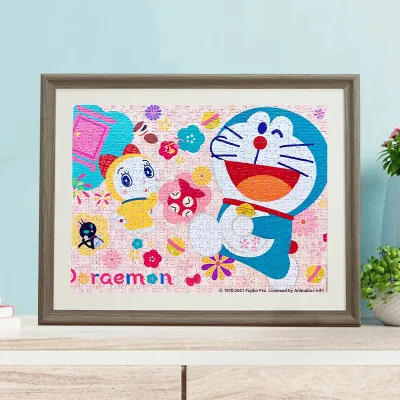
![[in stock] jigsaw frame 1000 pieces mounting jigsaw frame poster hanging wall 50x 70 jigsaw frame hanging wall 8 Open 4K](https://img.lazcdn.com/g/p/b9aa383ea1bf2817686f0b544e2083ca.jpg_400x400q80.jpg_.webp)
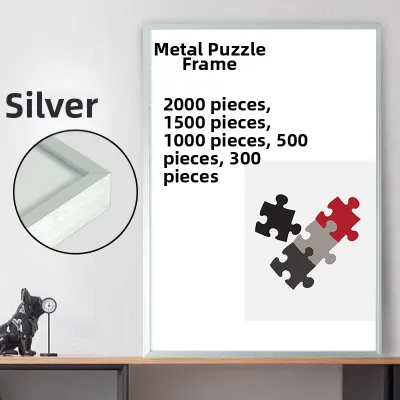
Prices are valid at publication and may change. Please refer to the product page for the latest price.
Understanding the Core Frame Styles for Puzzles
Traditional frames represent the classic approach to framing wall art. These frames feature a rigid backing board, a protective front panel made of glass or acrylic, and a solid outer border. The puzzle is secured inside the frame using flexible metal tabs, turn buttons, or screws on the back, creating a tightly sealed environment that keeps the pieces compressed and dust-free.
Snap frames utilize a front-loading mechanism designed for rapid and frequent artwork changes. The four edges of the frame are spring-loaded, allowing them to flip open from the front while the frame remains mounted on the wall. This design eliminates the need to disassemble the entire structure from the back, making it highly convenient for collectors who like to rotate their completed puzzles regularly.
Floating frames offer a minimalist, contemporary aesthetic by suspending the puzzle between two transparent sheets of acrylic or glass. Because there is no solid backing board, the wall behind the puzzle remains visible around the edges, creating the illusion that the artwork is floating in mid-air. This style is particularly effective for highlighting the unique, interlocking shapes of the puzzle’s outer border.
Key Dimensions for Comparing Puzzle Frames
When selecting a frame for a 1000-piece puzzle, visual aesthetics and border styles play a major role in how the finished piece integrates with your room decor. Traditional frames offer a wide variety of materials, including natural wood, polished metal, and ornate plastics, which can complement classic or rustic interiors. Snap frames typically feature sleek, industrial aluminum borders that suit modern, minimalist, or office environments, while floating frames minimize the border entirely to focus attention on the puzzle itself.

Installation and swapping convenience vary significantly across the three styles. Traditional frames require you to take the frame off the wall, lay it flat, bend metal tabs, and carefully align the puzzle before securing the backing. Snap frames offer the easiest swapping process, as you simply flip open the front edges, slide out the old puzzle, insert the new one, and snap the edges shut in a matter of minutes. Floating frames require a more meticulous assembly process, as the puzzle must be perfectly centered and secured between the two transparent panels to prevent slipping.
Weight and wall mounting considerations are critical, especially for large 1000-piece puzzles that can measure up to 75 by 50 centimeters. Traditional frames with real glass panels can be exceptionally heavy, requiring sturdy wall anchors and solid mounting points. Acrylic front panels are much lighter and shatter-resistant, making them a safer choice for high-traffic areas or homes with children. Floating frames, which use two full-sized panels instead of one, can also be surprisingly heavy and require careful handling to avoid scratching the transparent surfaces.
Protection levels determine how well your puzzle will withstand environmental wear over time. Traditional frames provide the highest level of protection by sealing the puzzle against dust, moisture, and physical contact. Some high-end acrylic or glass panels also offer UV resistance to prevent the puzzle’s colors from fading under direct sunlight. Snap frames provide moderate protection but may allow dust to enter through the front-loading seams over time, while floating frames expose the edges of the puzzle to the surrounding air if not completely sealed around the perimeter.
Detailed Breakdown: Traditional, Snap, and Floating Options
Choosing the right frame requires a closer look at how each option performs under real-world conditions. Below is a detailed analysis of the structural qualities, aesthetic impacts, and practical limitations of traditional, snap, and floating frames.
Traditional Frames: Classic Protection and Structure
Traditional frames excel at providing structural rigidity, which is essential for supporting the weight of a 1000-piece puzzle over several years. The solid backing board—often made of dense cardboard, MDF, or foam board—presses firmly against the back of the puzzle. This constant pressure prevents gravity from pulling the interlocking pieces downward, eliminating the risk of sagging or warping even if the puzzle is not glued.
The choice between glass and acrylic front panels is a key decision point when opting for a traditional frame. Glass offers excellent clarity and scratch resistance, but it adds substantial weight to the display and can shatter if dropped. Acrylic is highly durable, lightweight, and easier to transport, though it is more susceptible to surface scratches during cleaning. For a large 1000-piece display, lightweight acrylic is often the more practical choice for residential walls.
Traditional frames are highly compatible with formal, classic, or cozy home decor styles. However, changing the puzzle in a traditional frame requires a complete disassembly process. This involves removing the frame from the wall, laying it face down on a clean surface, bending back the securing tabs, and carefully lifting the backing board. Because of this effort, traditional frames are best suited for puzzles you intend to display permanently.
Snap Frames: Quick Installation and Easy Swapping
Snap frames are engineered for efficiency, utilizing a front-opening spring hinge system that makes tools completely unnecessary. Once the back profile of the frame is securely mounted to the wall, you never have to take it down to change the artwork. You simply flip open the four spring-loaded outer profiles, remove the protective plastic cover sheet, swap the puzzle, replace the cover, and snap the profiles shut.
The profile depth of a standard snap frame is typically designed for thin posters, so it is crucial to verify that the frame can accommodate the thickness of a 1000-piece puzzle. Most puzzles are between 1.5 and 2.5 millimeters thick. If the frame’s spring tension is too tight or the rebate depth is too shallow, the snap edges may not close completely, or they may pinch the puzzle unevenly, causing the pieces to buckle.
While snap frames offer unmatched convenience, they do have aesthetic trade-offs. The visible borders are usually made of anodized aluminum, which can look somewhat industrial or commercial rather than warm and residential. Additionally, over years of frequent use, the internal spring mechanisms can lose tension, which may cause the frame edges to sit slightly open or fail to hold the protective cover sheet tightly against the puzzle.
Floating Frames: Modern Aesthetics and Edge Visibility
Floating frames create a striking visual effect by sandwiching the puzzle between two transparent sheets, leaving a clear border around the entire perimeter. This design highlights the organic, interlocking edges of the puzzle, turning the construction style itself into a design element. The transparent border allows the color and texture of your wall to show through, helping the artwork blend seamlessly into the room’s color scheme.
To achieve a successful floating display, the puzzle must be perfectly flat and uniform in thickness. Any warping or curling of the puzzle pieces will prevent the two transparent panels from sealing tightly against each other. If there are gaps between the panels, gravity will eventually cause the puzzle to slide downward inside the frame, or individual pieces may begin to separate and fall out of alignment.
Because floating frames lack a solid, opaque backing board, they offer less structural support than traditional frames. Dust can also become visible on the inner surfaces of the transparent panels, requiring you to disassemble the frame periodically to clean the glass or acrylic. Despite these maintenance considerations, the clean, modern look of a floating frame makes it a highly popular choice for contemporary living spaces.
Decision Framework: Which Frame Fits Your Needs?
To determine which frame style is right for your project, consider how you plan to interact with the display over time. If your goal is to preserve a highly challenging puzzle as a permanent piece of art, a traditional frame is the most reliable option. It offers the structural support needed to prevent sagging and protects the paper pieces from dust and moisture, making it ideal for living rooms, hallways, or dining areas where you want a classic gallery appearance.
If you view puzzle building as an ongoing hobby and want to showcase your latest achievements, a snap frame is the most practical choice. It allows you to rotate different 1000-piece puzzles in the same wall space without the hassle of taking down the frame or using tools. This setup is perfect for game rooms, children’s bedrooms, or study areas where the decor changes frequently.
For those who appreciate modern design and want to emphasize the craftsmanship of the puzzle itself, a floating frame is unmatched. It works best for puzzles with unique shapes, artistic gradients, or high-quality prints that benefit from a clean, borderless presentation. However, keep in mind that this style requires a fully glued and flattened puzzle to ensure it remains securely suspended between the panels.
Before making a final decision, always verify the structural capacity of your wall. In many modern apartments with concrete or masonry walls, mounting a heavy glass traditional frame may require drilling and using heavy-duty wall plugs. If you prefer to avoid drilling or are using adhesive hanging strips, a lightweight snap frame or an acrylic-faced traditional frame is a much safer and more manageable option.
Essential Pre-Purchase and Installation Checks
Before purchasing any frame, it is essential to measure your actual assembled puzzle rather than relying on the dimensions printed on the box. Puzzle manufacturers often use nominal dimensions, and the actual finished size can vary by several millimeters or even centimeters. Measuring the completed puzzle with a reliable tape measure ensures you do not buy a frame that is slightly too small or leaves awkward gaps.
Next, check the frame’s internal rebate depth, which is the channel where the puzzle and backing sit. Standard picture frames are often designed for thin paper prints and may not have enough depth to accommodate a thick cardboard puzzle, a backing board, and a front cover. Ensure the frame specifications explicitly state that it can hold materials of at least 2 to 3 millimeters in thickness without bowing.
Finally, plan your wall mounting hardware based on the total weight of the framed puzzle. For heavy glass frames, standard nails may not provide sufficient support over time. Use appropriate wall anchors designed for your specific wall material, whether plaster, drywall, or concrete. If you are uncertain about the weight limits or the structural integrity of your wall, consult a professional installer to ensure your puzzle remains safely secured.
Frequently Asked Questions (FAQ)
Do I need to glue my 1000-piece puzzle before framing it?
Whether you need to glue your puzzle depends largely on the type of frame you choose. Traditional frames with a tight, rigid backing board often apply enough pressure to hold an unglued puzzle securely in place without any pieces shifting. However, if you choose a floating frame, you must glue and flatten the puzzle beforehand. Without glue, the lack of a solid backing board in a floating frame will allow gravity to pull the unglued pieces apart, causing the puzzle to slide or collapse inside the frame.
How do I accurately measure my assembled puzzle for a frame?
To measure your puzzle accurately, lay the completed puzzle completely flat on a hard surface. Use a metal tape measure to record the exact width and height across the center of the puzzle, as the edges can sometimes bow slightly outward. Do not rely on the dimensions listed on the puzzle box, as these are often rounded estimates. When choosing a frame, ensure the inner opening matches your measurements, keeping in mind that the frame’s inner lip will typically overlap the outer edge of the puzzle by about 5 millimeters on all sides to hold it in place.

Community discussion
Share your experience or ask a question. Comments are reviewed before publication.