
Creating a sacred space for daily Hindu puja at home in Singapore requires balancing spiritual devotion with the practical realities of modern apartment living. Whether you reside in a cozy HDB flat or a high-rise condominium, selecting the right Indian temple altar (mandir) involves evaluating spatial constraints, material durability in a tropical climate, and functional safety. A well-chosen home altar serves as a serene focal point for daily prayers, offering a dedicated sanctuary for deities, oil lamps, and sacred offerings while blending harmoniously with your home decor.
Assessing Your Space and Daily Puja Needs
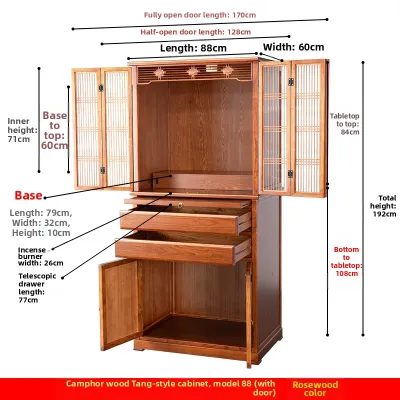
Singapore apartments often feature compact layouts, making precise measurements essential before purchasing an altar. Measure the designated floor area or wall space carefully, keeping in mind the clearance needed for opening cabinet doors, pulling out drawer trays, and standing or sitting comfortably during prayers. Consider the vertical clearance as well, especially if you plan to place the altar under low-hanging beams, air conditioning units, or near window treatments.
Take stock of your daily puja items to determine the required surface area and storage capacity. If your daily rituals involve multiple deities, a large kalash (sacred pot), diyas (oil lamps), incense holders, and a puja thali (offering plate), you will need an altar with adequate surface area or an extendable drawer tray. Tiered designs allow you to place primary idols on the highest level while keeping offering plates and daily essentials on the lower tiers.
Products mentioned in this guide
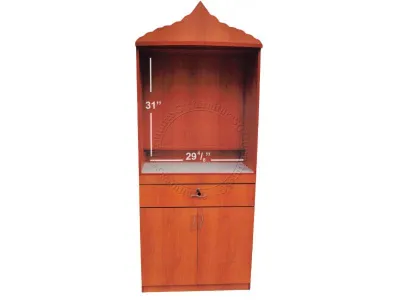
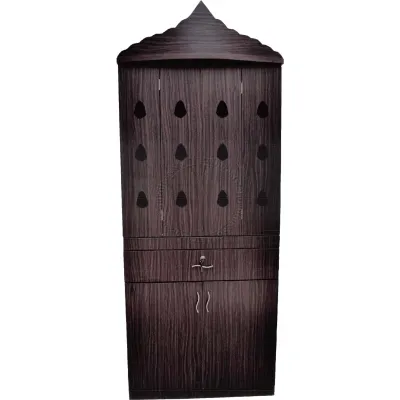
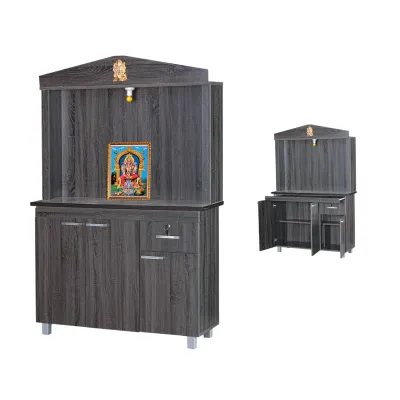
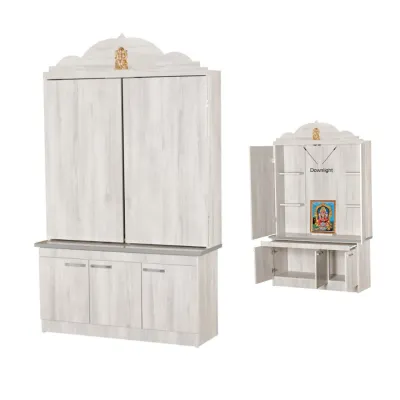
Prices are valid at publication and may change. Please refer to the product page for the latest price.
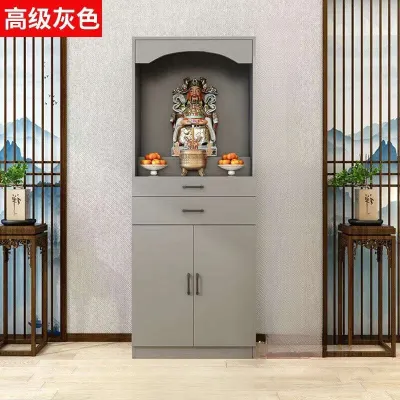
Decide between a freestanding, wall-mounted, or modular unit based on your room’s traffic flow. Freestanding altars offer a traditional, grand presence and often include built-in cabinets, but they require dedicated floor space. Wall-mounted mandirs are excellent space-savers for smaller hallways or living rooms, keeping the floor clear and allowing you to mount the altar at your preferred height. Modular or compact tabletop units offer flexibility, allowing you to move the altar easily if you reconfigure your living space.
Key Functional Features for a Practical Home Mandir
A practical home mandir should accommodate more than just the visible idols. Look for units with integrated drawers or bottom cabinets to store extra cotton wicks, matchboxes, camphor, incense sticks, prayer books, and seasonal festival decorations. Keeping these items organized and out of sight maintains the visual neatness of your sacred space.

Daily rituals often involve burning incense (agarbatti), camphor, or oil lamps, which generate smoke, heat, and soot. Ensure the altar design features adequate ventilation, such as an open-dome roof, carved side screens, or a completely open-front structure. Proper airflow prevents smoke from accumulating inside the dome, which can discolor the wood or stone over time and trigger indoor smoke detectors.
Many modern altars come with integrated LED lighting or backlit panels to create a warm, spiritual ambiance. When choosing an altar with electrical components, verify that the wiring is safely insulated and that the plug is compatible with Singapore’s standard 230V supply and Type G sockets. Ensure any built-in light fixtures are positioned away from direct heat sources, such as oil lamps or candles, to prevent melting or electrical hazards. If you plan to install custom lighting, consult a qualified professional to handle any fixed wiring or complex installations safely.
Indian temple altars often hold heavy brass, bronze, or stone idols. Before purchasing, verify the weight capacity of the shelves, especially for wall-mounted units. A sturdy base and robust joinery are critical to prevent the altar from tipping or sagging under the weight of sacred items. If you are mounting a heavy wooden or stone altar to the wall, ensure you use appropriate heavy-duty wall anchors and secure it to a solid concrete or brick wall rather than a hollow drywall partition.
Comparing Materials and Styles for Indian Temple Altars
Wood is the most traditional material for home altars, valued for its warmth, natural beauty, and intricate carving possibilities. Teak, sheesham, and rosewood are popular choices due to their durability and classic aesthetic. However, Singapore’s high year-round humidity can cause solid wood to expand, contract, or warp if not properly seasoned and sealed. Routine maintenance involves wiping the wood with a dry or slightly damp microfiber cloth and applying a wood conditioner occasionally to preserve its luster and protect it from moisture.
Metal altars, often featuring brass sheet overlays or cast metal frames, offer a striking, traditional look that evokes the feel of ancient temple sanctuaries. These units are highly durable and resistant to humidity, making them a stable choice for tropical climates. However, brass and other metals are prone to tarnishing when exposed to air, moisture, and oil from diyas. Regular polishing with specialized metal cleaners or natural mixtures like tamarind paste is necessary to maintain their bright, reflective finish.
Marble and natural stone altars provide a premium, elegant, and highly serene aesthetic. They are exceptionally durable, easy to clean, and completely resistant to heat and oil stains if properly sealed. However, stone altars are incredibly heavy and require a solid, level floor or reinforced mounting brackets if wall-hung. Professional installation is highly recommended for large marble altars to ensure they are safely leveled and securely anchored without damaging your flooring or walls.
For contemporary Singapore homes, modern minimalist altars offer a seamless blend of tradition and modern interior design. These units often combine materials like engineered wood, acrylic, glass, and metal to create clean lines and compact profiles. Many feature frosted glass backdrops with laser-cut traditional patterns that glow softly when backlit. These designs are highly space-efficient and fit beautifully into modern living rooms without overwhelming the existing decor.
Sourcing Your Altar and Pre-Purchase Checks
When looking for an Indian temple altar in Singapore, you can explore specialized religious decor boutiques in cultural enclaves like Little India, consult custom carpenters for a bespoke design, or browse general online marketplaces. Specialized boutiques allow you to inspect the craftsmanship, material quality, and structural stability in person. Custom carpenters offer the advantage of tailoring the altar’s dimensions, storage, and wood finish to match your exact home layout and decor. Online marketplaces provide convenience and a wide variety of styles, but require extra diligence regarding product specifications.
Before finalizing your purchase, double-check the exact dimensions of the altar, including the internal shelf heights and drawer depths. If purchasing online, read customer reviews carefully to assess the actual color, finish quality, and assembly difficulty. Verify the seller’s return and exchange policies, especially for high-value or fragile items, to protect yourself against transit damage or manufacturing defects.
Fragile materials like marble, glass panels, and intricate wood carvings require secure packaging and reliable delivery services. Confirm whether the seller provides white-glove delivery and professional assembly services, which can prevent damage during transport and ensure the altar is set up correctly in your home. If you must assemble the unit yourself, follow the manufacturer’s instructions carefully and use the recommended tools to maintain structural integrity.
If the altar features integrated lighting, digital clocks, or motorized rotating platforms, check for relevant electrical safety certifications. Ensure the power adapter and wiring are rated for local voltage and carry recognized safety marks where applicable. Avoid using uncertified electrical components or overloading extension cords, as these pose significant fire risks in residential spaces.
Placement Guidelines and Routine Maintenance
According to traditional Vastu Shastra guidelines, the ideal direction for placing a home temple altar is the northeast corner of the house, with the deities facing east or west so that the devotee faces east or north during prayers. If your apartment layout does not accommodate this orientation, the east and north directions are suitable alternatives. Avoid placing the altar directly against bathroom walls, under staircases, or in close proximity to shoe racks, as these areas are considered disrespectful. In multi-use spaces, you can use a decorative screen, a sliding door, or a simple curtain to close off the altar when not in use.
Regular maintenance is essential to keep your sacred space clean and inviting. Wipe down the altar surfaces daily with a soft, dry cloth to remove accumulated incense ash, dust, and oil residue. For wooden altars, clean oil spills immediately with a mild, wood-safe soap solution to prevent staining or damage to the finish. Avoid using harsh chemical cleaners, abrasive pads, or excessive water on wood and metal surfaces, as these can strip away protective coatings and cause premature wear.
Protect your altar from direct sunlight, which can fade wood finishes, discolor marble, and cause materials to warp or crack over time. Position the altar away from open windows where rain might splash inside, and manage indoor humidity by ensuring good ventilation or using a dehumidifier if the room tends to trap moisture. Taking these preventive steps will preserve the structural integrity and aesthetic beauty of your home mandir for years to come.
Frequently Asked Questions (FAQ)
Can I place an Indian temple altar in the bedroom or kitchen?
Traditionally, it is recommended to avoid placing a mandir in the bedroom or kitchen to maintain the sanctity and purity of the worship space. However, in compact Singapore apartments where space is limited, this may sometimes be unavoidable. If you must place the altar in a bedroom or kitchen, choose a unit with doors or install a decorative curtain or screen to close off the altar when sleeping or cooking. Ensure the altar is placed as far away from the cooking stove and bed as possible, and keep the area exceptionally clean and well-ventilated.
How do I clean brass idols and altar accessories without damaging them?
To clean brass idols and accessories safely, avoid harsh chemical polishes that can corrode the metal over time. Instead, use mild, natural cleaning agents such as a paste made from tamarind paste, lemon juice, and a pinch of salt, or a specialized gentle brass cleaner. Apply the paste gently with a soft cloth or sponge, rub gently to remove tarnish, and rinse thoroughly with warm water. It is crucial to dry the brass items completely with a clean microfiber towel immediately after washing to prevent water spots and oxidation.
What is the ideal height for a home mandir?
The ideal height for a home mandir depends on whether you prefer to stand or sit during your daily prayers. Traditionally, the altar should be positioned so that the feet of the deities are at the eye level or chest level of the devotee during worship. If you perform puja while sitting on the floor, a low tabletop altar or a floor-standing unit with a height of about 30 to 45 centimeters from the ground is suitable. If you prefer to stand, the altar platform should be mounted or positioned at a height of approximately 90 to 120 centimeters from the floor to ensure an ergonomic and respectful posture.

Community discussion
Share your experience or ask a question. Comments are reviewed before publication.