
Finding the right solar LED outdoor wall light with a motion sensor for your Singapore home requires balancing technical specifications with local environmental conditions. With the city-state’s unique combination of intense tropical heat, sudden monsoon downpours, and diverse housing layouts—ranging from high-rise HDB flats to landed estates—a generic outdoor light simply will not suffice. To make a worthwhile investment, you must select a fixture that offers high solar conversion efficiency, a durable waterproof housing, and a highly responsive motion sensor that aligns with your specific space.
While the market is flooded with options, the most reliable solar lights are those designed to withstand prolonged UV exposure and heavy rain while delivering consistent illumination throughout the night. By understanding the core technical parameters, installation requirements, and maintenance needs, you can easily identify which models are best suited for your home’s exterior.
Core Specifications to Evaluate Before Buying
When shopping for a solar led outdoor wall light, understanding the technical specifications prevents you from purchasing underpowered or short-lived fixtures. Evaluating these components ensures the light meets your practical expectations for brightness, runtime, and reliability.
Products mentioned in this guide
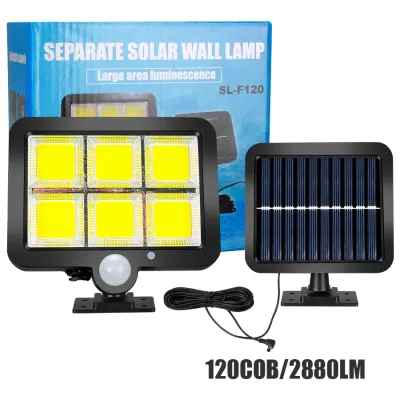
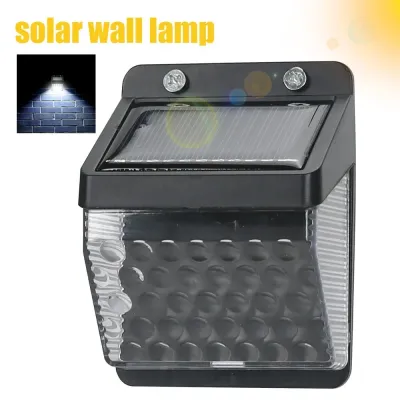
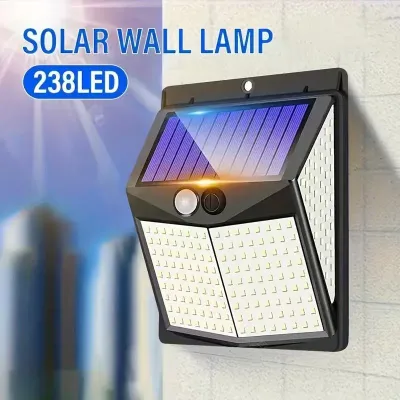
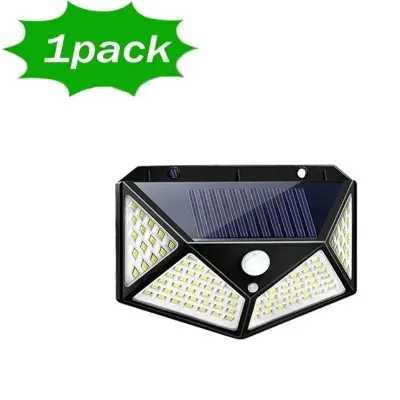
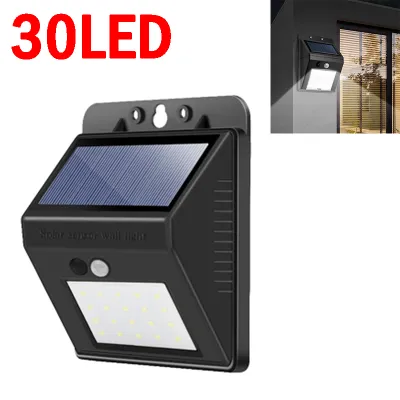
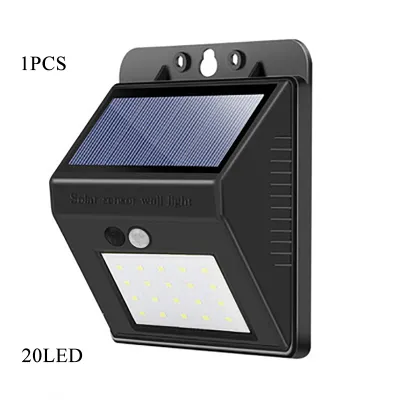
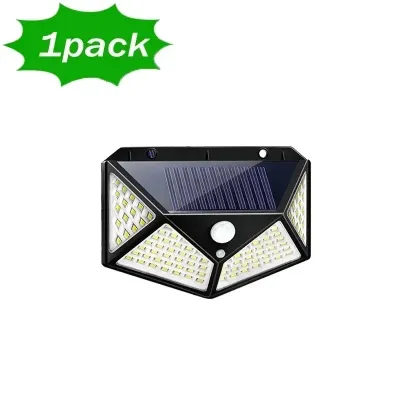
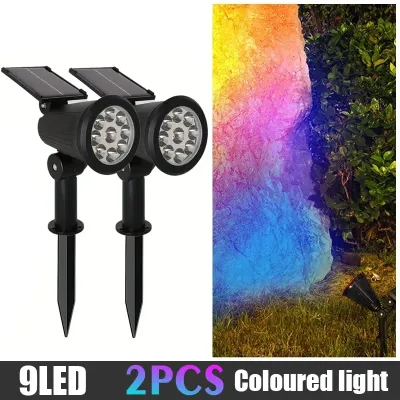
Prices are valid at publication and may change. Please refer to the product page for the latest price.
Lumens and Beam Angle
Lumens measure the total volume of visible light emitted by a source, which directly dictates how bright the fixture will be. For ambient pathway lighting, decorative accents on a balcony, or low-level corridor illumination, a lower output of 100 to 200 lumens is generally sufficient. If your primary goal is security, perimeter lighting, or illuminating a dark driveway gate, you should look for fixtures that deliver 500 to 1,000 lumens or more when motion is triggered.
The beam angle determines how widely the light spreads across your outdoor space. A narrow beam angle of around 60 degrees creates a focused spotlight effect, which is ideal for highlighting specific architectural features, house numbers, or narrow steps. Conversely, a wide beam angle of 120 degrees or broader provides expansive flood coverage, reducing dark corners and maximizing the physical area monitored by the motion sensor.
Battery Capacity and Chemistry
Solar lights store harvested energy in rechargeable batteries to power the LEDs overnight. The two most common battery chemistries found in modern solar outdoor lights are Lithium-ion (Li-ion) and Lithium Iron Phosphate (LiFePO4). LiFePO4 batteries are highly recommended for Singapore’s hot climate because they offer superior thermal stability, a longer overall cycle life, and a lower risk of degradation under constant solar exposure.
Battery capacity is measured in milliampere-hours (mAh). A higher capacity, such as 2,000 mAh to 4,400 mAh, allows the light to store a larger reserve of energy. This capacity is crucial for ensuring the light can power through the night and survive consecutive overcast days. Low-capacity batteries under 1,000 mAh may run out of power after just a few sensor activations, leaving your pathways dark when you need them most.
Solar Panel Efficiency
The solar panel is the engine of the light fixture, converting sunlight into electrical energy. Monocrystalline panels are made from high-grade, single-crystal silicon and offer the highest efficiency rates, typically between 15% and 21% or more. They also perform significantly better in low-light or partially shaded conditions. Polycrystalline panels, recognizable by their speckled blue appearance, are less expensive but have lower efficiency rates, usually between 13% and 16%, meaning they require longer exposure to direct sunlight to achieve a full charge.
Given the dense urban landscape of Singapore, where neighboring buildings or overhanging structures can easily block direct sunlight, choosing a monocrystalline panel is highly beneficial for consistent, daily charging.
Motion Sensor Technology
Most solar outdoor wall lights utilize Passive Infrared (PIR) sensors to detect motion. PIR sensors work by identifying rapid changes in infrared radiation, which is the heat signature emitted by moving people, large animals, or vehicles.
When evaluating PIR sensors, look for a detection angle of at least 120 degrees, though security-focused models can offer up to 180 or 270 degrees of horizontal coverage. Additionally, check if the sensor features adjustable sensitivity and delay settings. Adjustable sensitivity allows you to prevent false triggers from wind-blown foliage, while customizable delay settings control how long the light remains at full brightness—typically ranging from 15 to 30 seconds—before dimming or turning off to conserve battery power.
Choosing the Right Light Design for Your Home Layout
Singapore’s residential architecture varies widely, meaning a solar light design that works perfectly for a landed driveway may be entirely unsuitable for an HDB corridor. Matching the physical design of the light to your specific housing layout ensures both optimal performance and neighborly harmony.

HDB Corridors and Common Areas
Living in an HDB flat requires careful consideration of shared community spaces. If you are installing a solar light along a common corridor, choose a compact, downward-facing (downlight) or heavily shielded design. This prevents light pollution from spilling directly into your neighbors’ windows or causing blinding glare to passersby.
Furthermore, you must ensure the fixture complies with your local Town Council guidelines, which strictly prohibit obstructions or unauthorized permanent modifications to common property. Opt for low-lumen, warm-white models that provide subtle, safe pathway illumination without disrupting the surrounding residents.
Landed Property Gates and Driveways
Landed homes offer greater freedom but demand robust security and safety lighting. For main gates, driveways, and perimeter fences, high-lumen, wide-angle floodlights are ideal.
These fixtures should feature sensitive PIR sensors with a detection range of at least 6 to 8 meters. This ensures that as vehicles approach or residents walk up to the gate, the area is instantly illuminated, enhancing security and preventing tripping hazards. If your property is located near coastal areas, prioritize marine-grade materials to resist salt-air corrosion.
Condominium Balconies and Patios
For private outdoor spaces like condominium balconies or patios, aesthetic appeal and ambiance are often just as important as functionality. Low-profile, decorative wall sconces with adjustable color temperatures are excellent choices.
While color temperature is a matter of personal preference rather than performance, a warm white light (2700K to 3000K) creates a cozy, relaxing environment for evening lounging. A cool white light (5000K to 6500K) can be switched on for task-oriented activities or high-visibility security. Always consult your Management Corporation Strata Title (MCST) guidelines regarding exterior fixtures before making any permanent changes to your balcony walls.
Separate vs. Integrated Panels
All-in-one integrated units house the solar panel, battery, motion sensor, and LEDs in a single compact casing. They are incredibly easy to install and maintain, making them perfect for walls that receive uninterrupted direct sunlight throughout the day.
Split designs, on the other hand, feature a separate solar panel connected to the light fixture via a long, weather-resistant cable. This configuration is highly advantageous for shaded balconies, covered carports, or walls under deep eaves. You can mount the light exactly where illumination is needed while placing the solar panel several meters away on a roof or a sunny spot to ensure optimal charging.
Ensuring Durability in a Tropical Climate
Singapore’s weather presents unique challenges for outdoor electronics. High humidity, intense UV radiation, and torrential monsoon rains can quickly destroy poorly constructed fixtures. Verifying build quality markers before purchasing is essential for long-term durability.
Ingress Protection (IP) Ratings
An Ingress Protection (IP) rating indicates how effectively the light’s housing prevents water and dust from penetrating the internal electronics. For outdoor wall lights completely exposed to the elements, an IP65 rating is the absolute minimum standard.
The first digit (6) represents complete protection against dust ingress, while the second digit (5) guarantees protection against water jets from any angle. For highly exposed walls facing heavy monsoon winds, look for IP66 or IP67 ratings to ensure long-term electrical safety and prevent internal condensation.
Material and Finish Durability
Intense UV radiation from the tropical sun can rapidly degrade low-quality plastics, causing them to become brittle, yellow, and crack within a year. Look for fixtures constructed from UV-stabilized polycarbonate or high-grade ABS plastics.
For metal housings, prioritize rust-proof materials such as powder-coated aluminum, anodized aluminum, or marine-grade stainless steel. These materials resist corrosion from both moisture and salt-laden air, preserving the aesthetic and structural integrity of the light. Tempered glass or high-impact acrylic lenses are preferred over cheap plastic covers, as they maintain clarity and do not cloud over under prolonged sun exposure.
Thermal Management
High ambient temperatures combined with direct sunlight can cause the internal temperature of a solar light to rise significantly. Excessive heat is the primary enemy of lithium batteries, accelerating capacity loss and shortening their overall lifespan.
Look for solar LED outdoor wall lights designed with effective thermal management, such as built-in aluminum heat sinks or thermal protection circuits that regulate charging and discharging based on temperature. Proper ventilation or heat dissipation channels within the casing help keep the internal electronics cool, preserving both battery health and LED efficiency.
Verifying Manufacturer Claims
When purchasing solar lights, especially from online marketplaces, it is common to encounter exaggerated claims regarding lumen output, battery capacity, and waterproof ratings. To avoid purchasing subpar products, cross-check the specifications listed in the product description with the official manufacturer’s website or physical product packaging.
Verify if the product has undergone reputable third-party testing or certifications (such as CE, RoHS, or FCC). Avoid listings that use generic, unbranded terms without clear technical datasheets or warranty information.
Safe Installation and Placement Strategies
While solar lights are generally safer to install than mains-powered fixtures because they operate on low-voltage DC power, proper placement and mounting are crucial for safety, performance, and regulatory compliance.
Optimal Solar Panel Placement
To function effectively, a solar led outdoor wall light must receive adequate direct sunlight daily—ideally 4 to 6 hours of unshaded exposure. In Singapore, the sun’s trajectory shifts slightly north and south throughout the year, but generally, a south- or north-facing wall with clear sky access offers the most consistent year-round charging.
Avoid mounting the solar panel directly under roof eaves, overhanging tree branches, or in the shadow of neighboring structures, as even partial shading on a single cell can drastically reduce the panel’s overall charging efficiency.
Mounting Height and Sensor Alignment
To optimize the coverage of the motion sensor, most manufacturers recommend a mounting height of 2 to 3 meters above the ground. Mounting the fixture too high will reduce the sensor’s sensitivity and the brightness of the light on the ground, while mounting it too low may restrict the detection range and cause glare at eye level.
Align the PIR sensor dome so it has a clear line of sight to the main path of movement. Avoid pointing the sensor directly at highly reflective surfaces like swimming pools, glass doors, or metal fences, as well as heat sources like air conditioning condenser units, which can trigger false activations.
Drilling and Structural Safety
Installing outdoor wall lights typically requires drilling into exterior masonry, concrete, or brick walls to insert wall plugs and mounting screws. Always use a high-quality hammer drill with masonry bits of the correct size.
Before drilling, check local regulations. If you live in an HDB flat or a private condominium, you must consult your Town Council or MCST management by-laws. Modifying or drilling into common property facades, structural pillars, or external walls is often strictly regulated or prohibited without prior written approval.
When to Stop and Consult Professionals
Safety must always be your top priority. If the desired mounting location requires working at height (such as on a tall ladder or scaffolding), involves drilling near concealed electrical conduits, water pipes, or gas lines, or if you are unsure of the structural integrity of the wall, stop immediately.
While solar lights operate on low-voltage DC power and do not pose a high risk of electrocution during mounting, any integration with existing household electrical systems, fixed wiring, or complex structural modifications requires a qualified professional or licensed electrician. Always refer to the manufacturer’s installation manual before commencing.
Routine Maintenance for Long-Lasting Performance
Solar lights are largely automated, but they are not completely maintenance-free. Implementing a simple routine maintenance schedule will significantly extend the lifespan of your fixtures and keep them operating at peak efficiency.
Cleaning the Solar Panel
Over time, outdoor solar panels accumulate a layer of dust, soot from traffic, bird droppings, and organic debris. This buildup blocks sunlight, reducing the panel’s charging efficiency and resulting in shorter runtimes at night.
Establish a routine to gently wipe down the solar panel every few months using a soft, damp microfiber cloth and plain water. Avoid using abrasive sponges, harsh chemical detergents, or high-pressure water jets, which can scratch the protective glass or damage the watertight seals.
Sensor and Lens Upkeep
To ensure the PIR sensor remains highly responsive, keep the plastic sensor dome free of dirt, cobwebs, and insect nests. Wipe the sensor dome gently with a dry or slightly damp cloth.
Similarly, clean the LED lens or cover to prevent dirt from dimming the light output. Regular cleaning ensures the light operates at its rated brightness and detects movement promptly when needed.
Battery Health Monitoring
Rechargeable batteries naturally degrade over time, typically lasting between 2 to 5 years depending on usage and climate conditions. If you notice your solar led outdoor wall light is dimming significantly faster than usual or failing to turn on despite a full day of sunlight, the battery may need replacement.
Consult the manufacturer’s manual to verify if the internal battery is user-replaceable. If the model is sealed to maintain its IP rating, attempting to open it may void the warranty or compromise its water resistance. In such cases, contact the manufacturer’s customer service or consider professional replacement.
Seasonal Adjustments
While Singapore does not experience traditional winter or summer seasons, it does have distinct wet and dry monsoonal periods. During the wet monsoon seasons (typically November to January), daylight hours may be shorter and overcast skies more frequent.
To conserve battery power during these darker periods, consider adjusting the light’s settings if your model allows it. Switching from a continuous “dim-to-bright” mode to a “pure motion sensor” mode (where the light remains completely off until triggered) will significantly reduce energy consumption and ensure the light remains functional when security illumination is most needed.
Frequently Asked Questions (FAQ)
Do solar wall lights work well during Singapore's rainy season?
Yes, high-quality solar wall lights can perform reliably during the rainy season, provided they are equipped with efficient monocrystalline solar panels and adequate battery capacities. Monocrystalline panels can still harvest solar energy under overcast skies, albeit at a reduced rate. To ensure consistent performance during consecutive rainy days, choose fixtures with a larger battery reserve (2,000 mAh or more) and utilize energy-saving modes, such as the motion-activated setting, which only draws power when movement is detected rather than running continuously.
Can I replace the built-in battery in a solar motion light?
Whether you can replace the battery depends entirely on the design of the specific model. Some solar lights feature accessible battery compartments secured by screws and silicone gaskets, allowing users to easily swap out standard rechargeable cells (such as 18650 lithium-ion batteries). However, many modern, highly rated waterproof fixtures are permanently sealed during manufacturing to guarantee their IP65 or higher rating. For these sealed units, attempting to open the casing will destroy the waterproof seal and void the warranty. Always check the manufacturer’s product specifications and user manual before attempting a battery replacement.

Community discussion
Share your experience or ask a question. Comments are reviewed before publication.