
Waking up reliably when you are a deep sleeper requires more than just a standard smartphone buzz. In Singapore’s fast-paced environment, missing an early morning meeting or a university lecture due to oversleeping can disrupt your entire day. Finding the right alarm clock involves matching your specific sleep depth with a sensory trigger—whether that is an extra-loud auditory blast, a physical bed-shaking vibration, or a gradual light simulation that mimics the sunrise.
By understanding how these different mechanisms interact with your sleep cycle and your bedroom environment, you can establish a foolproof morning routine. This guide will help you evaluate the key specifications, safety standards, and placement strategies to ensure you choose a device that consistently wakes you without causing unnecessary household disruption.
Quick Guide to Identifying Your Ideal Wake-Up Trigger
To select the most effective wake-up system, you must first pinpoint which sensory channel is most likely to penetrate your deepest sleep stages. Auditory alarms rely on high-decibel sound waves to startle the brain awake, making them highly effective for solo sleepers who do not easily wake to standard noise levels. Tactile alarms, such as vibrating pods placed under your pillow or mattress, offer a physical alternative that bypasses the ears entirely, which is ideal if you share a bed or live in close quarters where loud noises would disturb others.
Products mentioned in this guide
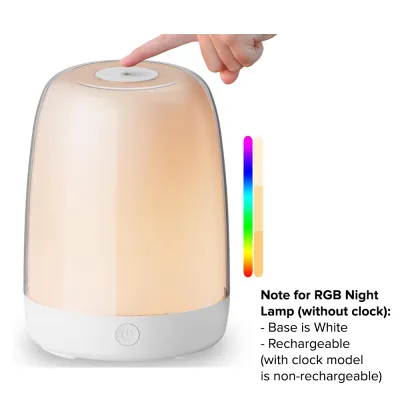
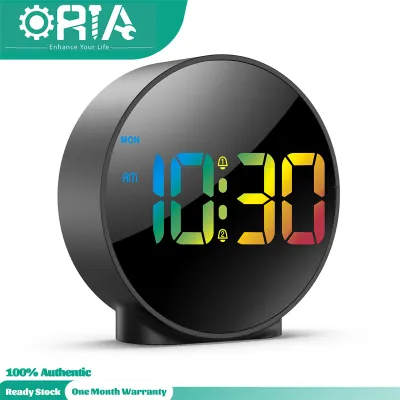
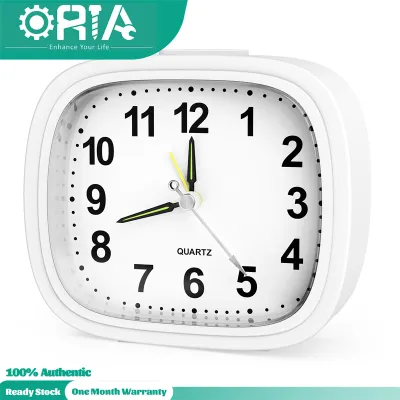
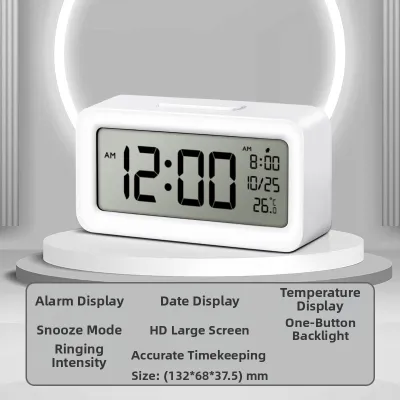
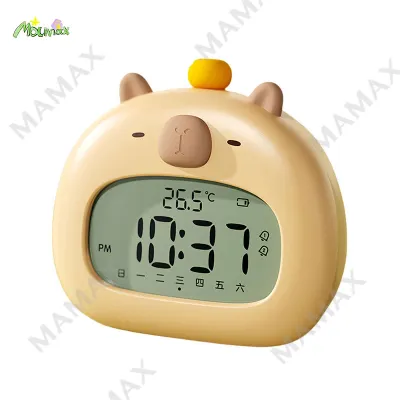
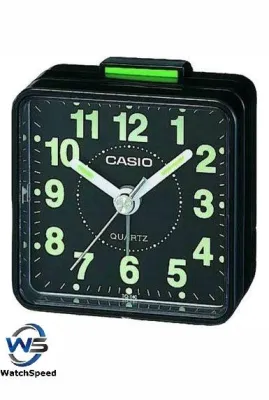
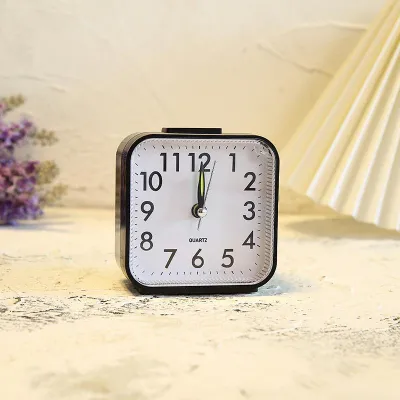
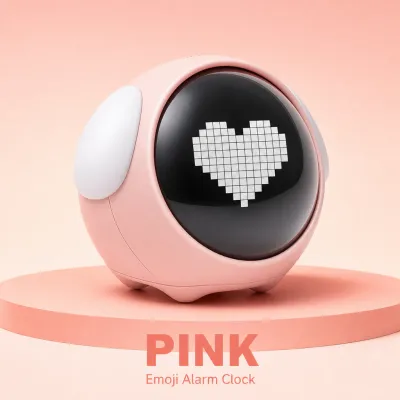
Prices are valid at publication and may change. Please refer to the product page for the latest price.
Visual alarms utilize light to gradually shift your body out of deep sleep, offering a gentler transition that works well for those who struggle with morning grogginess. Your living situation in Singapore plays a major role in this decision. In typical high-density housing like HDB flats or condominiums, sound travels easily through shared walls and open windows, meaning an exceptionally loud buzzer might disturb your family members or next-door neighbors.
If you sleep alongside a partner who operates on a different schedule, a localized vibrating alarm is often the most considerate and reliable choice. Conversely, if you sleep alone in a well-insulated room, a high-decibel sonic alarm can provide the necessary auditory jolt without causing external friction. When browsing options online, always verify the electrical specifications of the device.
Many specialized alarm clocks are manufactured for international markets and may come with foreign plugs or voltage requirements. In Singapore, the standard domestic voltage is 230V at a frequency of 50Hz, utilizing the three-pin Type G plug. Purchasing a device designed solely for 110V without a proper transformer can damage the internal circuitry or pose a safety hazard, so always check the product label for universal voltage compatibility (100V–240V) or ensure it is supplied with a compatible local adapter.
Comparing Alarm Mechanisms for Deep Sleepers
Different sensory inputs trigger distinct neurological pathways to transition your brain from a state of rest to active alertness. While a light sleeper might wake up to the faint rustle of curtains, a heavy sleeper requires a more robust stimulus to interrupt deep rapid eye movement (REM) or slow-wave sleep. Evaluating how these mechanisms operate allows you to choose a technology that aligns with your physiological responses rather than relying on sheer willpower.

Extra-Loud and Sonic Alarms
Auditory alarms designed for heavy sleepers go far beyond the volume levels of standard bedside clocks. When evaluating these devices, look closely at the manufacturer’s specifications for the maximum decibel rating, which often ranges from 80 to over 100 decibels. It is crucial to select a model that features adjustable volume controls rather than a single fixed high-volume setting, allowing you to calibrate the sound to the minimum level required to wake you.
The primary trade-off of high-decibel alarms is the inevitable disruption to anyone else living in your household or immediate vicinity. In compact Singapore apartments, a 100-decibel blast can easily penetrate bedroom doors and concrete walls, potentially causing unnecessary stress to family members or neighbors. To mitigate this, prioritize models that offer a gradual volume increase, sometimes referred to as a progressive or ascending alarm, which starts softly and only reaches maximum volume if you fail to turn it off within a few minutes.
Additionally, pay attention to the frequency and tone options of the alarm. High-pitched, repetitive beeps can sometimes be incorporated into dreams or ignored by the brain over time, whereas low-frequency tones or changing frequencies are much harder for the subconscious mind to habituate to. Look for clocks that allow you to customize the alarm tone or feature dual-alarm settings so you can alternate sounds and prevent your brain from becoming desensitized to a single noise pattern.
Vibrating and Bed Shaker Alarms
Tactile alarms offer a highly effective, non-auditory solution by delivering physical vibrations directly to your body. These systems typically consist of a standard bedside clock unit connected to a specialized vibrating pod, often called a bed shaker, via a physical cable or a wireless connection. To use this setup effectively, you place the vibrating disc directly under your pillow, between your pillowcase and the pillow, or beneath your mattress topper.
Before purchasing, carefully evaluate the physical dimensions and setup requirements of the vibrating unit. Check the length of the connecting cord to ensure it can comfortably reach from your bedside table to the center of your bed without being stretched taut or creating a tripping hazard. If you have a thick pocket-spring mattress or a heavy latex topper, a small or weak vibrating disc may not have sufficient power to penetrate the layers, meaning you will need to position the shaker directly under your pillow rather than beneath the mattress.
Motor durability and vibration intensity settings are also key factors to verify in the product specifications. Look for manufacturers that detail multiple vibration patterns or intensity levels, allowing you to customize the physical pulse from a gentle hum to a vigorous shake. Because these motors undergo repeated physical stress, choosing a unit with a robust, sealed casing and reinforced cable strain reliefs will help ensure long-term reliability and prevent the internal wiring from fraying over time.
Sunrise Simulation and Gradual Light Alarms
Light-based alarm clocks work by mimicking the natural progression of dawn, gradually increasing the light intensity in your bedroom over a set period, typically 20 to 40 minutes before your target wake-up time. This gradual exposure helps suppress the production of melatonin, the sleep hormone, while encouraging the release of cortisol, preparing your body to wake up naturally and reducing the feeling of morning grogginess.
When comparing sunrise simulators, check the maximum light output, which is measured in lux, as well as the color spectrum of the light. A high-quality simulator should transition from a warm, deep red or orange hue through to a bright, crisp yellow or white light, as this spectrum shift closely replicates a natural sunrise. Ensure the light output is sufficient for your room size; a small, low-lux lamp placed too far from your bed may not deliver enough light to penetrate your eyelids during deep sleep.
Because heavy sleepers can sometimes remain asleep even in a fully illuminated room, a sunrise simulator should never rely on light alone. Verify that the model you choose includes a customizable backup audio alarm or a vibrating feature that triggers at the end of the light cycle. Additionally, check the display dimming capabilities of the clock face itself; a screen that remains too bright during the night can disrupt your ability to fall asleep, so look for models with auto-dimming displays or the option to turn the screen off completely.
Essential Specifications and Compatibility Checks
When selecting an alarm clock for use in Singapore, electrical safety and compatibility must be your first priority. Always look for products that carry recognized safety certifications, such as the local Safety Mark, which indicates the device has been tested and approved for safe use with Singapore’s electrical grid. If you are importing a specialized heavy-sleeper clock from overseas, double-check that the power adapter is rated for 230V and 50Hz, and avoid using cheap, ungrounded travel adapters for permanent bedside installations.
A reliable power source is critical for any alarm system, as a sudden power outage or a tripped circuit breaker overnight could cause you to oversleep. Look for clocks that feature a robust battery backup system, which typically utilizes standard AA, AAA, or button-cell batteries to maintain the clock’s internal time and trigger the alarm even if the main electrical supply fails. Some modern digital clocks only save the time settings during a power cut but cannot sound the alarm on battery power alone, so read the product specifications carefully to ensure the alarm remains fully functional during an outage.
The design of the clock’s display can significantly impact your overall sleep quality. While you want a clear, legible screen to check the time, excessive blue light emissions from bright LED displays can interfere with your natural circadian rhythm and make it harder to fall asleep. Opt for clocks that feature warm red or amber display characters, or those with built-in light sensors that automatically dim the screen to a faint glow when the bedroom lights are turned off.
Finally, consider the practical limits and privacy implications of smart home or Wi-Fi-enabled alarm clocks. While integrating your alarm with smart lights or voice assistants offers convenient automation, these systems rely heavily on a stable internet connection and local wireless networks. If your home router restarts or loses connection during the night, a cloud-dependent alarm may fail to trigger. For critical wake-up routines, a dedicated, standalone electronic clock that operates independently of your home network remains the most secure and reliable option.
Building Your Conditional Shortlist
To find the right device on local ecommerce platforms or in retail stores, start by creating a structured checklist tailored to your specific sleeping habits. Divide your requirements into “must-have” features—such as a minimum decibel level, a bed shaker attachment, or dual-alarm settings—and “nice-to-have” features, such as an integrated FM radio, USB charging ports, or customizable aesthetic designs. This prevents you from being distracted by flashy features that do not contribute to the primary goal of waking you up.
When shopping online, pay close attention to seller ratings, warranty terms, and return policies. Electronic items can occasionally arrive with manufacturing defects, or you may find that the vibration intensity or sound level is not suited to your sleep depth once you test it at home. Prioritize local sellers who offer a clear return window and provide a local warranty, which makes it much easier to exchange a faulty unit or seek a replacement without dealing with expensive international shipping.
Reading user reviews critically is essential when evaluating specialized alarm clocks. Instead of focusing on general ratings or comments about the clock’s appearance, search the review text for specific keywords like “heavy sleeper,” “deep sleep,” “teenager,” or “hearing impaired.” Look for feedback from verified buyers who describe how the clock performed over several months of daily use, paying attention to any mentions of motor degradation in vibrating pods, button wear, or issues with the alarm failing to sound.
Optimizing Placement and Sleep Environment
The physical placement of your alarm clock is just as important as the technology itself. If you use an extra-loud auditory alarm, placing it directly on your bedside table next to your head can be jarring and may tempt you to blindly hit the snooze button without fully waking up. Instead, calculate a distance that forces you to physically get out of bed to turn it off, while ensuring the path is clear of furniture, loose cords, or tripping hazards that could cause injury in the dark.
For vibrating alarms, avoid placing the shaker pod on soft, hollow surfaces like an empty bedside drawer or directly on a wooden floorboard, as this can create a loud, rattling noise that defeats the purpose of a quiet, tactile wake-up. The pod should be secured firmly under your pillow or mattress topper so that the physical energy is transferred directly to your body rather than being lost to the surrounding furniture. If you use a wireless shaker, ensure there are no large metal objects or electronic devices blocking the signal path between the clock base and the pod.
Maintaining your alarm clock ensures it remains reliable over years of service. Dust can accumulate on light sensors and LED displays, reducing the effectiveness of sunrise simulators and auto-dimming screens, so wipe the unit down regularly with a dry microfiber cloth. Test the backup batteries at least once every six months by temporarily unplugging the main power cord to verify that the clock retains its settings and the alarm still triggers, replacing the batteries immediately if they show signs of low voltage.
Frequently Asked Questions (FAQ)
Can I rely solely on a smartwatch vibration instead of a dedicated alarm clock?
While smartwatches and fitness trackers offer convenient silent alarms, they are generally less effective for very heavy sleepers compared to dedicated bed shakers. The vibration motors inside wearable devices are constrained by the watch’s small form factor and battery capacity, resulting in a relatively gentle pulse that is easily ignored during deep sleep stages. Additionally, if the watch slips out of place on your wrist, or if you forget to charge it overnight, you run a high risk of sleeping through the alarm entirely. A dedicated bed shaker plug-in unit features a much larger, mains-powered motor designed specifically to deliver intense physical vibrations that are difficult to sleep through, making it a far more reliable primary alarm for deep sleepers.
Will an extra-loud alarm clock damage my hearing?
Using an extra-loud alarm clock carries a minimal risk of hearing damage if used responsibly and positioned correctly. Sound levels above 85 decibels can potentially cause harm with prolonged exposure, but alarm clocks are designed for short-term, intermittent use to wake you up rather than continuous listening. To protect your hearing, avoid placing a high-decibel alarm clock directly next to your ear on a bedside table; instead, position it across the room, which naturally reduces the sound pressure level reaching your ears while still providing enough volume to wake you. If you find that you consistently require maximum volume settings and still struggle to wake up, or if you experience persistent ringing in your ears after waking, you should discontinue using high-decibel alarms and consult a healthcare professional to evaluate your sleep quality and hearing health.

Community discussion
Share your experience or ask a question. Comments are reviewed before publication.