
Selecting a reliable alarm clock with a snooze function in Singapore requires balancing personal waking habits with bedroom design and electrical safety. A dependable bedside clock does more than simply sound an alert; it serves as a tactile, screen-free tool that helps establish a consistent morning routine. To find the right model, you must evaluate how easily you can operate the controls in the dark, the clarity of the display under different lighting conditions, and how the device fits onto your bedside table.
While smartphones are commonly used as alarms, dedicated table clocks remain popular because they minimize screen time before sleep and eliminate the risk of middle-of-the-night digital distractions. By focusing on physical usability, sound customization, and power reliability, you can select a clock that integrates seamlessly into your daily life and helps you wake up without unnecessary stress.
Core Features to Evaluate in a Snooze Alarm Clock
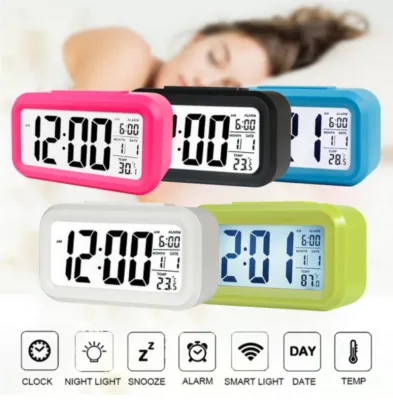
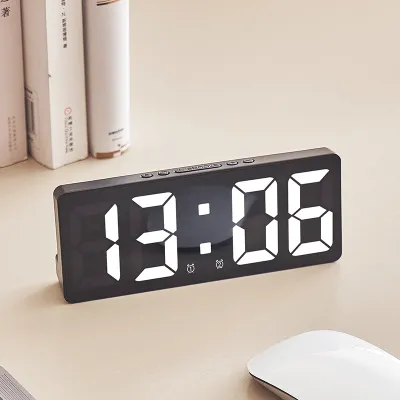
When evaluating a snooze alarm clock, display readability is a primary consideration. The screen must be legible from various angles and distances, especially if you wear corrective lenses. Digital clocks typically feature either LED or LCD screens. LED displays are self-illuminating and highly visible in the dark, but they can cast a bright glow across the bedroom if they lack adjustable dimming. LCD screens rely on ambient light or a temporary backlight, making them less disruptive at night but sometimes harder to read during the day. Look for models with stepless dimming or multiple brightness presets so you can lower the illumination to a comfortable level for sleeping.
Products mentioned in this guide
![UnihomSG [ReadyStock] Alarm Clock snooze light gradual loudness pleasant tone (Unique Function)](https://img.lazcdn.com/g/p/35b08b0b7b66eb0decc7299fd08d1c3d.png_400x400q80.png_.webp)

![[ SG seller ] silence movement Analog Alarm Clock battery operated analog alarm clock with snooze mode / no ticking sound alarm clock](https://img.lazcdn.com/g/ff/kf/Sd50ffae61d0d49aab7a18b0a82d29addR.jpg_400x400q80.jpg_.webp)
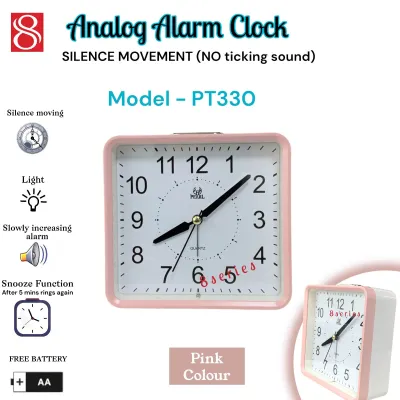
Prices are valid at publication and may change. Please refer to the product page for the latest price.
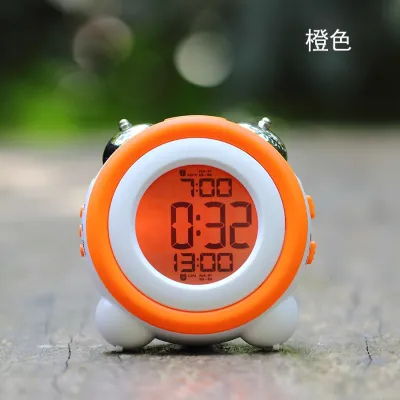
Sound options directly influence how gently or abruptly you transition from sleep to wakefulness. A clock with a single, high-volume beep can cause a sudden spike in heart rate, which is often an unpleasant way to start the morning. Many modern table clocks offer gradual wake-up alarms that begin at a low volume and slowly escalate until deactivated. Customizable ringtones, ranging from traditional mechanical bells to soft electronic melodies or nature sounds, allow you to match the alert to your sensory preferences. Volume control is equally essential, enabling you to adjust the decibel level based on how deeply you sleep.
Power source reliability ensures your alarm functions even during unexpected electrical disruptions. Mains-powered clocks that plug directly into a wall outlet provide constant power and support brighter displays, but they are vulnerable to power outages. To prevent missed alarms, choose a mains-powered unit equipped with a battery backup system. This backup, often powered by a small button cell or AAA batteries, preserves the time and alarm settings if the power cuts out. Alternatively, fully battery-operated clocks offer complete portability and eliminate cable clutter, though they require periodic battery replacements and may have dimmer displays to conserve energy.
Physical button design and tactile feedback are critical for effortless operation when you are half-awake. The snooze button should be distinct from other controls, such as the alarm-off switch or time-setting buttons. An oversized, top-mounted snooze button is highly practical because it can be located by touch alone without needing to open your eyes. Buttons that provide a clear physical click or have a textured surface help prevent accidental deactivation, ensuring you do not inadvertently turn the alarm completely off when you only intended to snooze.
Understanding Different Snooze Mechanisms
The physical design of the snooze button significantly affects how you interact with the clock in the morning. Top-mounted snooze bars are the most common design, spanning a large portion of the clock’s upper surface. This layout allows you to press the button easily with a simple downward tap of your hand. Front-facing buttons, while sometimes sleeker in appearance, often require you to hold the back of the clock with one hand while pressing the button with the other to prevent the unit from sliding backward on your nightstand.

Motion-activated or shake-to-snooze features offer a touchless alternative to traditional buttons. These clocks utilize internal sensors that detect when you wave your hand over the device or physically shake the unit to silence the alarm. While this technology eliminates the need to search for a button in the dark, it carries a higher risk of accidental activation. A simple restless movement near the clock might trigger the snooze function prematurely, or an enthusiastic shake could cause the clock to fall off a compact bedside table.
Snooze intervals dictate how much rest you get between alerts, and the flexibility of these intervals varies by model. Many traditional and basic digital clocks feature a fixed snooze duration, which is commonly set to nine minutes. More advanced digital models allow you to customize this interval, letting you program delays anywhere from five to thirty minutes. If you prefer a gradual waking process, look for progressive snooze systems that automatically shorten the interval with each consecutive press, gently encouraging you to get out of bed.
Smart, app-connected alarm clocks introduce wireless connectivity via Bluetooth or Wi-Fi, allowing you to configure alarm times, snooze durations, and display settings directly from a smartphone app. This integration makes initial setup highly convenient and allows for complex scheduling, such as different alarm times for weekdays and weekends. However, these devices introduce a level of phone dependency. If the wireless connection drops overnight, or if the companion app undergoes an automatic update, the synchronization between your phone and the clock could be temporarily disrupted, potentially affecting alarm reliability.
Matching the Clock to Your Sleep Habits and Bedroom Environment
Heavy sleepers require an alarm clock designed to break through deep sleep cycles effectively. Standard electronic beeps may not be sufficient for those who routinely sleep through alarms. For these individuals, clocks with high-decibel speakers or specialized physical alerts are highly beneficial. Some heavy-sleep models include a wired bed shaker—a small vibrating pad placed under your pillow or mattress that shakes physically when the alarm sounds. Combining loud audio alerts with physical vibration and bright, flashing LED lights provides a multi-sensory wake-up call that is difficult to ignore.
Light sleepers, conversely, need a bedroom environment free from sensory disturbances. For these individuals, a clock with a completely dark display mode is ideal, preventing ambient light from interfering with melatonin production. Sunrise simulation clocks are excellent for light sleepers, as they gradually increase light intensity over thirty to sixty minutes before the audible alarm begins, mimicking a natural dawn. This gentle light exposure helps transition the body out of deep sleep naturally, which can be paired with low-volume nature sounds like rainfall or birdsong for a peaceful waking experience.
Shared bedrooms present unique challenges when partners operate on different daily schedules. To avoid waking a partner who sleeps in, look for clocks that offer directional sound projection or integrated headphone jacks. Some modern table clocks feature dual alarm settings, allowing two distinct wake-up times to be programmed independently. Alternatively, wearable alarm options or compact under-pillow vibrating discs can alert one person silently without disturbing the other sleep environment.
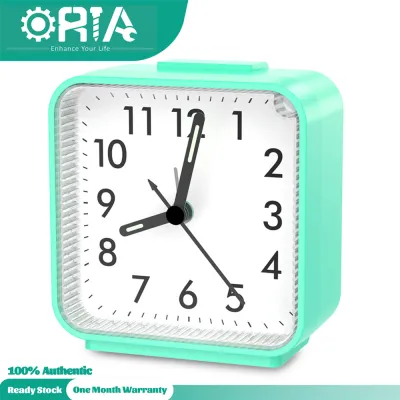
Aesthetic and spatial compatibility ensures the clock fits harmoniously within your bedroom decor and layout. Bedside tables in Singapore apartments are often compact, making a small footprint highly desirable. Consider the physical dimensions of the clock and how its style matches your room, whether you prefer a minimalist wooden analog clock or a sleek, modern digital display. Cable management is another practical factor; clocks with rear-facing cable channels or those that use thin, flexible USB power cords help keep your nightstand organized and prevent cords from becoming tangled or accidentally pulled.
Pre-Purchase Verification and Safety Checks
Before purchasing a mains-powered alarm clock in Singapore, it is essential to verify its electrical specifications and safety compliance. Singapore operates on a 230V, 50Hz electrical grid. Ensure that any clock utilizing a direct wall plug or an external AC adapter is rated for this voltage range. For safety assurance, look for products that carry the SAFETY Mark issued by Enterprise Singapore. This certification indicates that the electrical adapter and internal components have been tested and approved for safe use in local households, reducing the risk of short circuits or electrical hazards.
Reviewing the battery requirements and maintenance cycles outlined in the manufacturer’s specifications is also important. If you choose a clock with a battery backup, check whether it uses standard AA or AAA batteries, or specialized button cells like the CR2032. Note how often the manufacturer recommends replacing these batteries to ensure the backup system remains functional. For fully battery-operated models, look for estimated battery life figures; low-power LCD clocks can often run for several months on a single set of batteries, whereas bright LED models may deplete batteries much faster if not plugged into a power source.
When browsing online marketplaces, carefully evaluate the product descriptions for accurate dimensions, weight, and included accessories. Photos can sometimes make a clock appear larger or smaller than it is in reality, so checking the exact measurements ensures it will fit your bedside table. Verify what is included in the box, as some modern digital clocks ship with only a USB charging cable and do not include the actual USB wall adapter. Knowing this beforehand allows you to source a compatible, certified adapter prior to the clock’s arrival.
Finally, understand the warranty terms and return policies offered by the retailer or manufacturer. Electronic items can occasionally exhibit manufacturing defects, such as dead pixels on a digital display or a malfunctioning speaker. A local warranty of six to twelve months provides peace of mind and a straightforward path for replacement or repair. Check the return window of the ecommerce platform you are using, ensuring you have adequate time to test the clock’s alarm, snooze button, and power backup functions immediately upon delivery.
Frequently Asked Questions (FAQ)
Why is the standard snooze time often set to nine minutes?
The nine-minute snooze interval originated from the mechanical limitations of early analog alarm clocks in the mid-twentieth century. When engineers first attempted to add a snooze function to existing clock configurations, they had to interface the snooze lever with the existing gear train. Because of the physical spacing of the gears, it was mechanically impossible to set the interval to exactly ten minutes; the mechanism could only be configured for a little over nine minutes or just over ten minutes. Designers chose the shorter interval, believing that a ten-minute delay might allow sleepers to fall back into a deep sleep cycle. Modern digital clocks no longer have these mechanical constraints, but many manufacturers retain the nine-minute default as a nod to historical tradition.
Can I use a smart speaker as a reliable snooze alarm clock?
While smart speakers can function as alarm clocks, they have distinct trade-offs compared to dedicated table clocks. The primary advantage of a smart speaker is voice-controlled convenience, allowing you to snooze or disable the alarm without reaching for a physical button. However, this can make it too easy to accidentally turn off the alarm while half-asleep. Additionally, smart speakers are highly dependent on a stable internet connection and local Wi-Fi networks; if your router restarts overnight or your internet service provider experiences an outage, the alarm may fail to sound. Dedicated clocks with physical buttons and battery backups offer a higher level of standalone reliability.
How do I clean and maintain a digital alarm clock display?
To clean a digital alarm clock safely, always disconnect the power cord from the wall outlet or remove the batteries before starting. Use a dry, clean microfiber cloth to gently wipe away dust and fingerprints from the screen and casing. If the display has stubborn smudges, slightly dampen the microfiber cloth with water, ensuring it is not dripping wet. Avoid using harsh chemical solvents, glass cleaners, or alcohol-based wipes, as these substances can degrade the protective coatings on plastic screens and cause the display to become cloudy over time. Ensure the clock is completely dry before reconnecting it to a power source.

Community discussion
Share your experience or ask a question. Comments are reviewed before publication.