
Finding the right alarm clock with light depends entirely on your individual sleep depth and how easily your body transitions from slumber to wakefulness. For heavy sleepers, the ideal device must deliver high-intensity light output paired with robust, escalating audio backups to break through deep sleep cycles. Conversely, light sleepers require highly customizable, low-intensity settings, warm color spectrums, and silent operation to prevent abrupt, jarring awakenings. By matching the technical specifications of a wake-up light to your personal sleep profile, you can transform a stressful morning routine into a gradual, natural transition.
Understanding Your Sleep Depth and Light Wake-Up Needs
Sleep depth is not a uniform state, and individuals respond differently to external sensory cues during the morning hours. Heavy sleepers often experience profound sleep inertia, characterized by prolonged grogginess, a heavy reliance on multiple snooze button cycles, and a high sensory threshold for waking. Light sleepers, on the other hand, are highly sensitive to minor environmental changes, often waking up startled at the slightest sound or sudden flash of light. Understanding where you fall on this spectrum is the first step in selecting a light-based alarm that supports your natural waking process.
The core mechanism behind a light-emitting alarm clock relies on simulating a natural sunrise to assist your body’s internal clock, or circadian rhythm. As the light gradually brightens in the bedroom, it penetrates the eyelids, signaling to the brain that morning has arrived. This process encourages a gradual shift from deep sleep stages to lighter sleep, preparing the body to wake up more naturally. While this light therapy approach is designed to align with natural biological rhythms, it is not a guaranteed medical cure for sleep disorders, and individual results will vary based on lifestyle and sleep hygiene.
Products mentioned in this guide
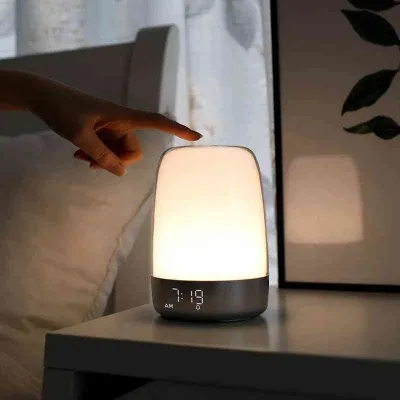
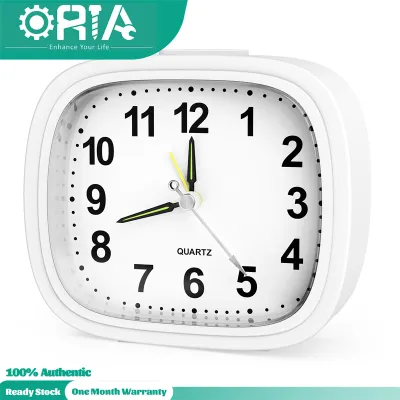
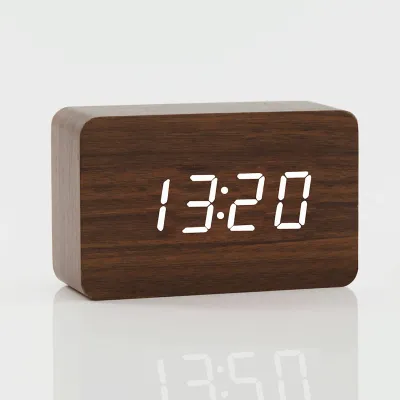
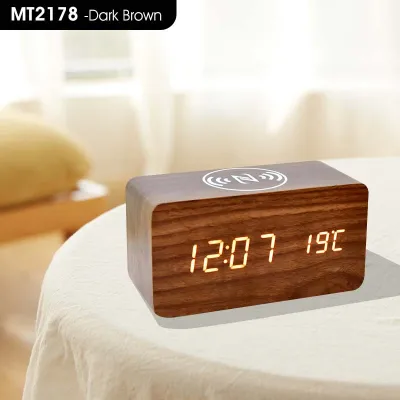
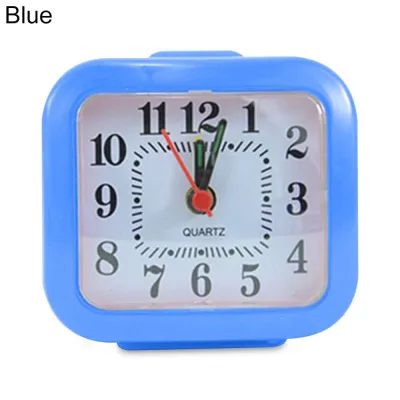
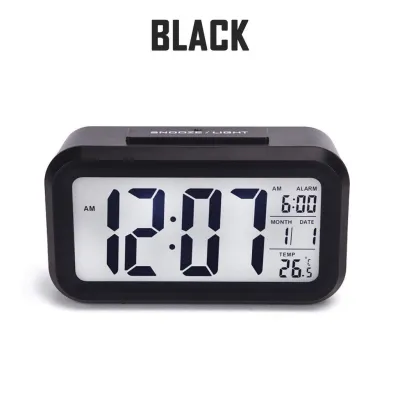
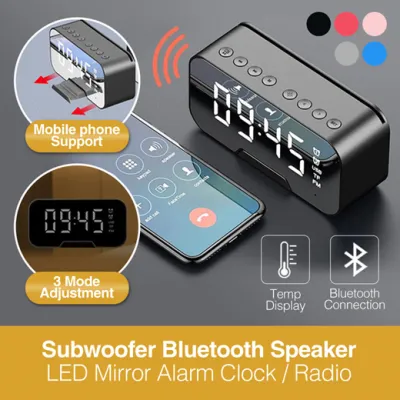
Prices are valid at publication and may change. Please refer to the product page for the latest price.
A common challenge arises in shared bedrooms or couples with mismatched sleep depths, where a single, unadjusted device can cause friction. A high-intensity light designed to rouse a heavy sleeper will almost certainly wake a light-sleeping partner prematurely, leading to frustration and disrupted rest. Conversely, a gentle, low-lux setting tailored for a light sleeper will likely fail to register for a deep sleeper, leaving them oversleeping. This divergence highlights the necessity of choosing devices with highly adjustable profiles, dual alarm settings, or directional light diffusers that can be personalized to suit individual needs without disturbing others.
Essential Features for Heavy Sleepers
For those who routinely sleep through standard alarms, a light alarm clock must serve as a powerful sensory stimulator rather than a subtle background glow. The primary specification to verify on any product sheet is the peak brightness, typically measured in lux. Heavy sleepers should look for devices that offer a high maximum output, ideally reaching up to 300 lux or more at a standard bedside distance. This intense light level is necessary to penetrate closed eyelids and stimulate the sensory pathways required to disrupt deep sleep states.

Relying solely on light is rarely sufficient for deep sleepers, making secondary sensory triggers an absolute necessity. When evaluating models, check for the inclusion of loud, escalating audio alarms that gradually increase in volume to prevent sudden panic while ensuring you do not sleep through the light cycle. Some advanced models offer physical vibration accessories, such as bed shakers that slip under the pillow, or integration with smart home systems to turn on overhead bedroom lights as a final fail-safe. These multi-sensory layers work in tandem, using light to ease you out of deep sleep and sound or vibration to complete the wake-up process.
The duration of the sunrise simulation also plays a critical role in how effectively a heavy sleeper wakes up. While a long, slow sunrise might seem appealing, a shorter simulation window of 15 to 20 minutes is often more effective for those prone to falling back asleep. A prolonged, gradual brightening phase can sometimes allow a heavy sleeper to adapt to the light without fully waking, leading to a deeper slumber under a bright light. A more compressed, rapid increase in brightness creates a more distinct contrast, making it harder for the brain to ignore the transition and helping to prevent accidental oversleeping.
Ideal Specifications for Light Sleepers
Light sleepers require an entirely different engineering approach, where subtlety, precision, and gentle transitions take precedence over raw power. When browsing product specifications, light sleepers should prioritize models that offer exceptionally low minimum brightness settings and highly customizable dimming curves. The initial phase of the sunrise simulation should begin at an barely perceptible glow, gradually shifting through warm, amber-heavy color temperatures before reaching a soft yellow. This warm spectrum mimics the natural, non-glaring tones of early dawn, preventing the sudden, jarring shock that cold white light can cause.
Auditory features must be handled with equal care to avoid triggering a startle response in sensitive individuals. The ideal light alarm for a light sleeper should feature high-quality nature sounds, such as gentle rain, soft forest birds, or flowing water, which fade in almost imperceptibly. Alternatively, many light sleepers opt for a completely silent, light-only wake option, relying entirely on the gradual illumination to bring them to conscious awareness without any sound at all. Ensure the device allows you to disable the audio backup entirely or set its maximum volume to an ultra-low threshold.
Another critical factor is the duration of the sunrise simulation and the control of ambient display light during the night. Light sleepers benefit from longer, more gradual simulation times, such as 30 to 45 minutes, which allow the body to transition at a highly leisurely pace. Furthermore, the clock’s digital time display must feature strict dimming controls or an auto-off function. Even a tiny, faint blue or white LED time display can cast an annoying glare in a dark bedroom, disrupting a light sleeper’s ability to fall asleep or causing them to wake up in the middle of the night.
Specification Checklist for Comparing Models Online
When shopping on e-commerce platforms or online marketplaces, product descriptions can often be filled with confusing marketing jargon. To help you evaluate different models objectively, it is helpful to compare key technical specifications directly against your specific sleep needs. The following matrix outlines the critical features to look for and how they align with heavy versus light sleep profiles.
Light Alarm Clock Specification Comparison Matrix
| Feature | Heavy Sleeper Priority | Light Sleeper Priority | What to Check on Product Pages |
|---|---|---|---|
| Peak Brightness (Lux) | High priority (300+ lux recommended) | Low priority (adjustable low-lux settings essential) | Look for explicit lux ratings or lumen output in the technical specifications section. |
| Color Temperature Range | Standard white/yellow is sufficient | High priority (must include warm amber/red tones) | Check for "sunset simulation" features or multi-color LED specifications. |
| Sunrise Duration | Shorter windows (15–20 mins) to prevent adaptation | Longer windows (30–45 mins) for gradual waking | Verify if the duration is adjustable or fixed in the user manual. |
| Audio Alarm Options | High volume, escalating tones, or FM radio | Low volume, natural soundscapes, or silent mode | Look for "escalating volume" or "silent alarm" options in the product description. |
| Display Dimming | Standard dimming is usually acceptable | High priority (completely off or auto-dimming display) | Check if the time display can be turned off entirely during sleep hours. |
| Secondary Triggers | Vibration pads or smart home integration recommended | Not required (can cause unnecessary sleep disruption) | Look for auxiliary ports, Bluetooth connectivity, or smart assistant compatibility. |
Because manufacturers do not always display these technical details prominently on main product pages, you may need to dig deeper to find accurate information. It is highly recommended to download the official user manual PDF or browse the customer Q&A section on the online marketplace to verify exact dimming steps, color temperatures, and lux values. Keep in mind that generic terms like “sunrise alarm” or “light alarm clock” are used widely, but the actual performance, adjustability, and build quality can vary significantly between brands.
Setup, Safety, and Electrical Checks in Singapore
Proper setup and electrical safety are paramount when integrating a new electronic device into your bedroom, particularly in Singapore’s residential environment. Many light alarm clocks sold on cross-border e-commerce platforms are imported from various regions, making it essential to verify electrical compatibility before plugging them in. Always check the power adapter label to ensure it supports Singapore’s standard voltage of 230V and a frequency of 50Hz. Additionally, verify that the device comes with or supports a standard Type G three-pin plug, and look for recognized safety certifications, such as the local Safety Mark, to ensure the adapter has been tested for electrical safety and fire prevention.
The physical placement of the alarm clock within your bedroom significantly influences both its effectiveness and your safety. To allow the sunrise simulation to work as intended, the clock should be positioned on a bedside table or shelf where the light can directly reach your face without obstruction. However, it should not be placed so close that it causes uncomfortable glare, heat buildup, or poses a risk of being knocked over in the dark. Ensure there is a safe clearance distance of at least 30 to 50 centimeters from your head, and keep the power cord neatly routed to avoid creating a tripping hazard along bedroom walkways.
Finally, consider the overall electrical load on your bedside power outlets. Bedrooms in typical HDB flats or condominiums often have limited wall sockets, leading residents to rely heavily on extension boards. Avoid overloading these multi-way adapters by plugging in high-wattage appliances alongside your light alarm clock, phone chargers, and bedside lamps. Ensure the alarm clock’s power adapter is kept in a well-ventilated area, free from heavy drapes, pillows, or bedding that could trap heat and lead to overheating.
Frequently Asked Questions (FAQ)
Can a light alarm clock replace a traditional loud alarm for deep sleepers?
While light therapy is an excellent tool for aligning your circadian rhythm and easing the transition out of deep sleep, it is rarely sufficient on its own to wake a heavy sleeper reliably. Deep sleep stages can significantly dull sensory perception, meaning a gradual light increase might be ignored entirely by the brain. For a dependable morning routine, heavy sleepers should use a light alarm clock that features a loud, escalating audio backup or a physical vibration accessory. This combination allows the light to begin the waking process gently, while the physical or auditory cue ensures you actually get out of bed on time.
Do I need a smart bulb and a smart plug instead of a dedicated light alarm clock?
Choosing between a dedicated light alarm clock and a DIY smart lighting setup depends on your preference for convenience versus customization. A dedicated sunrise alarm clock offers an all-in-one solution with localized physical controls, dedicated snooze buttons, and integrated high-quality audio speakers designed specifically for waking up. On the other hand, using a smart bulb paired with a smart plug allows you to control larger bedroom light fixtures and schedule gradual brightening routines via a home automation app. However, this DIY approach requires a stable Wi-Fi connection, lacks physical bedside controls, and does not include localized, synchronized audio alarms.
How do I clean and maintain the light diffuser on my alarm clock?
To maintain optimal light output and ensure your alarm clock continues to function safely, regular cleaning of the outer light diffuser is necessary. Always begin by unplugging the device from the wall outlet and allowing it to cool down completely, as some light sources can generate mild warmth during operation. Wipe the plastic diffuser gently using a dry, clean microfiber cloth to remove dust and fingerprints. If the surface requires deeper cleaning, use a slightly damp cloth with water only, avoiding harsh chemical solvents, alcohol, or abrasive scrubbing pads, which can permanently cloud or scratch the plastic diffuser and degrade the quality of the light.

Community discussion
Share your experience or ask a question. Comments are reviewed before publication.