
Selecting the right altar light for your Hungry Ghost Festival setup depends heavily on where you place your altar, local safety regulations, and your willingness to manage open flames. While traditional candles and oil lamps offer deep cultural authenticity, modern LED alternatives provide unmatched safety and convenience, especially for unattended or outdoor setups. Balancing these factors ensures a respectful, safe, and compliant environment for your prayers.
Assessing Your Altar Location and Safety Constraints
Evaluating the physical environment of your altar is the first step in deciding which light source to use. Indoor home altars are typically set up in living rooms, near entryways, or on dedicated shelves where ventilation can be limited. In these confined spaces, the smoke, soot, and heat generated by traditional open flames can quickly accumulate, posing respiratory discomfort and leaving residue on walls and ceilings. Furthermore, indoor setups face a higher risk of accidental tipping by pets, children, or passing household members, making open flames a significant hazard.
Outdoor public spaces, such as HDB void decks, common corridors, and designated grass patches in Singapore, present a different set of challenges. Town Councils and local property management groups enforce strict guidelines regarding where burning and prayers can take place to ensure public safety and minimize smoke nuisance to residents. Open flames in common corridors are highly restricted due to the narrow space and the proximity to neighboring units. Before setting up any outdoor altar, you must check your local Town Council bylaws regarding temporary altar placements and the use of open flames.
Products mentioned in this guide
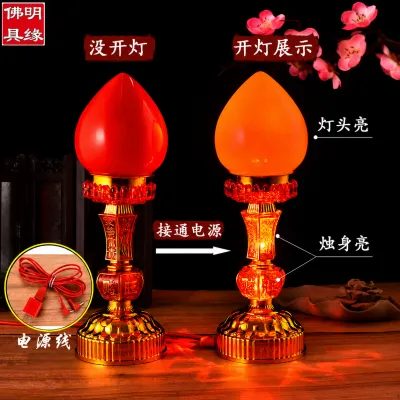
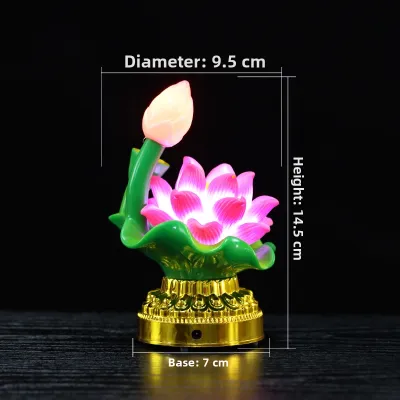
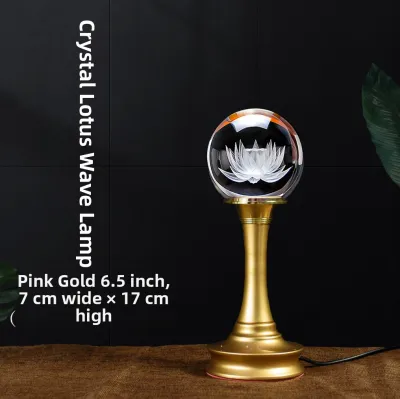
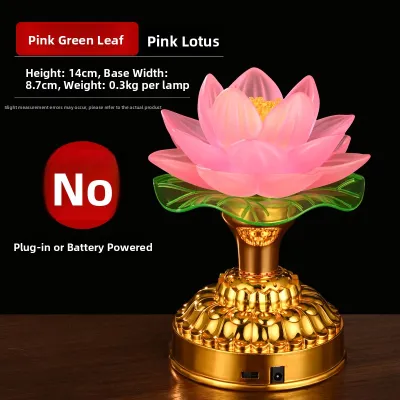
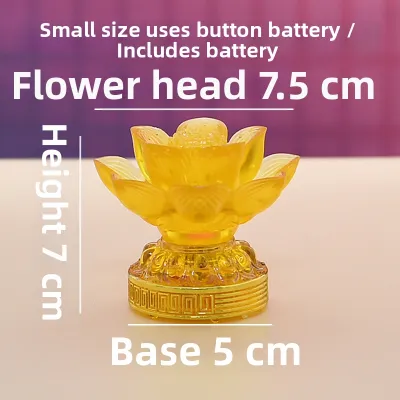
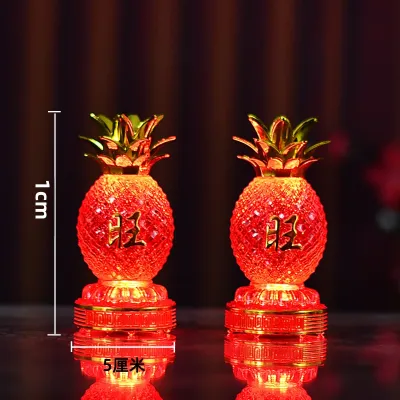
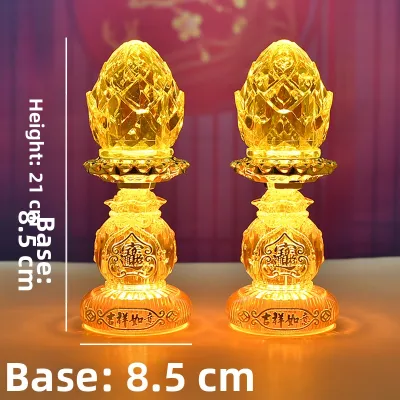
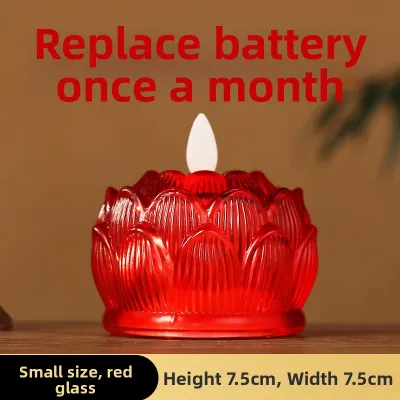
Prices are valid at publication and may change. Please refer to the product page for the latest price.
Environmental factors also play a major role in outdoor setups. Singapore’s tropical climate brings sudden wind gusts and high humidity, which can easily extinguish traditional candle flames or cause them to burn unevenly, resulting in excessive wax dripping and soot. LED lights, by contrast, are completely unaffected by wind and weather, making them highly reliable for outdoor communal tables.
Finally, you must assess the proximity of flammable materials around your altar. Hungry Ghost Festival setups naturally feature highly combustible items, including paper effigies, joss paper, incense sticks, and dry food offerings. A single stray spark or a tipped candle can quickly ignite these materials. Maintaining a safe clearance distance is critical, and in tight spaces, switching to a heat-free light source is often the safest decision.
Comparing Candles, Oil Lamps, and LED Alternatives
Traditional wax candles are the most familiar option, deeply rooted in cultural practice. They represent the light that guides spirits, offering a warm, natural flicker that many practitioners consider essential for traditional rituals. However, they burn down relatively quickly, require constant monitoring, and produce dripping wax that can damage altar cloths or stone surfaces. The open flame also presents a continuous fire risk that cannot be left unattended.

Traditional oil lamps offer a more stable and longer-lasting flame than standard wax candles. They typically feature glass chimneys that shield the flame from minor drafts, and they can be refilled with various types of lamp oil, such as paraffin or vegetable-based oils. The primary drawback is the maintenance required; you must regularly trim the cotton wicks to prevent heavy black smoke, refill the fuel safely, and clean the soot off the glass chimneys to maintain brightness.
Battery-operated and plug-in LED altar lights eliminate the risks of open flames, smoke, and heat entirely. They are highly suitable for long-term or unattended illumination, making them a popular choice for modern households. While they lack a real flame, high-quality models feature realistic flickering effects and warm color temperatures that mimic traditional lighting. When choosing LED options, buyers must verify battery runtimes, voltage compatibility for plug-in models, and electrical safety certifications to ensure safe operation.
From a practical standpoint, the choice involves balancing tradition, maintenance, and safety. Traditional candles and oil lamps require active supervision and regular cleanup but offer authentic ceremonial value. LED lights require a higher initial purchase cost but save money over time through reuse, zero fuel costs, and minimal maintenance, making them highly practical for busy households.
Matching the Right Altar Light to Your Setup Scenario
For Scenario A, which involves indoor home shrines, safety and cleanliness are the primary concerns. If you prefer traditional flames, glass-enclosed oil lamps with heavy, stable bases are a safer choice than open candles, as the glass chimney protects the flame and reduces the risk of accidental contact. Alternatively, high-fidelity LED candles that mimic the warm flicker of real flames offer peace of mind, especially if the altar is left unattended during the day or overnight while family members are asleep.
For Scenario B, which covers outdoor public areas like HDB void decks, wind resistance and public safety are paramount. Here, battery-operated or weather-resistant LED lights are highly practical. They remain lit regardless of wind conditions and eliminate the risk of starting a fire near public walkways. If plug-in LED models are used, ensure they are connected to safe, weather-protected power outlets and that all cables are secured to prevent tripping hazards.
For Scenario C, which involves temples or designated communal areas, you must adhere to the specific rules of the venue. Many temples have dedicated, well-ventilated areas specifically designed for large traditional candles or communal oil lamps. Always consult the temple administrators before bringing your own lighting setups, as they may restrict certain fuel types or sizes to manage overall smoke and fire risks within the premises.
Before purchasing your altar lighting, use this pre-purchase checklist to ensure compatibility and safety:
- For LED models, check the battery type (such as AA or AAA), estimated battery life, and whether they carry recognized electrical safety certifications (such as the Safety Mark in Singapore for plug-in adapters).
- For oil lamps, verify that the glass chimney is heat-resistant and that the base is wide and heavy enough to prevent tipping.
- For traditional candles, ensure you have stable, non-combustible holders that can fully contain dripping wax.
- For all light types, pay attention to color temperature; a warm white or amber glow (around 2700K) is generally preferred to maintain a respectful, solemn atmosphere, rather than harsh blue-white or flashing lights.
Essential Safety and Maintenance Practices for Altar Lighting
If you choose traditional candles or oil lamps, always place them on a fireproof barrier, such as a metal tray, ceramic tile, or heavy glass plate. Maintain a minimum clearance of at least one meter from any overhead structures, curtains, or paper offerings. Never leave a burning flame unattended; if you must leave the room or go to sleep, extinguish the flame completely. Keep a basic fire extinguisher or a bucket of sand nearby as a precautionary measure.
Proper handling of lamp fuel is critical for oil lamp maintenance. Always extinguish the flame and allow the lamp to cool down completely before refilling the reservoir to prevent accidental ignition of fuel vapors. Trim the cotton wick regularly to keep it short and clean, which minimizes soot production. Clean the glass chimney only when it is completely cool, using a dry microfiber cloth or mild soapy water to remove any dark residue.
To ensure the longevity of LED altar lights, inspect the battery compartment periodically for signs of white powder or corrosion, which indicates battery leakage. If you plan to store the lights until the next festival season, always remove the batteries to prevent terminal damage. Keep the outer casing and optical surfaces clean by gently dusting them with a dry cloth, avoiding harsh chemical cleaners that could cloud the plastic lenses.
Regularly inspect your lighting equipment for wear and tear to identify when to immediately cease use. Stop using any traditional oil lamp if you notice cracks in the glass chimney, leaks around the fuel reservoir, or an unstable base. For electrical or plug-in LED lights, cease use immediately if you detect frayed wires, exposed copper, overheating adapters, or a malfunctioning flickering mechanism, as these present electrical and fire hazards.
Frequently Asked Questions (FAQ)
Can I use scented candles for my Hungry Ghost Festival altar?
Scented candles are generally not recommended for traditional Hungry Ghost Festival altars. The primary reason is that the strong, artificial fragrances of modern scented candles can clash with or overpower the natural aroma of burning incense sticks and food offerings, which are central to the ritual. Traditional worship emphasizes the purity of the offerings, and unscented red or yellow candles are preferred to maintain a respectful and culturally appropriate environment.
How long should an altar light stay on during the festival?
The duration depends on the type of light and your ability to supervise it. Traditional open-flame candles and oil lamps should only remain lit while someone is actively monitoring the altar; they must be extinguished before you go to bed or leave the house. In contrast, battery-operated or plug-in LED lights can safely run continuously throughout the night, providing constant, respectful illumination for the duration of the festival without posing a fire hazard.
Are there specific colors of LED altar lights I should avoid?
Yes, you should avoid flashing, multi-colored, or highly saturated neon LED lights (such as bright green, blue, or purple) that resemble festive party decorations. These colors can detract from the solemn, respectful atmosphere of the Hungry Ghost Festival. Instead, opt for steady, non-flashing lights in traditional warm tones, such as amber, warm white, or soft red, which closely mimic the natural glow of a real flame.

Community discussion
Share your experience or ask a question. Comments are reviewed before publication.