
Selecting the ideal chowki—a raised platform or pedestal used to elevate sacred deities—is a foundational step in establishing a serene and structurally sound home altar in Singapore. While many homeowners search for specific brand names, the highly localized nature of religious decor in Singapore means that the “best” chowki is rarely defined by a commercial label. Instead, it is defined by its material integrity, load-bearing capacity, and suitability for your specific living space. Whether you are setting up a dedicated mandir in a spacious condominium or integrating a compact prayer corner within a Housing & Development Board (HDB) flat, understanding how to evaluate these physical platforms ensures your sacred idols are supported safely and elegantly. By focusing on craftsmanship, material resilience against tropical humidity, and precise spatial planning, you can source or commission a pedestal that serves your spiritual practice for generations.
Assessing Your Altar Space and Idol Dimensions
Before purchasing a chowki, you must thoroughly evaluate the physical dimensions of your prayer space. In Singapore, where residential layouts often require creative space utilization, prayer altars are frequently integrated into built-in wall niches, mounted on floating shelves, or placed inside dedicated wooden cabinets. Begin by measuring the exact footprint of the area where the chowki will sit. You must ensure there is adequate clearance on all sides, not just for the platform itself, but for the items that will surround it, such as incense holders, bell-ringing space, and offering plates. Vertical clearance is equally critical; remember that a chowki will elevate your idols, which could bring them too close to the ceiling of a shelf or within reach of hanging lamps.
Next, determine the combined weight and base dimensions of your primary worship items. Heavy brass, marble, or stone murtis exert significant downward pressure on a very concentrated area. Measure the base of your largest idol to ensure it fits entirely within the flat surface of the chowki without any overhang, which could cause the idol to tip. Additionally, factor in the weight of daily ritual accessories, such as heavy brass oil lamps (diyas), water vessels (kalash), and daily offerings. If your altar hosts multiple deities, you must decide between a single-tier chowki and a multi-tier configuration. Multi-tier pedestals are excellent for establishing a clear visual hierarchy among deities, but they require a deeper shelf footprint and robust structural support to prevent the entire assembly from becoming top-heavy.
Products mentioned in this guide
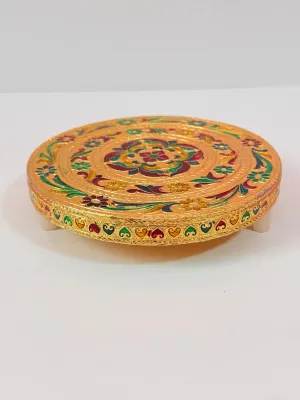
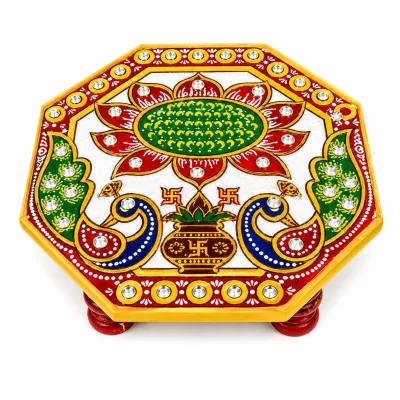
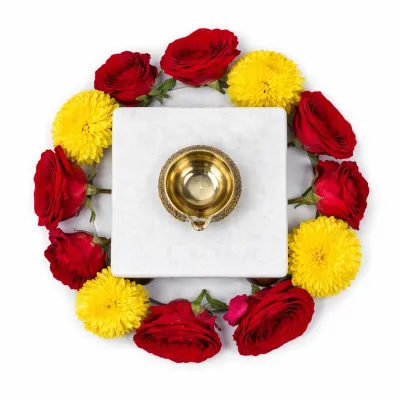
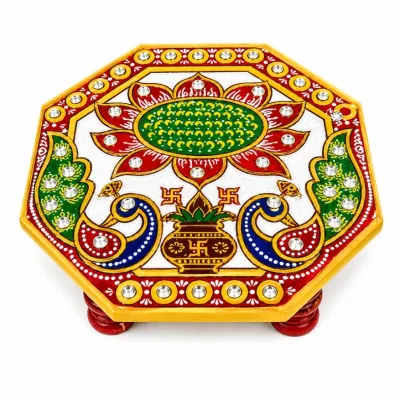
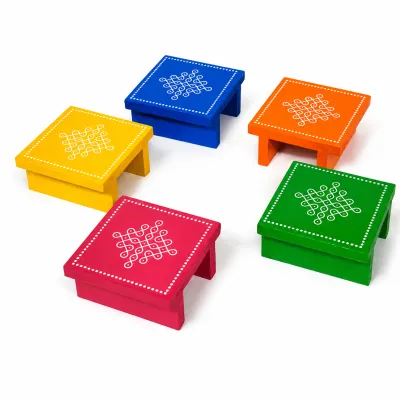
Prices are valid at publication and may change. Please refer to the product page for the latest price.
Comparing Materials for Durability and Ritual Use
The choice of material directly impacts both the longevity of your chowki and its safety during daily rituals. Solid wood remains the most traditional and sought-after option due to its natural warmth and substantial weight. Premium hardwoods like teak (sagwan), rosewood (sheesham), and jackwood are highly recommended for home altars. Teak, in particular, contains natural oils that make it exceptionally resistant to termites and the high relative humidity characteristic of Singapore’s tropical climate. Rosewood offers a dense, heavy structure that easily supports substantial stone or metal idols without bowing over time. However, solid wood requires proper sealing to prevent warping or staining when exposed to water or ritual liquids.

Engineered wood and Medium-Density Fibreboard (MDF) alternatives are widely available and offer a lightweight, budget-friendly option, often adorned with intricate laser-cut designs or brass foil overlays. While these are suitable for small, wall-mounted altars holding lightweight idols, they are highly vulnerable to moisture. In daily worship, the frequent use of water, milk, or oil can easily seep into unsealed MDF joints, causing the material to swell, warp, and lose its structural integrity. For those who perform regular abhishekam (ritual bathing) directly on the altar, solid brass or copper chowkis are far superior. Metal pedestals are completely impervious to water damage, highly durable, and carry an auspicious traditional significance, though they require regular polishing to maintain their luster in humid environments.
| Material Type | Ideal Use Case | Load-Bearing Expectation | Key Maintenance Requirements |
|---|---|---|---|
| Solid Teak Wood | Heavy brass or stone idols; humid environments; long-term daily use. | High (up to 25kg depending on thickness) | Periodic oiling or varnishing; immediate wiping of liquid spills. |
| Solid Brass | Direct ritual bathing (abhishekam); compact altars; heavy metal idols. | Very High (up to 30kg+ for solid casts) | Regular polishing with metal cleaner or traditional tamarind paste. |
| Rosewood / Sheesham | Large, permanent mandir setups; traditional carved aesthetics. | High (up to 20kg) | Keep away from direct heat; dust with a dry microfiber cloth. |
| Engineered Wood / MDF | Lightweight or temporary altars; dry worship setups; budget-conscious spaces. | Low to Moderate (maximum 5kg to 8kg) | Strictly avoid water contact; wipe immediately with a dry cloth if wet. |
Inspecting Craftsmanship and Load-Bearing Stability
When selecting a chowki, whether inspecting it in a physical boutique or evaluating detailed photos online, you must look closely at the structural craftsmanship. The joinery is the most critical factor in determining load-bearing safety. High-quality wooden chowkis utilize traditional woodworking joints, such as mortise-and-tenon or dovetail joints, which distribute weight evenly across the frame. Avoid pieces that rely solely on thin nails, staples, or hot-melt glue at the corners, as these joints can easily fail under the weight of heavy brass or stone murtis over time. For metal chowkis, inspect the underside to ensure the legs are securely welded or cast as a single piece with the top platform, leaving no weak points that could buckle.
Leg stability is paramount to prevent catastrophic tipping hazards. A stable chowki must sit perfectly flat on your altar surface without any wobble. Even a minor wobble can cause a top-heavy idol to slide or tip over during a ritual, or cause a lit oil lamp to spill hot oil. Run your hands along the surface, edges, and underside of the pedestal. The finish should be completely smooth, free of splinters, sharp metal burrs, or uneven lacquer runs. A rough underside can scratch your expensive marble or wooden altar countertop, while sharp edges on the top can damage the delicate bases of your sacred idols. Always verify the manufacturer’s stated load capacity, and if it is not explicitly listed, err on the side of caution by choosing a heavier, more robust platform than you think you need.
Sourcing Quality Chowkis and Custom Makers in Singapore
Sourcing a high-quality chowki in Singapore involves exploring both physical heritage districts and specialized online channels. To physically inspect the weight, finish, and joinery of a pedestal, visit established religious decor boutiques in Little India, particularly along Serangoon Road and Campbell Lane. These heritage shops import authentic, hand-carved wooden and cast-brass chowkis directly from traditional artisans in India. Shopping in person allows you to test the stability of the legs on a flat surface and verify that the wood species matches your requirements.
If you prefer the convenience of online marketplaces, you must exercise diligence to ensure you receive a structurally sound product. Focus on specialized spiritual decor retailers rather than generic home goods sellers. Carefully read customer reviews, paying close attention to feedback regarding weight capacity, shipping damage, and material authenticity. Always check the seller’s return policy and ensure they provide exact, unambiguous dimensions for the height, width, and depth of the platform. Avoid listings that use generic stock photos without showing the actual joinery or the underside of the chowki.
For homeowners designing a comprehensive, built-in home mandir, engaging a local custom carpenter or interior designer is often the most effective route. This approach allows you to integrate the chowki seamlessly into your home’s existing cabinetry. When working with a local carpenter, clearly communicate the weight of your heaviest idols and the nature of your daily rituals. You can request premium, water-resistant materials, such as marine-grade plywood finished with high-pressure laminates, or ask for a custom-carved solid teak insert. Ensure the carpenter installs heavy-duty support brackets if the altar is wall-suspended, guaranteeing a safe and beautiful space for your daily prayers.
Protecting and Maintaining Your Chowki During Daily Puja
Preserving the structural integrity and aesthetic beauty of your chowki requires proactive protection against the elements of daily worship. Rituals frequently involve substances that can damage wood and metal, such as water, milk, honey, ghee, sesame oil, and hot ash from incense. To protect wooden surfaces from permanent staining and moisture ingress, always place a protective barrier between the chowki and your ritual items. A removable brass, copper, or stainless steel tray (puja thali) is highly effective for catching drips. Alternatively, you can have a piece of clear tempered glass or a heat-resistant silicone mat cut to the exact dimensions of the chowki’s top surface.
Cleaning routines should be tailored strictly to the material of your pedestal. For wooden chowkis, avoid harsh chemical household sprays, which can strip away protective varnishes and dry out the wood. Instead, use a soft, slightly damp microfiber cloth to wipe away dust and ash, followed immediately by a dry cloth to prevent moisture from lingering. For brass or copper chowkis, regular polishing with specialized metal cleaners or a traditional paste of tamarind and salt will remove oxidation and restore shine. Always dry metal pieces thoroughly after cleaning to prevent water spots and corrosion.
Finally, establish a habit of regularly monitoring your chowki’s physical condition. In Singapore’s warm and humid climate, wood is susceptible to warping, joint loosening, and pest infestations such as termites. Periodically check the legs for any signs of wobbling or structural shifting. If you notice fine wood dust beneath a wooden chowki, or if the joints begin to separate, immediately remove your idols and suspend use. Seek professional repair or replace the platform entirely to ensure your sacred space remains safe, secure, and respectful.
Frequently Asked Questions (FAQ)
Can I place a chowki directly on the floor, or must it be elevated? (FAQ)
While placing a chowki directly on the floor is acceptable during temporary festivals, large-scale homams (fire rituals), or community prayers, daily worship idols should ideally be elevated. Elevating the chowki on a dedicated altar table, shelf, or console keeps the deities at or above chest level when you are seated or standing. This elevation is a matter of traditional respect, ensuring the sacred items are kept away from floor-level dust, pet activity, and accidental kicks, thereby maintaining the ritual purity of your prayer space.
How do I protect a wooden chowki from oil and water stains during daily rituals? (FAQ)
To protect a wooden chowki from oil and water stains, place a clear, custom-cut tempered glass top or a heat-resistant silicone mat over the wooden surface. This barrier shields the wood from hot ghee, oil spills, and moisture while keeping the wood’s natural grain visible. Alternatively, you can place your idols and oil lamps inside a wide brass or stainless steel tray that sits on top of the chowki, which effectively catches all ritual run-off and makes cleanup simple.
What is the appropriate height for a chowki used in home worship? (FAQ)
The appropriate height for a chowki depends on your primary worship posture. If you sit on the floor on a prayer mat (asana) during puja, a low chowki with a height of 5cm to 10cm is ideal, as it keeps the deities at a comfortable eye level. If you stand or sit on a chair, the chowki should be placed on an elevated console or shelf so that the base of the idols remains at or above your chest level, ensuring a respectful and ergonomic line of sight.

Community discussion
Share your experience or ask a question. Comments are reviewed before publication.