
Choosing the ideal diffuser for lemongrass essential oil depends on your specific priorities, such as whether you want a highly concentrated aroma, a long-lasting subtle scent, or a completely silent device. Lemongrass essential oil possesses a vibrant, citrusy, and herbaceous profile that can easily dominate a room or, if diffused incorrectly, lose its bright characteristics. Because different diffuser technologies rely on distinct methods—such as ultrasonic vibrations, high-pressure air, or gentle heat—each interacts uniquely with the oil’s volatile compounds. Understanding these mechanisms allows you to choose a setup that matches your living space, whether you are looking to freshen a large open-plan living area or create a calming personal workspace.
How Each Diffuser Technology Affects Lemongrass Oil
To get the most out of your lemongrass essential oil, it helps to understand how different devices disperse its aromatic molecules into the air. The three primary technologies—ultrasonic, nebulizing, and thermal—rely on distinct physical processes to release the scent. These processes dictate how quickly the oil is consumed, how far the aroma travels, and whether the oil’s chemical structure remains fully intact during dispersion.
Ultrasonic Diffusers (Water-Based Dispersion)
Ultrasonic diffusers utilize a small, vibrating ceramic disc at the base of a water tank to create high-frequency sound waves. These vibrations break down a mixture of water and essential oil into an extremely fine, cool mist that is then fan-forced into the room. Because the lemongrass oil is suspended in water, the initial scent throw is diluted, resulting in a lighter, more subtle aroma that unfolds gradually over several hours.
Products mentioned in this guide
![[Ideal Gift]SHIORA Aromatherapy Series Home Scent Reed Diffuser | 50/100ml/200ml | Essential Oil | Room Perfume | Cedarwood Citronella Lavender Lemongrass Sandalwood Peppermint](https://img.lazcdn.com/g/p/1a642e36894f4469e11652ce3c852217.png_400x400q80.png_.webp)
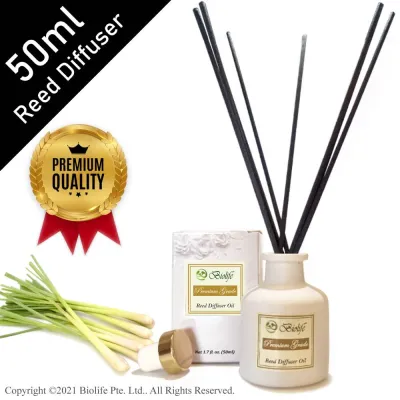

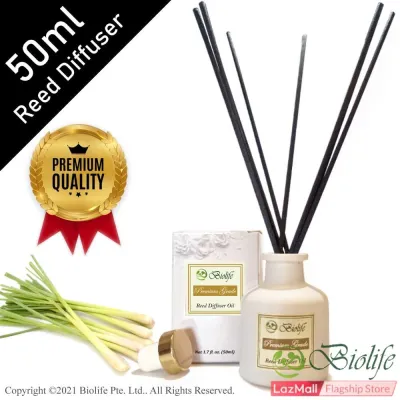
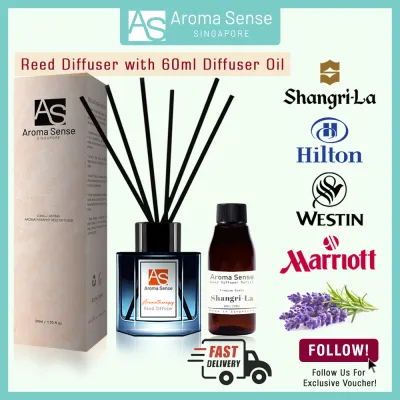



Prices are valid at publication and may change. Please refer to the product page for the latest price.
This water-based method is highly beneficial if you live in a warm climate and frequently run air conditioning, which can dry out indoor air. The cool mist adds a gentle touch of moisture to your immediate surroundings, making the environment feel more comfortable. However, because water is the primary medium, these devices require regular cleaning to prevent mineral buildup and mold growth in the reservoir. Lemongrass oil’s natural residue can cling to the ultrasonic plate, so routine maintenance is essential to keep the transducer vibrating at its optimal frequency.
Nebulizing Diffusers (Pure Oil Atomization)
Nebulizing diffusers operate without water or heat, relying instead on pressurized air to force pure essential oil through a narrow tube. This process, based on Bernoulli’s principle, atomizes the lemongrass oil into a microscopic dry mist of pure, undiluted droplets that disperse rapidly throughout the space. Because there is no water to dilute the oil, a nebulizer delivers the most potent and true-to-nature scent throw possible, making it highly effective for neutralizing strong household odors.
While the scent intensity is unmatched, this pure atomization process consumes essential oil at a much faster rate than other methods. You will find yourself replacing your lemongrass oil bottles more frequently, which increases the long-term cost of operation. Additionally, the internal air pump required to generate high pressure can produce a noticeable humming or buzzing sound, and the delicate glass tubes inside the nebulizer require careful cleaning with high-proof alcohol to prevent clogs.
Heat Diffusers (Thermal Evaporation)
Heat diffusers utilize a gentle thermal element, such as a low-wattage electric heater or a simple tea light candle, to warm the essential oil and encourage natural evaporation. This method is completely silent, as it does not rely on vibrating discs, fans, or motorized air pumps, making it an excellent choice for quiet study desks or bedside tables. The lack of moving parts also means these devices require very little maintenance beyond wiping down the oil tray.
However, applying heat to lemongrass essential oil comes with distinct trade-offs regarding scent quality and therapeutic integrity. High temperatures can alter the delicate chemical profile of the oil, potentially breaking down the volatile compounds that give lemongrass its characteristic crisp, uplifting aroma. Furthermore, because thermal evaporation relies on passive airflow, the scent throw is highly localized, making heat diffusers unsuitable for larger rooms or open-concept living spaces.
Key Comparison Factors for Your Space and Needs
When deciding on a diffuser for your lemongrass oil, evaluating how each technology fits into your daily routine and physical environment is crucial. A large, open-plan living room requires a device with a wide scent throw, whereas a compact bedroom or home office benefits from a more controlled, localized output. You must also weigh how much time you are willing to spend on routine maintenance against how quickly you are prepared to go through your oil collection.

The table below summarizes the key operational differences between the three main diffuser types to help you visualize which technology aligns with your lifestyle.
| Comparison Factor | Ultrasonic Diffusers | Nebulizing Diffusers | Heat Diffusers |
|---|---|---|---|
| Scent Intensity | Mild to moderate | Very strong and pure | Mild and localized |
| Coverage Area | Medium rooms | Large, open spaces | Small, personal spaces |
| Oil Consumption | Low (diluted in water) | High (undiluted oil) | Moderate |
| Noise Level | Low (gentle water trickling) | Moderate (pump hum) | Completely silent |
| Maintenance | Frequent water tank wipes | Occasional alcohol rinses | Minimal tray wiping |
| Humidification | Yes (cool mist) | No | No |
By comparing these factors, you can see that each device serves a distinct purpose. For instance, if you want to fill a spacious entryway with the bright, welcoming scent of lemongrass, a nebulizer is the most capable tool. Conversely, if you prefer a background aroma that lingers quietly throughout a long afternoon of remote work, an ultrasonic model is far more practical.
Decision Framework: Which Lemongrass Diffuser Should You Choose?
To make your final decision, align your primary goals with the strengths of each technology. If your main priority is to enjoy a subtle, long-lasting aroma while adding a touch of moisture to an air-conditioned room, choose an ultrasonic diffuser. This option is highly economical with your lemongrass oil, allowing a few drops to provide a steady, pleasant scent for several hours.
If you demand the most intense, authentic lemongrass fragrance to quickly mask odors or fill a large, high-ceilinged room, choose a nebulizing diffuser. Be prepared for the higher oil consumption and the soft mechanical hum of the pump, which are the trade-offs for achieving professional-grade scent dispersion.
If you require absolute silence for sleeping or deep concentration, and you only need to scent a very small, immediate personal zone, choose a heat diffuser. This option is incredibly low-maintenance and budget-friendly, though you should accept that the heat may slightly alter the oil’s natural aromatic nuances.
Before purchasing any device, always verify the manufacturer’s specifications regarding material compatibility. Lemongrass oil contains high levels of citral, which can be corrosive to certain low-grade plastics over time. Ensure the diffuser’s water tank or internal seals are made from medical-grade plastics or glass designed to withstand exposure to pure essential oils.
Safe Usage and Maintenance for Lemongrass Essential Oil
Operating your diffuser safely and maintaining it regularly ensures both the longevity of your device and a pleasant aromatic experience. Because lemongrass oil is relatively viscous and contains strong natural compounds, it can leave behind a sticky residue if left sitting in a reservoir. Always consult your device’s instruction manual for specific cleaning guidelines and maximum fill lines to prevent water from entering the internal electronics.
For ultrasonic models, empty the water tank after every few uses and wipe it down with a soft microfiber cloth and a mild dish soap or white vinegar solution. For nebulizers, running a small amount of high-proof rubbing alcohol through the glass reservoir once a week will dissolve any stubborn oil buildup and keep the micro-nozzles clear. If you use a heat diffuser, simply wipe the cooling tray with a damp cloth after the device has completely cooled down to prevent old oil from baking onto the surface.
Safety should always be your top priority when diffusing any strong essential oil. Ensure the room has adequate ventilation so the scent does not become overwhelming, especially in smaller apartments. Keep all diffusing equipment on stable, level surfaces out of the reach of children and pets, and monitor nearby wooden furniture or delicate fabrics to ensure that settling mist does not cause moisture damage or oil staining.
Frequently Asked Questions (FAQ)
Can lemongrass essential oil clog my diffuser?
Yes, lemongrass essential oil can clog your diffuser if the device is not cleaned regularly or if you use low-quality oils. Pure, high-quality essential oils are volatile and evaporate cleanly, but synthetic fragrance oils or essential oils cut with heavy carrier oils (like jojoba or coconut oil) leave behind a thick residue. This residue can quickly coat the vibrating plate of an ultrasonic diffuser or block the microscopic glass tubes of a nebulizer. To prevent clogs, always verify the purity of your lemongrass oil and perform a quick cleaning cycle using white vinegar or rubbing alcohol according to your manufacturer’s instructions.
Is it safe to diffuse lemongrass oil around pets?
You should always exercise caution and consult a qualified veterinarian before diffusing lemongrass essential oil in a home with pets. Dogs and cats have highly sensitive respiratory systems and livers that process airborne compounds differently than humans. If you do choose to diffuse lemongrass oil, ensure the device is placed in a well-ventilated room and always leave the door open so your pets can freely exit the space if the scent becomes too intense. Monitor your animals closely for any signs of discomfort, such as coughing, sneezing, watery eyes, or lethargy, and discontinue use immediately if you notice any changes in their behavior.

Community discussion
Share your experience or ask a question. Comments are reviewed before publication.