
Choosing the ideal diya for your daily home worship involves balancing spiritual tradition, aesthetic preferences, and practical maintenance. The right lamp not only enhances the peaceful ambiance of your prayer space but also ensures a safe and consistent flame throughout your daily rituals. While brass remains the most popular and durable choice for a permanent altar setup, clay and silver-plated options offer unique benefits depending on your specific routine, available space, and willingness to perform regular upkeep. By understanding how different materials, wick configurations, and sizes interact, you can select a diya that seamlessly integrates into your daily devotion.
Comparing Diya Materials for Daily Rituals
Selecting the material of your daily diya is the first step in establishing a sustainable worship routine. Each material carries its own maintenance demands, aesthetic qualities, and physical characteristics that affect how it handles heat and oil over time.
Solid brass and bronze are the traditional standards for home altars due to their exceptional durability and classic golden appearance. Brass diyas are heavy enough to resist accidental tipping, making them a highly stable and safe option for daily use. They retain heat well and can withstand years of daily lighting without structural degradation. However, brass naturally reacts with oxygen, moisture, and oil, leading to tarnish and dark spots over time. To maintain their bright, reflective finish, you must commit to regular polishing using specialized metal cleaners or traditional mixtures of tamarind paste, lemon, and baking soda. Bronze offers a deeper, more antique aesthetic and similar durability, but it requires the same level of consistent cleaning to prevent corrosion.
Products mentioned in this guide
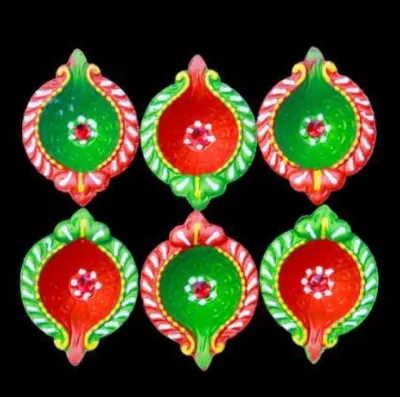
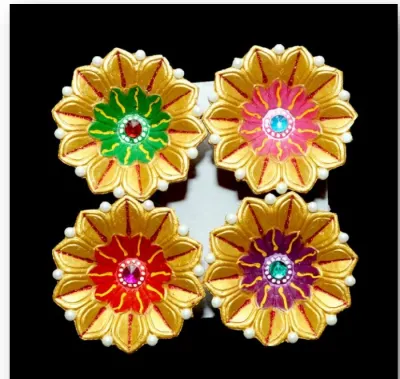
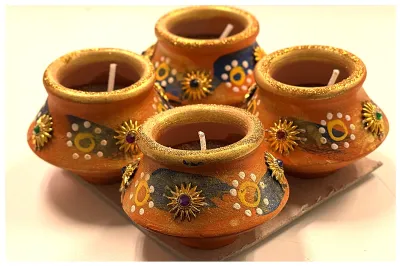
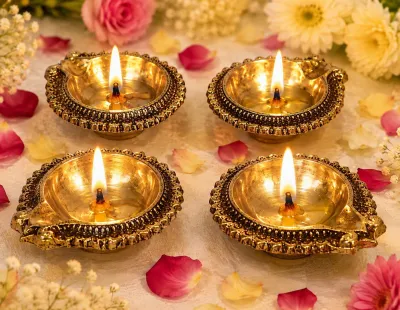
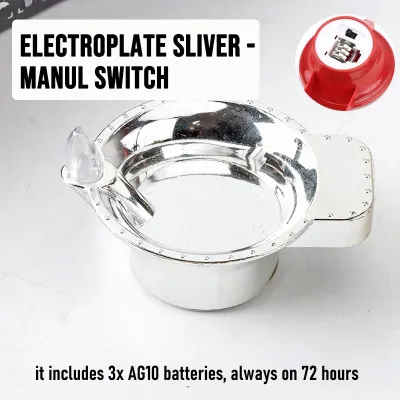
Prices are valid at publication and may change. Please refer to the product page for the latest price.
Terracotta and clay diyas offer an authentic, earthy connection to traditional rituals. Earthen lamps are highly favored for specific spiritual observances, festivals, or daily prayers where a fresh, unused vessel is preferred. However, unglazed clay is highly porous by nature. When filled with oil or ghee, the liquid slowly seeps through the clay walls, which can leave stubborn stains on your altar surface and increase the risk of a fire if the oil reaches an open flame. While you can find sealed or painted clay diyas that resist absorption, you must verify that the paints used are heat-resistant and non-toxic. For daily use, clay diyas are often treated as temporary or single-use items, requiring a steady supply of replacements.
Silver-plated and alloy alternatives provide a bright, premium look that beautifully reflects the flame’s light. Pure silver diyas are highly valued but are relatively soft and can warp under the intense heat of a sustained flame. Silver-plated options offer the look of silver at a lower weight and cost, but the thin plating can wear away over time with frequent scrubbing. Modern alloys, such as German silver or nickel-brass, provide excellent heat resistance and durability while mimicking the bright appearance of silver. When choosing an alloy diya, always verify the base metal composition to ensure it will not release harmful fumes or discolor permanently when exposed to direct heat.
Choosing the Right Wick and Fuel Configuration
The way you configure your diya’s wick and fuel determines how long the flame will burn and how much attention it requires during your prayers. Matching your fuel choice with the correct wick type ensures a clean, steady burn without excessive smoke or soot.

Single-wick and multi-wick setups serve different practical and symbolic purposes on a home altar. A single-wick diya is the most practical choice for daily worship, producing a calm, focused flame that is easy to monitor and extinguish. It consumes fuel slowly, making it ideal for standard morning or evening prayers. Multi-wick diyas, such as those with five wicks (panchmukhi), are traditionally lit during special occasions, weekly elaborate prayers, or festive gatherings. These designs produce a much larger volume of light and heat, but they also consume oil or ghee rapidly and require a larger clearance space to prevent overheating nearby objects.
The thickness and material of your wick must match your chosen fuel. Cotton wicks are the universal standard, available as hand-rolled long wicks or pre-formed round wicks with a flat base. Thick cotton wicks are best suited for heavier vegetable oils, such as sesame (gingelly) or mustard oil, as they draw the dense liquid steadily to sustain the flame. Thin cotton wicks are ideal for clarified butter (ghee), which melts quickly under the heat of the flame and flows easily. Floating wicks, which are suspended on a small metal or cork disc on top of the oil, are excellent for preventing the wick from sinking into the reservoir, but they require a wide-mouthed diya bowl to float freely without touching the edges.
Estimating the burn time of your diya is essential if you prefer the flame to last throughout your prayer session or for a specific duration. The burn time is directly influenced by the depth of the oil bowl, the thickness of the wick, and exposure to drafts. A shallow, decorative diya may only hold enough fuel to burn for 15 to 20 minutes, which is perfect for a quick morning ritual. If you want the lamp to burn for several hours, look for a deep-set bowl that holds at least 30 to 50 milliliters of fuel. Additionally, keep the diya away from open windows, ceiling fans, or air conditioning vents, as drafts cause the flame to flicker wildly, consume fuel at an accelerated rate, and produce heavy black soot.
Sizing and Placement for Your Prayer Altar
Proper sizing and placement of your diya are critical for maintaining a safe, organized, and visually balanced prayer space. A diya that is too large can crowd your altar, while one that is too small may not provide the desired presence or burn time.
Before selecting a diya, measure the physical dimensions of your altar shelf or mandir cabinet. For compact, wall-mounted altars commonly found in modern apartments, a small diya with a diameter of 5 to 8 centimeters is usually the most practical choice. It fits easily alongside other ritual items without cluttering the space. If you have a large, dedicated prayer room with a spacious altar table, you can opt for taller pedestal diyas or multi-tiered designs that stand as prominent focal points. Always ensure there is enough flat surface area to place the diya securely without any risk of it being knocked over during daily activities.
Sustained heat from an open flame can damage surrounding materials, making clearance calculations a vital safety step. Ensure there is at least 30 to 50 centimeters of vertical clearance above the tip of the flame, especially if your altar is made of wood, laminate, or features hanging fabric drapes and paper decorations. Painted walls or wooden back panels behind the altar can discolor, blister, or even ignite from continuous heat exposure. To prevent this, position the diya at least 10 to 15 centimeters away from any vertical surfaces, and never place a lit lamp directly under low-hanging shelves or cabinets.
The weight and base stability of the diya are key factors in preventing accidental spills and fire hazards. Solid brass, bronze, or stone diyas are inherently heavy and offer excellent stability, making them highly resistant to tipping if the altar is accidentally bumped. If you prefer tall pedestal diyas, look for designs with a wide, flared base that lowers the center of gravity. For lightweight clay or thin metal diyas, consider placing them on a dedicated stone or ceramic tile, or use a small dab of reusable adhesive putty on the bottom to secure them firmly to the altar surface.
Creating Your Conditional Diya Shortlist
To find the perfect diya for your home, it helps to create a shortlist based on your daily habits, maintenance willingness, and the physical constraints of your prayer space. This structured approach ensures you select a lamp that fits your lifestyle perfectly.
For low-maintenance daily routines, look for a medium-sized brass diya that features a built-in drip-catching plate or a wide, flared base. This design prevents oil from spilling onto your altar and simplifies the daily cleanup process. Pairing this with a deep oil reservoir and a floating wick allows you to enjoy a long-burning, steady flame with minimal adjustment or monitoring, making it ideal for busy mornings.
For traditional or festive-focused worship, keep a dual-setup strategy. Use small, unglazed clay diyas for daily prayers or specific planetary observances where a fresh, natural vessel is spiritually preferred, discarding or recycling them after a single use. For weekends, festivals, or family gatherings, keep a larger, multi-wick brass diya as a centerpiece to create a more vibrant and celebratory atmosphere on your altar.
For space-constrained altars, prioritize compact, single-wick brass or silver-plated designs with a minimal footprint. These miniature diyas produce a small, highly controlled flame that generates very little heat, allowing you to place them safely in tight spaces. Look for designs with a deep but narrow bowl to maximize burn time without increasing the overall width of the lamp.
When browsing online marketplaces or local stores, use this verification checklist to ensure product quality:
- Confirm if the product is solid brass or bronze rather than a painted alloy, as painted finishes can peel, discolor, or release fumes under direct flame.
- Check the product description for exact dimensions, including height and bowl diameter, to ensure it fits your altar clearances.
- Inspect the base of the diya in product photos to ensure it is perfectly flat and wobble-free.
- Verify that the wick holder or slot is smooth and free of sharp metal burrs that could cut or snag your cotton wicks.
Daily Maintenance and Altar Safety Practices
Maintaining your diya properly not only extends its lifespan but also ensures your daily worship remains safe and hygienic. Regular cleaning prevents the buildup of flammable residues and keeps your altar looking pristine.
Over time, diyas accumulate black carbon soot and sticky, oxidized oil or ghee residue. To clean brass, copper, or silver-plated diyas, soak them in warm water mixed with a mild dish soap to loosen the grease, then scrub gently with a soft sponge. Avoid using abrasive steel wool or harsh scrubbing pads, as these will scratch and dull the polished finish. For stubborn soot or tarnish on brass, apply a paste of baking soda and lemon juice, let it sit for a few minutes, and rinse thoroughly. For clay diyas, avoid using dish soap entirely, as the porous clay will absorb the chemical scent and release it when heated; instead, boil the clay lamps in plain water to release trapped oils and soot.
Safe handling of fuel and flames is essential to prevent accidents on your altar. Never attempt to move a lit diya or one that contains hot, liquid oil or ghee, as spills can cause severe burns or ignite nearby materials. If you need to extinguish the flame, use a small metal snuffer or gently fan it with your hand; never blow on the flame directly, as this can blow hot oil out of the bowl. Most importantly, never pour water onto a burning or hot oil diya, as this will cause a violent steam explosion, splattering burning oil across your altar and skin.
Regularly inspect your diyas for signs of wear that indicate they need to be replaced. Clay diyas should be checked for micro-cracks, which can cause oil to seep out slowly and pool on your altar, creating a hidden fire hazard. For metal diyas, check for structural issues such as loose pedestal joints, a warped base, or deep corrosion that has thinned the metal. If a diya wobbles, leaks, or shows significant structural wear, retire it immediately and replace it to maintain a safe worship environment.
Frequently Asked Questions (FAQ)
Can I use the same diya for both ghee and oil?
Yes, you can use the same metal diya for both ghee and oil, but you must clean it thoroughly between uses. Ghee and vegetable oils have different burning temperatures, densities, and scents; mixing them can lead to uneven burning, excess soot, or unpleasant odors. For porous clay diyas, it is highly recommended to dedicate separate lamps for ghee and oil, as the clay permanently absorbs the fats and aromas of the fuel, making complete cleaning impossible.
How do I prevent a diya from leaving oil stains on my altar?
To protect your altar surface from oil stains, always place your diya on a dedicated drip tray, a small ceramic tile, or a metal coaster. Avoid overfilling the oil bowl, as the wick can draw up too much fuel and cause it to drip over the edges. Additionally, always wipe the bottom and outer sides of the diya with a clean cloth or paper towel before lighting it to remove any residual oil film.
Is it necessary to light a diya every single day?
While lighting a diya daily is a traditional practice that symbolizes the removal of darkness and the welcoming of positive energy, it can be adapted to suit your lifestyle. If you have a busy schedule, travel frequently, or cannot supervise an open flame, you can light the diya only during your active prayer times and extinguish it safely afterward. Alternatively, you can use a high-quality, certified LED tea light as a safe, symbolic option when you are away from home or unable to monitor a traditional flame.

Community discussion
Share your experience or ask a question. Comments are reviewed before publication.