
When a sudden power outage occurs in a high-rise Housing & Development Board (HDB) flat, navigating the compact layout in pitch darkness can be challenging. Unlike landed properties, HDB flats feature specific structural elements like household shelters, concrete walls, and centralized electrical distribution boards (DB boxes) that require targeted illumination to access safely. Having a reliable emergency torch light is not just about finding your way; it is about ensuring you can quickly locate your DB box, check for tripped circuit breakers, and move through tight corridors without tripping over household items.
To choose the right emergency lighting for your flat, you must balance brightness, battery reliability, and hands-free functionality. A single, high-powered flashlight is rarely sufficient for an entire household. Instead, building a condition-based shortlist of different torch light types tailored to specific areas of your home ensures that you are prepared for any blackout scenario. By evaluating key technical specifications and matching them to your flat’s layout, you can create a practical and dependable emergency lighting setup.
Key Features to Evaluate for HDB Emergency Lighting
When evaluating a torch light for emergency use in an HDB flat, brightness is one of the first specifications to consider. While it is tempting to choose the brightest light available, excessively high lumens can actually be counterproductive in a compact indoor environment. A beam that is too bright will reflect off light-colored walls, glossy floor tiles, and mirrors, causing a blinding glare that temporarily impairs your vision. For general indoor navigation and tasks, a torch light offering between 100 and 300 lumens is typically ideal, providing sufficient illumination without overwhelming your eyes.
Products mentioned in this guide
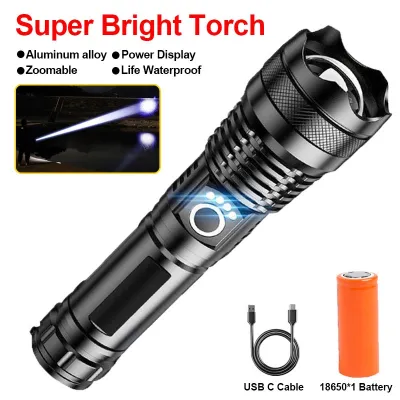
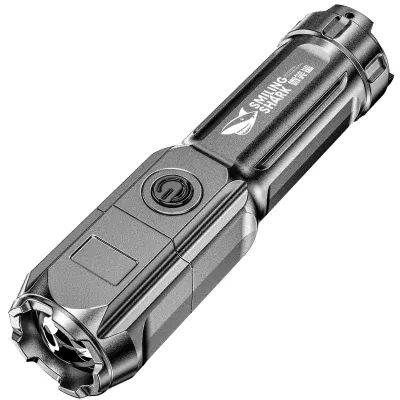
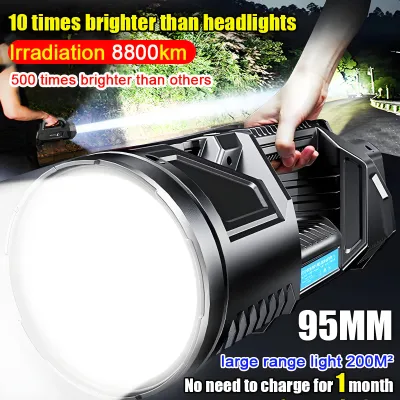
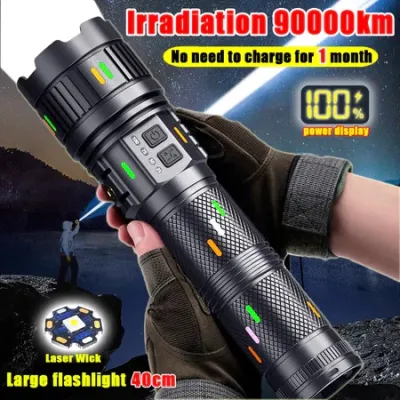
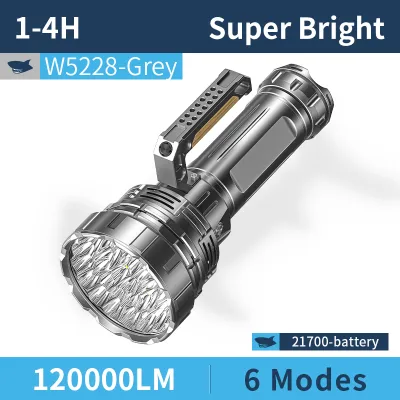
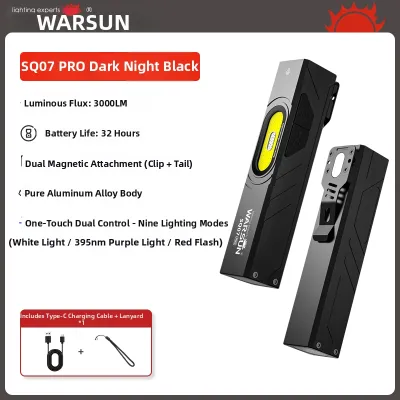
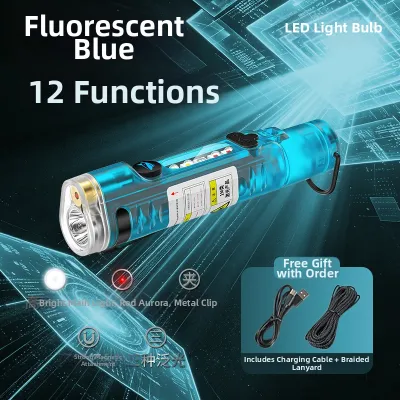
Prices are valid at publication and may change. Please refer to the product page for the latest price.
The beam pattern is equally important for indoor usability. A wide flood beam is excellent for illuminating an entire room, such as a living area or bedroom, by bouncing the light off the ceiling to create soft, ambient illumination. Conversely, a focused spot beam is necessary for pinpointing specific objects at a distance, such as inspecting the individual switches inside your DB box or looking down a long common corridor. Many modern torch lights feature adjustable bezels or multiple LED emitters that allow you to switch between flood and spot patterns as needed.
Having access to multiple light modes is another crucial feature for emergency preparedness. A low-lumen “eco” mode (typically under 5 lumens) is invaluable for navigating your flat late at night without waking up sleeping family members or draining the battery rapidly. Additionally, some torch lights include a red-light mode, which helps preserve your natural night vision and is less disruptive to others. For emergency signaling, a strobe or SOS mode can be useful, though it is less critical for indoor HDB use than steady, adjustable light levels.
Physical design and hands-free capabilities are vital when you need to perform tasks during a power failure. If you are trying to reset a tripped circuit breaker or locate emergency supplies in a utility closet, holding a flashlight in one hand severely limits your mobility. Look for torch lights equipped with magnetic bases, which allow you to attach the light securely to metal surfaces like the DB box door, the refrigerator, or metal shelving units. Built-in hooks, pocket clips, and compatibility with headbands are also excellent features that facilitate hands-free operation.
Finally, consider the build quality and materials of the torch light. Anodized aluminum bodies offer excellent durability and impact resistance, ensuring the light survives accidental drops onto hard terrazzo or vinyl flooring. If you opt for plastic models, ensure they are made from high-impact ABS plastic. It is also wise to check the water resistance rating, typically denoted by an IP (Ingress Protection) code. An IPX4 rating is generally sufficient for indoor emergency use, protecting the light from occasional splashes or high humidity in areas like the service yard or kitchen.
Matching Torch Light Types to Your HDB Layout
To build an effective emergency lighting plan, you should match specific torch light form factors to the unique environments within your HDB flat. The requirements for a bedside light are vastly different from those needed in a kitchen or utility area, and understanding these differences helps you place the right tool in the right location.

For bedside and bedroom use, the primary goal is immediate accessibility and low-intensity illumination. A compact, lightweight torch light that fits easily into a bedside drawer or mounts onto a headboard is ideal. This light should feature an intuitive interface that allows you to turn it on directly into its lowest lumen setting, preventing sudden, blinding glare in a dark room. Glow-in-the-dark elements on the flashlight body or a small, low-power locator LED can also help you find the light quickly in complete darkness without fumbling.
In the kitchen and utility areas, the environment demands more robust and versatile lighting. These spaces often contain potential hazards such as sharp utensils, hot surfaces, and water sources, making hands-free operation a safety priority. A medium-sized torch light with a strong magnetic base is highly recommended for these zones. You can easily stick it to the side of the refrigerator or a metal utility rack to illuminate countertops while preparing food or gathering supplies. Ensure any light kept in these areas has basic water resistance to withstand steam and accidental splashes.
The electrical distribution board (DB box) is another critical area that requires dedicated lighting. Typically located near the entryway or inside the household shelter, the DB box is your first stop during a power outage to check if a residual current device (RCD) has tripped. Keeping a small, dedicated magnetic torch light or a headlamp directly inside or mounted next to the DB box ensures you can inspect the switches safely with both hands free. This eliminates the risk of dropping a loose flashlight while reaching for the circuit breakers.
For common corridors, lift lobbies, and stairwells, you need a torch light with a longer beam throw and high visibility. If a power outage affects your entire block, the common areas can become pitch black, especially in older HDB designs with deep corridors. A larger, high-visibility torch light with a focused spot beam allows you to navigate these spaces safely and spot potential trip hazards or emergency exit routes from a distance. This light should be highly impact-resistant, as dropping it on concrete corridor floors could otherwise render it useless.
Choosing the Right Power Source and Battery Backup
Selecting the right power source for your emergency torch lights involves weighing the convenience of modern rechargeable systems against the long-term reliability of disposable batteries. Both options have distinct advantages and limitations, particularly when stored in Singapore’s warm and humid tropical climate.
USB-rechargeable torch lights, typically powered by built-in lithium-ion batteries, are highly convenient and cost-effective for regular use. They can be easily topped up using standard USB-C cables and phone chargers, eliminating the ongoing cost of purchasing disposable batteries. However, lithium-ion batteries slowly self-discharge over time when left unused. If a rechargeable torch light sits in a drawer for several months without attention, its battery may be depleted when a blackout occurs. To rely on rechargeable models, you must commit to a routine charging schedule to keep them ready.
Disposable batteries, such as AA or AAA alkaline and lithium cells, offer excellent shelf life and immediate readiness. Alkaline batteries are widely available and inexpensive, but they carry a significant risk of leaking corrosive potassium hydroxide over time, especially in humid environments. This leakage can permanently ruin the internal contacts of your torch light. If you choose alkaline-powered lights, it is crucial to store the batteries outside the device or use plastic isolator tabs, and inspect them regularly. Alternatively, disposable lithium batteries (such as Lithium L91) are highly stable, have a shelf life of up to 15 years, and are virtually leak-proof, making them an excellent choice for dedicated emergency lights.
Some larger rechargeable torch lights offer a built-in power bank feature, allowing you to use the light’s internal battery to charge mobile devices via a USB output port. This can be incredibly useful during an extended power outage, helping you keep your phone operational for emergency communication. If you select a model with this feature, verify the battery capacity (measured in milliampere-hours, or mAh) to ensure it has enough reserve power to charge both the light and your phone. Keep in mind that using the torch light as a power bank will significantly reduce its remaining runtime as a light source.
While solar-powered or hand-crank emergency lights are often marketed as ultimate survival tools, they have practical limitations in an HDB environment. High-rise flats often have limited direct sunlight exposure, particularly in sheltered service yards or inner rooms, making solar charging slow and unreliable indoors. Hand-crank models require continuous physical effort to generate a small amount of power, and their internal rechargeable batteries are often of lower quality, degrading quickly over time. For reliable HDB emergency preparedness, dedicated battery-powered or USB-rechargeable torch lights are generally far more dependable.
Safe Storage, Mounting, and Maintenance in Your Flat
Proper storage and maintenance are essential to ensure your emergency torch lights are always accessible and functional when you need them most. In an HDB flat, where space is optimized, finding non-destructive and secure mounting solutions is key to keeping your emergency gear organized without damaging your home’s finishes.
To keep your torch lights accessible without drilling into walls or cabinetry, utilize non-destructive mounting options. Magnetic strips can be adhered to the inside of utility closet doors or near the DB box to hold metal-bodied flashlights securely. Adhesive-backed hooks or dedicated flashlight wall mounts with removable adhesive strips are also excellent for positioning lights at eye level near main exit routes. These solutions allow you to keep your emergency lights in highly visible, consistent locations without leaving permanent marks on your walls, which is especially beneficial for tenants.
When planning your mounting locations, ensure that the placement of your torch lights does not obstruct escape routes, main doors, or access to critical utility controls. Lights should be positioned where they can be reached quickly in the dark, such as right next to the master bedroom door frame or immediately adjacent to the DB box. Avoid storing emergency lights deep inside cluttered drawers or at the bottom of storage boxes, as searching for them in pitch darkness can lead to accidents or unnecessary panic.
Establishing a regular maintenance routine is the final step in ensuring your emergency lighting system remains reliable. Set a recurring reminder on your calendar—such as every six months—to inspect all the torch lights in your flat. For rechargeable models, check the battery level and top up the charge to ensure they are at full capacity. For models using disposable batteries, open the battery compartment to inspect the contacts for any signs of corrosion, white powdery residue, or leakage. Clean the terminals with a dry cloth if necessary, and replace any batteries that are nearing their expiration date.
If you are installing any fixed emergency lighting fixtures that connect directly to your flat’s electrical system, always prioritize safety. Ensure that any charging docks or wall-mounted units use certified adapters that carry the local safety mark to prevent electrical hazards. For any fixed wiring modifications or installations in damp areas like bathrooms or service yards, always isolate the power at the main distribution board before proceeding, follow the manufacturer’s installation instructions carefully, or consult a qualified professional to ensure compliance with local electrical standards.
Frequently Asked Questions (FAQ)
How Many Torch Lights Do You Need for Your Flat?
The optimal number of torch lights depends on the size of your HDB flat and the number of household members. As a general framework, a 3-room flat should have at least two dedicated lights: one in the master bedroom and one near the living room or DB box. For a 4-room flat, three lights are recommended, adding a dedicated light in the kitchen or second bedroom. In larger 5-room or Executive flats, you should place at least four lights strategically across the bedrooms, living areas, and utility spaces. Always adjust this number based on the mobility needs of your household members, ensuring that elderly relatives or children have immediate, easy access to their own simple-to-operate light sources.
Can You Rely on an Everyday Flashlight for Emergencies?
Relying solely on an everyday carry (EDC) flashlight or your smartphone’s built-in light for emergencies is not recommended. Smartphone flashlights drain the phone’s battery rapidly, which is highly undesirable during a prolonged blackout when you need to conserve phone power for communication. Furthermore, smartphones are awkward to hold while performing tasks and offer no hands-free mounting options. An EDC light is easily misplaced, left in a bag, or carried out of the house, meaning it may not be available when a sudden power failure occurs. Dedicated emergency torch lights should remain stationary in their designated, easily accessible mounting spots, ensuring they are always fully charged, undamaged, and ready for immediate use by anyone in the household.

Community discussion
Share your experience or ask a question. Comments are reviewed before publication.