
When a sudden power outage occurs in a high-rise Housing & Development Board (HDB) flat, having a reliable emergency torchlight can mean the difference between calm coordination and hazardous confusion. Unlike outdoor searchlights designed for open fields, an indoor emergency light must be tailored to the unique layout and spatial constraints of apartment living. The ideal torchlight for an HDB flat balances compact storage, safe battery chemistry, and versatile beam options that illuminate small rooms without causing blinding glare.
Selecting the right brand requires looking beyond raw brightness numbers and focusing on build quality, local safety certifications, and long-term reliability. By understanding your specific household needs and the technical features that ensure safe indoor operation, you can choose a dependable tool that keeps your family safe during unexpected blackouts.
Understanding HDB Blackout Scenarios and Lighting Needs
HDB flats feature specific architectural elements that dictate your emergency lighting needs. Modern flats often include a reinforced household shelter, commonly referred to as a bomb shelter, which features thick concrete walls and a heavy steel door. If a blackout occurs while you are inside or near this shelter, the space becomes pitch black instantly because there are no external windows to let in ambient street light. Navigating these windowless areas safely requires a light source that is immediately accessible and easy to operate in total darkness.
Products mentioned in this guide
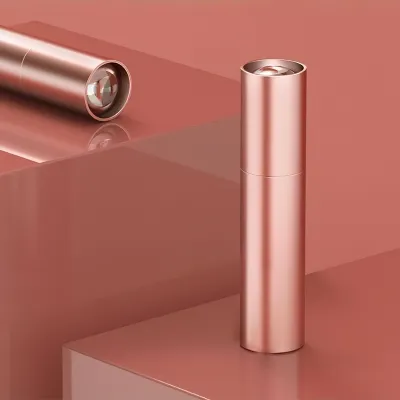
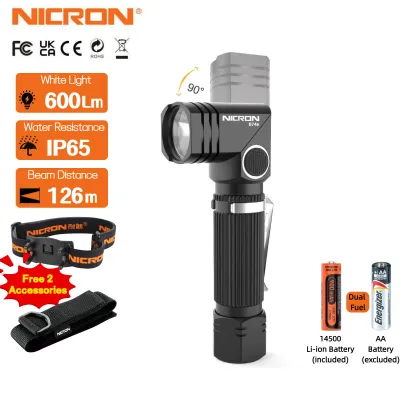
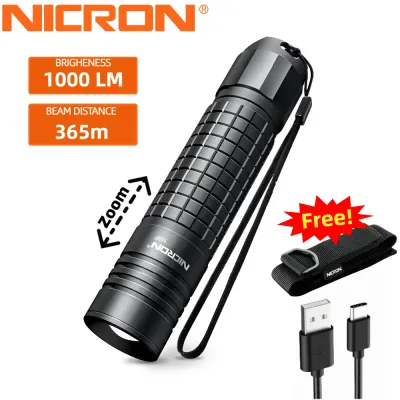
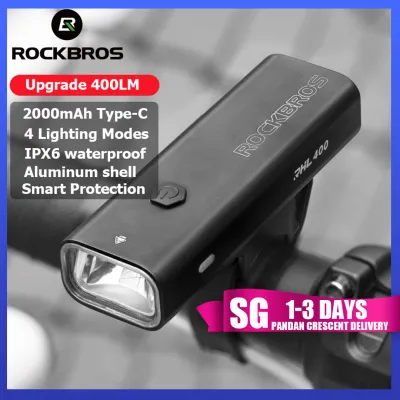
Prices are valid at publication and may change. Please refer to the product page for the latest price.
Beyond the individual unit, HDB blocks have long common corridors and concrete stairwells. During a major block-wide power failure, the emergency backup lights in the stairwells may only last for a limited duration, or they might not provide sufficient illumination for residents on higher floors who need to walk down multiple flights of stairs. A portable torchlight with a reliable, steady beam is essential for navigating these communal pathways safely, helping you spot uneven steps, fire hose reels, or other obstacles.
Inside the flat, the spatial dynamics of compact living rooms, kitchens, and bedrooms require a careful approach to light intensity. A torchlight that is too powerful can reflect off light-colored walls, glossy floor tiles, and mirrors, creating intense glare that causes temporary visual impairment or eye strain. Therefore, your emergency lighting strategy should prioritize adjustable brightness levels, allowing you to drop the output to a comfortable level for indoor tasks while retaining the ability to boost power if you need to inspect a dark corner or signal for help.
Power disruptions in Singapore are typically rare and resolved relatively quickly by utility providers, often lasting anywhere from a few minutes to a couple of hours. Because of this high grid reliability, you do not necessarily need a massive, heavy-duty searchlight designed for multi-day survival scenarios. Instead, your primary focus should be on a compact, highly dependable light that retains its battery charge over months of storage and can run continuously for at least three to four hours on a medium setting.
Essential Features for HDB-Friendly Emergency Torchlights
To find a torchlight that fits seamlessly into an HDB lifestyle, you must evaluate several technical specifications and design elements. The first consideration is the beam profile, which is determined by the reflector and lens design. A spotlight produces a tight, concentrated beam that travels a long distance, which is useful for looking down corridors but impractical for lighting a room. A floodlight, on the other hand, disperses light widely, making it much easier to illuminate an entire bedroom or kitchen. Look for a torchlight that offers an adjustable zoom or a dedicated diffuser accessory that converts a sharp beam into soft, ambient light.

Battery chemistry is another critical factor that influences both performance and safety. You will generally choose between rechargeable lithium-ion batteries and disposable alkaline or lithium batteries. Rechargeable models are highly convenient, often featuring built-in USB-C charging ports that allow you to top up the battery using standard phone chargers or power banks. However, lithium-ion batteries slowly lose their charge over time when left idle. If you prefer a low-maintenance option that can sit in a drawer for years without attention, consider a torchlight that accepts high-quality disposable lithium batteries or low-self-discharge nickel-metal hydride (NiMH) rechargeable batteries, which are far less prone to leaking than standard alkaline cells.
Hands-free usability is incredibly valuable when you need to use both hands to locate items, tend to family members, or inspect your home’s electrical distribution board (DB box). Torchlights equipped with a magnetic tail cap can easily stick to the steel door of your household shelter or the side of a refrigerator, instantly turning the torch into a stationary wall light. Other useful design features include a flat tail cap that allows the torchlight to stand vertically on a table—bouncing light off the ceiling to illuminate the entire room—and integrated lanyards or pocket clips for secure carrying.
Thermal management is a safety aspect that is frequently overlooked but vital in enclosed, unventilated spaces. High-power light-emitting diode (LED) torchlights generate a significant amount of heat when operated on their highest settings. In a warm, humid Singapore climate, an overheating torchlight can become uncomfortable to hold and, in extreme cases, pose a fire hazard or damage its internal electronics. Ensure the torchlight you select features an automatic thermal step-down, which automatically lowers the brightness and heat output if the internal temperature rises too high.
How to Evaluate Torchlight Brands for Reliability
With countless lighting products available on the market, distinguishing reliable brands from substandard alternatives requires a systematic evaluation process. In Singapore, safety is the foremost priority, especially for devices that connect to your home’s electrical grid. While the torchlight itself operates on low-voltage direct current, any accompanying wall charger, charging dock, or AC adapter must carry the SAFETY Mark issued by Enterprise Singapore. This certification ensures the charging component has undergone rigorous testing to prevent short circuits, overcharging, and electrical fires.
When researching brands, look closely at the warranty terms and the presence of local customer support. A reputable brand will typically offer a multi-year warranty on the torchlight body and a separate, reasonable warranty period for the rechargeable battery. Having an authorized local distributor or service center in Singapore is a major advantage, as it allows you to easily seek assistance, replace defective parts, or purchase genuine accessories without the hassle and expense of international shipping.
To avoid counterfeit products, which often use low-grade lithium-ion batteries that lack essential safety circuits, always purchase your emergency lighting from official brand stores, authorized local dealers, or reputable home improvement retailers. Be cautious of extremely cheap listings on online marketplaces that promise impossibly high lumen ratings; these products often fail prematurely, leak battery acid, or overheat rapidly.
A brand’s reputation for durability can be verified by looking at long-term user feedback rather than initial promotional reviews. Seek out reviews from users who have owned the torchlight for several years and can vouch for its switch reliability, battery retention, and resistance to minor drops. High-quality brands construct their torchlights from aircraft-grade anodized aluminum, which provides excellent impact resistance and protects the internal components if the light is accidentally dropped onto hard terrazzo or vinyl flooring.
Smart Storage and Maintenance for Compact Spaces
Owning a high-quality emergency torchlight is only effective if the device is fully functional and easily accessible when the lights go out. Because HDB flats are designed to maximize space, you should choose storage locations that are central, highly visible, and known to every member of the household. A great location is right next to your home’s DB box, as this is often the first place you will check during a power outage to see if a circuit breaker has tripped. Other ideal spots include a dedicated hook near the main entrance or inside a master bedroom nightstand drawer.
To prevent the frustration of finding a dead torchlight during an emergency, establish a simple battery maintenance routine. If your torchlight uses rechargeable lithium-ion batteries, set a recurring calendar reminder every three to six months to check the battery level and top it up to around 80% to 90% capacity. For torchlights that rely on disposable alkaline batteries, it is highly recommended to store the batteries outside the device. Alkaline batteries left inside a device for extended periods can leak corrosive potassium hydroxide, which permanently ruins the electrical contacts and renders the torchlight useless.
In addition to battery care, perform a quick physical inspection of your emergency light twice a year. Wipe down the exterior with a dry microfiber cloth to remove dust, and check the lens for any smudges or scratches that could distort the beam. If the torchlight has threaded caps, unscrew them occasionally to ensure the threads are clean and free of debris; applying a tiny amount of silicone grease to the rubber O-rings will maintain the water resistance and keep the threads turning smoothly.
Frequently Asked Questions (FAQ)
Can I use a standard camping torchlight for HDB emergencies?
While a camping torchlight can certainly function during an HDB power outage, it may not always be the most practical choice for indoor use. Outdoor camping lights are often designed for long-distance visibility, featuring highly focused, intense beams that can create harsh shadows and uncomfortable glare when reflected off apartment walls. Additionally, heavy-duty outdoor lights can be bulky and difficult to store discreetly in a compact flat. If you do choose to use a camping light, ensure it has a low-output mode or a diffuser attachment to soften the light for comfortable indoor navigation.
Are rechargeable torchlights safe to leave plugged in continuously?
Leaving a rechargeable torchlight plugged in continuously is only safe if the device and its charging system are equipped with a high-quality Battery Management System (BMS). A proper BMS prevents overcharging by cutting off the electrical current once the battery reaches full capacity. Cheap, unbranded lights often lack these sophisticated safety circuits, which can lead to battery swelling, reduced lifespan, or thermal runaway. To ensure safety in your HDB flat, always use the original charging cable, connect it to a SAFETY Mark certified USB adapter, and avoid charging the torchlight on soft, combustible surfaces like beds, sofas, or carpets.

Community discussion
Share your experience or ask a question. Comments are reviewed before publication.