
A full-height mirror is one of the most effective interior design tools for visually expanding a compact living space, particularly in high-density urban apartments where floor area is at a premium. By reflecting both natural and artificial light, these mirrors create an optical illusion of depth that makes walls appear to recede. To maximize this spatial effect, prioritizing frameless or ultra-thin metal frames is key, as they minimize visual boundaries.
However, finding the right brand or supplier in Singapore requires looking beyond marketing claims. You must carefully evaluate glass clarity, structural safety, backing materials, and mounting hardware to ensure a safe and long-lasting installation. This guide outlines the essential design features, quality metrics, and sourcing strategies to help you select the ideal mirror for your home.
Design Features That Create the Illusion of Space
Frame Profiles and Visual Weight
The frame of a mirror dictates its visual weight and how seamlessly it integrates into your room. Frameless mirrors are the ultimate choice for spatial expansion because they offer an uninterrupted transition between the reflected image and the surrounding wall, making the mirror blend into the architecture. Thin metal frames, typically made of aluminum or slim steel, provide a modern, minimalist border that structures the reflection without drawing too much attention. In contrast, thick wooden or ornate frames add significant visual weight, which can make a small room feel more cluttered and reduce the active reflective surface area.
Products mentioned in this guide
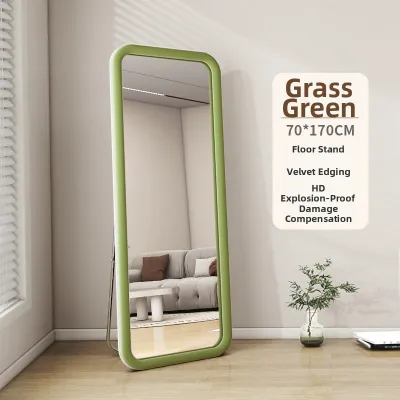
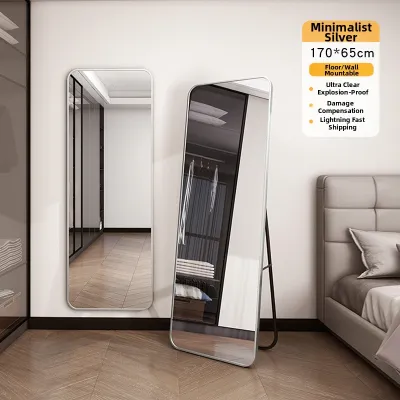
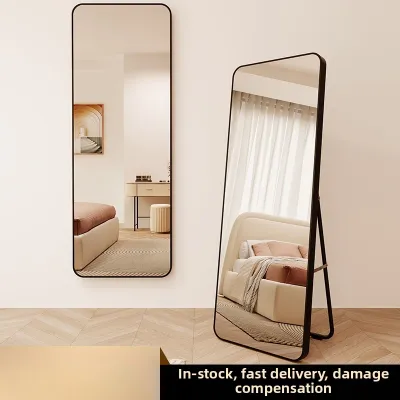
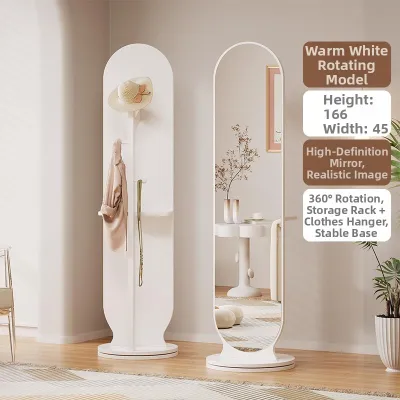
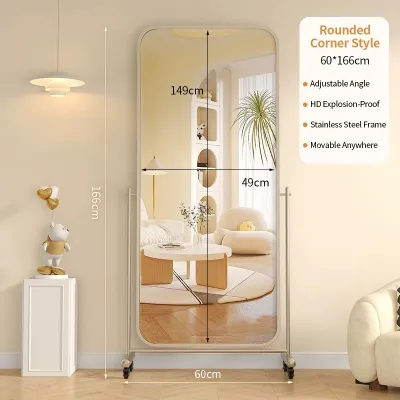
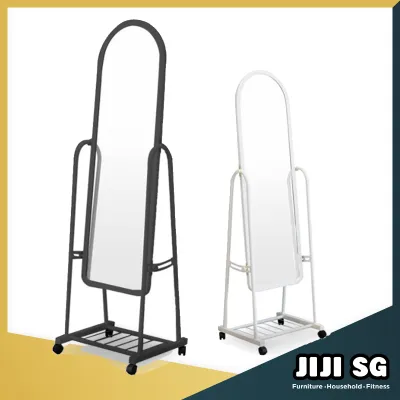
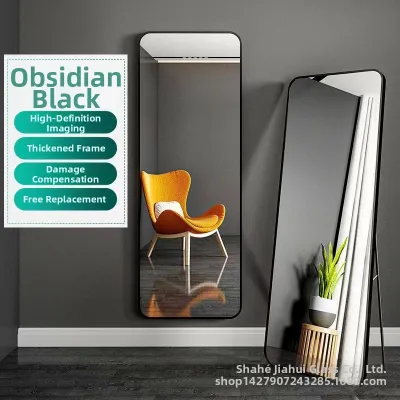

Prices are valid at publication and may change. Please refer to the product page for the latest price.
Dimensions and Proportions
To achieve a true floor-to-ceiling illusion, you must measure your wall space precisely. A full-height mirror should ideally cover at least 60% to 80% of the wall’s vertical height. When selecting a mirror, leave a small clearance of about 5 cm to 10 cm from both the ceiling and the floor to accommodate baseboards, crown moldings, and safe installation. If the mirror is too short, it chops the room’s vertical lines, which can actually make the ceiling feel lower and disrupt the flow of the room.
Glass Clarity and Tinting
The quality of light reflection is directly tied to the glass type. Standard clear glass, particularly low-iron glass, offers the highest light transmission and the most accurate color rendering, which is essential for maximizing brightness and perceived depth. Tinted glass, such as bronze, grey, or rose gold, and antique finishes are popular for decorative styling, but they absorb more light and reduce the overall brightness of the room, making them less effective for spatial expansion.
Shape and Edges
Rectangular mirrors are highly effective at reinforcing the clean, vertical lines of a room, drawing the eye upward and emphasizing ceiling height. Arched or curved designs can soften harsh architectural angles and create a sense of architectural interest, mimicking the look of an arched doorway or window. For frameless designs, look for polished or beveled edges; a high-quality polished edge catches and refracts light subtly, adding a touch of elegance without the bulk of a physical frame.
How to Evaluate Mirror Brands and Quality
Glass Manufacturing Standards
High-quality mirror brands use float glass that is free from bubbles, waves, or impurities, ensuring a distortion-free reflection. The backing should feature a multi-layered silvering process, typically sealed with a protective copper-free coating to prevent oxidation. When evaluating a brand in a showroom, stand a few meters back and move side to side; if the reflection warps or bends, the glass is uneven and of lower quality.

Backing and Moisture Resistance
Singapore’s humid tropical climate poses a unique challenge for mirrors. High humidity can cause “black edge” or desilvering, where the silver backing oxidizes and peels away. Ensure the brand specifies a moisture-resistant backing, such as a sealed polymer or marine-grade backing, especially if the mirror is placed near windows, en-suite bathrooms, or in areas with high humidity.
Hardware and Mounting Kits
A full-height mirror is exceptionally heavy, often weighing upwards of 15 to 30 kilograms. Reliable brands provide robust, integrated mounting hardware rather than simple adhesive tape. Look for heavy-duty D-rings, French cleat systems, or dedicated safety leaning straps. The hardware must be rated to support at least double the mirror’s actual weight to ensure long-term safety.
Warranty and Customer Support
A reputable brand or fabricator should offer a clear warranty covering manufacturing defects, such as premature desilvering, clouding, or frame warping. A typical warranty period for high-quality mirrors ranges from 1 to 5 years. Avoid brands that do not provide clear documentation on their warranty terms or those that exclude structural safety components from their coverage.
Where to Source Full-Height Mirrors in Singapore
Specialty Decor and Furniture Showrooms
Visiting physical showrooms in Singapore allows you to inspect the glass quality firsthand. You can check for distortion, examine the frame finishes under realistic lighting, and feel the weight and rigidity of the frame. This is particularly useful for verifying that the mirror does not have a green tint, which is common in lower-grade glass.
Custom Glass and Aluminum Fabricators
For true floor-to-ceiling installations or unique alcove dimensions, local custom glass fabricators are often the best option. They can cut glass to your exact specifications, apply safety backing films, and handle the complex installation process. This route is highly recommended if you want a seamless, wall-to-wall mirror effect that standard retail sizes cannot accommodate.
Online Home Decor Retailers
Purchasing from online marketplaces or dedicated home decor websites offers convenience and a wider variety of designs. However, you must exercise caution. Verify the retailer’s return policy specifically regarding transit damage and breakage. Read customer reviews carefully, looking for complaints about reflection distortion or flimsy packaging. Ensure the delivery service includes handling for oversized items, as bringing a large mirror up HDB lifts or narrow stairwells requires professional care.
Installation, Placement, and Safety Checklist
Leaning vs. Wall-Mounting
Leaning mirrors offer a relaxed, contemporary aesthetic and can make a room feel taller by reflecting the ceiling at a slight upward angle. However, they take up valuable floor space. Wall-mounted mirrors, on the other hand, keep the floor completely clear, maximizing the usable area of the room. If you choose a leaning design, it must still be secured to the wall with safety straps to prevent accidental tipping.
Wall Type Verification
Before mounting a heavy mirror, you must identify your wall type. In Singapore, walls are typically concrete/masonry (common in HDB flats and condos) or drywall/partition walls. Concrete walls require masonry drill bits and heavy-duty plastic or metal wall plugs. Drywall installations require locating the wooden or metal studs behind the plasterboard; never hang a heavy full-height mirror directly onto drywall without securing it to a stud or using specialized heavy-duty toggle bolts.
Placement Strategy
To maximize the spatial illusion, position your mirror opposite or adjacent to a natural light source, such as a balcony door or window. This allows the mirror to bounce natural light deep into the room. Avoid placing the mirror directly opposite cluttered areas, utility yards, or open bathrooms, as reflecting clutter will visually double the mess and make the room feel more cramped.
Professional Help Boundaries
While DIY installation is possible for smaller decorative mirrors, installing a full-height or floor-to-ceiling mirror is a two-person job at minimum. If the mirror is exceptionally heavy, requires drilling into delicate wall tiles (such as in bathrooms), or involves fixed wiring for integrated LED backlighting, you should hire a qualified professional installer or electrician. Always isolate the power supply before undertaking any electrical work or drilling near hidden conduits.
Frequently Asked Questions (FAQ)
Can I use a leaning mirror without anchoring it to the wall?
No, using a large, heavy leaning mirror without anchoring it is highly discouraged due to the severe risk of tipping. Vibrations from footsteps, slamming doors, or accidental bumps can cause the mirror to slide at the base and fall forward. This poses a major safety hazard, particularly in households with children or pets. Always use the manufacturer-provided anti-tip kit, safety straps, or wall cleats to secure the top of the frame to a wall stud or solid masonry.
How do I clean a large mirror without leaving streaks?
To clean a large mirror effectively, use a clean, lint-free microfiber cloth and a dedicated glass cleaner or a mild solution of distilled water and white vinegar. Avoid spraying the cleaning liquid directly onto the mirror glass, as excess liquid can run down and pool in the frame or seep behind the edges, leading to silver backing damage (desilvering) over time. Instead, spray the cleaner onto the microfiber cloth first, then wipe the glass in a consistent top-to-bottom, Z-shaped pattern.
Will a mirror make a dark room look bigger?
A mirror can help distribute light, but it cannot create light on its own. In a completely dark room with no natural or artificial light sources, a mirror will not be effective at making the space feel larger. To achieve the desired spatial expansion, you must pair the mirror with strategic lighting. Position the mirror where it can capture and reflect light from a nearby lamp, window, or hallway, which will instantly brighten the dark corners and create the illusion of an extended room.

Community discussion
Share your experience or ask a question. Comments are reviewed before publication.