
A home prayer altar serves as the spiritual heart of a household, providing a dedicated space for daily reflection, prayer, and worship. Among the most essential components of this sacred space are haldi (turmeric) and kumkum (vermilion powder), which represent auspiciousness, devotion, and the preservation of positive energy. Selecting the right haldi kumkum set involves balancing traditional aesthetic values with practical considerations such as material durability, ease of cleaning, and the physical constraints of your altar. A well-chosen set not only honors these sacred substances but also ensures that your daily rituals remain orderly, clean, and serene. By evaluating your specific worship habits, space limitations, and maintenance preferences, you can find a container that seamlessly integrates into your spiritual routine while preserving the beauty of your altar.
Key Factors to Consider When Selecting a Haldi Kumkum Set
When choosing a haldi kumkum set, the first step is to assess the physical layout and daily dynamics of your home prayer altar. Altars vary widely in size, from expansive dedicated rooms to compact wall-mounted shelves common in modern apartments. Measuring the available surface area on your altar is crucial before making a purchase. A set that is too large can crowd other essential items like oil lamps, incense holders, and deities, increasing the risk of accidental knocks. Conversely, a set that is too small might become lost among larger decor pieces or require constant refilling, disrupting the flow of your daily prayers.
Capacity requirements are closely tied to your worship frequency and the number of household members participating in daily rituals. If you perform elaborate pujas daily or frequently host community gatherings, a set with larger wells or cups will prevent the inconvenience of frequent replenishment. For occasional or solitary worship, smaller compartments are often preferable. Keeping large quantities of turmeric and vermilion in open or poorly sealed containers for extended periods can lead to moisture absorption, clumping, and a loss of freshness, especially in humid tropical climates.
Products mentioned in this guide
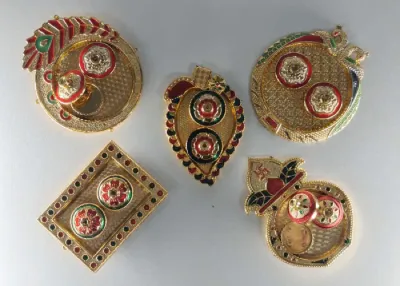
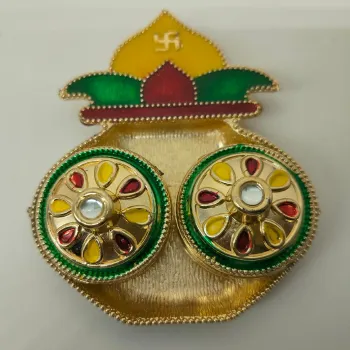
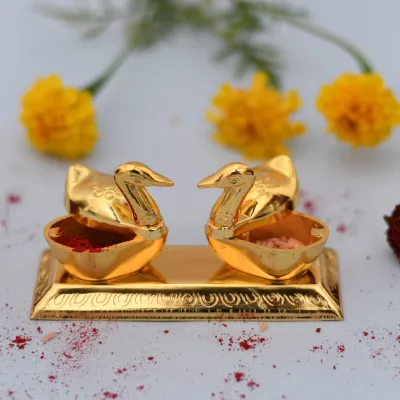
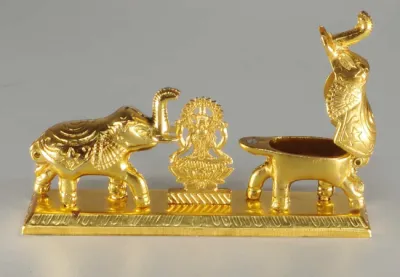
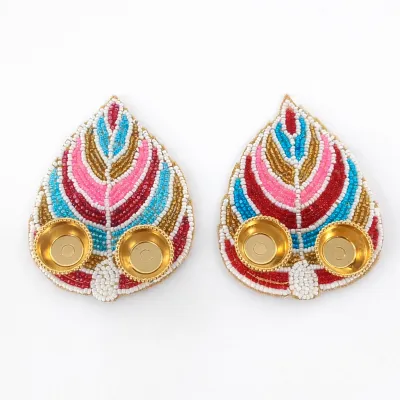
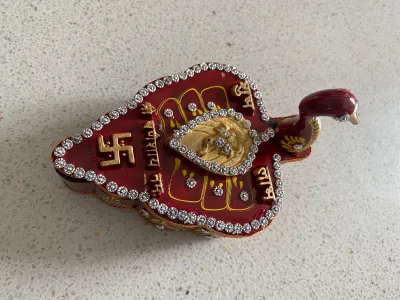
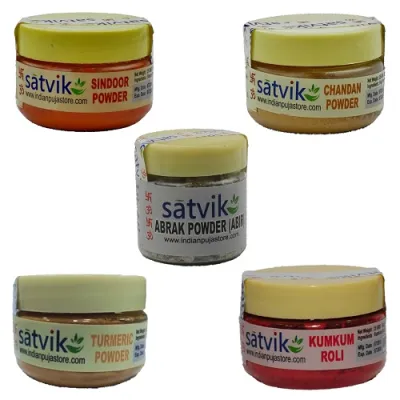
Prices are valid at publication and may change. Please refer to the product page for the latest price.
Weight and stability are equally important safety and practical considerations. Lightweight plastic or thin metal containers can easily tip over during active worship, scattering fine powders across your altar cloth or floor. Opting for a set with a weighted base, a low center of gravity, or a unified tray design helps secure the containers in place. If your rituals involve passing the set among family members or guests, look for designs with integrated handles or wide rims that allow for secure, slip-free handling.
Comparing Common Materials for Puja Containers
The material of your haldi kumkum set dictates not only its visual appeal but also its longevity, weight, and maintenance requirements. Traditional materials carry deep cultural significance, but each presents distinct practical trade-offs that affect how you interact with the set daily. Understanding these material characteristics allows you to choose a container that aligns with both your aesthetic preferences and your willingness to perform regular upkeep.

Brass, Copper, and Bronze
Brass, copper, and bronze are classic choices for Hindu ritual items, valued for their warm, golden tones and historical associations with purity. These metals are highly durable and resistant to shattering, making them excellent long-term investments for a home altar. However, copper and its alloys are naturally reactive and will inevitably tarnish when exposed to air, moisture, and the natural oils from your hands. This oxidation process creates a dark patina over time, which some practitioners appreciate for its antique look, while others prefer a bright, polished finish.
Maintaining the luster of brass or copper requires regular polishing with specialized metal cleaners or traditional mixtures like tamarind paste. When purchasing these metal sets, check if the manufacturer has applied a protective lacquer coating. Lacquered brass requires only a gentle wipe with a dry cloth and should never be scrubbed with abrasive polishes, as this will strip the protective layer and lead to uneven tarnishing. Unlacquered pieces offer a more traditional feel but demand a more rigorous and frequent cleaning routine to prevent deep corrosion.
Silver and Gold-Plated Options
For special occasions, festivals, or as heirloom pieces passed down through generations, silver and gold-plated haldi kumkum sets offer an elegant, premium aesthetic. Solid silver containers possess a bright, reflective quality that beautifully catches the light of altar lamps. However, silver is a soft metal that is highly susceptible to scratching and denting if handled roughly. It also tarnishes quickly in the presence of sulfur compounds in the air, requiring gentle, specialized silver polishes or microfiber cloths to maintain its brilliance without wearing down the metal.
Gold-plated options provide the luxurious appearance of solid gold at a more accessible price point, but their durability depends heavily on the thickness and quality of the plating. Over time, frequent handling and cleaning can wear away the thin gold layer, exposing the base metal underneath. When selecting a plated set, verify the manufacturer’s specifications regarding plating thickness and care instructions. These delicate surfaces should never be exposed to harsh chemical cleaners, abrasive pads, or vigorous scrubbing; instead, they require gentle dusting and occasional wipes with a damp, soft cloth.
Wood, Marble, and Ceramic
For those seeking a more contemporary or earthy aesthetic, non-metal materials like wood, marble, and ceramic offer unique textures and colors. Wooden sets, often carved from teak, sheesham, or sandalwood, bring a warm, organic feel to the altar. However, wood is highly porous and can easily absorb moisture and oils, which may lead to warping or cracking over time if kept in damp environments. Furthermore, fine powders like turmeric can deeply penetrate unsealed wood grain, causing permanent yellow staining that is nearly impossible to remove.
Marble and ceramic sets provide a clean, minimalist look and a satisfying weight that ensures stability on the altar. Polished marble offers a smooth, cool surface, but like wood, it is a porous stone that can stain if turmeric or vermilion is left in direct contact with an unsealed surface for too long. Ceramic containers are generally easier to clean due to their glazed finishes, which resist staining and moisture. The primary drawback of both marble and ceramic is their fragility; a single drop onto a hard tiled floor can chip or shatter the set, making them less suitable for households with young children or busy, active altars.
Design and Functional Features to Look For
Beyond material choices, the structural design of a haldi kumkum set directly impacts its daily usability and the cleanliness of your prayer space. One of the most critical features to evaluate is the lid design. In humid climates, fine powders quickly absorb moisture from the air, leading to clumping, mold growth, or discoloration. Lids that fit snugly or feature silicone gaskets help create a barrier against ambient humidity, keeping the powders dry and free-flowing. If the set is used daily, loose-fitting lids may be more convenient for quick access, but they offer less protection against spills and moisture.
The inclusion of matching spoons or small scoops is another highly functional feature to consider. Using your fingers to dispense haldi and kumkum can introduce moisture, sweat, and oils into the containers, accelerating the degradation of the powders and staining your fingers. Dedicated spoons allow for precise, hygienic dispensing. Look for sets that feature integrated spoon rests, small slots in the lids, or a central holder on the tray to keep the spoons clean and prevent them from rolling off the altar and staining nearby fabrics.
The design of the base is equally important for protecting your altar furniture. Many traditional metal sets have rough, unfinished undersides that can scratch polished wood, glass, or marble altar surfaces over time. Look for sets with smooth, flat bases, or those equipped with small non-slip felt pads or raised feet. Raised feet not only prevent scratches but also elevate the containers slightly above the altar surface, protecting them from any spilled water or oil from nearby lamps, which could otherwise seep into the bottom of the containers.
Maintenance and Cleaning Guidelines for Daily Use
To preserve the beauty and structural integrity of your haldi kumkum set, establishing a gentle, regular cleaning routine is essential. For daily maintenance, a simple wipe-down with a dry, soft microfiber cloth is usually sufficient to remove loose powder residue and dust. Avoid using wet cloths for daily cleaning unless absolutely necessary, as residual moisture left inside the containers can cause the next batch of powders to clump, spoil, or react with metal surfaces to cause corrosion.
When a deeper clean is required, always check the manufacturer’s care labels and instructions before applying any cleaning agents. For unlacquered brass, copper, or bronze, traditional natural cleaners like a paste of lemon juice and baking soda can effectively remove tarnish, but these should be rinsed thoroughly and dried immediately with a soft towel. Avoid using steel wool, harsh scrubbing pads, or abrasive chemical cleaners on any material, as these can leave permanent scratches, strip protective lacquers, or wear down delicate gold and silver plating.
If you are dealing with antique, highly delicate, or structurally compromised pieces, it is best to stop DIY cleaning efforts and consult a professional conservator or jeweler. Attempting to clean heavily tarnished antique silver or cracked marble with household remedies can cause irreversible damage. For daily-use items, ensuring that the containers are completely dry before refilling them with fresh powders is the single most effective way to prevent staining, corrosion, and powder spoilage.
Sourcing and Purchasing Considerations
When shopping for a haldi kumkum set, sourcing from reputable sellers is key to ensuring you receive a high-quality, authentic product. Whether purchasing from specialized religious decor stores or online marketplaces, take the time to read customer reviews and check seller ratings. Look for reviews that specifically mention the weight, material authenticity, and long-term durability of the set. Be cautious of listings with generic descriptions or those that do not clearly state the specific materials used in construction.
Verifying material authenticity claims is particularly important for premium metals like silver or brass. Authentic silver items should ideally carry standard purity hallmarks, while quality brass sets should feel solid and heavy for their size rather than light and hollow. Check the seller’s return policies and warranty terms before finalizing your purchase, especially when buying fragile materials like marble or ceramic, which are susceptible to damage during transit.
Upon receiving your haldi kumkum set, inspect it thoroughly before placing it on your altar. Run your fingers along the edges to check for any sharp burrs or rough spots that could cause injury or scratch your altar. Verify that the lids fit securely and sit level, that the base is stable without any wobbling, and that any included spoons fit properly in their designated spots. Addressing any manufacturing defects or shipping damage immediately ensures that your new set will serve as a beautiful, safe, and functional addition to your daily worship space.
Frequently Asked Questions (FAQ)
Can I use the same container for both haldi and kumkum?
While some compact sets feature a single container with a divided interior, it is generally recommended to use separate wells or distinct receptacles for haldi and kumkum. Turmeric and vermilion are distinct chemical compounds with different moisture absorption rates and staining properties. Using a single, undivided container increases the risk of cross-contamination, where the bright yellow turmeric mixes with the deep red kumkum, altering their colors and purity. Separate containers or a well-designed double-cup set ensure that each powder remains pure, clean, and visually distinct during your rituals.
How do I prevent turmeric from staining my marble or wooden set?
Porous materials like marble and wood are highly susceptible to permanent yellow staining from turmeric. To prevent this, look for sets that feature removable inner liners made of glass, plastic, or stainless steel, which prevent the powder from coming into direct contact with the porous outer material. If your set does not have liners, ensure the wood or marble has been treated with a high-quality, food-safe sealant or lacquer that creates a non-porous barrier. Additionally, clean up any spills immediately with a dry cloth, and avoid using wet cloths, which can dissolve the turmeric and carry the pigment deeper into the pores of the material.
Are there specific auspicious days to replace an old haldi kumkum set?
In many households, replacing or upgrading altar items is traditionally aligned with auspicious occasions, festivals, or significant lunar days. Festivals such as Diwali, Navratri, or New Year celebrations are popular times to refresh the home altar with new utensils and decor. However, family traditions and regional customs vary widely, so it is always best to consult your family elders or a spiritual guide for specific practices. When disposing of an old, damaged, or unusable set, it should be done respectfully, often by immersing biodegradable materials in flowing water or recycling metals, rather than throwing them into common household waste.

Community discussion
Share your experience or ask a question. Comments are reviewed before publication.