
Selecting a Hindu temple cabinet—often referred to as a home mandir—is a deeply personal and significant decision. A dedicated home altar serves as a sacred sanctuary for daily prayers, meditation, and spiritual reflection, bringing a sense of peace and positive energy into the living space. However, finding the perfect cabinet involves much more than simply choosing an attractive design. It requires a thoughtful balance of spiritual traditions, spatial constraints, material durability, and practical safety considerations. Whether you are setting up a small prayer corner in a modern apartment or dedicating a larger area in a family home, understanding what to look for ensures your temple cabinet remains a safe, functional, and beautiful focal point for generations. To make an informed choice, you must carefully evaluate several key factors, including physical dimensions, material resilience against heat and humidity, functional storage options, electrical safety, and traditional placement principles.
Assessing Space, Dimensions, and Structural Needs
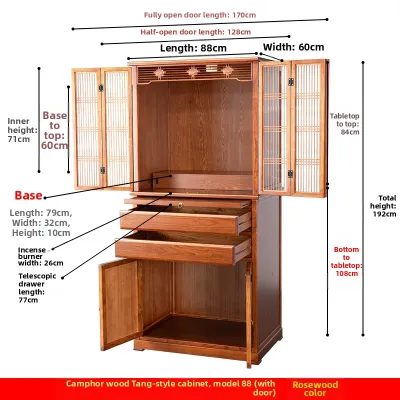
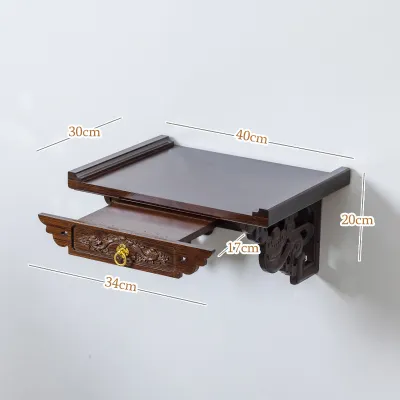
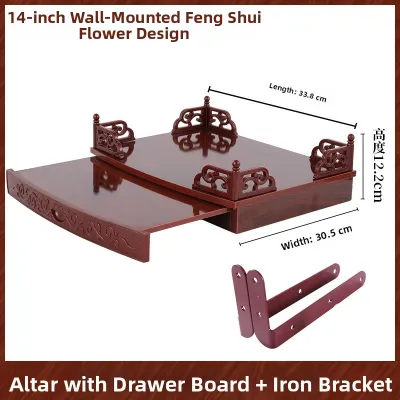
Before browsing designs, the first and most critical step is to accurately measure your available space. In urban living environments, such as apartments in Singapore, floor space is often limited, making precise planning essential. Begin by measuring the width, depth, and height of the designated area where you plan to place the cabinet. It is vital to account for the operational clearance of the cabinet doors. If the temple cabinet features traditional double doors that swing outward, ensure there is sufficient clearance so they do not block walkways, strike nearby furniture, or obstruct the flow of movement in the room.
Beyond the physical footprint of the cabinet itself, you must consider the space required for performing daily rituals. Performing aarti, offering flowers, and bowing in prayer require comfortable physical clearance in front of the altar. Ensure there is enough room for family members to stand or sit cross-legged on the floor without feeling restricted.
Products mentioned in this guide
![[HOMIEST] ORATE 2FT Altar Cabinet Prayer Cabinet Religious Worship Natural/Walnut](https://img.lazcdn.com/g/p/cfaa0a6f73682165358fbd07edf06f9b.jpg_400x400q80.jpg_.webp)
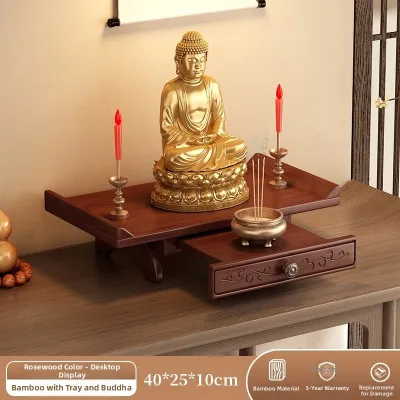
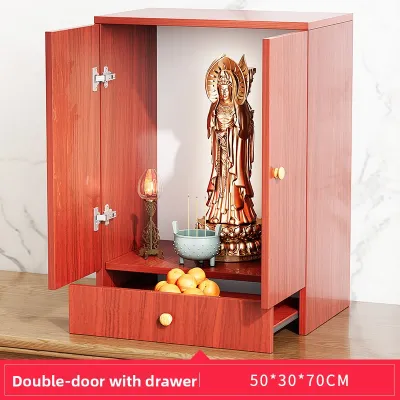
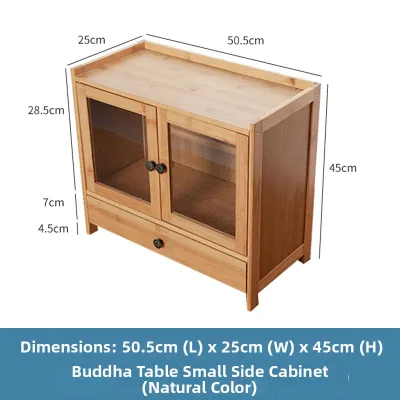
Prices are valid at publication and may change. Please refer to the product page for the latest price.
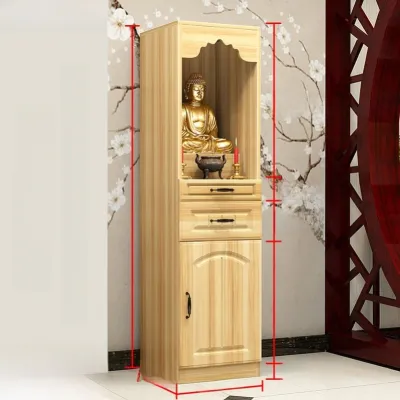
Next, evaluate the internal dimensions of the cabinet. Measure your tallest deity idols (murtis) and ritual items, such as the kalash (sacred water pot). The internal shelves must offer adequate height and depth so these sacred items do not touch the ceiling of the cabinet or appear crowded. Ideally, leave a clearance of at least 5 to 10 centimeters above the tallest murti to allow for the easy placement of fresh flower garlands, decorative crowns, and daily offerings.
Finally, pay close attention to the weight capacity and structural stability of the cabinet. Devotional idols made of heavy materials like brass, bronze, or solid marble exert significant downward pressure on shelves. Standard shelves can sag, warp, or even collapse over time if they are not designed to support such loads. Always check the manufacturer’s specified weight limits for individual shelves. If you plan to house a collection of heavy metal or stone deities, prioritize cabinets constructed with robust vertical supports, reinforced shelving, or solid wood bases that distribute weight evenly to prevent structural failure.
Evaluating Materials for Durability and Climate Resistance
The choice of material directly impacts the longevity, maintenance, and safety of your Hindu temple cabinet. Traditional solid woods, such as teak, rosewood, and sheesham, are highly favored for their natural beauty, strength, and spiritual significance. Solid wood cabinets are incredibly durable and can be beautifully carved, but they are typically heavier, more expensive, and require periodic polishing to maintain their luster. Engineered wood options, such as medium-density fibreboard (MDF) or high-quality plywood, offer a lightweight and budget-friendly alternative. While engineered wood can be finished to mimic natural timber, it is generally less resistant to heavy loads and moisture unless specifically treated. Metal cabinets or those with metal accents (such as brass or copper panels) provide a sleek, contemporary look and excellent fire resistance, though they may lack the warm, traditional feel of wood.

Because daily puja routines involve burning oil lamps (diyas), camphor, and incense, the cabinet’s surfaces will inevitably be exposed to heat, soot, and oil splatters. It is crucial to verify that the cabinet’s surface finish is heat-resistant and non-porous. High-quality protective coatings, such as polyurethane or melamine finishes, help shield the wood from heat damage and prevent oil from soaking into the grain. A smooth, sealed surface allows you to easily wipe away fallen incense ash and oil spills without leaving permanent stains.
In humid tropical climates like Singapore, material selection must also account for environmental factors. High humidity levels can cause untreated wood to absorb moisture, leading to warping, swelling, or the growth of mold and mildew. Furthermore, wood-boring insects like termites pose a significant threat to natural timber. When selecting a wooden temple cabinet, ensure the material has been thoroughly kiln-dried and treated with moisture-resistant and anti-termite sealants. This protective treatment is essential for preserving the structural integrity and appearance of your altar over the long term.
Selecting Functional Features for Daily Puja Routines
A well-designed Hindu temple cabinet should seamlessly accommodate your daily worship routines by keeping all necessary items organized and within easy reach. Look for cabinets that offer practical storage configurations, such as drawers and dedicated shelves. These compartments are invaluable for storing daily essentials, including matchboxes, incense sticks (agarbatti), camphor tablets, cotton wicks, prayer books (scriptures), and spare bottles of puja oil or ghee. Keeping these items neatly tucked away inside the cabinet drawers maintains a clean, clutter-free environment around the sacred altar.
Another highly functional feature to look for is a pull-out tray or an extendable platform. During active worship, the main altar space can quickly become crowded with deities, flowers, and lamps. A sliding tray that extends outward from beneath the main shelf provides a temporary, stable surface to place the puja thali (offering plate), water cups, fruits, and prasadam (food offerings). Once the prayers are complete, the tray can be easily slid back into the cabinet, preserving space and maintaining a tidy appearance.
Proper ventilation is another critical functional requirement that should never be overlooked. Burning diyas and incense inside a fully enclosed wooden cabinet can trap heat and smoke, creating a fire hazard and causing rapid soot buildup on the cabinet’s interior walls. To prevent this, choose a cabinet design that incorporates open-back panels, carved lattice work (often referred to as jaali designs), or dome vents at the top. These decorative openings allow smoke and heat to dissipate safely into the room while maintaining a beautiful, traditional aesthetic that complements your home decor.
Planning Lighting and Electrical Safety for the Altar
Illuminating your home altar enhances its beauty and creates a serene atmosphere for prayer. However, planning the lighting requires careful attention to electrical safety and fire prevention. While traditional oil lamps and camphor burners hold deep spiritual significance, they generate substantial heat and present a real fire risk if left unattended near wooden surfaces. For continuous or long-term illumination, low-voltage LED strip lights or small LED spotlights are a much safer and energy-efficient choice. These modern lighting options emit minimal heat, reducing the risk of accidental ignition and protecting your wooden cabinet from heat-induced cracking.
If you select a temple cabinet with built-in electrical lighting or plan to install your own, you must verify the technical specifications of the fixtures. Check the voltage compatibility, base or interface type, wattage limits, and dimming methods to ensure they are safe for residential use. Ensure that all wiring is neatly routed through pre-drilled grommets or cable channels, keeping cords organized and out of sight. It is critical that electrical wires are properly insulated and kept completely isolated from water vessels, oil containers, or any areas where liquids might spill during rituals.
For complex installations—such as fixed wiring, mounting heavy light fixtures at a height, or integrating multiple power outlets directly into the cabinet structure—always prioritize safety by isolating the power supply before starting any work. Follow the manufacturer’s installation instructions precisely. If the setup involves modifying your home’s electrical wiring or handling heavy electrical loads, consult a qualified professional electrician to ensure full compliance with local electrical safety codes. Never overload a single wall socket with multiple adapters to power your temple lights, as this can lead to overheating and electrical fires.
Aligning Aesthetics with Traditional Placement Principles
In addition to practical and structural considerations, aligning your temple cabinet with traditional placement principles helps create a harmonious and spiritually uplifting environment. According to Vastu Shastra, the ancient Indian science of space planning, the ideal location for a home altar is the northeast corner of the house. If this is not feasible, the east or north directions are suitable alternatives. When placing the cabinet, try to position it so that the deities face east or north, meaning you will face west or south while praying. Traditional guidelines strongly advise against placing a temple cabinet inside a bedroom, adjacent to a shared bathroom wall, or directly underneath a staircase, as these locations are considered unfavorable for maintaining a sacred space.
The aesthetic design of the cabinet should also reflect your personal devotional style while complementing your home’s overall interior decor. For traditional homes, cabinets featuring intricate hand-carved motifs of deities, lotus flowers, peacocks, or traditional temple domes (shikharas) create a classic, temple-like ambiance. If your home has a modern, minimalist aesthetic, look for contemporary temple cabinets with clean lines, simple wooden finishes, and subtle brass accents that blend seamlessly with modern furniture. These decorative styles and perceived color temperatures are highly subjective preferences, so choose what best supports your personal sense of peace and devotion.
Another important traditional principle is the height of the deities. Respectful placement dictates that the feet of the main deity idols should be positioned at or above the chest level of the worshipper. This applies whether you prefer to sit on the floor on a prayer mat (asana) or stand during your daily prayers. Before purchasing a cabinet, measure the height of the main altar platform from the floor to ensure it aligns correctly with your preferred worship posture, allowing you to look up at the deities in devotion.
Building Your Comparison Shortlist and Pre-Purchase Checklist
To make your final decision with confidence, it is highly beneficial to create a structured comparison shortlist. Start by listing your top cabinet options in a simple matrix, comparing them across key parameters such as external dimensions, internal shelf heights, material types, storage features, and price. For instance, you might compare a solid teak wood cabinet priced around S$800 with an engineered wood option priced at S$350, weighing the long-term durability of solid wood against the immediate cost savings of engineered materials. This systematic approach helps you identify which cabinet offers the best value for your specific needs and budget.
Because temple cabinets are typically bulky and heavy furniture items, you must carefully verify the logistics of delivery and assembly before finalizing your purchase. Check whether the retailer offers home delivery and professional on-site assembly services, as assembling a complex wooden cabinet with delicate carvings can be challenging. Be sure to read the seller’s return and exchange policies thoroughly. Understand what recourse you have if the cabinet arrives with transit damage, or if you discover that the physical dimensions do not fit your space as planned.
Before making your final purchase, perform a final pre-purchase check. Inspect the product labels or manufacturer’s specification sheets to verify the exact internal dimensions and certified weight limits. Ensure that any electrical components, such as built-in LED lights or wiring harnesses, carry recognized safety certifications. Taking these extra steps ensures that your new Hindu temple cabinet will be a safe, durable, and cherished addition to your home worship routine.
Frequently Asked Questions (FAQ)
How do I clean and maintain a wooden temple cabinet exposed to daily incense and oil?
Maintaining a wooden temple cabinet requires gentle, regular care to protect the finish from daily exposure to incense smoke and oil splatters. For routine upkeep, use a dry, soft microfiber cloth to gently dust the surfaces and remove loose incense ash. To clean stubborn oil spots or sticky residue left by camphor, dampen a soft cloth with warm water and a tiny drop of mild, non-abrasive dish soap. Gently wipe the affected area, taking care not to scrub aggressively, which can strip away the protective wood varnish or lacquer. Avoid using harsh chemical cleaners, bleach, or abrasive scouring pads. Always dry the surface immediately with a clean, dry towel to prevent moisture from penetrating the wood grain and causing swelling.
Can I place a heavy marble deity inside a standard engineered wood cabinet?
It is generally not advisable to place heavy marble deities on standard engineered wood (such as MDF or particle board) shelves without first verifying the manufacturer’s explicit weight limits. Engineered wood is susceptible to sagging, bowing, or fracturing under concentrated, heavy loads over time. If you plan to house a heavy marble idol, look for a cabinet constructed from solid wood, which offers superior structural strength. Alternatively, you can reinforce the shelves of an engineered wood cabinet with heavy-duty metal brackets or solid timber supports. If the weight of your deity exceeds the standard specifications of the cabinet, consult a professional carpenter or the manufacturer to assess the structural integrity and discuss customization options before installation.

Community discussion
Share your experience or ask a question. Comments are reviewed before publication.