
Choosing the right home temple shrine depends on balancing your daily spiritual practices, your available living space, and the safety of your household. In modern apartments where space is at a premium, selecting a shrine requires careful planning of dimensions, materials, and placement. The ideal shrine should not only accommodate your sacred statues and daily offerings but also integrate seamlessly into your home’s layout while respecting traditional guidelines.
Assessing Your Worship Needs and Space Constraints
Evaluating your daily worship routine is the first step in determining the size and style of your shrine. Consider the specific rituals you perform, such as chanting, offering fresh water, lighting incense, or burning oil lamps. These actions dictate the required surface area and storage capacity. If your practice involves multiple offering cups, fruit plates, and incense burners, you will need a shrine with a wider main shelf or a convenient pull-out tray.
Accurate measurements of your designated space are essential before making a purchase. In compact urban apartments, such as those commonly found in Singapore, every centimeter counts. Measure the width, depth, and height of the alcove, shelf, or floor area where the shrine will stand. Be sure to note the ceiling height above the shrine, especially if you plan to burn incense, as rising smoke can stain paintwork over time. Additionally, check the proximity to electrical outlets if you plan to install altar lighting, ensuring you can route cables safely without creating tripping hazards.
Products mentioned in this guide
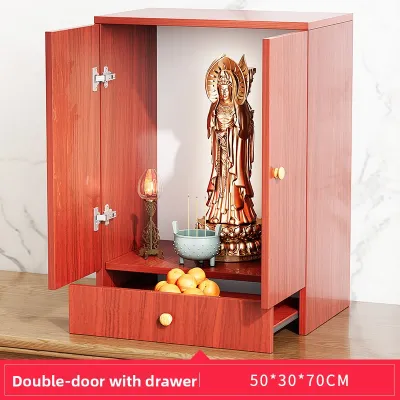
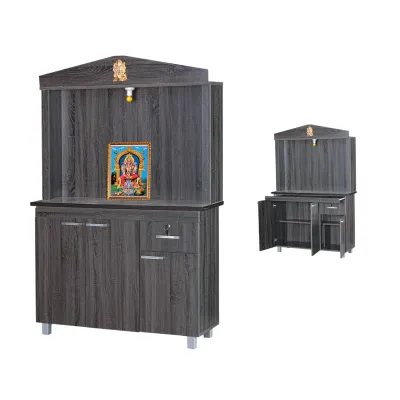
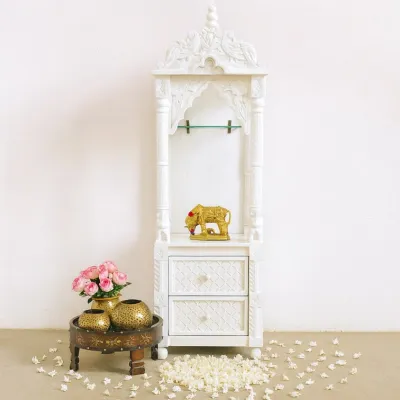
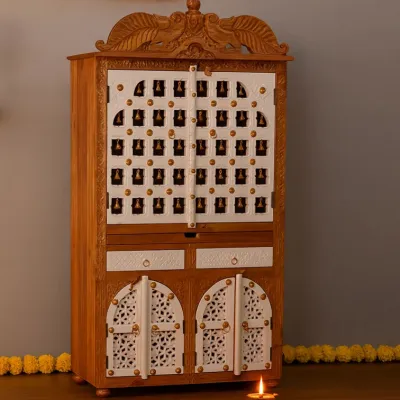
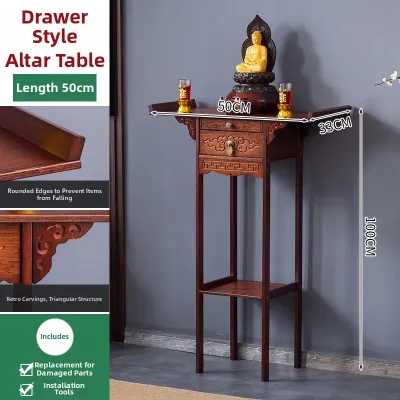
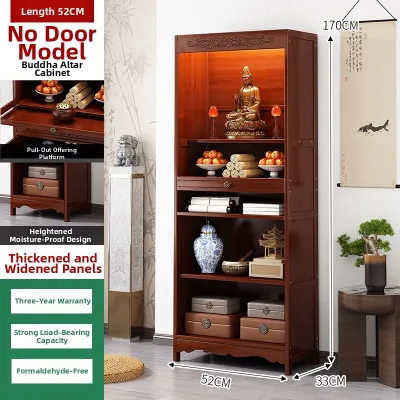
Prices are valid at publication and may change. Please refer to the product page for the latest price.
Household safety and traffic patterns should also influence your decision. If you have young children or active pets, a low, open floor-standing altar may pose safety risks. In these environments, an elevated wall-mounted shrine or an enclosed cabinet shrine with lockable doors is often a safer choice. This setup keeps delicate statues, burning incense, and oil lamps safely out of reach, preventing accidental tipping or contact with hot ash.
Comparing Common Home Temple Shrine Styles
Wall-mounted and floating shelves are highly popular choices for compact apartments and minimalist households. These units keep the floor area completely clear, making them excellent for homes with limited space. Because they rely on wall anchors, they have strict weight limits and are best suited for single, lightweight statues and small incense holders. They offer a clean, modern look while keeping your sacred space elevated and respectful.

Tabletop and cabinet shrines offer a versatile middle ground, sitting comfortably on existing sideboards, consoles, or dedicated altar tables. Many of these designs feature front doors that can be closed when the shrine is not in use, which is highly practical for multi-purpose rooms. They typically include integrated drawers or pull-out shelves, providing a dedicated space to store sutras, lighter wands, and daily ritual supplies neatly out of sight.
Floor-standing wooden shrines are substantial, traditional furniture pieces ideal for larger homes or dedicated prayer rooms. They offer multiple tiers to arrange a complete assembly of statues, ancestral tablets, and elaborate offerings. Their solid base provides excellent stability, and they often feature extensive lower cabinet storage for large packages of incense, oil, and chanting books, keeping all your spiritual essentials in one place.
Evaluating Materials and Design for Longevity
Because a home shrine is a long-term investment, the quality of its materials and finish is paramount. The shrine must withstand the heat and residue of daily offerings. Look for dense hardwoods or high-quality engineered woods with heat-resistant, non-porous finishes. Untreated or poorly sealed wood can easily warp, crack, or discolor when exposed to the heat of oil lamps or the moisture of daily water offerings.
Smoke management is another crucial factor for indoor air quality and home maintenance. If you choose an enclosed cabinet shrine, verify that it has adequate ventilation features, such as slatted back panels, side vents, or roof gaps. This allows incense smoke to disperse naturally rather than accumulating inside the cabinet, which can leave a thick layer of soot on the shrine’s ceiling and the statues themselves.
While traditional shrines often feature intricate carvings and dark red or gold finishes, modern minimalist designs are increasingly common. Selecting a style and color palette—such as light oak, walnut, or matte white—that complements your existing home decor is a matter of personal preference. A harmonious design ensures the shrine feels like a natural, respectful extension of your living space rather than a mismatched addition.
Identifying Essential Features for Daily Practice
If the shrine includes built-in lighting or if you plan to add your own, electrical safety must be a priority. Ensure all electrical components, wiring, and adapters comply with local safety standards. Avoid high-wattage incandescent bulbs that generate excessive heat; instead, opt for low-voltage, cool-running LED lights. Always isolate the power supply before cleaning or adjusting any electrical fixtures near flammable offerings.
Storage configurations can greatly improve the organization of your daily practice. Look for shrines with built-in drawers, sliding trays, or lower cabinets. Having a dedicated, hidden space for matches, incense boxes, cleaning cloths, and chanting books keeps the main altar surface uncluttered and dedicated solely to worship, promoting a peaceful and focused environment.
Heavy statues made of brass, bronze, stone, or thick ceramic require a sturdy foundation. Ensure the main platform is structurally reinforced and level. If you are using a wall-mounted shelf, verify the load-bearing capacity of both the shelf and the wall itself. Concrete walls offer much higher weight capacities than drywall partitions, which may require additional stud anchoring.
Planning Respectful Placement and Clearances
Position your shrine in a quiet, clean, and dignified area of the home, such as a dedicated study or a quiet corner of the living room. Avoid placing the shrine directly facing or sharing a wall with a bathroom, kitchen, or utility room, as these areas are traditionally associated with impurity and high moisture. The shrine should face an open area to allow positive energy to circulate freely.
To show proper reverence, the main statue or sacred object should be positioned at or above eye level when you are standing or seated during practice. Looking down on a sacred image is generally avoided in Buddhist tradition. If you use a tabletop shrine, ensure the supporting furniture is tall enough to achieve this respectful elevation.
Ensure there is sufficient open space in front of and around the shrine for comfortable movement. You will need enough room to stand, bow, kneel, or perform full prostrations without bumping into other furniture. If you host group chanting sessions or family prayers, plan the layout so multiple people can gather comfortably without crowding the altar area.
Final Pre-Purchase Checklist and Safety Checks
Before finalizing your purchase, double-check the physical dimensions of the shrine against your measured space. Compare the weight of your heaviest statues with the manufacturer’s specified weight capacity for the shrine’s shelves to ensure structural safety.
Determine if the unit requires self-assembly or professional installation. For heavy wall-mounted shrines, it is highly recommended to hire a qualified professional installer to ensure secure anchoring into the wall structure, preventing catastrophic falls. If the installation involves fixed electrical wiring for integrated lighting, always employ a licensed electrician.
Large floor-standing cabinets can be exceptionally heavy and bulky. Review the delivery terms to ensure the delivery team can navigate your building’s lifts, corridors, and stairwells. Confirm the return policy and warranty terms in case the item arrives damaged or does not fit your space as planned.
Frequently Asked Questions (FAQ)
How do I clean and maintain a wooden home shrine?
To keep your wooden shrine in pristine condition, perform daily dusting using a soft, dry microfiber cloth to prevent abrasive dust particles from scratching the finish. Avoid using wet cloths or harsh chemical cleaners, which can strip the protective sealant or cause the wood to swell. Always check the manufacturer’s specific care instructions before applying any commercial wood polishes or oils. Additionally, inspect the ventilation gaps and the ceiling of the shrine regularly; wipe away any soot or oil residue promptly to prevent permanent staining and minimize fire hazards.
Can I place a home temple shrine in the bedroom?
In traditional practice, placing a home shrine in a bedroom is generally discouraged to maintain a clear boundary between sacred practice and private, everyday life. However, if you live in a studio apartment or a shared rental room where options are limited, you can still set up a respectful altar. Use a clean room divider, a folding screen, or a dedicated curtain to physically separate the shrine from your sleeping area when it is not in use. Ensure the shrine is placed on an elevated shelf or cabinet, and position it so that it is never located directly at the foot of your bed.

Community discussion
Share your experience or ask a question. Comments are reviewed before publication.