
Selecting the ideal home fragrance device requires balancing aesthetic appeal with practical performance. To find the right Hooga diffuser model for your space, you must match the device’s water tank capacity, mist output, and power source to your specific room dimensions and daily routine. By evaluating these technical features alongside your design preferences, you can successfully establish a consistent, comforting hooga scent throughout your living environment.
While many choose a diffuser solely based on how its exterior complements their interior decor, understanding the underlying mechanics ensures you do not end up with an underpowered unit in a large living room or an overwhelming mist output in a compact study. Taking a systematic approach to coverage, runtime, and maintenance requirements will help you make an informed investment that enhances your home’s atmosphere.
Define Your Space and Usage Needs First
Before browsing specific diffuser models, you must evaluate the physical characteristics of the room where you plan to place the device. In Singapore, residential layouts vary significantly, from compact study rooms and cozy bedrooms in HDB flats to expansive, open-concept living and dining areas. The total floor area of your target space directly dictates the volume of mist required to distribute the essential oil particles effectively without oversaturating the air.
Products mentioned in this guide
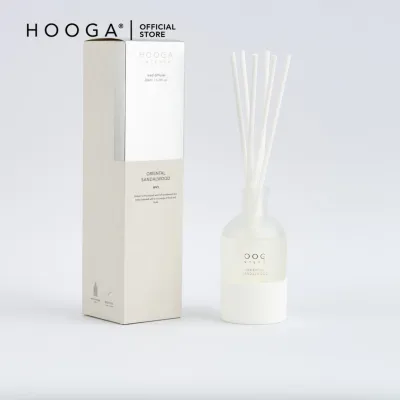

![[6 NEW SCENTS] Hooga Black Series Reed Diffuser 200ml](https://img.lazcdn.com/g/p/1ffd8c3f6be39df0f302c26adff3be23.jpg_400x400q80.jpg_.webp)
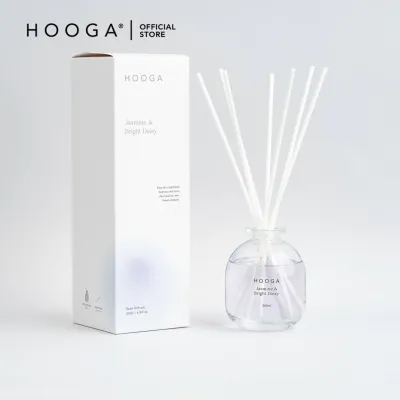
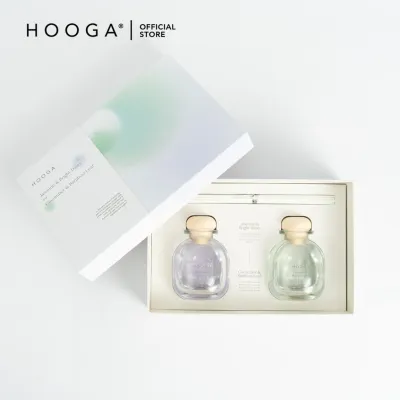
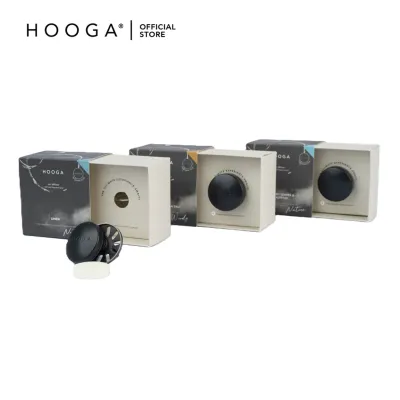
Prices are valid at publication and may change. Please refer to the product page for the latest price.
Air circulation patterns within your home also play a critical role in scent distribution. A room that relies on natural ventilation with open windows will experience rapid air exchange, requiring a diffuser with a more robust, continuous mist output to maintain a noticeable aroma. Conversely, an air-conditioned room retains fragrance much longer but is highly susceptible to dry air, making a gentle, consistent ultrasonic mist highly beneficial for both scenting and light humidification.
Your daily schedule and usage habits should guide your choice of runtime and control features. If you intend to use the diffuser primarily as a sleep aid, you will need a model that can run safely overnight for seven to eight hours without requiring a manual refill. For brief, focused sessions—such as during a morning yoga routine or while working at your desk—a smaller model with a short, automated timer is often more practical and prevents scent fatigue.
Finally, map out the physical placement of the device, paying close attention to power outlet availability and safety boundaries. Ultrasonic diffusers require a stable, level surface away from sensitive electronics, delicate wood finishes, and fabrics that could be damaged by localized moisture. You must verify whether the placement area has access to a standard wall outlet or if a USB-powered model is necessary to run the device directly from a laptop or a portable power bank on a desk or shelf.
Matching Hooga Models to Room Size and Coverage
To achieve an optimal scent experience, you must match the diffuser’s coverage rating with your room’s dimensions. Manufacturers typically categorize their diffusers into compact, medium, and large-capacity models, each engineered to service a specific range of square footage. Placing a compact model designed for a small desk into a large, high-ceilinged living room will result in a faint, localized scent that fails to fill the space.

When evaluating different models, check the manufacturer’s packaging or product specification sheet for the recommended coverage area, usually stated in square meters or square feet. For small bedrooms, home offices, or bathrooms, a compact diffuser with a modest mist output is generally sufficient. These smaller units disperse a fine, delicate mist that gently scents the immediate vicinity without overwhelming the senses or causing moisture to pool on nearby surfaces.
For larger communal areas, such as open-plan living rooms, dining halls, or master suites, you should look for mid-sized to large-capacity models. These units feature more powerful ultrasonic transducers that generate a higher volume of mist per hour, ensuring the scent particles travel across a wider radius. Some advanced models also incorporate adjustable mist settings, allowing you to dial the output up or down depending on the immediate needs of the room.
Additionally, pay attention to the physical design of the mist nozzle and dispersion features. Models with directional nozzles allow you to guide the mist path away from walls or electronics, while units with 360-degree dispersion openings help distribute the aroma evenly in all directions. If you have high ceilings or a particularly drafty layout, choosing a model with a higher vertical mist projection can help the scent linger in the living zone longer before dispersing upward.
Evaluating Runtime, Tank Capacity, and Power
The relationship between water tank capacity and mist output determines how long a diffuser can operate before it requires a refill. Compact models typically feature water tanks ranging from 80ml to 150ml, which generally translate to three to five hours of continuous operation. These are highly suited for targeted, short-duration use where you do not want water sitting idle in the tank for extended periods.
Medium and large-capacity models often house tanks from 200ml to 500ml or more, extending the operational runtime significantly. On a continuous mist setting, a 300ml model can easily run for six to eight hours, while a 500ml model may offer over ten hours of performance. Many of these larger units also feature an intermittent mist mode, which cycles the ultrasonic plate on and off at set intervals, effectively doubling the runtime and preventing your olfactory senses from becoming desensitized to the fragrance.
Safety and convenience features are paramount when selecting a model for overnight or unattended use. You should verify that any model you consider includes an automatic shutoff mechanism that cuts power to the ultrasonic plate the moment the water level drops below the minimum threshold. This prevents the device from overheating, protects the internal circuitry, and ensures peace of mind when running the unit in a child’s bedroom or while you sleep.
Power compatibility is another crucial technical factor to verify before purchase. In Singapore, standard household outlets supply electricity at 220-240V. If you select a model powered by a standard AC adapter, ensure the adapter carries the appropriate local safety certifications, such as the Safety Mark, to guarantee electrical safety. For office desks or travel, a USB-powered model operating at 5V offers excellent flexibility, though it typically delivers a lower mist volume compared to its mains-powered counterparts.
Design, Materials, and Everyday Maintenance
Because a diffuser sits openly on your tables, shelves, or countertops, its visual design and material composition are key considerations. The product lineup features various aesthetic styles, ranging from minimalist matte plastics and warm faux-wood finishes to premium ceramic and frosted glass covers. While plastic models are lightweight, highly durable, and budget-friendly, ceramic and glass options offer a more substantial, high-end look that complements modern, Scandinavian, or classic interior styles.
When choosing a material, consider both durability and ease of handling. Ceramic and glass covers are elegant but fragile, requiring careful handling during refills and cleaning, making them less suitable for households with active pets or young children. Plastic covers, particularly those made from high-grade, BPA-free polypropylene, are highly resistant to the corrosive properties of pure essential oils and can withstand accidental bumps or short drops without cracking.
Everyday maintenance is critical to preserving both the performance of your device and the purity of the diffused aroma. Over time, essential oil residues and mineral deposits from water can accumulate on the delicate ultrasonic plate and the interior walls of the water tank. You must review the manufacturer’s cleaning guidelines before purchasing to ensure the water tank is easily accessible, with a wide opening that allows you to wipe down the interior surfaces thoroughly without awkward angles.
Operating noise is another factor that directly impacts your comfort, especially in quiet environments like bedrooms or study rooms. Ultrasonic diffusers are generally very quiet, but they are not completely silent; they produce a gentle, low-frequency hum from the internal fan and occasional water-dripping sounds. If you are highly sensitive to noise, look for models specifically rated for whisper-quiet operation, typically maintaining a noise level below 30 decibels, to ensure your sleep or concentration remains completely undisturbed.
Decision Framework: Which Hooga Diffuser Should You Buy?
To finalize your decision, you can apply a simple, condition-based framework that aligns your physical space, lifestyle needs, and budget. If you are looking for a budget-friendly, highly portable option for a small study desk or a bedside table, a compact USB-powered model with a plastic finish is the most practical choice. These models are easy to move, run efficiently off a laptop or wall adapter, and provide a subtle, personal scent zone.
If you want to scent a standard bedroom or a medium-sized dining area while adding an elegant decorative element to the room, a mid-sized ceramic or glass model with a 200ml to 300ml capacity is ideal. This setup provides a generous six to eight hours of runtime, features customizable LED lighting to create a warm ambiance, and delivers a stronger mist output capable of filling the room. Before purchasing, check the current retail prices in S$ across official brand outlets and authorized local home decor retailers to find the best value.
For large, open-concept living spaces or high-traffic areas where long-lasting fragrance is the primary goal, you should prioritize a large-capacity model of 500ml or more. Look for units that offer multiple timer settings, adjustable mist levels, and an intermittent mode to maximize scent delivery over twelve hours or more. If you require advanced features like smart home integration, scheduling via a mobile app, or precise humidity controls, you may need to look at alternative specialized smart diffusers, as standard decorative models focus primarily on manual operation and aesthetic simplicity.
Before making your final purchase, always perform a quick pre-buy checklist. Verify the physical dimensions of the unit to ensure it fits your designated shelf or table, confirm the power cord length is sufficient to reach your outlet safely without creating a tripping hazard, and ensure you have access to clean, room-temperature water for daily operation. By matching these practical parameters to your home’s layout, you will secure a reliable device that delivers a consistent, relaxing fragrance experience day after day.
Frequently Asked Questions (FAQ)
Can I use tap water in a Hooga ultrasonic diffuser?
You should always consult your specific model’s user manual first, as water recommendations can vary slightly by design. Generally, while many ultrasonic diffusers can operate using clean tap water, using distilled or filtered water is highly recommended to prolong the lifespan of the device. Tap water contains dissolved minerals, such as calcium and magnesium, which can gradually build up as a hard crust on the delicate ultrasonic plate.
Over time, this mineral buildup restricts the vibration of the ultrasonic plate, leading to a noticeable decline in mist output and potentially causing the motor to overheat and fail prematurely. If you must use tap water, especially in areas with harder water, performing regular descaling is essential to keep the misting mechanism functioning at its optimal level.
How often should I clean the diffuser to maintain the hooga scent?
To ensure a pure, uncorrupted aroma and prevent the growth of mold or bacteria, you should perform a quick rinse and wipe-down of the water tank after every three to four uses, or whenever you plan to leave the device idle for more than a day. Simply empty any remaining water away from the air outlet side, wipe the interior with a soft microfiber cloth, and let it air dry completely before refilling.
A more thorough deep cleaning should be performed at least once every one to two weeks, or immediately before switching to a completely different essential oil blend. To deep clean, fill the tank halfway with clean water, add a few drops of white vinegar, and run the diffuser in a well-ventilated room for five to ten minutes to break down stubborn oil residues on the ultrasonic plate. Empty the mixture, wipe the plate gently with a cotton swab dipped in rubbing alcohol, rinse thoroughly with clean water, and dry with a soft cloth.
Community discussion
Share your experience or ask a question. Comments are reviewed before publication.