
Selecting the right outdoor lighting for a home in Singapore requires careful consideration of the local climate. With frequent heavy downpours, high humidity, and intense sunlight, outdoor fixtures face severe environmental stress. For a solar light with a clip, which is often moved around balconies, garden fences, or patio railings, choosing the correct Ingress Protection (IP) rating is the single most important factor in ensuring long-term durability.
To survive Singapore’s weather, a solar clip light should have a minimum rating of IP65 if it is placed in fully exposed outdoor areas. For semi-covered spaces, such as sheltered balconies or deep corridors, a minimum rating of IP44 is generally sufficient. Understanding how these ratings work and matching them to your specific installation environment will prevent premature electrical failures and save you from replacing damaged fixtures.
Understanding IP Ratings for Outdoor Lighting
The Ingress Protection (IP) rating system is an international standard used to define the levels of sealing effectiveness of electrical enclosures against intrusion from foreign bodies and moisture. When shopping for a solar light with a clip on ecommerce platforms or at local home improvement stores, you will see this rating expressed as “IP” followed by two digits. Each digit represents a specific type of protection, and understanding this code is crucial for making an informed purchase.
Products mentioned in this guide
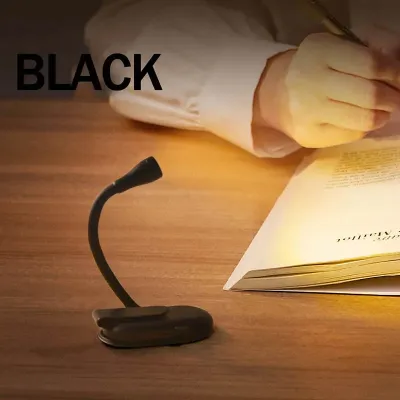
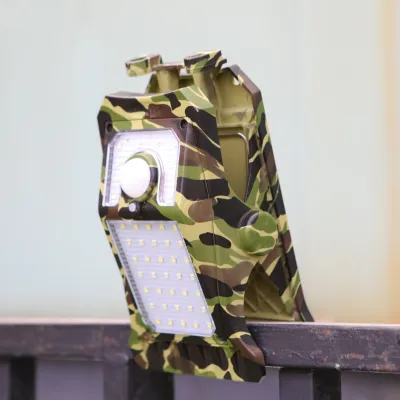
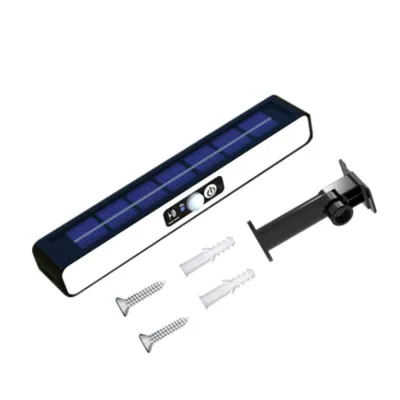
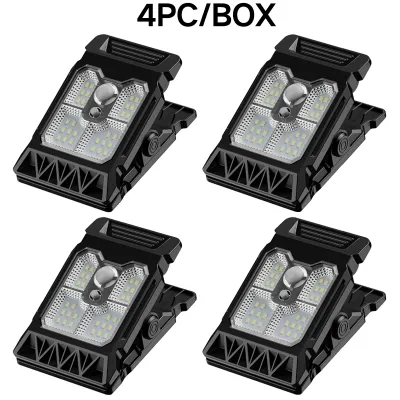
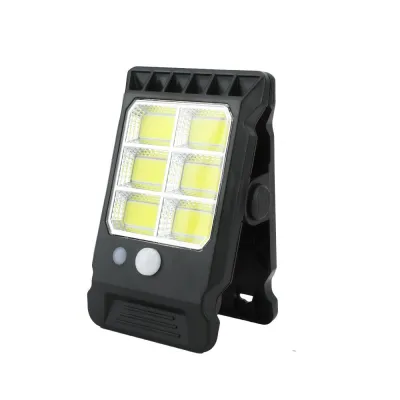
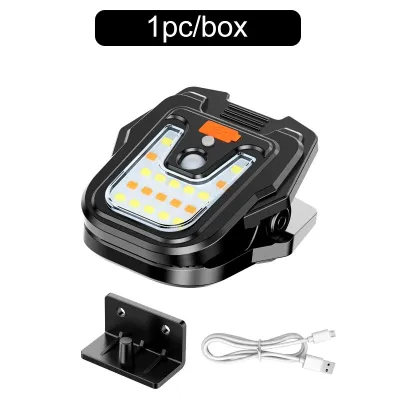
Prices are valid at publication and may change. Please refer to the product page for the latest price.
The first digit in the IP rating ranges from 0 to 6 and indicates the level of protection against solid objects, such as dust, dirt, and accidental contact. A rating of 4 means the fixture is protected against solid objects larger than 1 millimeter, while a rating of 6 indicates the unit is completely dust-tight. For outdoor environments where wind can blow fine debris into small crevices, a higher first digit ensures that the internal housing remains clean and free of particles that could trap moisture.
The second digit ranges from 0 to 9 and measures protection against liquids, specifically water ingress. This is the most critical number for outdoor lighting in tropical regions. A second digit of 4 means the light can withstand water splashing from any direction, whereas a 5 indicates protection against low-pressure water jets. A rating of 7 or 8 means the device can withstand temporary or continuous immersion in water.
When evaluating solar clip lights, it is essential to verify these ratings in the official product specifications or user manuals. Many products are marketed with vague terms like “waterproof,” “weatherproof,” or “rain-resistant” in their titles. These marketing claims are not standardized and do not guarantee performance. Only a certified IP rating provides a reliable measure of how well the light’s seals will perform under real-world conditions.
How Singapore's Tropical Climate Impacts Solar Clip Lights
Singapore’s equatorial climate presents a unique set of challenges for outdoor electronic devices. The region experiences high rainfall throughout the year, characterized by sudden, intense downpours and prolonged monsoon seasons. During these heavy rains, water does not just fall vertically; wind-driven rain can strike a clip-on light from horizontal or upward angles, putting immense pressure on the physical seals of the housing. If the light lacks sufficient water jet resistance, moisture can easily bypass weak joints, leading to short circuits and permanent battery damage.
In addition to liquid water, the persistent high humidity in Singapore—often averaging above 80 percent—poses a silent threat to electronic components. High ambient moisture levels can lead to condensation forming inside the light housing if the seals are not airtight. Over time, this trapped moisture causes corrosion on the battery terminals, solar panel connections, and internal circuitry. This corrosion gradually degrades electrical conductivity, leading to flickering, reduced battery capacity, or complete device failure.
Furthermore, the intense ultraviolet (UV) radiation from the tropical sun can accelerate the degradation of the materials used to construct solar clip lights. Prolonged UV exposure breaks down standard plastics, causing them to become brittle, crack, or discolor. When the outer housing or the clip mechanism degrades, the physical integrity of the seals is compromised. Even a microscopic crack in the plastic casing or a weakened rubber gasket can allow water to seep in during the next rainstorm, rendering the light useless.
Matching IP Ratings to Your Outdoor Placement
Not all outdoor spaces require the same level of protection. To avoid overspending or under-protecting your lighting setup, you should evaluate the specific micro-environment where you plan to attach your solar clip light. A micro-environment refers to the immediate surroundings of the fixture, which can be heavily influenced by overhead structures, walls, and wind patterns.
Before purchasing a solar light with a clip, establish a clear decision framework based on where the light will be installed. Assessing whether the location is completely open to the elements or partially shielded will help you determine the exact level of liquid ingress protection required. This targeted approach ensures you select a light that is robust enough for its specific location without paying a premium for unnecessary levels of waterproofing.
Fully Exposed Areas (Uncovered Balconies, Garden Fences)
For solar clip lights attached to uncovered garden fences, open-air railings, or exposed tree branches, there is no protection from the elements. These fixtures must bear the full force of Singapore’s tropical storms. In these fully exposed micro-environments, you should look for a minimum rating of IP65. An IP65 rating ensures the light is completely dust-tight and can withstand low-pressure water jets from any direction, simulating heavy, driving rain.
A dust-tight seal (indicated by the first digit 6) is particularly important in exposed areas. Fine dust, pollen, and organic debris can accumulate in the small gaps around the solar panel and the clip joint. If these particles enter the housing, they can act like a sponge, holding onto moisture and accelerating internal corrosion. A fully sealed, dust-tight enclosure prevents this accumulation, keeping the internal electronics dry.
Additionally, because these lights are fully exposed, you must pay close attention to the clip mechanism itself. If the clip uses metal springs or screws, ensure they are made from rust-resistant materials such as stainless steel or treated alloys. Standard steel components will rust rapidly when exposed to rain and humidity, causing the clip to lose its tension or snap, which could result in the light falling and breaking.
Semi-Covered Areas (Under Eaves, Covered Patios)
If you plan to clip your solar lights under deep roof eaves, covered patios, or sheltered balconies, the risk of direct water contact is significantly reduced. In these semi-covered micro-environments, a lower liquid protection rating, such as IP44, is often acceptable. An IP44 rating means the light is protected against solid objects larger than 1 millimeter and can handle water splashing from any angle, which is sufficient for areas that only experience occasional wind-blown mist.
However, even if a light is shielded from direct downpours, it is still exposed to Singapore’s high ambient humidity. Over time, warm, humid air can enter poorly sealed compartments, and as temperatures drop at night, this moisture can condense into water droplets inside the fixture. Therefore, even an IP44 light must have reliable internal seals, such as rubber gaskets around the battery compartment, to prevent condensation from settling on sensitive electrical contacts.
It is also important to assess wind patterns in your semi-covered area. If your balcony or patio is highly exposed to strong winds during monsoon seasons, rain can easily blow horizontally, reaching areas that are normally dry. If you notice that wind-blown rain frequently wets your sheltered areas, treat these spots as fully exposed and opt for an IP65-rated light to prevent water damage.
Verifying Waterproof Claims and Build Quality
When shopping for solar clip lights, you cannot rely solely on the product titles or promotional graphics found on online marketplaces. To ensure you are buying a durable product, you must actively verify the manufacturer’s specifications and inspect the physical build quality of the light. Whether you are spending S$15 or S$50, verifying these details is essential for safety and performance.
Start by looking for a clearly stated IP rating in the detailed product specifications, user manual, or packaging. If a product is advertised as “waterproof” but does not list an official IP rating (such as IP65 or IP44), it is best to assume it has not undergone standardized testing. Additionally, check for electrical safety certifications and verify the battery voltage, charging limits, and dimensions to ensure the light is compatible with your intended installation environment. Note that decorative style, perceived color temperature, and spatial effects are subjective preferences and do not indicate physical durability or waterproofing quality.
Next, examine the physical construction of the light. High-quality waterproof lights feature visible seals, such as thick silicone rings or rubber gaskets, around the battery compartment door, the power button, and the seams where the solar panel meets the plastic housing. If the battery compartment simply snaps shut without a rubber seal, water and humidity will easily find a way inside.
Finally, evaluate the materials used for the housing and the clip. Look for products made from UV-stabilized or UV-treated plastics, such as high-grade ABS or polycarbonate, which resist cracking and fading under intense sunlight. If the clip mechanism relies on a metal spring, verify that it is made of stainless steel or is fully enclosed within a plastic housing to protect it from moisture and prevent rust. For any installation environment that requires working at height, such as clipping lights to high gutters or tall tree branches, always follow proper safety precautions, use a stable ladder, and ensure the fixture is securely fastened to prevent falling hazards.
Maintenance Tips to Prolong Lifespan in Humid Conditions
Even the highest-rated IP65 solar clip light requires regular maintenance to survive the demanding Singapore climate over the long term. Implementing a simple routine check will help preserve the integrity of the seals and ensure the light continues to charge and operate efficiently.
First, wipe the solar panel surface regularly with a soft, damp cloth. In Singapore, outdoor surfaces quickly accumulate a layer of fine dust, pollen, and water spots from dried rain. This buildup blocks sunlight from reaching the solar cells, reducing charging efficiency and leaving the battery undercharged. Keeping the panel clean ensures it can maximize solar energy absorption even on overcast days.
Second, periodically inspect the battery compartment and the clip mechanism. Open the battery door to check for any signs of moisture, white powdery corrosion, or battery swelling. If you detect minor condensation, wipe it dry and check if the rubber gasket is properly seated or needs cleaning. Replacing rechargeable batteries according to the manufacturer’s recommended schedule—typically every one to two years—will prevent old batteries from leaking and damaging the internal circuitry. Always isolate the power by turning the light off before performing any maintenance or battery replacements.
Lastly, consider storing easily detachable clip lights indoors during periods of prolonged, severe monsoon weather. While an IP65 light is designed to withstand heavy rain, continuous exposure to weeks of relentless downpours and extreme humidity can test the limits of any seal. Temporarily bringing the lights inside during the wettest months of the year can significantly extend their overall lifespan and keep them functioning for years to come.
Frequently Asked Questions (FAQ)
Can I use an indoor solar light with a clip outside if it is under a roof?
No, you should not use an indoor-rated solar light outdoors, even if it is placed under a deep roof or in a fully sheltered area. Indoor lights are not designed to withstand the high ambient humidity and temperature fluctuations characteristic of Singapore’s outdoor environments. Without the specialized rubber gaskets and UV-resistant housings found in outdoor-rated fixtures, indoor lights will quickly succumb to internal condensation. This moisture buildup can cause rapid battery corrosion, electrical short circuits, or battery leakage, which not only ruins the device but also voids any manufacturer warranty. Always choose a light specifically rated for outdoor use, with at least an IP44 rating, for any semi-covered outdoor space.
Does a higher IP rating mean the solar panel will charge better in the rain?
No, a higher IP rating does not improve the solar panel’s ability to charge during rainy or cloudy weather. The IP rating only measures the physical protection of the light’s enclosure against the ingress of solids and liquids; it has no bearing on the electrical efficiency or light absorption of the solar cells. Solar charging relies entirely on exposure to sunlight. During rainy or heavily overcast days, the amount of available solar radiation is naturally reduced, meaning the battery will charge much slower regardless of whether the light is rated IP44 or IP65. To ensure optimal charging, focus on placing the light in a position that receives maximum direct sunlight during the day, and keep the solar panel clean.

Community discussion
Share your experience or ask a question. Comments are reviewed before publication.