
Surviving the intense tropical downpours and persistent high humidity of Singapore’s monsoon seasons requires more than just a sturdy exterior. For an LED garden light solar fixture to remain functional year after year, it must possess a verified level of environmental defense. This defense is measured and certified through the Ingress Protection (IP) rating system, which is found on the product’s technical specification sheet or packaging.
While many outdoor products are marketed with vague descriptors like “weatherproof” or “water-resistant,” these terms lack standardized testing protocols. To ensure your outdoor lighting can withstand sudden cloudbursts and high ambient moisture, you must look at the specific two-digit IP code. Matching this rating to the exact placement of the light in your garden is the most effective way to prevent premature electrical failure and protect your investment.
Understanding IP Ratings for Outdoor Lighting
The Ingress Protection (IP) rating is an international standard that classifies the degrees of protection provided against the intrusion of solid objects, dust, accidental contact, and water in electrical enclosures. The code always begins with the letters “IP,” followed immediately by two distinct digits. Each digit represents a specific type of environmental resistance, allowing consumers to evaluate a product’s suitability for outdoor installation without relying on marketing claims.
Products mentioned in this guide
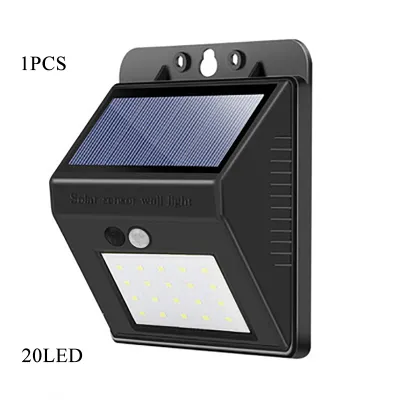
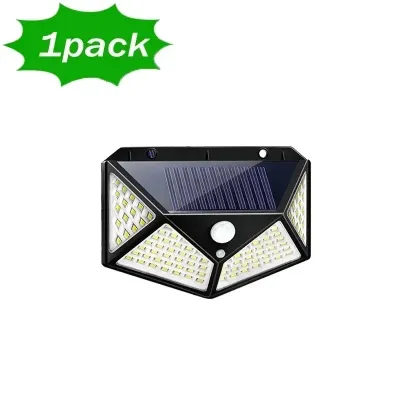
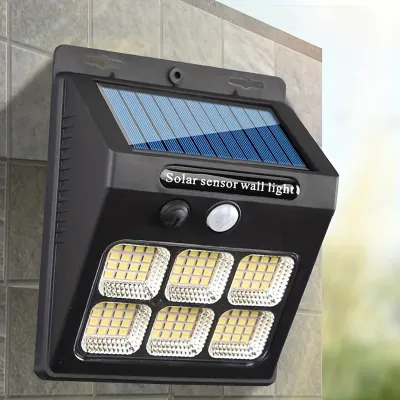
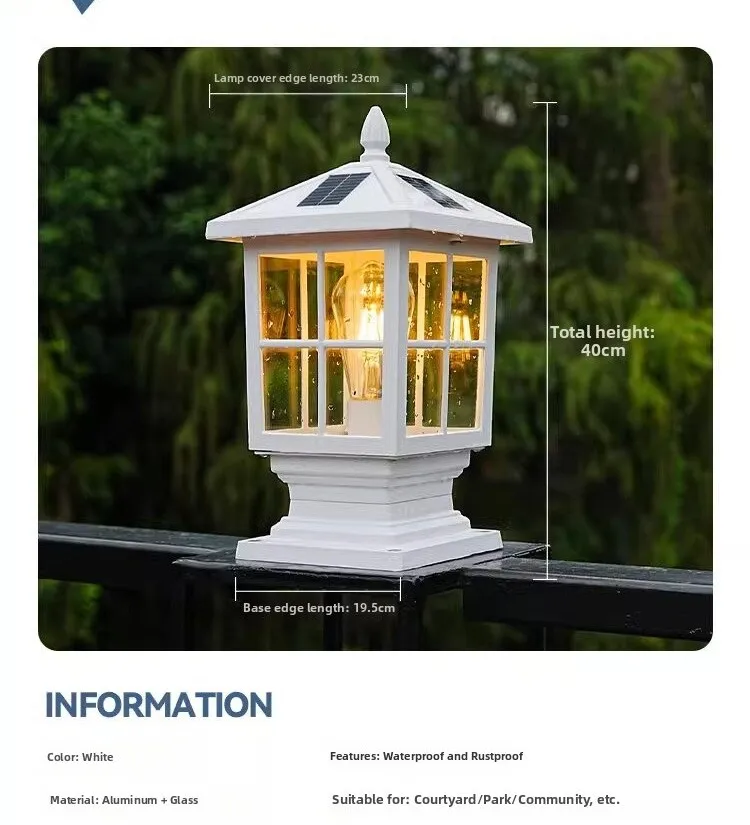
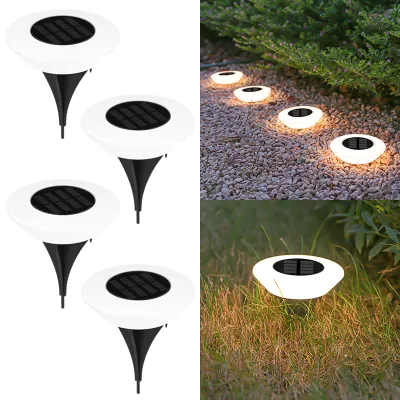
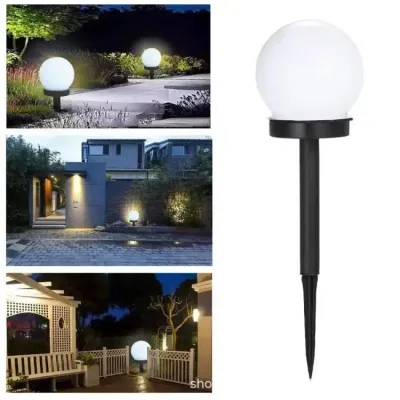
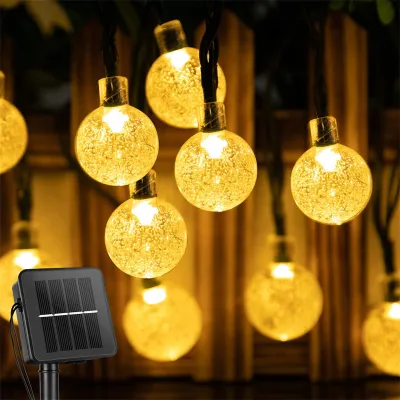
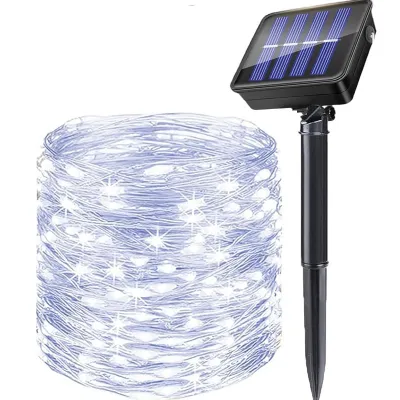
Prices are valid at publication and may change. Please refer to the product page for the latest price.
The first digit in the IP code ranges from zero to six and indicates the level of protection against solid particles, such as dust, dirt, and insects. A rating of five means the enclosure is protected against dust deposits that could interfere with operation, while a rating of six represents a completely dust-tight seal. In a garden environment, preventing fine soil particles and small insects from entering the light housing is critical to maintaining both electrical safety and optical clarity.
The second digit ranges from zero to nine and measures the enclosure’s resistance to liquids, specifically water. This digit is the most critical factor when evaluating fixtures for Singapore’s rainy season, as it dictates how well the internal circuitry is shielded from moisture. To locate this rating, look closely at the product packaging, the user manual, or the technical specifications plate printed directly on the physical light housing.
Beyond the IP rating, you should also verify other critical technical specifications before purchasing. These include the operating voltage, base or interface type, wattage limits, physical dimensions, and dimming methods. Ensuring the fixture has appropriate electrical certifications for outdoor use provides an additional layer of safety and compatibility with your existing garden setup.
Relying on generic marketing terms can lead to premature product failure. A fixture labeled “waterproof” might only be designed to handle light misting, whereas a certified IP-rated product has undergone standardized laboratory testing to prove its resistance to specific water pressures and volumes. Always prioritize verified IP ratings over promotional language when selecting outdoor lighting.
Evaluating Waterproof Levels for Heavy Rain and Humidity
To choose the right LED garden light solar fixture, you must understand what the second digit of the IP rating signifies under real-world weather conditions. A second digit of four indicates protection against splashing water from any direction, which is generally insufficient for fully exposed outdoor areas during heavy downpours. A digit of five signifies protection against low-pressure water jets, while a six indicates resistance to high-pressure water jets, making it highly suitable for intense tropical storms.

For areas in your garden that are prone to temporary flooding or pooling water, a second digit of seven or eight is necessary. A rating of IP67 means the fixture can withstand temporary immersion in water up to one meter deep for a limited duration, which is ideal for low-lying flowerbeds or lawns that drain slowly after a heavy cloudburst. An IP68 rating indicates suitability for continuous immersion, though this level is typically reserved for pond lights rather than standard garden path fixtures.
When planning your outdoor lighting layout, create a placement strategy based on exposure levels. Sheltered areas, such as under dense tree canopies, covered patios, or deep building eaves, may only require an IP65 rating, as they are partially shielded from the direct impact of falling rain. In contrast, fully exposed lawns, open pathways, and garden borders require a minimum of IP66 or IP67 to survive the direct force of monsoon rains and the subsequent ground accumulation.
While decorative style, perceived color temperature, and spatial lighting effects are highly valued for creating ambiance, they remain conditional aesthetic preferences rather than universal indicators of a light’s physical durability or performance. Prioritize structural integrity and waterproof ratings first, then select styles that complement your landscape design.
Before finalizing your purchase, cross-reference the selected IP rating with the manufacturer’s stated operational limits and warranty conditions. Some warranties may be voided if a light rated only for splashing is installed in a depression where water naturally pools. Ensuring that your physical installation matches the manufacturer’s intended use case protects both the hardware and your consumer rights.
Beyond Water: Protecting Solar Lights from Humidity and Heat
While liquid water from heavy rain is the most obvious threat, Singapore’s persistent high humidity and elevated ambient temperatures present secondary challenges that can degrade solar lighting components over time. High humidity levels accelerate the oxidation of metal components and can lead to micro-condensation inside the light housing if the seals are imperfect. Over months of exposure, this internal moisture can cause short circuits in the LED drivers and degrade the capacity of the rechargeable batteries.
The combination of intense tropical heat during the day and high humidity also accelerates the degradation of physical seals. Rubber O-rings and silicone gaskets, which are responsible for maintaining the light’s IP rating, can become brittle, crack, or lose their elasticity when exposed to constant UV radiation and temperature fluctuations. Once these seals fail, even a high IP-rated fixture will allow moisture to penetrate the internal chamber.
To mitigate these risks, perform regular physical inspections of the light’s casing materials and seals. Look for high-quality materials such as UV-stabilized polycarbonate, marine-grade aluminum, or stainless steel, which resist weathering better than cheap plastics. Ensure that the product’s operating temperature range, as specified in the user manual, is compatible with local outdoor conditions, which can reach high temperatures under direct sunlight.
Installation and Placement Strategies for Wet Conditions
Proper installation is just as important as choosing the correct IP rating when it comes to ensuring the longevity of your LED garden light solar fixtures. Avoid placing lights directly beneath roof downspouts, gutter overflows, or active garden sprinkler heads, where they will be subjected to concentrated, high-velocity water streams that exceed normal rainfall conditions. Similarly, steer clear of natural drainage paths or low points in the landscape where water naturally pools during heavy storms.
Always follow the manufacturer’s precise installation instructions regarding ground spikes, wall mounts, and clearance heights. Elevating the main body of the light slightly above the soil or mulch level using the provided ground spikes can prevent the housing from sitting in saturated ground. For wall-mounted or fence-mounted solar lights, ensure that the mounting surface is stable and that water cannot channel behind the fixture’s mounting plate.
While solar garden lights are generally low-voltage DIY products, certain installation scenarios require professional assistance. If your outdoor lighting plan involves modifying existing fixed electrical wiring, installing high-voltage backup systems, or mounting fixtures in structurally complex, damp areas at height, you must isolate the power supply and consult a qualified professional. Prioritizing safety ensures that your garden remains beautiful without posing electrical hazards to your household.
Maintenance and Troubleshooting in a Tropical Climate
A consistent maintenance routine is essential for extending the lifespan of your solar garden lights, particularly during and after the wet monsoon seasons. Rain splatter often deposits dirt, organic debris, and mineral film onto the surface of the solar panel, which significantly reduces its ability to absorb sunlight and charge the internal battery. Wipe the solar panels clean regularly using a soft, damp microfiber cloth and mild soapy water, avoiding abrasive cleaners that could scratch the protective coating.
During your routine cleaning, inspect the fixtures for observable warning signs of moisture ingress. Common indicators include visible condensation or water droplets behind the lens, flickering or dimming LEDs, and rust or corrosion on the battery contacts inside the compartment. If you notice any of these signs, it is important to address them immediately before permanent damage occurs to the delicate electronic components.
Establish clear stop-conditions for your troubleshooting efforts. If you discover that the rubber seals are visibly cracked, the casing is warped, or significant water has accumulated inside the battery compartment, discontinue use immediately. Attempting to operate a water-damaged solar light can lead to battery leakage or permanent circuit failure; in such cases, contact the manufacturer or replace the compromised components according to the user manual instructions.
Frequently Asked Questions (FAQ)
Can I leave solar garden lights outside during a severe thunderstorm?
While high IP-rated solar garden lights are engineered to withstand heavy rainfall, severe thunderstorms present additional physical hazards such as strong wind gusts, falling branches, and flying debris. These external forces can physically crack the solar panels, dislodge the fixtures from the ground, or damage the mounting brackets. If a severe weather warning is issued, it is advisable to temporarily secure or store fragile or highly exposed fixtures indoors to prevent physical damage that could compromise their waterproof seals.
Does a higher IP rating mean the solar panel will charge better in cloudy weather?
No, there is no correlation between a fixture’s IP rating and its solar charging efficiency. The IP rating measures only the physical enclosure’s resistance to dust and water ingress, whereas solar charging performance depends entirely on the quality of the photovoltaic cells, the surface area of the panel, and the capacity of the internal battery. To ensure your lights perform well during overcast monsoon days, check the product specifications for high-efficiency monocrystalline solar panels and adequate battery storage capacity.

Community discussion
Share your experience or ask a question. Comments are reviewed before publication.