
To withstand Singapore’s intense tropical downpours, high humidity, and sudden monsoon thunderstorms, a solar outdoor light generally requires a minimum rating of IP65 for fully exposed areas, while partially sheltered spots can often utilize an IP44 rating. Selecting the correct Ingress Protection (IP) rating is the most reliable way to ensure your garden, pathway, or patio lighting remains functional and safe despite heavy rain and moisture. Because Singapore experiences high annual rainfall and relative humidity levels that frequently exceed 80 percent, outdoor electronic enclosures face severe environmental stress that can quickly lead to internal corrosion or electrical failure if not properly sealed.
When planning your outdoor lighting setup, relying on vague marketing terms like “waterproof” or “weather-resistant” is rarely sufficient. Instead, a systematic approach involves decoding the standardized IP rating system, matching specific ratings to the microclimates of your outdoor spaces, and verifying critical material specifications that go beyond water resistance. By understanding these technical standards, you can make informed decisions that protect your investment and keep your outdoor spaces safely illuminated.
Decoding IP Ratings for Solar Outdoor Lights
The Ingress Protection (IP) rating system is an international standard that classifies the degree of protection provided by an electrical enclosure against solids and liquids. Every official IP rating consists of the letters “IP” followed by two digits, each representing a specific level of resistance. Understanding how to read these digits allows you to independently verify a product’s durability before installation.
Products mentioned in this guide
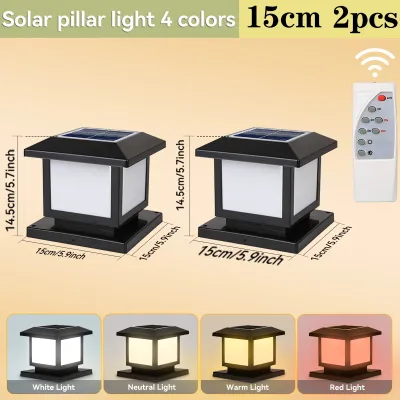
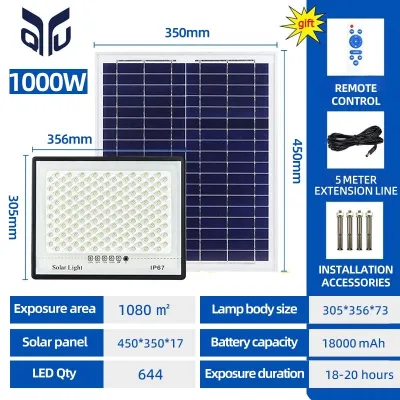
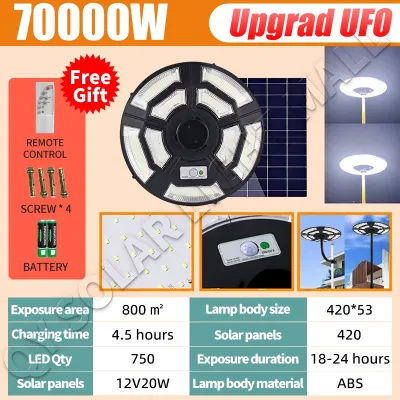
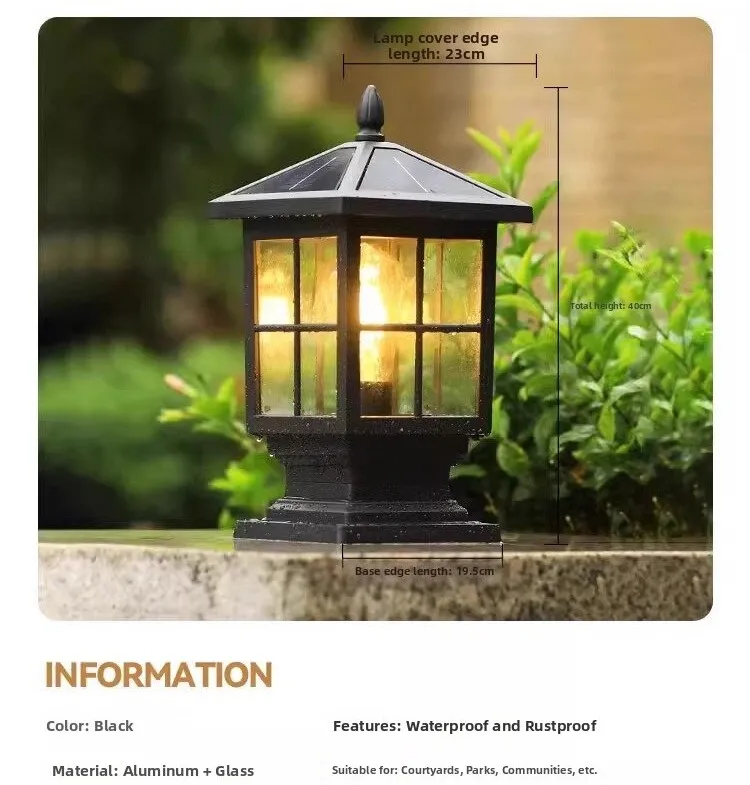
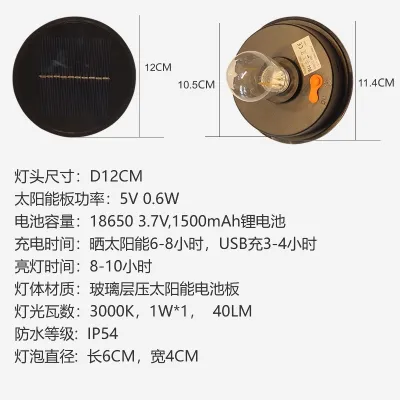
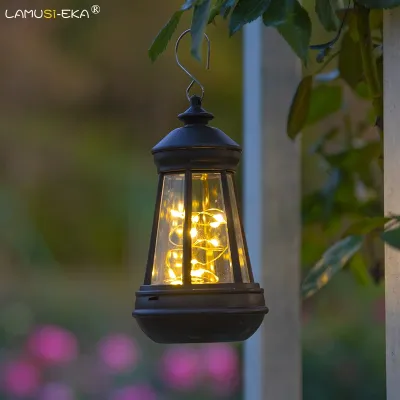
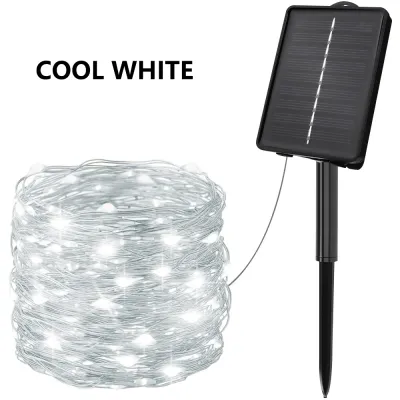
Prices are valid at publication and may change. Please refer to the product page for the latest price.
The first digit in the IP code ranges from 0 to 6 and indicates the level of protection against solid objects, dust, and accidental contact. A rating of 5 means the fixture is protected against dust ingress that could interfere with operation, while a rating of 6 represents a completely dust-tight enclosure. For outdoor lights placed near soil, garden beds, or dusty pathways, a high first digit is essential to prevent fine particles and small insects from nesting inside the housing.
The second digit ranges from 0 to 9K and measures the fixture’s resistance to water ingress. A lower rating, such as 4, indicates protection against splashing water from any direction, which is suitable for light rain or sheltered areas. A rating of 5 protects against low-pressure water jets, while a 6 protects against high-pressure water jets, making it highly resilient against torrential downpours. Ratings of 7 and 8 indicate that the fixture can withstand temporary or continuous immersion in water, respectively, under specific manufacturer-defined conditions.
To locate this rating, check the product packaging, the user manual, or the technical specification sheet provided by the manufacturer. Reliable solar outdoor light brands will clearly print the exact IP rating on the product’s regulatory label, which is often located on the underside of the solar panel or near the battery compartment. If a product listing or packaging lacks a specific two-digit IP code, it is best to treat its weatherproofing claims with caution.
Matching IP Ratings to Your Outdoor Locations
Not every corner of your outdoor space requires the highest level of water resistance, and matching the IP rating to the specific installation environment can help you optimize your budget. Sheltered spots, such as covered patios, deep balconies, carports, or areas directly beneath deep roof eaves, receive significant protection from direct vertical rainfall. For these semi-protected locations, solar lights with an IP44 rating are generally adequate, as they can handle ambient moisture, condensation, and the occasional wind-blown splash without failing.

Fully exposed areas, including open lawns, garden pathways, fence tops, and driveways, bear the full brunt of Singapore’s tropical weather. These fixtures must withstand heavy, wind-driven rain that can strike from horizontal angles during intense storms. For these open environments, you should select solar outdoor lights with a minimum rating of IP65. This rating ensures that the internal electronics and battery cells remain dry even when subjected to sustained, low-pressure water streams from any direction.
Ground-level installations and water-adjacent features require even more stringent protection. Path lights recessed directly into the ground, uplights positioned near drainage channels, or fixtures installed adjacent to garden ponds are highly susceptible to temporary pooling or heavy splashing. For these challenging environments, look for fixtures rated IP67, which are designed to survive temporary submersion in water. When installing ground-recessed lights, always verify that the surrounding soil or gravel provides adequate drainage to prevent the fixture from sitting in standing water for extended periods.
It is critical to distinguish standardized IP ratings from generic marketing claims. Many products sold on online marketplaces are advertised as “waterproof” or “all-weather,” yet they may only possess an IP43 or lower rating, which cannot survive a typical tropical thunderstorm. Always look past the promotional headlines and verify the exact IP rating on the specification sheet to ensure the light is truly suited for its intended location.
Critical Specs Beyond Waterproofing for High Humidity
While a high IP rating is essential for keeping liquid water out, Singapore’s persistent high humidity and intense sunlight present additional challenges that water resistance alone cannot solve. The housing material of the solar light must be highly resistant to corrosion and chemical degradation. Look for product labels that specify the use of UV-stabilized polycarbonate, heavy-duty ABS plastic, or corrosion-resistant metals such as marine-grade aluminum or stainless steel. Untreated metals or cheap plastics will quickly rust, discolor, or become brittle under constant exposure to moisture and heat.
The sealing of the battery compartment is another critical point of failure in tropical climates. High humidity can lead to condensation buildup inside the fixture if the air inside is warm and the external temperature drops suddenly during a rain shower. Ensure the light features high-quality silicone or synthetic rubber gaskets around the battery door, secured by robust screws rather than simple plastic clips. A secure seal prevents humid air from entering the compartment, protecting the battery terminals from oxidation and preventing premature battery failure.
Additionally, the solar panel cover must be engineered to withstand intense ultraviolet (UV) radiation. Over time, standard plastic covers can yellow, cloud, or crack when exposed to constant sunlight, which significantly reduces the amount of light reaching the solar cells and lowers charging efficiency. Opt for solar lights that feature tempered glass covers or high-grade, UV-resistant polymers. Checking these material specifications alongside the IP rating will ensure your solar outdoor light maintains its performance over several seasons.
Safe Installation and Maintenance Boundaries
Proper installation is key to maintaining the integrity of a solar light’s weatherproof seals over time. Always adhere strictly to the manufacturer’s mounting, clearance, and drainage instructions. For instance, wall-mounted solar lights must be installed in the correct orientation to ensure that water drains away from the seals rather than pooling on top of them. Avoid placing stake lights in natural depressions in your garden where rainwater naturally accumulates, as prolonged exposure to standing water can exceed the limits of even high-IP-rated seals.
Regular maintenance is necessary to keep the solar panels clean and functioning efficiently, but it must be done safely to avoid damaging the protective seals. Clean the solar panel cover and the light housing using a soft, damp microfiber cloth and mild soapy water if necessary. Never use high-pressure water jets, garden hoses with spray nozzles, or abrasive scrubbing pads, as the force can easily dislodge silicone gaskets or drive water past the seals. Avoid harsh chemical solvents that can degrade plastic housings or strip protective UV coatings.
While many solar stake lights are designed for simple, tool-free DIY installation, certain scenarios require professional assistance. If your lighting plan involves structural mounting into masonry walls, high-altitude installation on roof eaves, or integrating solar-charged battery systems with existing low-voltage outdoor wiring, it is safest to consult a qualified professional. Always isolate any existing electrical power sources before working near outdoor wiring to prevent electrical hazards. Additionally, verify the charging voltage, battery base, and electrical certifications of any hybrid solar-wired systems to ensure safe operation in damp environments.
Frequently Asked Questions (FAQ)
Can I use a lower IP-rated solar light if it is placed under a roof?
Yes, you can often use a lower rating like IP44 for solar lights installed under a roof, deep eave, or covered patio. However, you must still evaluate the location’s exposure to wind-blown rain and high ambient humidity. If the area is prone to heavy misting during storms or experiences significant condensation buildup, choosing a higher-rated fixture like IP65 remains the safer option to prevent internal moisture damage.
Does a higher IP rating guarantee a longer lifespan for the solar panel?
No, a higher IP rating only indicates superior protection against dust and water ingress; it does not guarantee a longer overall lifespan. The longevity of a solar light also depends on the quality of its internal battery, the UV resistance of the solar panel cover, and the durability of the housing materials. To ensure a long-lasting product, you must verify these additional material specifications alongside the IP rating.

Community discussion
Share your experience or ask a question. Comments are reviewed before publication.