
The Hungry Ghost Festival, observed during the seventh month of the lunar calendar, is a time of deep cultural significance and ancestral remembrance. Central to this tradition is the practice of burning paper offerings, commonly known as joss paper, to show respect to deities, provide comfort to ancestors, and appease wandering spirits. Navigating the vast array of paper products available in local shops and online marketplaces can be challenging, especially when trying to balance traditional customs with modern environmental and safety considerations. Selecting the appropriate items requires an understanding of spiritual hierarchies, material quality, and local estate regulations. By choosing the right offerings, you can perform your prayers with sincerity, cultural accuracy, and peace of mind.
Match Joss Paper Types to Their Intended Recipients
To ensure your offerings are received respectfully, you must match the specific type of joss paper to its intended spiritual recipient. The spiritual world is traditionally viewed as a mirror of our own, divided into distinct realms of deities, ancestors, and wandering spirits. Offering the wrong type of paper is considered culturally inappropriate and may disrupt the harmony of the ritual.
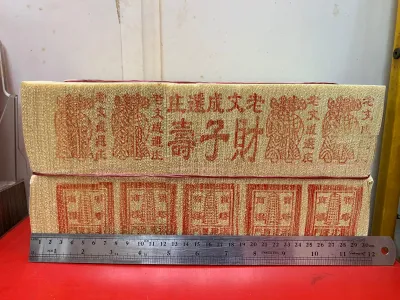
Gold joss paper, often referred to as Shou Jin or Tian Jin, is reserved exclusively for deities and heavenly beings. This paper is characterized by a distinct gold foil square pasted in the center of a larger sheet of bamboo or straw paper, sometimes embellished with red ink or auspicious characters. Burning gold paper expresses gratitude and seeks blessings from high-ranking spirits, such as the Jade Emperor or local earth deities like Tua Pek Kong.
Products mentioned in this guide
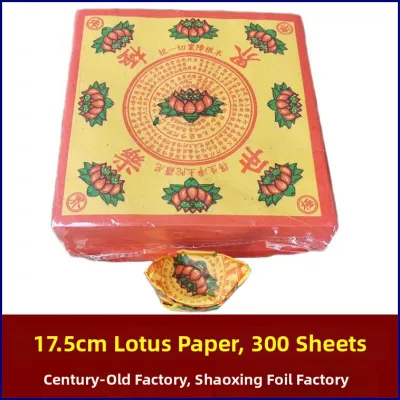
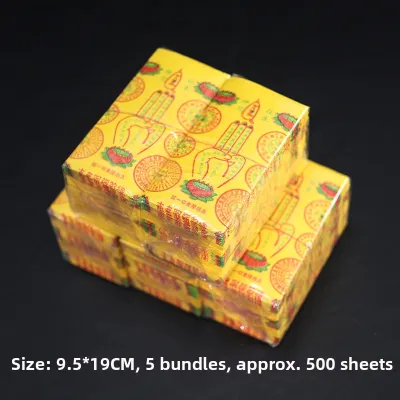
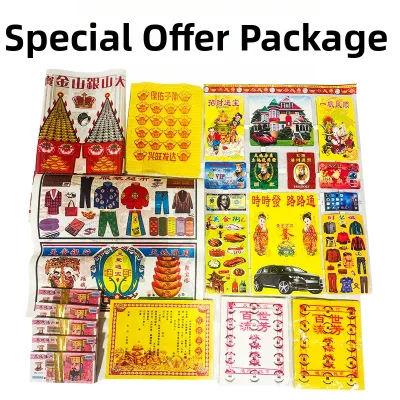
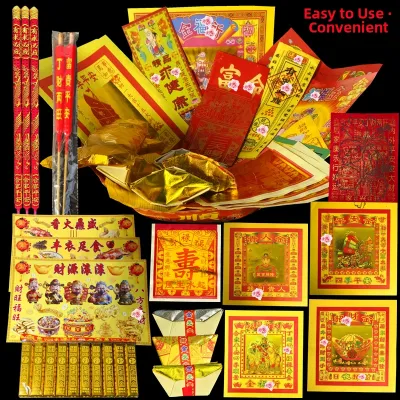
Prices are valid at publication and may change. Please refer to the product page for the latest price.
Silver joss paper, known as Da Bo or Xiao Bo, is dedicated to ancestors and deceased family members. It features a silver foil square in the center, symbolizing silver currency for the afterlife. This paper is burned to provide ancestors with the financial means to live comfortably in the spiritual realm, fulfilling the duty of filial piety.
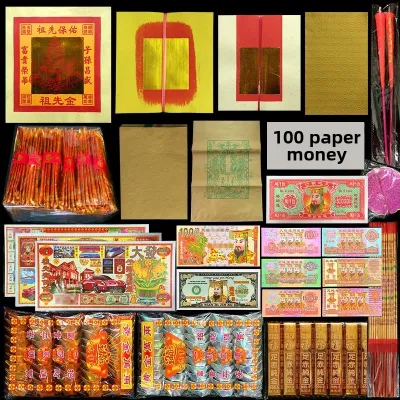
For wandering spirits—often referred to as the “Good Brothers”—worshippers use hell bank notes, seven-color paper, and basic paper crafts. Wandering spirits do not have descendants to care for them, so general currency notes and simple paper clothing help ease their transition and prevent them from causing mischief. While family traditions and regional dialect customs (such as Hokkien, Teochew, or Cantonese practices) may introduce slight variations in the specific designs of the paper, keeping the gold-for-deities and silver-for-ancestors distinction remains a universal rule.
Build a Complete Offering Set with Essential Joss Paper
Preparing for the Hungry Ghost Festival involves assembling a well-organized set of offerings tailored to each stage of your prayers. A complete set typically combines foundational paper currency with supplementary items that represent daily necessities. Having these items organized beforehand ensures a smooth and respectful worship process.

Your foundational items should consist of traditional gold and silver paper stacks. For deity prayers, prepare a bundle of gold paper along with Yuan Bao (folded gold ingots) to represent high-value wealth. For ancestral prayers, assemble stacks of silver paper, which can be folded into silver ingots to maximize their symbolic value.
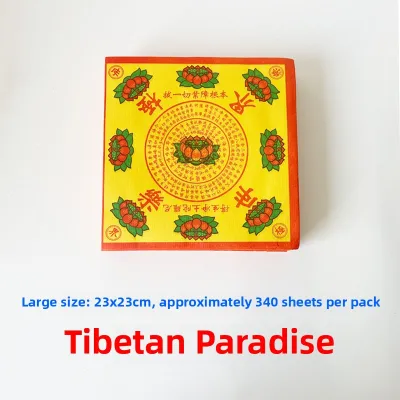
Supplementary paper offerings add a personal touch to your ancestral worship. These include Wang Sheng Qian (rebirth paper), which is printed with mantras to help souls transition peacefully, and Qi Se Zhi (seven-color paper), which represents raw fabric that spirits can use to fashion clothing. Modern paper replicas have also become highly popular, ranging from paper clothing and shoes to intricate paper models of smartphones, luxury cars, massage chairs, and even passports. These modern crafts allow worshippers to offer contemporary comforts to their loved ones in the afterlife.
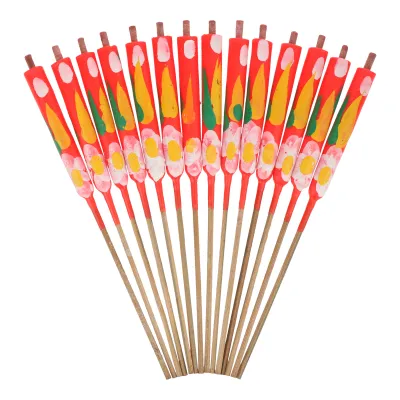
To organize these items, it is best to bundle them into distinct sets. A standard setup often includes a “Deity Set” containing gold paper and incense, an “Ancestor Set” containing silver paper, rebirth paper, and specific paper clothing, and a “Wandering Spirit Set” containing hell bank notes, seven-color paper, and basic food offerings. Separating these bundles prevents confusion during the burning process and ensures that each recipient receives the correct items.
Evaluate Material Quality and Eco-Friendly Options
As urban environments become more densely populated, evaluating the material quality of your joss paper is essential for both a successful burn and environmental responsibility. Traditional joss paper is crafted from sustainable bamboo pulp or straw paper, which burns easily and leaves behind a light, clean ash. However, lower-quality modern alternatives can introduce unwanted complications.
When shopping, check the paper for excessive plastic coatings, heavy synthetic laminates, or toxic chemical inks. Some mass-produced joss papers use plastic-based foils to mimic the look of gold and silver, which do not burn completely and can release thick, black smoke and toxic fumes. High-quality paper should feel soft, tear easily, and feature genuine, thin metallic foil that adheres cleanly to the paper surface without peeling.
If you live in a built-up residential area or wish to minimize your environmental footprint, look for low-smoke or eco-friendly joss paper products. These specialized papers are made from highly refined, thin bamboo fibers that are designed to burn rapidly with minimal smoke emission and significantly reduced ash volume. They are an excellent choice for maintaining traditional practices while respecting the air quality of your neighborhood.
Additionally, estimate the appropriate quantity of paper based on the scale of your worship area. A small household altar requires only a few modest bundles, costing around S$5 to S$15. Overloading a small burner with excessive paper leads to incomplete combustion, creating unnecessary smoke and leaving unburnt debris. For larger outdoor community prayers, larger quantities can be managed safely using industrial-sized burners.
Follow Fire Safety and Estate Rules for Burning Offerings
Burning joss paper is a sacred ritual, but it must be conducted with strict adherence to fire safety and local housing estate regulations. Managing the smoke and ash from these offerings is a shared community responsibility, especially within high-rise residential estates managed by town councils.
Always locate and use the designated red or silver burning bins provided by your local town council or estate management. These bins are strategically placed in open, well-ventilated areas away from residential windows and dry foliage. Burning offerings directly on the ground, on grass patches, or inside common corridors is highly dangerous and strictly prohibited, as it damages public property and poses a severe fire hazard.
Implement basic fire safety measures before you begin. Keep a bucket of water or a portable fire extinguisher nearby to handle any stray embers. When placing paper into the burning bin, do so gradually rather than throwing large stacks in at once; this ensures complete combustion and prevents strong updrafts from carrying burning paper into the air. Always wait until the fire has completely died down and the ashes are fully extinguished before leaving the site.
Verify your specific housing estate rules regarding permitted burning locations and times. Keep common corridors entirely clear of altars, food offerings, and burning receptacles to maintain emergency escape routes. By keeping your burning activities confined to designated bins and respecting quiet hours, you ensure a safe environment for your family and neighbors.
Choose the Right Retail Channels for Authentic Offerings
Finding the right joss paper products depends on your level of experience with the ritual and the specific items you require. Both physical shops and online platforms offer distinct advantages, allowing you to source authentic materials for your Hungry Ghost Festival preparations.
For immediate purchases and personalized guidance, visit traditional religious supply shops or local provision stores located in heartland wet markets. The shopkeepers in these establishments possess deep knowledge of cultural customs and can help you assemble a customized package based on your family’s dialect group and specific prayer needs. They can also advise you on the correct order of prayers and the symbolic meaning behind each paper type.
If you prefer convenience or require specialized, large-scale paper crafts, browsing online marketplaces is an excellent alternative. Many online sellers offer pre-packaged “Hungry Ghost Festival bundles” that contain a curated selection of gold paper, silver paper, hell bank notes, and incense, often categorized by price point (ranging from S$10 to S$50). This is particularly useful for busy households or those looking to purchase bulk quantities.
When ordering online, always verify the product descriptions to ensure the materials are of high quality and eco-friendly. Read customer reviews to assess the reliability of the seller and pay close attention to delivery timelines. Because the Hungry Ghost Festival occurs during a specific period of the lunar calendar, ordering your supplies at least two weeks in advance will help you avoid shipping delays and ensure your offerings are ready for the worship date.
Frequently Asked Questions (FAQ)
Can I use the same joss paper for both ancestors and wandering spirits?
Traditionally, you should not use the exact same joss paper for both ancestors and wandering spirits. Silver joss paper is reserved specifically for ancestors as a mark of filial respect and family lineage. Wandering spirits, who do not have family connections, are offered general hell bank notes, seven-color paper, and basic paper clothing. While some modern worshippers use general currency notes for both out of convenience, keeping their offerings physically separate—burning ancestral offerings at home or columbaria, and wandering spirit offerings outdoors—remains the standard practice to maintain proper spiritual boundaries.
How should I store unused joss paper before the festival?
Unused joss paper should be stored in a cool, dry place away from direct sunlight and moisture. Because joss paper is highly absorbent, exposure to humidity can make the paper damp, which prevents it from burning cleanly and causes excessive smoke. Keep the paper in sealed plastic storage boxes or heavy-duty bags to protect it from moisture and pests. Additionally, ensure that all paper products are stored safely out of reach of children and pets, and far away from any potential ignition sources like kitchen stoves or candles to prevent accidental fire hazards.

Community discussion
Share your experience or ask a question. Comments are reviewed before publication.