
The Hungry Ghost Festival, observed during the seventh month of the lunar calendar, is a deeply significant period of cultural remembrance and spiritual respect. Throughout this month, it is believed that the gates of the afterlife open, allowing spirits to visit the living world. Worshippers offer food, incense, and burn various types of ceremonial paper offerings to show filial piety to ancestors and appease wandering spirits. Selecting the appropriate items requires an understanding of traditional symbolism, ritual structures, and local safety guidelines.
Navigating the wide variety of paper offerings can be challenging, especially with the mix of traditional customs and modern environmental considerations. Whether you are preparing a simple household tribute or participating in larger community prayers, choosing the right combination of offerings ensures your rituals are respectful, meaningful, and compliant with local residential regulations. By understanding the distinct purposes of different papers, you can approach the festival with confidence and care.
Main Types of Joss Papers and Their Meanings
To build a proper offering, you must first understand the primary categories of paper items available. Each type of paper serves a specific symbolic function, targeted at different spiritual recipients ranging from high deities to family ancestors and wandering spirits.
Products mentioned in this guide
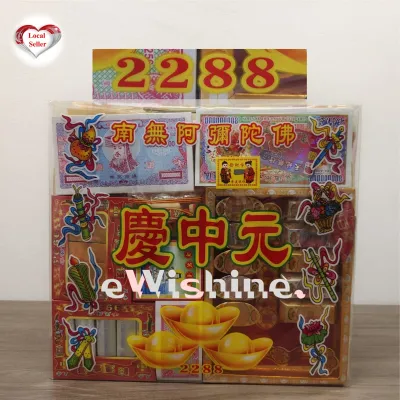
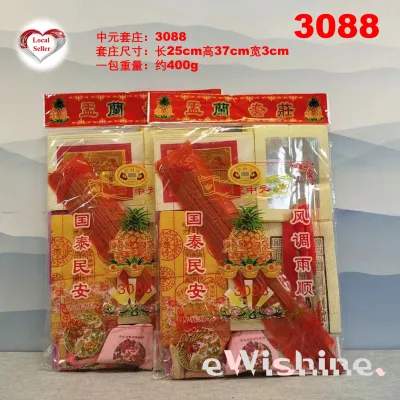
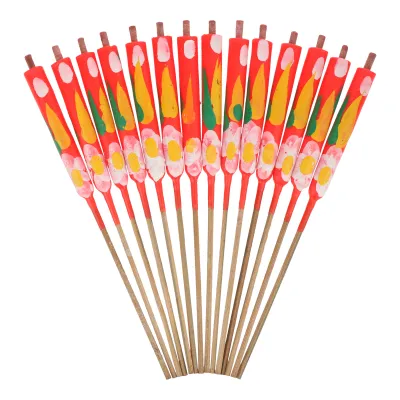
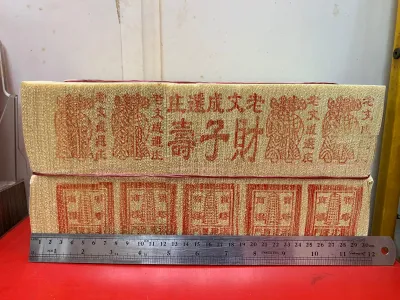
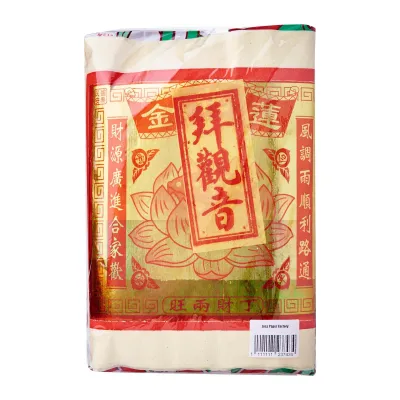
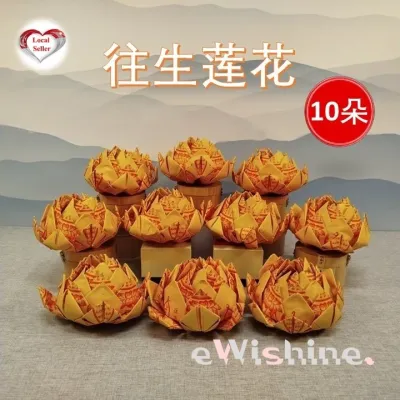
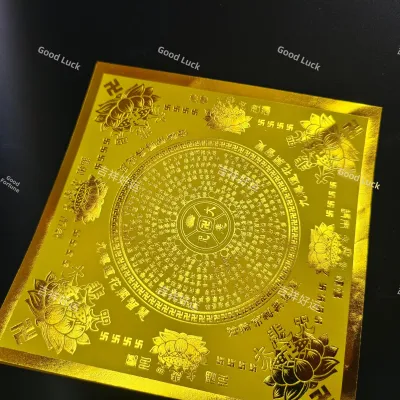
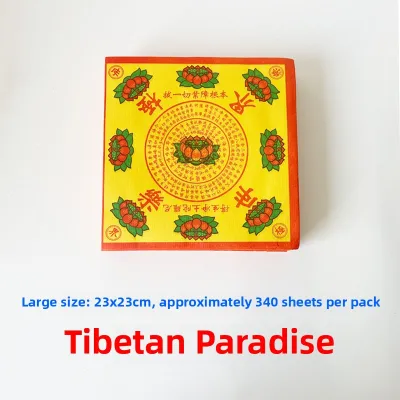
Prices are valid at publication and may change. Please refer to the product page for the latest price.
Hell Bank Notes and Spiritual Currency
Hell bank notes, often referred to as ancestor money, are designed to resemble modern banknotes but feature traditional motifs, elaborate seals, and the image of the Jade Emperor. These notes come in various denominations, sometimes reaching billions of dollars, symbolizing limitless abundance. Worshippers burn these notes to provide spirits with the financial means to settle debts, pay dues in the afterlife, and secure comfortable passage. When purchasing, look for clear printing and traditional designs, as these details represent the authenticity of the spiritual currency.
Gold and Silver Joss Papers
Gold and silver papers are the foundation of traditional offerings, distinguished by the metallic foil square pasted in the center of each sheet. Gold joss paper (Jin Zhi) is traditionally reserved for deities and heaven-dwelling spirits, representing high honor, gratitude, and requests for blessings. Silver joss paper (Yin Zhi) is dedicated to ancestors and wandering spirits, symbolizing general wealth and comfort. These papers are often folded into the shape of traditional Chinese ingots (Yuan Bao) before burning, a practice believed to multiply their symbolic value and ensure a smoother burning process.
Clothing, Daily Necessities, and Papier-Mâché Items
Beyond currency, spirits are believed to require physical comforts during their temporary stay in the earthly realm. Colorful paper sheets printed with designs of clothing, shoes, hats, and grooming tools are burned to provide basic necessities. In recent years, these have expanded to include highly detailed papier-mâché replicas of modern luxuries, such as smartphones, designer bags, cars, and multi-story houses. These items reflect the belief that the afterlife mirrors our own, and providing these comforts is a way to show care and ensure the spirits want for nothing.
Building the Right Joss Paper Combinations
Assembling your offerings requires structuring them according to who you are worshipping. A chaotic mix of papers can dilute the intent of the ritual, so it is helpful to categorize your items into distinct sets.

Offerings for Deities and Ancestors
When paying respects to deities and family ancestors, the ritual is typically conducted at home altars or within designated temple grounds. For deities, the focus is on gold joss paper, large folded gold ingots, and high-grade incense. For ancestors, the offering set should include silver joss paper, high-quality hell bank notes, and specific paper clothing items. These offerings are personal and intimate, often accompanied by family-favorite food dishes, tea, and fruits to honor the family lineage.
Offerings for Wandering Spirits
Offerings for wandering spirits, colloquially referred to as “good brothers,” are conducted strictly outdoors, away from the immediate entrance of the home. Because these spirits do not have descendants to care for them, the offerings are general and charitable. A typical set includes basic silver paper, smaller denominations of hell bank notes, and general clothing papers. Worshippers often distribute these offerings along roadside altars alongside simple food items like dry rice, sugar, and biscuits to appease the spirits and prevent them from causing mischief.
Pre-Packaged Convenience Sets versus Custom Selection
For those new to the practice or short on time, local shops and online marketplaces offer pre-packaged convenience sets. These sets are categorized by purpose, such as “Ancestor Worship Set” or “Wandering Spirits Set,” and typically cost between S$10 and S$50 depending on the size and complexity. While these packages provide a balanced, hassle-free starting point, experienced worshippers often prefer purchasing individual packs of papers. Customizing your selection allows you to choose higher-quality paper grades, fold custom ingots, and adjust quantities to align precisely with family traditions.
What to Check Before Purchasing Joss Papers
Not all paper offerings are created equal. Evaluating the material quality and environmental impact of your purchases ensures a respectful ritual that minimizes disruption to your neighbors and the local environment.
Material Quality and Burnability
Before purchasing, inspect the physical quality of the paper. High-quality joss paper should feel dry, relatively thin, and lightweight. Damp or overly thick paper does not burn completely, resulting in heavy black smoke, excessive soot, and unburnt fragments that can blow around residential areas. The metallic foil on gold and silver papers should be firmly attached and not flake off easily, as loose foil can hinder clean combustion.
Eco-Friendly and Low-Smoke Options
With growing environmental awareness, many manufacturers now produce eco-friendly joss papers. These options are made from highly refined wood pulp or bamboo fiber, which burns faster and leaves significantly less ash. Some varieties use soy-based inks and reduced-ink designs to minimize chemical odors and smoke density during the burning process. Choosing these low-smoke alternatives is highly recommended for those living in densely populated high-rise estates, as it helps maintain air quality for the community.
Compliance with Municipal Guidelines
In Singapore, municipal town councils and estate management boards establish clear guidelines for the Hungry Ghost Festival. Before buying large papier-mâché structures or massive quantities of paper, verify that they can be safely accommodated by the designated burning bins in your neighborhood. Some estates prohibit the burning of exceptionally large items that exceed the height of the provided metal containers, as these pose severe fire hazards. Always align your purchases with the physical limits of your local burning facilities.
Safe Handling and Burning Practices
The physical act of burning joss paper carries inherent safety risks, particularly in urban environments. Practicing responsible burning protects your surroundings, respects your neighbors, and ensures the ritual concludes safely.
Utilizing Designated Burning Bins
Always perform the burning process inside the designated red or silver metal bins provided by town councils, or use your own sturdy, fire-safe metal burner equipped with a secure lid. Never burn joss papers directly on grass patches, concrete pavements, or drain covers. Burning on open ground damages public property, leaves unsightly burn marks, and allows wind to scatter hot embers, which can easily ignite nearby dry foliage or trash.
Maintaining Safe Distances
Position your burning container on a flat, stable surface away from pedestrian walkways, parked vehicles, and residential windows. Keep a safe distance from electrical boxes, outdoor wiring, and any overhead structures or trees. High winds can carry burning paper upward, so keeping a lid on your burner or using bins with built-in mesh covers helps contain the flames and prevents stray embers from drifting toward flammable materials.
Complete Extinguishment and Cleanup
Never leave a burning bin unattended. Wait until the fire has completely died down and the ashes have cooled before leaving the site. Do not pour water directly into a hot metal bin to extinguish the embers, as this can create sudden clouds of scalding steam and warp the metal container. Once the ritual is complete, ensure any food offerings left on the roadside are placed neatly and cleaned up promptly afterward to avoid attracting pests or littering the neighborhood.
Frequently Asked Questions (FAQ)
Can I burn joss papers inside my apartment or public housing corridor?
No, burning joss papers inside an apartment or along public housing corridors is strictly prohibited. Corridors are essential escape routes during emergencies, and burning items there creates severe fire hazards, accumulates toxic smoke, and can trigger building fire alarms. Worshippers must use the designated outdoor burning bins provided by local town councils and estate management at the ground level.
What is the correct order for burning different types of joss papers?
Traditional custom dictates a hierarchical order when burning offerings. If you are conducting a multi-part ritual, you should burn offerings for deities (gold paper) first to show supreme respect. This is followed by offerings for ancestors (silver paper, high-grade notes, and personalized items). Finally, offerings for wandering spirits (general silver paper, clothing sheets, and basic currency) are burned last, typically at an outdoor roadside location.
Are there eco-friendly alternatives to traditional joss papers?
Yes, there are several sustainable alternatives available today. Worshippers can opt for certified eco-friendly joss papers made from bamboo or recycled paper pulp, which produce minimal ash and smoke. Additionally, some families choose to modernize their practice by reducing the physical volume of paper burned, focusing instead on symbolic offerings, digital tributes, or making charitable donations to community organizations in honor of their ancestors.

Community discussion
Share your experience or ask a question. Comments are reviewed before publication.