
Selecting the right lamp oil for your Hungry Ghost Festival altar lamps is essential for maintaining a respectful, clean, and safe worship environment. During this traditional period of remembrance and veneration, altar lamps are kept lit to symbolize guidance and light. The best fuel choice depends on whether your altar is located in a spacious outdoor area or inside a typical apartment, where ventilation and soot control are primary concerns. By matching the oil type to your specific lamp design and indoor conditions, you can ensure a steady, clean burn throughout your prayers.
Key Requirements for Hungry Ghost Festival Altar Lamps
Traditional worship during the Hungry Ghost Festival emphasizes sincerity, which is reflected in the upkeep of the altar. A clean, steady flame represents undivided attention and respect for the deities and ancestors. Flickering or heavily smoking flames are traditionally discouraged as they disrupt the solemnity of the prayers.
Indoor air quality is a major consideration for modern households. Many families set up their altars in living rooms or corridors where air circulation may be limited. Burning low-quality oils can release fine particulate matter and soot, which can settle on walls, ceilings, and religious statues, requiring extensive cleanup after the festival.
Products mentioned in this guide
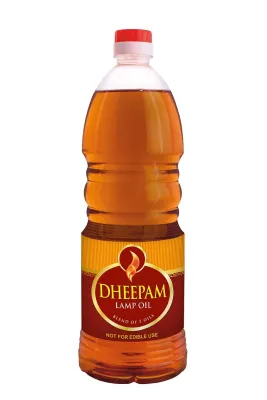
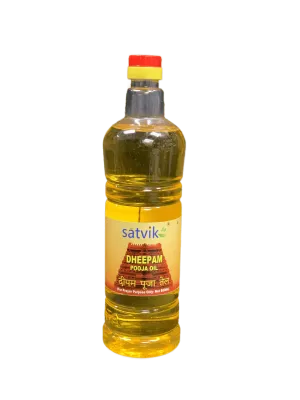

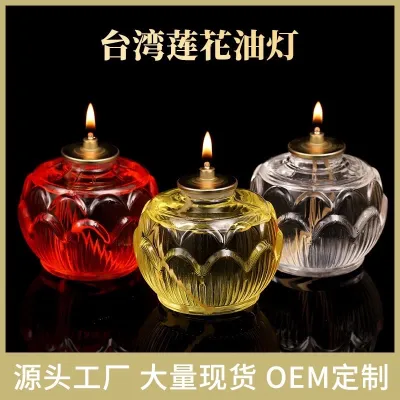
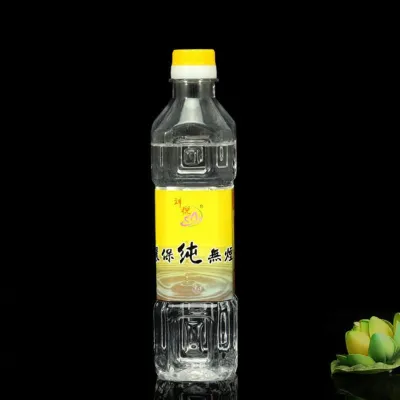
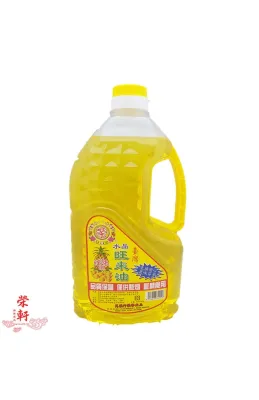
Prices are valid at publication and may change. Please refer to the product page for the latest price.
The duration of the ritual also dictates your choice of fuel. Because altar lamps may need to burn continuously for several hours or even days during key festival dates, the oil must have a predictable consumption rate. Using a fuel that burns too quickly can lead to dry wicks and charred lamp components, while a fuel that is too viscous may fail to draw properly, causing the flame to die out prematurely.
Comparing Common Lamp Oil Options for Worship
Plant-based and vegetable oils are popular among those who prefer natural, renewable sources for religious offerings. When shopping, check product labels to ensure the oil is highly refined and specifically formulated for lamp use. Standard, unrefined vegetable oils can be thick and prone to producing a strong odor when burned. Look for products labeled as refined palm oil or pure vegetable lamp oil that specify low-smoke performance.

Mineral-based and liquid paraffin oils are widely regarded as some of the cleanest-burning options for indoor altar lamps. Highly refined liquid paraffin is virtually odorless and produces minimal soot when paired with the correct wick. When purchasing liquid paraffin, inspect the packaging for purity ratings and safety warnings. Avoid industrial-grade mineral spirits or kerosene, which are highly volatile and unsafe for indoor decorative or religious lamps.
Clarified butter (ghee) alternatives hold deep spiritual significance in many traditional Asian worship practices, symbolizing purity and devotion. However, pure ghee has a high melting point and solidifies in cooler temperatures, which can be challenging in air-conditioned rooms. If you choose ghee, verify its melting characteristics and ensure your lamp is designed with a wide reservoir or a heated base to keep the fuel liquid. Alternatively, look for liquid ghee blends formulated specifically for altar lamps.
Regardless of the oil type you prefer, always cross-reference the oil packaging with your lamp’s user manual. Manufacturers often specify the exact viscosity and fuel types that their burners can safely accommodate. Using an incompatible fuel can lead to flare-ups or permanent damage to the lamp’s burner assembly.
Ensuring Compatibility with Your Oil Lamp and Wick
The wick acts as a delivery system, drawing fuel upward through capillary action. Cotton wicks are the industry standard for traditional oil lamps. If you are using a thicker, more viscous fuel like vegetable oil, you will need a thicker wick to ensure adequate fuel flow. Conversely, thin wicks are ideal for low-viscosity liquid paraffin, as they prevent the flame from drawing too much fuel and producing excess smoke.
Altar lamps come in various materials, including glass, brass, ceramic, and copper. Ensure the reservoir is completely sealed and free of hairline cracks, especially if you are using vintage or inherited family pieces. Some synthetic oils can react with certain plastics or low-grade metals, so sticking to high-quality glass or solid brass reservoirs is generally the safest approach.
The height of the exposed wick is the primary factor controlling flame size and smoke production. A wick that is pulled too high will create a tall, unstable flame that dances and produces black soot. Keep the wick trimmed to a height of about one to two millimeters above the wick holder. This small adjustment ensures a round, steady flame and maximizes the efficiency of the fuel.
Safety and Maintenance Tips for Continuous Burning
Position your altar lamps on a flat, stable, and heat-resistant surface. Keep them well away from flammable materials such as paper offerings, incense holders, decorative fabrics, and window curtains that could blow into the flame. Ensure the altar is located out of the reach of pets and young children to prevent accidental tip-overs.
Never attempt to add oil to a lamp while it is still lit or hot. If the fuel level runs low, extinguish the flame using a snuffer rather than blowing on it, which can scatter hot oil droplets. Allow the lamp to cool completely for several minutes before carefully refilling the reservoir to avoid thermal shock to glass components or accidental ignition of spilled fuel.
Proper airflow is crucial when burning any fuel indoors. Even low-smoke paraffin or vegetable oils consume oxygen and release trace combustion byproducts. Keep nearby windows slightly open to maintain a gentle cross-breeze, which helps disperse heat and keeps the indoor air fresh without creating a direct draft that could blow out the flame.
Regularly inspect your altar lamps for signs of wear, such as loose wick adjusters, stripped threads, or micro-cracks in glass reservoirs. If you notice any structural damage, stop using the lamp immediately. Do not attempt to patch leaking reservoirs with household glues or tape; instead, consult a professional lamp restorer or replace the unit to ensure safety.
Frequently Asked Questions (FAQ)
Can I use regular cooking oil for my altar lamp?
While standard cooking oils like canola, peanut, or soybean oil are combustible, they are not recommended for use in dedicated altar lamps. Cooking oils have a much lower smoke point and a higher viscosity than refined lamp oils. This causes them to burn unevenly, produce significant amounts of dark smoke, and quickly clog the wick with carbon deposits. Additionally, burning cooking oil can leave a heavy, greasy residue on your altar and a lingering culinary odor in your home. Always choose oils specifically labeled for lamp or worship use.
How do I safely dispose of leftover lamp oil after the festival?
Proper disposal of leftover lamp oil is essential for protecting your home plumbing and the local environment. Never pour unused lamp oil down the kitchen sink, toilet, or outdoor drains, as it can solidify, clog pipes, and contaminate water systems. Instead, let any remaining oil cool completely, then pour it back into its original container or another tightly sealed, leak-proof plastic jar. Check your local municipal waste guidelines for instructions on disposing of household chemical waste, or contact a licensed waste disposal service if you have large quantities.

Community discussion
Share your experience or ask a question. Comments are reviewed before publication.