
The Hungry Ghost Festival, observed during the seventh lunar month, is a time of deep spiritual reflection, ancestral veneration, and community offerings. Central to these rituals is the illumination of the altar, which serves to guide wandering spirits and pay respect to ancestors. The lotus prayer lamp, with its sacred floral shape, is a staple of these setups, symbolizing purity, compassion, and spiritual awakening.
Choosing the right lamp requires a thoughtful approach that goes beyond mere aesthetics. You must consider where the lamp will be placed, who will be around it, and how long it will remain lit. By evaluating the practical differences between traditional and modern designs, you can select a lamp that honors tradition while maintaining a safe and functional home environment.
Real Flame vs. LED: Selecting the Right Light Source
The choice between a traditional real flame and a modern LED light source is one of the most significant decisions you will make when selecting a lotus prayer lamp. Traditional wax candles offer an organic, flickering warmth that many practitioners associate with authentic ritual practice. The physical burning of the candle and the gentle rise of smoke are historically viewed as a direct medium for sending prayers and offerings to the spiritual realm.
Products mentioned in this guide
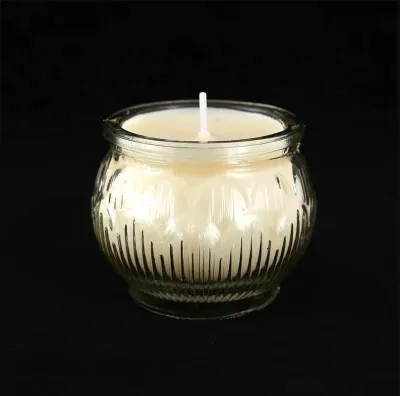
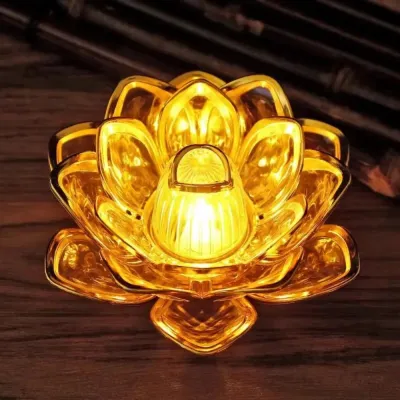
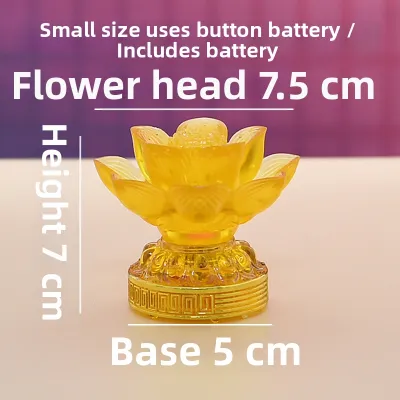
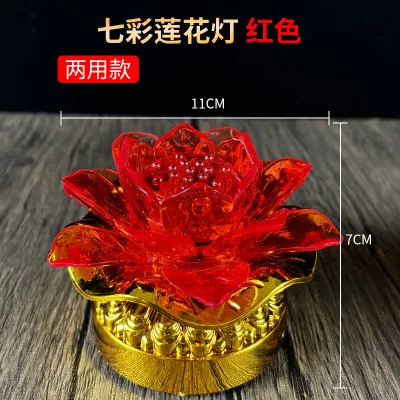
Prices are valid at publication and may change. Please refer to the product page for the latest price.
However, real wax lotus candles come with practical demands that require careful management. They have a finite burn time, meaning you must monitor them closely and replace them regularly throughout the festival period. As the wax melts, it can drip onto the altar or the lamp base, requiring diligent cleanup to prevent damage to delicate surfaces. Furthermore, burning multiple wax candles indoors generates heat and soot, which necessitates excellent ventilation to maintain comfortable indoor air quality.
In contrast, LED lotus lamps offer a highly practical, low-maintenance alternative that has become increasingly popular in modern households. These electronic lamps utilize energy-efficient light-emitting diodes to mimic the gentle, warm flicker of a real flame without any of the associated fire hazards. They do not produce heat, smoke, or soot, making them exceptionally well-suited for indoor altars, enclosed spaces, or homes with active pets and young children.
When evaluating LED models, pay close attention to their power source and functionality. Battery-operated LED lamps offer maximum placement flexibility, allowing you to position them anywhere on your altar without worrying about the proximity of wall outlets or managing unsightly power cords. If you choose battery-powered options, verify the expected runtime and the type of batteries required, such as standard AA or AAA cells.
For continuous illumination throughout the multi-day festival, plug-in LED lamps or those with USB power connections are highly convenient. These models eliminate the need for frequent battery replacements, ensuring a steady, uninterrupted glow. When selecting an LED lamp, look for high-quality light sources that offer a natural, warm color temperature to create a serene and respectful atmosphere, avoiding models with harsh, rapid flashing patterns that can detract from the solemnity of the ritual.
Material Choices for Indoor and Outdoor Altars
The durability and safety of your lotus prayer lamp depend heavily on the materials used in its construction. The ideal material varies significantly depending on whether your altar is located inside your home, on a sheltered balcony, or at an outdoor corridor offering site. Common materials include glass, ceramic, resin, metal, and heat-resistant plastics, each offering distinct physical properties.

For indoor altars, glass and ceramic lotus lamps are highly favored for their elegant appearance and excellent heat resistance. Glass lamps can beautifully refract light, creating a serene glow that enhances the spiritual atmosphere. Ceramic options often feature intricate hand-painted details, adding a traditional aesthetic to your setup. Both materials are heavy enough to provide excellent stability, though they are fragile and must be handled with care to prevent chipping or breaking.
Outdoor or semi-outdoor setups, such as corridor offering tables, demand more durable, weather-resistant materials. Wind, moisture, and ambient heat can quickly damage delicate indoor lamps. Resin and heavy-duty metals are excellent choices for these environments. Resin is highly durable, resistant to moisture, and can be molded into detailed lotus shapes that withstand outdoor exposure. Metal lamps, such as those made of brass or alloy, offer exceptional wind resistance due to their weight and are highly durable, though they can become hot to the touch if used with real candles.
If you choose a lamp designed for real wax candles, verifying the material’s heat resistance is paramount. The base and petals must be constructed from materials that will not crack, melt, or deform under continuous heat. Heat-resistant plastics are suitable for LED lamps but should never be paired with open flames. Always inspect the manufacturer’s material specifications to ensure compatibility with your chosen light source.
Acrylic and standard plastic lotus lamps are lightweight and highly affordable options, making them popular for temporary setups. While these materials are excellent for housing low-heat LED lights, they are highly susceptible to melting or catching fire if exposed to an open flame or excessive heat. If you opt for plastic or acrylic designs, ensure they are strictly kept away from real candles, incense sticks, or hot metal burners on your altar.
Sizing, Design, and Altar Placement Considerations
An altar is a sacred space where multiple offerings—including incense burners, food plates, tea cups, and decorative items—must coexist harmoniously. Before purchasing a lotus prayer lamp, it is essential to measure the available surface area to prevent overcrowding. A lamp that is too large can dominate the altar, leaving little room for other ritual items and increasing the risk of accidental bumps.
Consider the height and diameter of the lamp in relation to your other altar components. The lamp should be tall enough to be visible and serve as a focal point, yet not so tall that it obstructs your reach when placing incense or food offerings. If you use a pair of lamps, ensure they are spaced symmetrically to maintain visual balance and harmony.
The design intricacy of the lotus petals also plays a role in spatial planning. Highly detailed, wide-spreading petals require more clearance than compact, upright designs. Ensure there is sufficient clearance between the lamp and other items to allow for safe handling and to prevent the accumulation of heat if using real flames.
Base stability is a critical safety factor, especially for lamps placed in high-traffic areas or breezy outdoor corridors. Look for lamps with a wide, heavy base that lowers the center of gravity, making the unit resistant to tipping. If the lamp is lightweight, consider securing it to the altar surface with non-damaging adhesive putty or placing it on a stable, non-slip tray to prevent accidental falls.
Additionally, consider the visual weight of the lamp’s design. A highly ornate, multi-tiered lotus lamp may look stunning in isolation, but it can overwhelm a small, minimalist altar. Conversely, a tiny, simple lamp might get lost among large offering plates and tall incense holders. Aim for a balanced proportion where the lamp complements, rather than competes with, the other sacred elements of your setup.
When planning the layout, remember to account for the path of any power cables if you are using plug-in LED models. Cords should run neatly along the back or sides of the altar, completely out of the way of hands reaching to light incense or arrange food. Keeping the cables organized not only maintains a clean, respectful appearance but also prevents accidental snags that could pull the lamp off the table.
Safety Checks and Usage Guidelines
Safety must be the top priority when incorporating lighted decorations into your Hungry Ghost Festival rituals. For real flame lotus lamps, maintaining proper clearance from combustible materials is vital. Keep the lamp at least 30 centimeters away from paper offerings, curtains, wooden structures, and low-hanging decorations. Never place a burning candle directly under a shelf or cabinet where rising heat could cause a fire.
For plug-in LED lamps, electrical safety is paramount. In Singapore, ensure that any plug-in adapter or power supply is compatible with the standard 230V voltage and carries the appropriate safety certifications, such as the Safety Mark. Inspect the power cords for any signs of fraying, exposed wires, or damage before plugging them in. Route cables carefully to avoid creating trip hazards, and do not overload power strips with multiple high-wattage devices.
Supervision is key to preventing accidents. Never leave a real flame lotus lamp burning unattended. If you must leave the room or go to sleep, extinguish the flame completely using a candle snuffer rather than blowing it out, which can scatter hot wax or embers. For LED lamps, while they are significantly safer, it is still wise to turn them off when leaving the house for extended periods to conserve battery life and prevent potential electrical issues. Ensure the lamp has adequate ventilation around it to dissipate any heat generated by the internal circuitry.
If your ritual setup involves fixed wiring, outdoor installations exposed to damp conditions, or suspended lighting elements, always prioritize professional installation. Ensure all power sources are properly isolated before making any adjustments, and consult a qualified electrician to handle complex electrical connections. Taking these precautions ensures your festival observances remain safe, peaceful, and free from preventable hazards.
Building Your Shortlist: Matching Features to Your Ritual Needs
To find the perfect lotus prayer lamp, start by assessing your household environment. If you have young children, curious pets, or live in an apartment with limited ventilation, LED lamps are the highly recommended choice. They eliminate the risks of open flames, hot wax, and smoke, providing peace of mind during the festival.
Consider the trade-offs between upfront costs and long-term reusability. While high-quality glass or metal LED lamps may require a higher initial investment, their durability allows them to be reused for many festival seasons, making them a cost-effective choice over time. Conversely, disposable wax lotus candles are inexpensive upfront but must be replaced for every ritual, leading to higher recurring costs.
When browsing online marketplaces, carefully verify the seller’s product descriptions. Pay close attention to the listed dimensions, material specifications, and what accessories are included (such as batteries or power adapters). Read customer feedback to check for consistency in product quality and to ensure the physical item matches the online photos. Avoid listings with vague descriptions or those that lack clear safety certifications.
By systematically comparing these features against your specific household constraints and ritual preferences, you can confidently select a lotus prayer lamp that beautifully illuminates your offerings while keeping your home safe.
Frequently Asked Questions (FAQ)
Can I leave a lotus prayer lamp burning overnight?
For real flame lotus lamps, the answer is a strict no. Leaving an open flame unattended overnight poses a severe fire hazard, as drafts, falling objects, or pets could tip the lamp or ignite nearby materials. Always extinguish real candles before going to bed. On the other hand, high-quality LED lotus lamps designed for continuous use can safely be left on overnight, provided they are powered by a certified adapter or fresh batteries and have adequate ventilation to prevent heat buildup in the electronic components.
How do I clean and store a reusable lotus lamp after the festival?
Proper maintenance ensures your reusable lotus lamp remains in excellent condition for future festivals. For real flame glass or ceramic lamps, allow the unit to cool completely before cleaning. Gently scrape away any hardened wax using a plastic tool to avoid scratching the surface, then wash with warm, soapy water to remove soot and residue. For LED lamps, always turn off the power and remove the batteries before cleaning to prevent corrosion or electrical damage. Wipe the exterior with a dry or slightly damp microfiber cloth, and store the lamp in a cool, dry place inside its original packaging to protect the delicate petals from dust and physical damage.

Community discussion
Share your experience or ask a question. Comments are reviewed before publication.