
Selecting the ideal Lumintop flashlight for your Housing & Development Board (HDB) apartment emergency kit requires balancing compact size, reliable power options, and practical brightness levels. In a typical Singapore household, a massive searchlight is unnecessary; instead, a dependable, easy-to-operate light that can run for hours during a localized power outage is the priority. By evaluating your household’s specific layout and the technical specifications of various Lumintop models, you can assemble a highly effective emergency kit.
Understanding HDB Emergency Lighting Needs
Preparing for a power outage in an HDB flat involves addressing two distinct lighting challenges: general room illumination and task-specific navigation. If a utility disruption occurs, you may need to navigate narrow hallways, locate family members, or access your household shelter. For these activities, a wide, soft light that fills the room is far more useful than a highly focused spotlight, which can create harsh shadows and cause eye strain.
Conversely, resolving the issue often requires focused, detailed work. If you need to inspect your distribution board (DB box) to check for a tripped circuit breaker, you will require a clear, concentrated beam. This allows you to read small labels and inspect switches without casting shadows over the entire panel.
Products mentioned in this guide
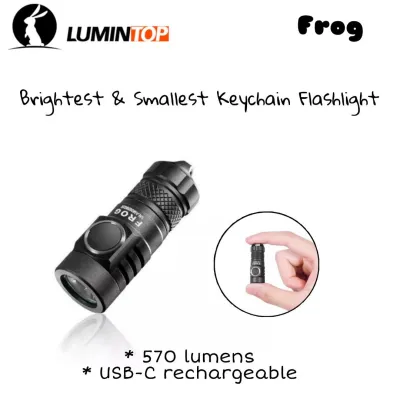
![Lumintop D3 [6000 Lumens] USB-C Rechargeable Flashlight](https://img.lazcdn.com/g/p/61b7e5faa7d2ac5fad67c1a635bf4436.jpg_400x400q80.jpg_.webp)
![[Automobile franchise] Lumintop EDC LED Outdoor Flashlight USB C Rechargeable Lamp Camping Lantern Keychain 10280 Li-ion Battery High Power Torch](https://img.lazcdn.com/g/p/ffa2fa2ba612e30adb9cf2b4d9fc1d2c.png_400x400q80.png_.webp)
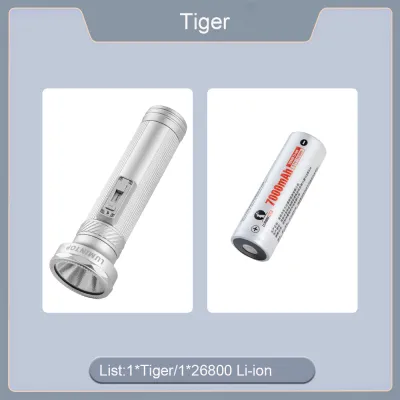
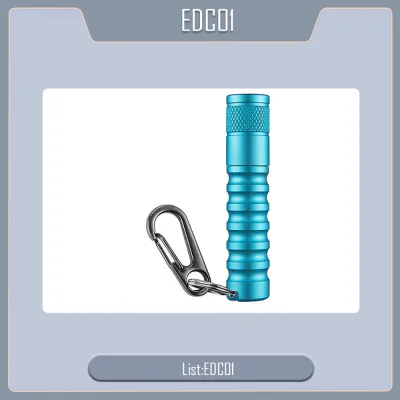
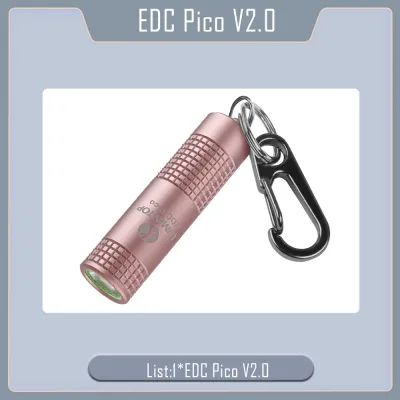
Prices are valid at publication and may change. Please refer to the product page for the latest price.
Given the layout of modern HDB flats, the maximum distance you will ever need a beam to travel indoors is typically under 15 meters. Therefore, high-power searchlights designed for outdoor search-and-rescue are impractical. Instead, prioritize a flashlight that is easy to locate in the dark, simple for all family members to operate, and capable of standing upright on a flat surface to bounce light off the ceiling.
Key Selection Criteria for Lumintop Flashlights
Lumintop offers a diverse range of portable lighting tools, from ultra-compact keychain lights to high-output tactical torches. To find the right fit for your home, you must look past marketing descriptions and examine the technical specifications listed on the product packaging or the manufacturer’s official datasheets.

Brightness and Beam Distance
When evaluating a Lumintop flashlight, look for the ANSI/PLATO FL 1 ratings on the packaging. These ratings provide standardized measurements for light output (lumens) and beam intensity (candela). It is important to distinguish between peak brightness—often labeled as “Turbo” mode—and sustained output. Turbo modes generate significant heat and will automatically step down to a lower brightness level within minutes to protect the flashlight’s internal circuitry.
For indoor emergency use, a flashlight with a balanced beam profile is ideal. A “flood” beam spreads light widely across a room, making it easy to see your surroundings. A “throw” beam focuses the light into a tight, long-distance spotlight. For an HDB flat, a light that leans toward a flood profile, or one with a diffusing optic, provides the most comfortable indoor illumination.
Additionally, ensure the flashlight features multiple adjustable brightness levels. A low-power “firefly” or “moonlight” mode (typically under 5 lumens) is invaluable for navigating a dark bedroom without waking others, while a medium mode (around 30 to 100 lumens) is perfect for general tasks while preserving battery life.
Battery Life and Power Sources
Your flashlight’s power configuration determines its reliability during long-term storage. Built-in lithium-ion rechargeable batteries offer high performance and the convenience of USB charging, but they require regular maintenance. If left in a drawer for several years without use, a lithium-ion battery will slowly self-discharge and may eventually fail to hold a charge when you need it most.
For a dedicated emergency kit, user-replaceable standard cells, such as AA or AAA alkaline or NiMH batteries, are highly reliable. These batteries have a long shelf life and can be stored separately next to the flashlight. Dual-fuel models offer the ultimate flexibility, as they can run on high-performance rechargeable lithium-ion cells (like 14500 batteries) for daily use, but can also accept standard AA batteries during an extended blackout.
Always check the manufacturer’s rated runtime for each brightness level. A good emergency flashlight should be able to run on a low or medium setting for at least 10 to 24 hours continuously. Finally, look for models that feature a low-battery warning indicator, such as a flashing LED under the power switch, so you are never caught off guard by a sudden loss of power.
Size, Weight, and Storage
An emergency flashlight must be compact enough to store in an easily accessible location, such as a bedside drawer, a key hook near the front door, or inside your household shelter. Heavy, bulky lights are difficult to hold for extended periods and are impractical for children or elderly family members to use.
Consider the physical interface of the flashlight. Models with a textured grip (knurling) are easier to hold with wet or sweaty hands. The switch design is also crucial; a tail-cap switch is easy to locate by feel in complete darkness, whereas a side switch may require a glowing indicator to help you find it.
For hands-free operation, look for flashlights with a flat tail cap that allows the light to stand vertically like a candle. This feature, combined with a magnetic tail cap, allows you to stick the flashlight to the metal door of your DB box or a refrigerator, keeping both hands free to handle tools or tend to household needs.
Building Your Condition-Based Shortlist
To select the right Lumintop category for your home, match your household’s specific habits and maintenance willingness to the following framework:
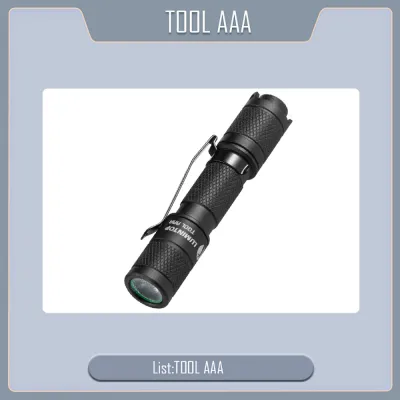
- The Low-Maintenance Household: If you want an emergency light that you can place in a drawer and forget about for months at a time, prioritize a Lumintop model that runs on standard AA or AAA batteries. These are simple to operate, highly reliable, and easy to feed with spare batteries stored nearby.
- The Tech-Savvy Household: If you prefer a high-performance light that you can also use for daily household tasks, look for a USB-rechargeable model. Ensure you set a recurring calendar reminder every three to six months to check the battery level and top up the charge.
- The Multi-Member Family: If your household includes young children or elderly relatives, avoid complex user interfaces that require multiple rapid clicks to navigate. Choose a model with a straightforward, single-click on/off switch and a simple hold-to-dim function.
Before finalizing your purchase, cross-reference your shortlisted models with authorized local retailers in Singapore to verify warranty terms and stock availability. Always double-check the exact battery requirements and charging interfaces on the product packaging to ensure you have the correct accessories ready.
Safe Storage and Maintenance in an HDB Flat
Singapore’s tropical climate, characterized by high humidity and warm ambient temperatures, requires careful storage of emergency electronics. High humidity can accelerate the oxidation of electrical contacts, while extreme heat can degrade battery chemistry and shorten its overall lifespan.
Store your flashlight in a cool, dry, and easily accessible location. Avoid storing it in areas prone to temperature fluctuations or moisture, such as service yards, balconies, or directly adjacent to kitchen appliances. A central drawer in your living room or a dedicated shelf inside your household shelter is an ideal storage spot. Adding a few silica gel packets to your storage container can help absorb excess moisture.
Perform a quick maintenance check at least once every six months. Inspect the rubber O-rings on the flashlight body; if they appear dry or cracked, apply a tiny amount of silicone grease to maintain the water-resistant seal. Use a clean, dry cloth to wipe down the metal threads and battery contacts to remove any accumulated dust or grease.
Battery safety is paramount for long-term storage. If you choose to store your flashlight with alkaline batteries inside, they can leak corrosive chemicals over time, permanently damaging the flashlight’s internal components. To prevent this, either use high-quality lithium primary batteries (which are highly leak-resistant) or store the batteries in a separate plastic case next to the flashlight, inserting them only when an emergency arises.
Frequently Asked Questions (FAQ)
How many lumens do I really need for a power outage in an HDB flat?
For typical indoor navigation in an HDB flat, a light output of 15 to 100 lumens is more than sufficient. High-lumen settings (such as 1,000 lumens or more) can cause intense glare when reflected off light-colored walls, white floor tiles, or mirrors, which can temporarily blind you. Save high-power modes for outdoor use and stick to lower, eye-friendly settings indoors to conserve battery life.
Can I use rechargeable batteries in my emergency flashlight?
Yes, but you must strictly follow the battery chemistry and voltage specifications outlined in your Lumintop user manual. For example, many compact flashlights are designed to accept both standard 1.5V AA batteries and rechargeable 1.2V NiMH batteries. However, inserting a high-voltage 3.7V lithium-ion battery (such as a 14500 cell) into a flashlight designed only for 1.5V cells can permanently damage the circuitry. Always verify compatibility before swapping battery types.

Community discussion
Share your experience or ask a question. Comments are reviewed before publication.