
To choose the right Lumintop flashlight for a Singapore Housing & Development Board (HDB) flat emergency kit, you must match the flashlight’s form factor and battery configuration to your household’s specific emergency strategy. While compact everyday carry (EDC) models offer immediate accessibility for sudden power trips, larger utility lights provide the extended runtimes needed for prolonged blackouts. Selecting a suitable tool requires verifying key specifications—such as battery compatibility, user interface complexity, and environmental durability—rather than relying on unverified performance claims. By understanding how different lighting designs function within an urban apartment setting, you can build a reliable, tiered emergency lighting system that ensures your household is never left in the dark.
Defining Your HDB Emergency Lighting Needs
HDB flats present unique spatial and environmental conditions that dictate how you should select and store emergency gear. Unlike landed properties with large garages or dedicated storage sheds, HDB apartments require compact, highly organized storage solutions. Emergency tools must fit neatly into designated, easily accessible areas such as bedside drawers, household shelters, or grab-and-go bags. A bulky, heavy searchlight is likely to be relegated to a deep cabinet, making it difficult to locate during a sudden blackout, whereas a compact, strategically placed light remains immediately available.
When planning your emergency lighting setup, you must balance brightness with runtime. High-output beams are useful for immediately assessing a room or searching for items, but they drain batteries rapidly and generate significant heat. For extended outages, lower brightness levels (often referred to as “eco” or “moonlight” modes) are far more valuable. These lower settings provide sufficient illumination to navigate a room safely while stretching battery life over several days, ensuring you have continuous light throughout the duration of the emergency.
Products mentioned in this guide
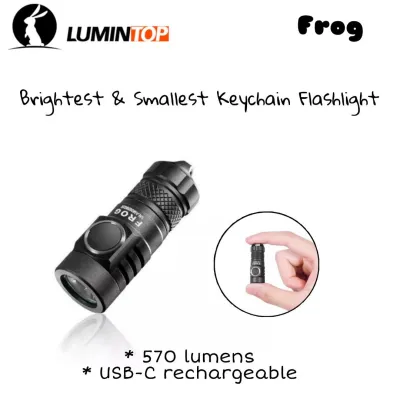
![Lumintop D3 [6000 Lumens] USB-C Rechargeable Flashlight](https://img.lazcdn.com/g/p/61b7e5faa7d2ac5fad67c1a635bf4436.jpg_400x400q80.jpg_.webp)
![[Automobile franchise] Lumintop EDC LED Outdoor Flashlight USB C Rechargeable Lamp Camping Lantern Keychain 10280 Li-ion Battery High Power Torch](https://img.lazcdn.com/g/p/ffa2fa2ba612e30adb9cf2b4d9fc1d2c.png_400x400q80.png_.webp)
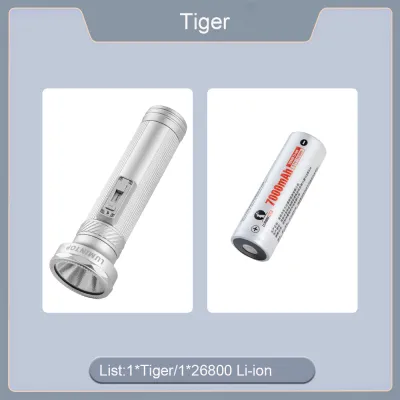
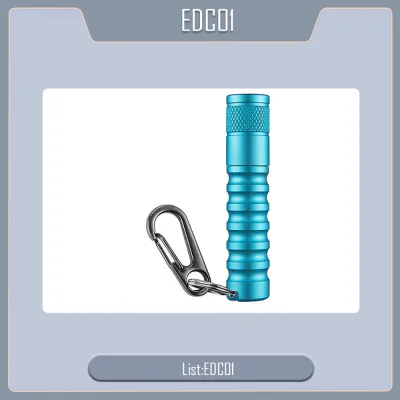
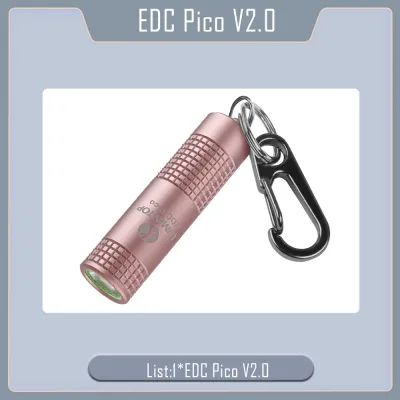
Prices are valid at publication and may change. Please refer to the product page for the latest price.
Power source accessibility is another critical factor in Singapore’s urban environment. Rechargeable lithium-ion batteries offer high performance and cost-effective regular use, but they require access to an active power source to replenish. Conversely, standard disposable batteries (like AA or AAA alkaline cells) can be stored long-term and replaced instantly, though they carry a risk of leakage and offer lower peak performance. A robust emergency plan often incorporates a mix of both power types to ensure continuous operation under various conditions.
Matching Lumintop Form Factors to Your Emergency Plan
Lumintop offers a diverse range of portable lighting tools, categorized generally into compact everyday carry (EDC) lights, larger utility or search lights, and hands-free headlamps. Selecting the right category depends on how you intend to deploy the light during an emergency. Rather than searching for a single, universal model, households should evaluate how different form factors complement each other within a broader safety plan.

Pocket-sized EDC models are highly portable and easy to store in multiple locations throughout the flat, ensuring a light source is always within arm’s reach. Larger utility lights, while heavier and more demanding of storage space, feature high-capacity batteries that can sustain continuous operation for hours or even days. Understanding these physical and operational trade-offs is essential for building a reliable household kit.
Compact EDC Lights for Bedside and Quick Access
Compact EDC flashlights are designed for immediate, short-term deployment. Keeping one of these lightweight tools in a bedside drawer or a personal bag ensures that you can safely navigate your HDB flat the moment a circuit breaker trips or a localized blackout occurs. Their small footprint makes them highly practical for daily readiness, as they do not clutter living spaces and can be operated easily by any family member.
However, these smaller models have inherent physical limitations. Due to their compact bodies, they utilize smaller batteries, which restricts their maximum runtime on high-output settings. Additionally, their smaller reflectors produce a wider, less focused beam that may struggle to illuminate large open areas or cast light over long distances. They are best used as transitional lights to help you reach your primary emergency kit safely.
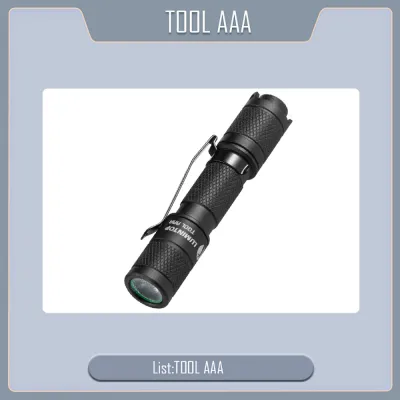
When evaluating compact Lumintop models, check the product packaging or official specifications for the maximum output and battery capacity. Look for lights that support common battery sizes, such as AA or AAA, or compact rechargeable cells like 14500 or 16340. Verifying these details ensures you select a light that balances immediate portability with sufficient power to handle short-term disruptions.
Utility Lights for Extended Outages and Wider Coverage
For prolonged power outages that last several hours, a dedicated utility flashlight is indispensable. These larger lights are engineered to accommodate high-capacity batteries, such as 18650 or 21700 lithium-ion cells. The increased battery volume allows the flashlight to maintain steady, usable light levels for extended periods without requiring a recharge or battery swap.
While utility lights offer greater endurance, they come with trade-offs in weight and storage. They require more dedicated space in your household emergency kit and are less convenient to carry on your person for long periods. Furthermore, high-output utility lights can generate substantial heat during operation; you must verify that the model features adequate thermal regulation or comfortable grip surfaces to prevent discomfort during prolonged use.
Before purchasing a utility light, carefully review the manufacturer’s runtime specifications across different output modes. Pay close attention to the estimated battery life on “medium” or “low” settings, as these are the modes you will rely on most during an extended blackout. A reliable utility light should offer at least 10 to 20 hours of continuous illumination on a low setting to ensure it can last through consecutive nights if necessary.
Essential Specifications to Verify Before Purchase
To ensure your chosen flashlight performs reliably when needed, you must verify several technical specifications on the product label or official store listing. First, examine the battery type and charging mechanism. If the flashlight uses a rechargeable lithium-ion battery, check if it features integrated USB-C charging, which allows you to recharge the device using standard phone chargers or portable power banks. If it relies on disposable batteries, ensure you have a fresh supply of the correct size stored alongside the light.
The user interface (UI) is another critical factor that is often overlooked. Some advanced flashlights utilize highly customizable, multi-layered operating systems (such as the Anduril firmware found on certain Lumintop models). While appealing to hobbyists, these complex interfaces can be confusing or difficult to operate under stress or in complete darkness. For an emergency kit, prioritize models with a simple, intuitive interface—such as a straightforward clicky switch that cycles through low, medium, and high modes without hidden menus.
Finally, assess the flashlight’s durability ratings. Singapore’s tropical climate is characterized by high humidity, which can accelerate the degradation of electronic components and battery contacts. Look for flashlights with an IPX8 or IPX7 water-resistance rating, indicating they can withstand accidental splashes or temporary immersion. Additionally, check for an impact resistance rating (typically measured in meters) to ensure the light can survive accidental drops onto hard HDB tiled floors.
Storing and Maintaining Your Emergency Flashlight
An emergency flashlight is only useful if it functions when the power goes out. Proper storage and regular maintenance are essential to prevent failure. If you store flashlights that use disposable alkaline batteries, always remove the batteries before placing the light in long-term storage. Alkaline batteries are prone to leaking corrosive chemicals over time, which can permanently ruin the flashlight’s internal contacts and circuitry.
For flashlights utilizing rechargeable lithium-ion batteries, managing battery health requires a different approach. Lithium-ion cells should not be stored completely empty or fully charged for years at a time. To maximize their lifespan, store them at a partial charge (around 40% to 60% capacity) in a cool, dry place. Periodically check the battery voltage or charge level according to the manufacturer’s guidelines to ensure they have not self-discharged to dangerously low levels.
Establish a routine testing schedule to keep your emergency gear in peak condition. Every three to six months, retrieve your flashlights from their storage locations, perform a quick functional check, and inspect the beams. Clean any dust or debris from the lenses and threads, and apply a thin layer of silicone grease to the O-rings if they appear dry. This simple habit ensures that your lighting tools remain fully operational and ready to deploy at a moment’s notice.
Frequently Asked Questions (FAQ)
Can I rely on a rechargeable flashlight if the power is out for days? (FAQ)
While rechargeable flashlights offer excellent performance, relying solely on their internal battery during a multi-day outage carries risks. To mitigate this, choose a model that supports dual-fuel options (accepting both rechargeable lithium-ion cells and standard disposable batteries) or ensure you store fully charged spare batteries in your kit. Alternatively, keeping a high-capacity portable power bank with a compatible USB-C cable allows you to recharge your flashlight even when the main grid is down.
Is a headlamp better than a handheld flashlight for an HDB emergency kit? (FAQ)
Both form factors serve distinct purposes in an emergency plan. A headlamp is advantageous for hands-free tasks, such as administering first aid, preparing food, or navigating tight spaces while carrying supplies. However, handheld flashlights typically offer simpler user interfaces, more robust construction, and broader beam options that are better suited for illuminating entire rooms. A well-rounded HDB emergency kit benefits from having at least one of each type to cover different scenarios.

Community discussion
Share your experience or ask a question. Comments are reviewed before publication.