
When a sudden power outage plunges your HDB flat into darkness, a reliable mini flashlight is your first line of defense. The ideal emergency light for a high-rise apartment does not need to illuminate a football field; instead, it must prioritize immediate accessibility, a wide and glare-free beam, dependable battery storage, and hands-free usability. Having a dedicated tool ensures you can safely navigate compact living spaces and locate your distribution board without fumbling in the dark.
Understanding Your HDB Emergency Lighting Needs
HDB flats feature distinct layouts where rooms are closely connected, meaning your primary movement during a blackout is short-range. The immediate priority when the lights go out is navigating safely from your current position to the main distribution board (DB box), which is typically located near the entryway or shelter. Safely reaching this panel allows you to check if a tripped circuit breaker caused the localized blackout or if the entire block is affected.
Because HDB interiors are compact, long-distance beam throw is highly impractical. A flashlight designed to throw a beam hundreds of meters will create a tight, blinding spot on your living room wall rather than illuminating the path ahead. Instead, you require a light that disperses illumination widely, allowing you to see both your immediate footsteps and surrounding obstacles like furniture corners or toys.
Products mentioned in this guide
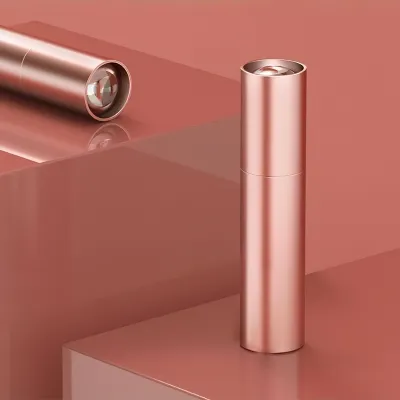
![UnihomSG [ReadyStock] Japan Mini LED Police Torch light | 50K Super Strong Small TorchLight l Zoom](https://img.lazcdn.com/g/p/0c61e174d7c1bb96cf83e3906d13fef0.png_400x400q80.png_.webp)
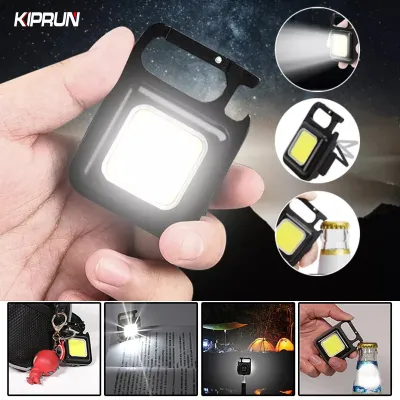
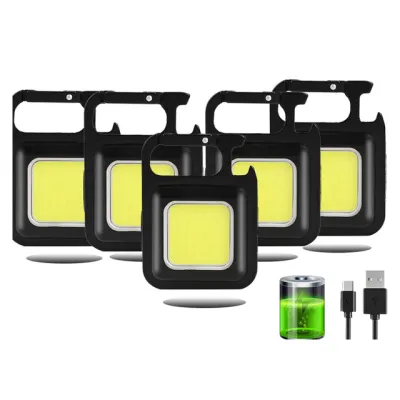
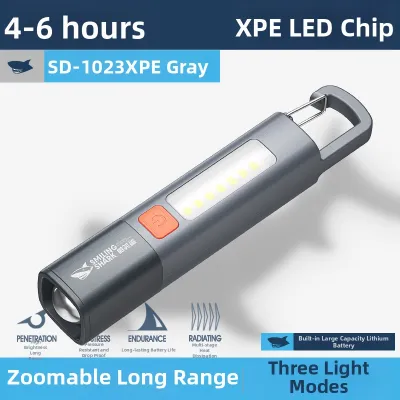
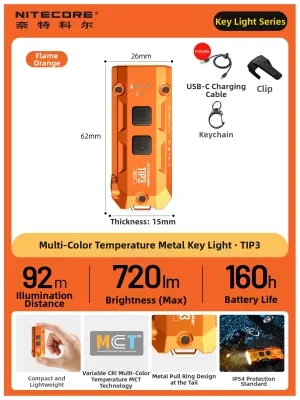
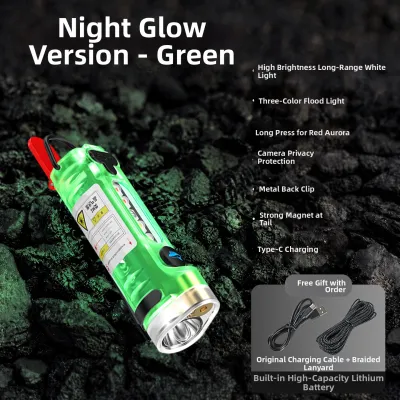
Prices are valid at publication and may change. Please refer to the product page for the latest price.
A mini flashlight serves as a highly portable, personal guide rather than a device meant to light up an entire room for hours. While lantern-style lights are excellent for general area illumination once you are settled, the mini flashlight is the active tool you carry to investigate the situation, retrieve emergency supplies, or move between rooms. Its small footprint ensures it can live in easily accessible spots without cluttering your living space.
Evaluating Brightness and Beam Types for Indoor Use
When shopping for a mini flashlight, you will encounter lumen ratings, which measure the total amount of visible light emitted by the source. For indoor HDB use, high lumen counts are not only unnecessary but can also be counterproductive. A light output of 15 to 100 lumens is generally more than enough for close-up tasks like inspecting the DB box or reading instructions on emergency gear.

The beam pattern is determined by the flashlight’s lens and reflector design. A flood beam scatters light over a wide angle, making it the preferred choice for indoor navigation because it mimics natural ambient light and reduces harsh shadows. Conversely, a spot beam concentrates light into a tight, intense beam, which is useful for outdoor search tasks but creates distracting tunnel vision when used inside a small room.
Opting for a flashlight with multiple adjustable brightness modes is highly beneficial for emergency preparedness. A low-power “moonlight” or “eco” mode of under 5 lumens is perfect for preserving your eyes’ natural adaptation to the dark while providing just enough light to read a map or monitor a sleeping child. It also drastically extends the operational life of the battery when you only need minimal illumination.
Using an excessively bright flashlight in a small HDB room with light-colored walls or glossy floor tiles can cause severe glare. The intense light reflects off these surfaces directly back into your eyes, temporarily blinding you and making it harder to see details. Selecting a moderate output level ensures comfortable visibility and prevents eye strain during prolonged use.
Battery Types and Runtime Considerations
One of the most critical decisions is choosing between replaceable batteries and built-in rechargeable lithium-ion cells. Standard replaceable batteries, such as AA or AAA alkaline and lithium cells, offer the advantage of immediate availability; you can simply swap in a fresh set during an extended blackout. They also boast an exceptionally long shelf life, making them highly reliable when stored unused for years.
However, storing alkaline batteries inside a flashlight for long periods carries a significant risk of chemical leakage. Over time, alkaline cells can degrade and release corrosive potassium hydroxide, which ruins the internal contacts of your flashlight. To prevent this, you must perform periodic maintenance, which involves checking the device every few months or storing the batteries completely outside the flashlight body until they are needed.
Rechargeable mini flashlights, often utilizing USB-C ports, offer excellent convenience and cost savings for regular users. However, lithium-ion batteries suffer from self-discharge, meaning they slowly lose power even when sitting idle in a drawer. If you choose a rechargeable model, you must establish a disciplined charging routine—such as plugging it in every three to six months—to ensure it is not dead when an actual emergency occurs.
When evaluating manufacturer runtime claims, always read the specifications carefully. Flashlight brands often advertise impressive runtimes alongside high lumen outputs, but these two figures rarely occur simultaneously. A flashlight running at its maximum setting may drain its battery within minutes, whereas operating the same device on a low or medium setting can provide continuous light for many hours.
Size, Storage, and Hands-Free Convenience
The physical form factor of your mini flashlight dictates how easily you can access it during a sudden power failure. Keychain-sized lights are small enough to remain on your house keys at all times, ensuring you have a light source even if you are caught in the lift lobby or corridor. Pocket-sized models are slightly larger but offer better grip, longer runtimes, and more robust physical switches.
Hands-free features are incredibly valuable when you need to work on your DB box or carry essential items. Look for mini flashlights equipped with a magnetic tail cap, which allows you to stick the light securely to the metal casing of your distribution board or shelter door. Alternatively, a sturdy two-way pocket clip lets you attach the flashlight to the brim of a cap or a shirt pocket, directing light forward while leaving both hands free.
While outdoor flashlights emphasize extreme water resistance and dustproofing, these ratings are secondary for indoor HDB use. Instead of paying a premium for deep-water submersion ratings, focus on physical impact resistance. A flashlight that can survive a drop onto hard terrazzo, vinyl, or tile flooring from a height of one to two meters is far more practical for household emergencies.
The design of the physical switch is another detail that is easy to overlook but critical in the dark. A recessed button prevents the flashlight from accidentally turning on in your drawer and draining its battery, but it should still be easy to locate by feel. Look for switches with tactile feedback or raised textures so you can operate the light instantly without needing to see the device itself.
Building Your HDB Blackout Flashlight Checklist
To ensure your household is fully prepared, you should balance your flashlight choices across three main pillars: appropriate brightness levels, manageable battery maintenance, and physical convenience. A single high-powered tactical light is rarely as useful as two or three strategically placed mini flashlights that any family member can operate easily.
Conducting a regular audit of your existing emergency lighting is a simple way to avoid unpleasant surprises. Every six months, test the switches on all flashlights, inspect the battery compartments for any signs of corrosion, and replace old cells. For rechargeable models, plug them in to top off their capacity and verify that the charging indicators function correctly.
A smart emergency lighting placement strategy involves distributing your lights across key zones in your HDB flat. Keep one mini flashlight on your bedside table or drawer for immediate access when waking up in the dark. Place another near the DB box or in the kitchen, ensuring that no matter where you are when the power cuts out, a reliable light source is always within arm’s reach.
Frequently Asked Questions (FAQ)
Can I use my smartphone flashlight instead of a dedicated mini flashlight?
While a smartphone flashlight is highly convenient for brief tasks, relying on it as your primary light source during a prolonged HDB power outage is risky. Running the phone’s camera flash continuously drains the device’s battery rapidly, leaving you without a critical communication tool if you need to contact utility providers or family members.
Additionally, navigating a dark home while holding an expensive, slippery glass smartphone increases the likelihood of dropping and damaging it. A dedicated mini flashlight is designed to be dropped, gripped easily with wet or sweaty hands, and placed on rough surfaces without risk of costly damage.
Purpose-built mini flashlights also offer vastly superior beam shaping and utility compared to the diffuse, weak flood of a smartphone LED. With physical buttons, magnetic mounts, and optimized optics, a dedicated flashlight provides the reliable, hands-free illumination needed to resolve household issues safely.

Community discussion
Share your experience or ask a question. Comments are reviewed before publication.