
When a sudden power outage darkens a Singapore HDB flat, navigating narrow corridors, locating the electrical distribution board, and keeping the household safe requires reliable, hands-free illumination. Selecting the right Nitecore emergency light involves matching the specific layout of your flat—such as steel household shelter doors, metal main gates, and concrete walls—with appropriate beam profiles, mounting options, and battery configurations. Rather than relying on a standard handheld torch, a strategic combination of magnetic tube lights, diffused area lanterns, and compact everyday carry (EDC) lights ensures every room remains functional until power is restored.
Key Features to Evaluate for HDB Blackouts
HDB flats present unique architectural features that dictate your emergency lighting strategy. Most units feature heavy steel household shelter doors, metal main gates, and metal electrical distribution board (DB) boxes. These surfaces are prime mounting locations for magnetic lights. A light equipped with a strong magnetic base can be instantly snapped onto the DB box door, allowing you to use both hands to inspect the circuit breakers or reset a tripped residual current circuit breaker (RCCB).
Beam characteristics play a critical role in indoor comfort during an extended blackout. High-intensity, tightly focused spotlight beams are excellent for outdoor search-and-rescue but create harsh glare, deep shadows, and eye strain when reflected off close-range concrete walls or white-painted ceilings. For indoor living spaces, a wide, diffused flood beam is far more practical. It distributes light evenly across a room, mimicking natural ambient light and making tasks like cooking, reading, or supervising children much more comfortable.
Products mentioned in this guide
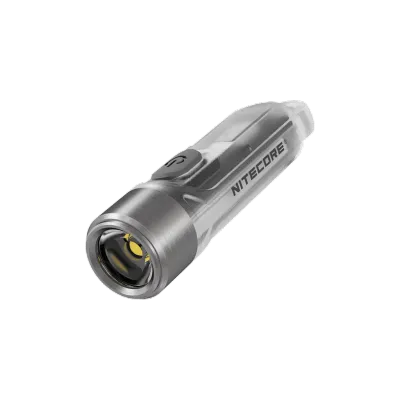
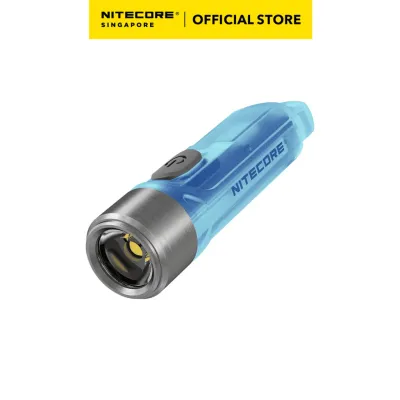
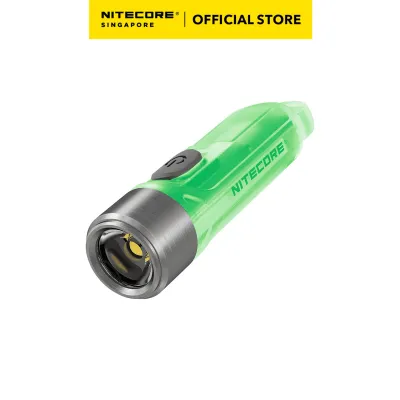
Prices are valid at publication and may change. Please refer to the product page for the latest price.
Color temperature is another factor that influences comfort. Cool white light (typically 5000K to 6500K) offers high contrast and clarity, which is useful when inspecting wiring or reading fine print. However, warm white light (around 2700K to 3500K) is softer on the eyes, reduces glare, and creates a calmer atmosphere in bedrooms and living areas during stressful situations. Many modern emergency lights offer adjustable color temperatures or dedicated high-CRI (Color Rendering Index) auxiliary lights to balance these needs.
Battery configuration determines both immediate runtime and long-term readiness. Built-in rechargeable lithium-ion batteries offer high energy density and the convenience of USB charging, but they require regular maintenance to prevent degradation. Removable cells, such as standard 18650 or 21700 lithium-ion batteries, provide the flexibility of swapping in pre-charged spares during a prolonged outage. Alternatively, hybrid models that accept both rechargeable cells and standard AA or AAA alkaline batteries offer an extra layer of security when recharging is not an option.
Charging interfaces and backup power compatibility are vital for extended emergencies. Modern lights utilizing USB-C ports allow you to recharge directly from portable power banks, which are common household items in Singapore. When evaluating a light, verify whether it supports “pass-through” charging—the ability to emit light while actively connected to an external power source. This feature effectively turns a portable light into a continuous area light powered by a large-capacity power bank.
Environmental protection and electrical certifications are equally important when selecting emergency gear. HDB kitchens and bathrooms are prone to high humidity and steam, which can easily damage sensitive electronics. Checking the Ingress Protection (IP) rating of your light ensures it can withstand these conditions; an IPX4 rating, for example, indicates resistance to water splashes from any direction. Furthermore, look for recognized electrical safety certifications on the product packaging. These certifications verify that the light’s internal charging circuitry and battery management systems have been tested to prevent overcharging, short circuits, and thermal runaway.
Matching Nitecore Light Types to HDB Spaces
Selecting the right form factor depends heavily on the specific room layout and the activities that take place there during a power failure.

Magnetic and Tube Lights for Doors and Corridors
Transitional spaces like narrow HDB corridors, entryways, and shoe cabinet areas require linear, low-profile lighting that does not obstruct movement. Linear tube lights and compact magnetic work lights are ideal for these zones. By mounting a magnetic tube light vertically on the metal frame of your main gate or the side of a metal shoe rack, you can illuminate the entire length of a narrow hallway without occupying valuable floor or table space.
Before relying on magnetic mounting, it is essential to verify the strength and safety of the magnet. HDB metal doors and gates are often coated with thick layers of paint or protective laminate, which can significantly reduce magnetic attraction. Test the light on the intended surface beforehand to ensure it holds securely without sliding. Additionally, check if the magnetic base features a rubberized or scratch-resistant coating to prevent damaging the paint or leaving unsightly marks on your home fixtures.
Some specialized utility lights feature motion-sensor capabilities or low-power standby modes. If you place a motion-activated light near the household shelter or bathroom door, it can automatically illuminate as family members approach, eliminating the need to fumble in the dark for a switch. When using these features, verify the sensor’s detection range and angle to ensure it triggers reliably in your specific corridor layout.
Lanterns and Area Lights for Living Rooms and Bedrooms
The living room is typically the central gathering point during a blackout, requiring broad, omnidirectional illumination. Standard flashlights placed on a table tend to create a narrow beam on the ceiling, leaving the rest of the room in shadow. A dedicated area lantern with a 360-degree diffused lens is a highly effective solution for these larger communal spaces. The diffuser softens the light, eliminating harsh glare and distributing illumination evenly across dining tables or seating areas.
Adjustable brightness levels are crucial for managing battery life and comfort over several hours. High-output modes are useful for preparing meals or reading, but they drain batteries rapidly. Transitioning to a low-power ambient mode (often referred to as a “moonlight” or “reading” mode) preserves battery capacity while providing enough light to navigate the room safely or keep children calm. Look for models that offer step-less dimming or multiple distinct brightness steps to customize the output.
Physical stability and mounting versatility are key considerations for tabletop placement. A good emergency lantern should feature a wide, flat, non-slip base to prevent it from tipping over if bumped in the dark. Built-in hanging hooks, carabiner loops, or top-mounted handles allow you to suspend the light from ceiling fan hooks, curtain rods, or clothes racks, casting light downward to maximize coverage across the entire room.
Compact and EDC Lights for Immediate Navigation
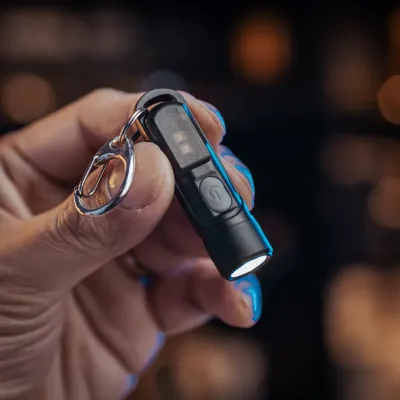
When the power suddenly cuts out, your immediate priority is finding a primary light source without tripping over furniture. This is where compact everyday carry (EDC) lights and keychain torches excel. Keeping a small, reliable light in a designated bedside drawer, on a key hook near the main door, or in a living room cabinet ensures you can immediately illuminate your immediate surroundings and safely navigate to where your larger emergency lanterns are stored.
For immediate navigation, simplicity of operation is paramount. In a dark, high-stress situation, complex user interfaces with multiple modes, strobes, and programming sequences can be frustrating and counterproductive. A light with a simple, tactile tail switch or a dedicated physical button that defaults to a usable medium brightness level is highly recommended. Magnetic tail caps on compact lights also allow you to stick the light to the nearest metal surface, such as a refrigerator or metal shelf, for instant hands-free task lighting.
To ensure these primary navigation lights are always ready, establish a dedicated, easily accessible charging routine. Placing a multi-port USB charger near your entryway or bedside table allows you to keep your EDC lights topped up as part of your daily routine. This habit ensures that when a blackout occurs, the light closest to you is guaranteed to have a full charge.
Pre-Purchase Checklist and Safety Boundaries
When purchasing emergency lighting equipment, verifying technical specifications and safety standards is essential to ensure reliability when you need it most. Always check the manufacturer’s official documentation or packaging for verified specifications, such as lumen output, runtime curves, and IP (Ingress Protection) ratings. Be cautious of third-party online marketplace listings that claim unrealistic runtimes or lumen counts that seem too good to be true.
When setting up your charging infrastructure, pay close attention to voltage, interface compatibility, and wattage limits. Most modern emergency lights utilize standard USB-C interfaces, but the input requirements can vary. Verify whether your light requires a standard 5V input or if it supports fast-charging protocols like Power Delivery (PD) or Quick Charge (QC). Using an incompatible charger or a high-wattage adapter that does not properly negotiate power delivery can lead to inefficient charging or, in rare cases, damage to the internal battery management system. Always match the charger’s output specifications with the input requirements listed on the light’s technical label.
Battery safety is a critical consideration, particularly in Singapore’s warm, humid climate. Lithium-ion batteries are sensitive to extreme temperatures and should never be stored in hot areas, such as near kitchen stoves, behind refrigerators, or in direct sunlight near windows. To maintain battery health during long periods of inactivity, follow the manufacturer’s guidelines for storage. Most manufacturers recommend storing lithium-ion batteries at approximately 50% capacity rather than fully charged or completely depleted, as this minimizes stress on the internal chemistry.
To guarantee authenticity, safety compliance, and warranty support, always purchase your lighting equipment from authorized local distributors or official brand stores in Singapore. Counterfeit lithium-ion batteries and poorly manufactured charging circuits pose significant fire hazards. Authorized products undergo rigorous safety testing and come with valid manufacturer warranties, giving you recourse if a defect arises.
Regularly inspect your emergency lights for signs of wear or damage. If you notice a swollen battery compartment, a cracked casing, flickering light output, or excessive heat generation during charging, stop using the device immediately. Do not attempt to disassemble or repair sealed battery packs yourself. Instead, consult the manufacturer or an authorized service center for professional inspection or proper disposal.
Frequently Asked Questions (FAQ)
Can I use standard Nitecore flashlights as emergency lights?
Yes, standard tactical or outdoor flashlights can serve as emergency lights, but they require some adaptation for optimal indoor use. Standard flashlights typically project a highly focused spot beam designed for distance, which can cause intense glare and harsh shadows when used indoors. To make a standard flashlight suitable for room illumination, you can point the beam directly at a white ceiling to bounce and diffuse the light throughout the room.
Another limitation of standard flashlights is their physical design, as they often lack flat bases for tail-standing or built-in magnetic mounts. This makes hands-free operation difficult in a blackout. To overcome this, you can purchase compatible diffuser caps that slip over the flashlight head to convert the focused beam into a soft, 360-degree glow. Additionally, check if your flashlight model supports optional magnetic tail caps or lanyard attachments to expand your mounting options.
How should I maintain the battery during long periods without power outages?
Proper battery maintenance is essential to ensure your emergency lights function reliably during an unexpected blackout. For lights powered by rechargeable lithium-ion batteries, avoid leaving them plugged into a charger indefinitely, as constant trickle charging can degrade the battery over time. Instead, charge the device to full, use it occasionally, and store it at around 50% capacity if it will not be used for several months.
Establish a routine to check and top up your emergency lights every three to six months. During these periodic checks, turn the lights on to verify that the switches, modes, and battery indicators are functioning correctly. Store your emergency equipment in a cool, dry, and easily accessible location, away from high-humidity areas like bathrooms or high-heat zones like kitchens, to prevent corrosion of the electrical contacts and degradation of the battery cells.

Community discussion
Share your experience or ask a question. Comments are reviewed before publication.