
Selecting the right Nitecore emergency light for a Housing & Development Board (HDB) flat requires balancing compact form factors, reliable battery chemistry, and appropriate light dispersion. In Singapore, where power outages are rare but typically caused by localized household circuit trips or occasional estate maintenance, having a dependable secondary light source ensures safety and convenience. Nitecore offers a diverse range of illumination tools, from ultra-portable keychain lights like the tiki nitecore to high-output lanterns and headlamps. Finding the ideal setup involves evaluating your flat’s layout, identifying key high-traffic zones, and understanding how to verify technical specifications to match your household’s specific safety requirements.
By taking a systematic approach to your home’s layout and the specific needs of your family members, you can build a practical emergency lighting plan. This guide outlines how to assess your space, match different light designs to specific household scenarios, verify critical product specifications, and maintain your devices safely over the long term.
Assessing Your HDB Lighting Needs and Constraints
Every HDB flat has a unique footprint, but common architectural features directly influence how light travels during a blackout. Standard HDB ceilings typically range from 2.6 to 2.8 meters in height, and many layouts feature long, narrow corridors connecting bedrooms to the living area. Additionally, modern flats include a reinforced concrete household shelter (bomb shelter) with thick steel doors that completely block external light. When a power failure occurs, these structural elements can turn a familiar home into a disorienting and potentially hazardous environment. High-intensity, focused flashlight beams often create harsh glare and deep shadows when bounced off light-colored plaster walls, making it difficult to assess your surroundings comfortably. Instead, a successful emergency lighting setup relies on wide, diffused light dispersion to fill communal spaces evenly.
Products mentioned in this guide
Prices are valid at publication and may change. Please refer to the product page for the latest price.
Estimating your household’s runtime requirements is another critical step. While many localized power trips—often caused by a faulty appliance triggering the residual current circuit breaker (RCCB) at the distribution board (DB box)—can be resolved within minutes, estate-wide maintenance or unexpected grid issues can last for several hours. If your household includes elderly family members, young children, or individuals with mobility challenges, the need for immediate, continuous ambient light becomes a priority. In these situations, having a low-level light source that can run reliably for an extended period is essential to prevent trips, slips, and falls over furniture or door thresholds.
To address these challenges effectively, you must balance portable personal lights with fixed communal light sources. Communal areas like the living room, dining room, and kitchen require stationary, hands-free illumination so family members can gather safely and coordinate their next steps. Conversely, personal navigation requires highly portable, lightweight lights that can be grabbed instantly from a bedside table or pocket. This dual-layered approach ensures that no one is left in complete darkness, whether they are waiting out the outage in the living room or navigating a narrow hallway to locate the DB box.
Matching Nitecore Form Factors to Apartment Scenarios
Different areas of your HDB flat demand different styles of illumination to ensure safety and functionality during a power failure. Communal spaces, such as the living room or dining area, benefit most from area lanterns or lights equipped with built-in diffusers. These devices scatter light in a 360-degree pattern, mimicking natural room lighting and reducing eye strain. Placing a diffused lantern on a central dining table or hanging it from a ceiling fixture allows family members to read, play board games, or converse comfortably without being blinded by a direct, concentrated beam.

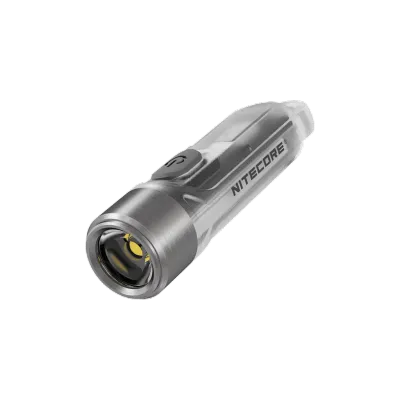
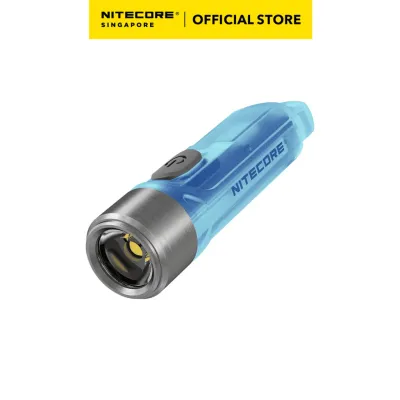
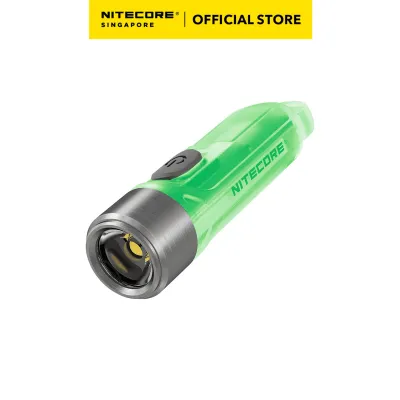
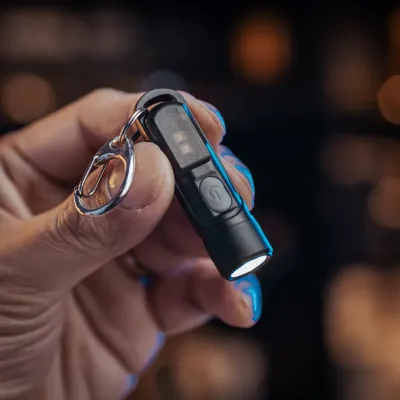
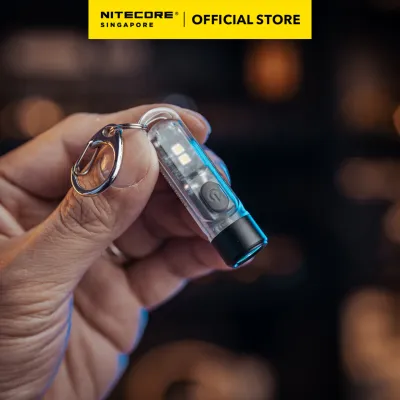
For personal navigation through dark corridors, bedrooms, and bathrooms, compact keychain lights and headlamps are highly effective. An ultra-compact keychain light, such as the tiki nitecore, is an excellent tool to keep on your primary keyring or a bedside lanyard. Because of its lightweight design and small footprint, it can be carried effortlessly at all times, ensuring you have an immediate light source the moment the main power cuts out. This allows you to safely navigate to where your larger emergency lanterns or tools are stored. Headlamps are equally valuable for personal movement, particularly for parents carrying infants or individuals assisting elderly relatives, as they keep both hands completely free.
Task-specific zones like the kitchen, utility yard, or the area around the DB box require hands-free, targeted illumination. The kitchen and utility yard present unique hazards, such as wet floors, sharp utensils, or active appliances, making clear visibility crucial. Lights equipped with magnetic bases or integrated hanging hooks are ideal for these environments. You can easily mount a magnetic light to the side of a refrigerator, a metal storage rack, or the steel frame of your DB box cabinet. This setup provides stable, directed light exactly where you need it, allowing you to safely inspect circuit breakers, handle food, or perform minor repairs without needing to hold a flashlight.
Essential Specifications to Verify on Product Labels
When shopping for emergency lights, it is important to verify key technical specifications on product labels and manufacturer datasheets to ensure compatibility with your existing household setup. One of the first details to check is the charging interface. Modern households are increasingly standardized on USB-C connectivity. Selecting emergency lights that feature a USB-C port allows you to share charging cables and power adapters with your smartphone, tablet, or other household electronics. This compatibility is particularly valuable during an extended power outage, as it allows you to easily recharge your emergency lights using standard portable power banks.
Battery configuration is another critical specification to evaluate. Emergency lights generally fall into two categories: those with built-in rechargeable lithium-ion batteries and those that utilize removable cells, such as AA, AAA, or rechargeable 18650 and 21700 batteries. Built-in batteries allow for incredibly compact and lightweight designs, which are common in keychain lights. However, they have a finite lifespan and cannot be easily replaced once they degrade. Lights that accept removable cells offer the advantage of instant power restoration—you can simply swap in a fresh set of batteries without waiting for a recharge cycle. Consider your household’s storage space and willingness to maintain a stock of spare batteries when deciding between these two options.
Finally, pay close attention to the Ingress Protection (IP) ratings on the product packaging. Singapore’s tropical climate brings high indoor humidity, particularly in areas like the kitchen, bathroom, and utility yard. An emergency light stored in these spaces must be able to withstand moisture and dust buildup over long periods of non-use. Look for devices with an IP rating of at least IPX4, which protects against water splashes from any direction, or higher ratings like IP66 or IP67, which offer complete protection against dust and temporary water immersion. Verifying these ratings ensures your light will function reliably when called upon, even after months of storage in humid conditions.
Safe Storage, Charging, and Maintenance Routines
To ensure your emergency lights perform reliably during an unexpected blackout, you must establish a consistent maintenance and storage routine. Lithium-ion batteries naturally lose charge over time, even when the device is turned off. If a battery is left completely discharged for an extended period, it can suffer permanent capacity loss or become unstable. To prevent this deep discharge state, set a recurring reminder on your calendar every three to six months to inspect your emergency lights. Check their battery levels and top them up according to the manufacturer’s storage instructions—typically to around 50% to 80% capacity for long-term storage, or to full capacity if you prefer them ready for immediate use.
Safe charging practices are essential to protect your home and prolong the lifespan of your devices. Always charge lithium-ion emergency lights on flat, stable, and non-combustible surfaces, such as a tiled kitchen countertop or a ceramic desk organizer. Avoid charging devices on soft, flammable materials like beds, sofas, or wooden shelving, as these can trap heat. Never leave charging devices completely unattended for extended periods, such as overnight or when you are away from home. Ensure the charging area is well-ventilated to prevent heat buildup around the device and its power adapter.
Regularly inspect your emergency lights for physical or operational warning signs. Before plugging a device in to charge, examine the casing for any signs of swelling, bloating, or cracking, which indicate internal battery degradation. During charging, feel the device to ensure it does not become excessively hot to the touch. If you notice unusual heat, a strange odor, a rapidly draining battery, or physical deformation, immediately stop using the device. Do not attempt to open, puncture, or repair a damaged lithium-ion battery yourself. Instead, contact the manufacturer, an authorized distributor, or a qualified professional to arrange for safe disposal and replacement.
Frequently Asked Questions (FAQ)
Can I use standard Nitecore flashlights as emergency lights in my flat?
Yes, standard tactical or outdoor flashlights can be used as emergency lights, but their highly focused, narrow beams are not ideal for general indoor illumination because they create intense glare and deep shadows. To use a standard flashlight effectively indoors, you can point the beam directly at a white ceiling—a technique known as ceiling bouncing—to reflect and diffuse the light throughout the room. Alternatively, you can purchase compatible diffuser cone accessories that slip over the flashlight head, instantly converting a concentrated beam into a soft, 360-degree ambient glow suitable for communal spaces.
How should I store lithium-ion emergency lights in a tropical climate?
Singapore’s warm and humid climate can accelerate the degradation of lithium-ion batteries if they are stored incorrectly. Keep your emergency lights in a cool, dry place away from direct sunlight, moisture, and heat sources, such as windows, kitchens, or utility closets housing water heaters. Avoid storing them in completely airtight plastic containers where moisture can condense; instead, opt for a well-ventilated drawer, a dedicated emergency cabinet, or a breathable storage pouch to protect the internal circuitry from humidity-induced corrosion.
Where is the safest place to buy authentic Nitecore products online?
To ensure you receive genuine products equipped with proper safety protections and valid local warranties, purchase directly from official brand stores on reputable ecommerce platforms, authorized local distributors, or established outdoor and tactical gear retailers. Avoid buying from unverified third-party sellers offering unusually low prices, as counterfeit lithium-ion products may lack essential battery management systems, posing significant performance and fire safety risks to your household.

Community discussion
Share your experience or ask a question. Comments are reviewed before publication.