
To find the best oil diffuser for your home in Singapore, you must look beyond aesthetic designs and focus on certified electrical safety, durable corrosion-resistant materials, and a misting technology that matches your specific living space. With Singapore’s unique combination of high year-round humidity and widespread air conditioner usage, selecting the right device requires understanding how different diffusers interact with your indoor climate. By prioritizing reputable brands that offer local safety compliance and robust build quality, you can enjoy the therapeutic benefits of aromatherapy without compromising your home’s safety or indoor air quality.
Evaluating these devices involves analyzing how they are engineered, what materials they use, and how easily they can be maintained over years of daily use. While budget-friendly generic options are widely available on online marketplaces, investing in a well-engineered device from a trusted brand ensures consistent mist output, quiet operation, and protection against electrical hazards. This guide establishes a clear framework to help you navigate the market, compare electronic diffusers with low-maintenance alternatives, and maintain your chosen device safely.
Key Criteria for Evaluating Oil Diffuser Brands
When assessing any aromatherapy brand, electrical safety should always be your primary consideration. In Singapore, electrical appliances that connect directly to the mains power supply are classified as controlled goods and must carry the local SAFETY Mark. This certification indicates that the device, or its power adapter, has undergone rigorous testing to meet local safety standards, significantly reducing the risk of short circuits, overheating, or electrical fires in your home. Brands that proactively secure this mark demonstrate a commitment to consumer safety that generic, unbranded imports often ignore.
Products mentioned in this guide
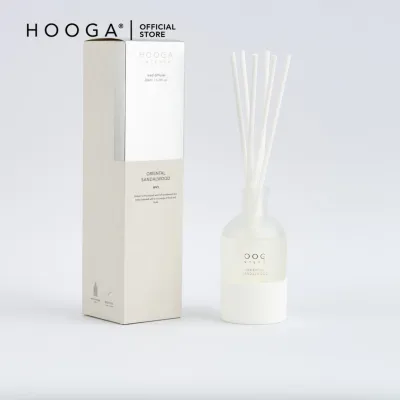
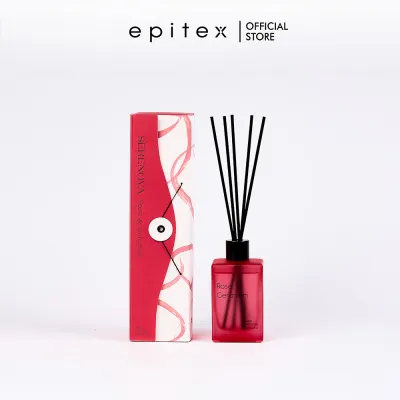
![[ONLINE EXCLUSIVE] Hooga SCENTFUL LIVING Reed Diffuser 180ml | Home Fragrance](https://img.lazcdn.com/g/p/8317d46b06101cb0c714d6b274a8b012.jpg_400x400q80.jpg_.webp)
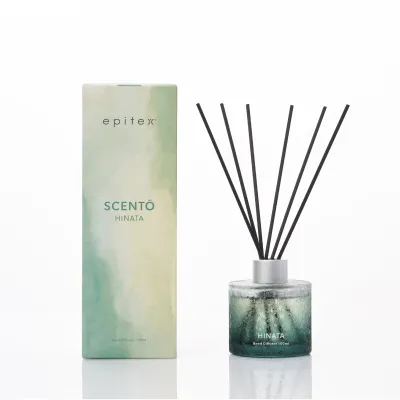
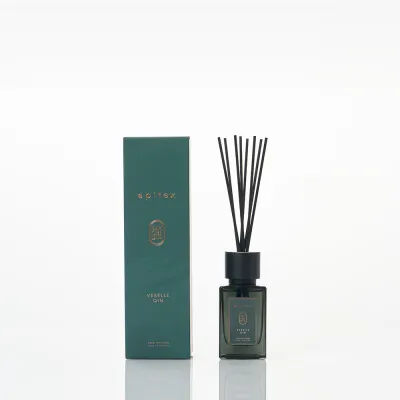
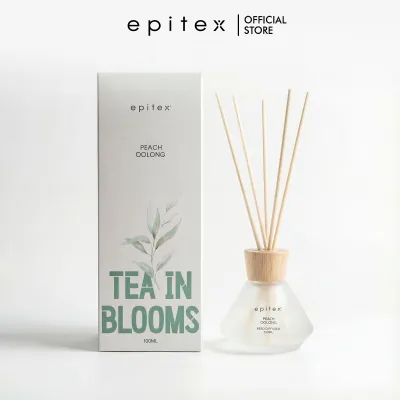
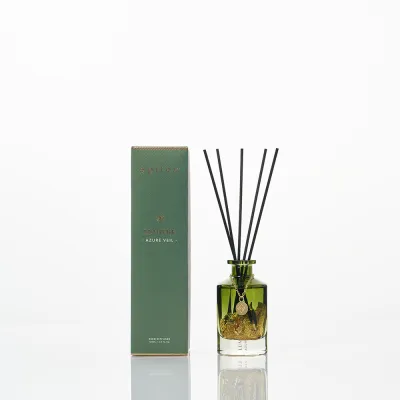
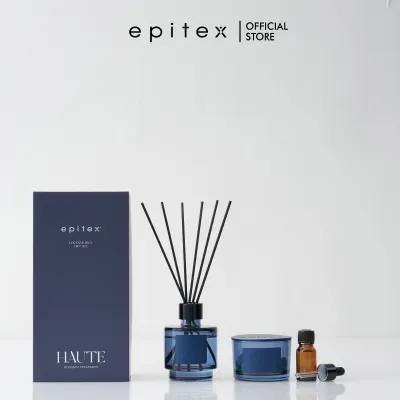
Prices are valid at publication and may change. Please refer to the product page for the latest price.
The core technology used to disperse the essential oils is another critical differentiator among leading brands. Ultrasonic diffusers are the most common, utilizing a small ceramic disc that vibrates at ultrasonic frequencies to break down a mixture of water and essential oil into a fine, cool mist. Reputable brands engineer these discs to vibrate at precise frequencies—typically between 1.7 and 2.4 megahertz—to ensure a consistent, micro-fine mist that suspends in the air rather than immediately falling and dampening your furniture.
For those seeking a more intense fragrance experience, nebulizing diffusers offer an alternative by using pressurized air and the Venturi effect to atomize pure essential oil directly into the air without water. Because nebulizers do not dilute the oil, they deliver a highly concentrated aroma, making them a favorite for larger spaces. However, because they require high-pressure airflow, the engineering quality of the internal pump is paramount; premium brands invest in sound-dampening chambers to keep the mechanical hum of a nebulizer to a minimum, whereas cheaper models can be uncomfortably loud.
Material quality is the third pillar of a reliable diffuser brand. Pure essential oils, particularly citrus oils containing high levels of limonene, are highly corrosive to standard plastics. If a diffuser is made from cheap, low-grade plastic, the oils will gradually degrade the reservoir, causing the plastic to crack, leak, or leach harmful chemical compounds into the mist. Trustworthy brands construct their water tanks from high-grade, BPA-free polypropylene (PP) plastic, which is highly resistant to chemical corrosion, and often use premium materials like hand-blown glass, ceramic, or natural wood for the outer casing.
Matching Diffuser Types to Your Home Environment
Selecting the right diffuser requires matching its capabilities to the specific room where it will be used, taking into account room size, ventilation, and household members. For bedrooms and compact study rooms, quiet operation is essential for maintaining a peaceful environment. Ultrasonic diffusers are ideal for these spaces because the water dampens the sound of the ultrasonic plate, resulting in a whisper-quiet operation that typically registers below 30 decibels. When choosing a bedroom model, look for brands that offer independent light controls, allowing you to turn off the ambient LED lights completely while keeping the mist running, alongside reliable auto-shutoff timers that turn the device off once the water is depleted.

In contrast, spacious living areas and open-concept HDB or condo layouts require a device with a larger coverage capacity. An ultrasonic diffuser with a small 100ml reservoir will struggle to scent a large living room, as the mist will quickly disperse and become undetectable. For these open spaces, look for brands offering high-capacity ultrasonic models with reservoirs of 300ml to 500ml, which can provide continuous mist for eight to twelve hours. Alternatively, a high-quality nebulizing diffuser is highly effective for open layouts, as it disperses pure, undiluted oil particles that travel further and linger longer in large volumes of air without adding extra humidity to the room.
If your household includes young children or pets, your selection criteria must shift heavily toward physical safety and non-toxic operation. Cool-mist ultrasonic diffusers are the safest choice here, as they do not use heating elements, eliminating any risk of accidental burns if a child or pet knocks the device over. Look for brands that design their diffusers with a low, wide base that is difficult to tip, or models that feature secure, locking lids to prevent water spills. Furthermore, because pets—especially cats—have highly sensitive respiratory systems and lack certain liver enzymes to process specific essential oil compounds, always place the diffuser on a high, stable surface out of their reach, and ensure the room remains well-ventilated so pets can easily leave the space if the scent becomes too strong.
Room Sprays as a Low-Maintenance Alternative
While electronic diffusers are excellent for continuous, long-term scenting, they are not always the most practical choice for every situation. Room sprays offer a highly effective, plug-free alternative when you need instant, targeted fragrance delivery. If you want to quickly refresh a bathroom before guests arrive, eliminate cooking odors in the kitchen, or add a pleasant scent to an entryway where there are no convenient electrical outlets, a few quick spritzes of a room spray can achieve this immediately without the setup time required by an electronic device.
When comparing the long-term cost and convenience, room sprays and electronic diffusers serve different lifestyles. An electronic diffuser represents a higher upfront investment, with quality certified models typically ranging from S$50 to S$150, plus the ongoing cost of purchasing pure essential oils. However, because you only need a few drops of oil per session, the running cost per hour can be very low. Room sprays have a much lower entry cost but may need to be replaced more frequently if used to scent large areas daily. The primary advantage of room sprays is their zero-maintenance nature; they require no water refills, no electrical power, and no regular descaling or mold cleaning, making them incredibly convenient for busy individuals.
If you decide to incorporate room sprays into your home fragrance routine, it is important to evaluate their ingredients and delivery mechanisms. Look for brands that prioritize ingredient transparency, utilizing natural essential oils and plant-derived alcohol bases rather than synthetic propellants or harsh chemical solvents. Choose fine-mist pump sprays over pressurized aerosol cans, as pump mechanisms deliver a cleaner, more controlled mist without releasing volatile organic compounds (VOCs) into your indoor air. Additionally, always check the product label to ensure the formula is safe for use around household textiles, preventing any potential staining or discoloration on your curtains, carpets, or sofa fabrics.
What to Check Before Buying from Online Marketplaces
E-commerce platforms and online marketplaces offer an overwhelming variety of oil diffusers, but navigating these listings requires a cautious approach to avoid low-quality or unsafe products. To protect yourself from counterfeit electronics or diluted, synthetic oils marketed as pure, always purchase directly from official brand stores or authorized distributors. These official storefronts are usually marked with verification badges on major platforms, giving you peace of mind that you are receiving a genuine product backed by the manufacturer’s quality guarantees.
One of the most common pitfalls when buying electronics online is compatibility with local electrical standards. Singapore operates on a 230V mains voltage at a frequency of 50Hz, utilizing the Type G three-pin plug. Many cheap diffusers shipped from overseas are packaged with two-pin plugs or designed for lower voltages, requiring the use of travel adapters. Using travel adapters for long-term, daily-use appliances—especially those containing water—is not recommended, as poor-quality adapters can overheat and create fire hazards. Always verify in the product description or by messaging the seller that the diffuser comes with a native, safety-certified Type G plug or is powered via a standard USB cable that can safely connect to a certified local USB wall charger.
Finally, pay close attention to the warranty terms and the availability of local customer support. A reputable brand will typically offer a warranty of six to twelve months, backed by a physical service center or an authorized distributor located in Singapore. If your diffuser experiences a sudden failure of the ultrasonic plate or an electrical malfunction, having a local point of contact makes the return or repair process straightforward. Avoid buying from sellers who offer no warranty or require you to ship defective units back overseas at your own expense, as the shipping costs will often exceed the value of the device itself.
Maintenance and Safety Boundaries for Daily Use
To ensure your oil diffuser operates efficiently and does not compromise your indoor air quality, establishing a regular cleaning routine is essential. Because ultrasonic diffusers hold standing water, they can quickly become breeding grounds for mold, bacteria, and yeast if left uncleaned. After every use, make it a habit to empty any remaining water from the reservoir, pouring it out away from the air outlet to prevent water from entering the internal electronics, and wipe the tank dry with a clean cloth.
Once a week, perform a deeper clean by filling the reservoir halfway with clean water and adding a teaspoon of white vinegar. Run the diffuser for approximately five to ten minutes to allow the vinegar mixture to disperse and break down any oil residue, then empty the tank and wipe it down thoroughly. To clean the delicate ceramic ultrasonic plate at the bottom of the reservoir, gently wipe it with a cotton swab dipped in rubbing alcohol or white vinegar; never use abrasive brushes, metal tools, or harsh chemical cleaners, as scratching the plate will permanently degrade its ability to vibrate and produce mist.
It is also important to recognize the physical signs of material fatigue or electrical wear that indicate a diffuser is no longer safe to use. Over time, exposure to essential oils can cause plastic reservoirs to become sticky, discolored, or brittle. If you notice any hairline cracks in the water tank, water leaking from the bottom of the unit, an unusually loud buzzing sound from the fan, or if the base of the device feels excessively hot to the touch, unplug it immediately and discontinue use. Attempting to repair internal wiring or disassemble the base yourself poses significant electrical risks; instead, consult the manufacturer’s manual or contact a qualified professional to determine if the device can be serviced or if it needs to be replaced.
Frequently Asked Questions (FAQ)
Can I use tap water in my ultrasonic oil diffuser?
Whether you should use tap water depends on your specific device’s instruction manual and your willingness to perform regular maintenance. In Singapore, tap water is clean and safe, but it contains trace minerals that can gradually accumulate on the ultrasonic plate over time. This mineral buildup, often appearing as a white crust, restricts the plate’s vibrations and reduces mist output. To minimize this, many manufacturers recommend using distilled or filtered water, which prevents mineral scaling and keeps the device running at peak performance. However, some brands design their water-level sensors to rely on the electrical conductivity of tap water to function correctly, meaning distilled water might cause the device to falsely signal that it is empty. Always check your product manual first to see which water type the manufacturer recommends for your specific model.
How long should I run an oil diffuser in an air-conditioned room?
Running an ultrasonic diffuser in an air-conditioned room can help counteract the dry air created by the AC by adding a gentle, localized mist of moisture. However, because air-conditioned rooms are typically sealed with minimal fresh air exchange, running a diffuser continuously for hours can lead to an excessive concentration of essential oils in the air, which can cause headaches, nausea, or olfactory fatigue. To maintain a comfortable and safe indoor environment, it is best to run your diffuser intermittently. Use your device’s built-in timer settings to run it for 30 to 60 minutes at a time, or utilize an intermittent misting mode that cycles on and off every few minutes. This approach keeps the fragrance subtle and pleasant while preventing the air from becoming overly saturated with moisture and oil particles.

Community discussion
Share your experience or ask a question. Comments are reviewed before publication.