
Selecting the ideal outdoor light with an integrated motion sensor depends entirely on the physical layout, environmental exposure, and specific security or navigation goals of each zone around your home. A driveway requires high-intensity illumination to guide vehicles and deter intruders, while a garden pathway benefits from low-glare, ground-focused accent lighting. Semi-sheltered corridors demand compact, wide-angle fixtures that ensure safe pedestrian passage without blinding residents. By matching the sensor technology, power source, and ingress protection to the unique demands of each space, you can create a reliable, energy-efficient exterior lighting setup.
Core Lighting Needs for Different Outdoor Areas
Every outdoor zone around a residential property serves a distinct purpose, which dictates the type of illumination and sensor performance required. Driveways and main entry points primarily demand high-visibility security lighting and clear vehicle guidance. These areas must be brightly lit to eliminate blind spots, assist drivers during parking maneuvers, and deter unauthorized visitors. In contrast, gardens and landscaped pathways require a delicate balance between aesthetic accentuation and basic path visibility. Here, the goal is to highlight architectural features or plant life while providing just enough light to prevent trips and falls.
Environmental exposures also vary dramatically across these zones, directly influencing fixture durability. Driveways are frequently subjected to vehicle exhaust, wind-blown dust, and direct weather elements. Gardens present an even harsher environment for electronics, exposing fixtures to constant soil moisture, lawn sprinklers, decaying organic matter, and physical interference from growing foliage. Corridors and walkways, particularly in semi-sheltered areas like apartment common areas or covered side passages, face less direct rainfall but must still withstand high ambient humidity and occasional wind-driven dampness.
Products mentioned in this guide
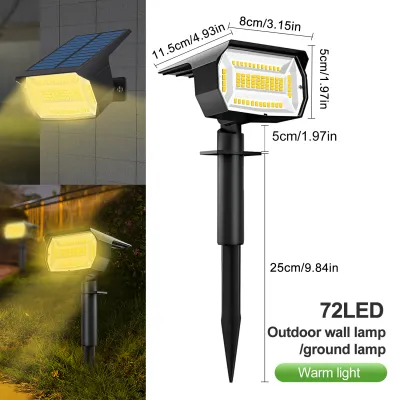
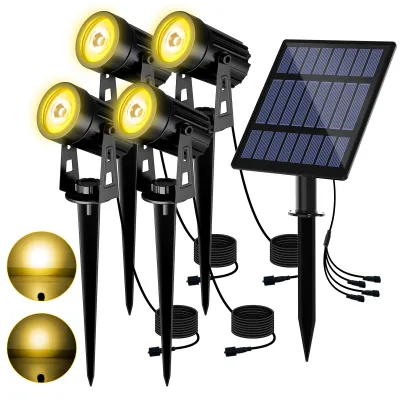
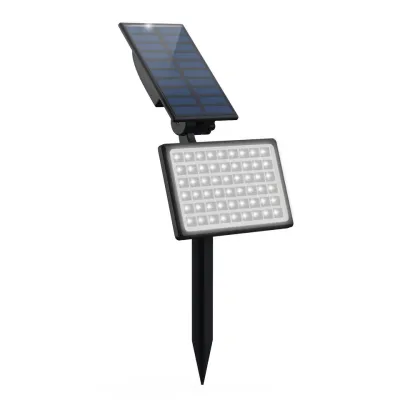
Prices are valid at publication and may change. Please refer to the product page for the latest price.
To ensure long-term reliability, homeowners must verify the Ingress Protection (IP) rating on manufacturer labels before purchase. For fully exposed areas like open driveways and garden beds, fixtures should carry a minimum rating of IP65 to guarantee protection against dust ingress and low-pressure water jets from any direction. Semi-sheltered spaces, such as covered porches or recessed corridors, can safely utilize fixtures rated at IP44, which protects against splashing water and solid objects larger than 1 millimeter.
Essential Specifications for Outdoor Motion Sensor Lights
When evaluating an outdoor light, understanding the underlying sensor technology is crucial for minimizing false triggers while ensuring timely activation. Passive Infrared (PIR) sensors are the most common type used in residential fixtures. They operate by detecting changes in heat signatures within their field of view, making them highly effective at identifying moving people or vehicles. However, PIR sensors can struggle in extremely hot climates where the ambient temperature closely matches human body heat, and they require a direct line of sight to function. Microwave sensors, on the other hand, emit high-frequency waves and measure the reflections. They are incredibly sensitive and can detect motion through thin walls, glass, and heavy foliage, but this high sensitivity often leads to frequent false alarms from swaying tree branches or heavy rain.

Matching the lumen output and beam angle to your specific space prevents both inadequate lighting and light trespass. Lumens measure the total amount of visible light emitted by a source. For large, open areas like driveways, a high-output fixture delivering 1,000 to 2,000 lumens is generally appropriate. For narrow walkways or garden paths, a softer output of 100 to 400 lumens prevents harsh glare and preserves the nighttime ambiance. The beam angle determines how widely the light spreads; a wide angle of 110 degrees or more is ideal for broad floodlighting, while a narrow angle of 30 to 60 degrees works best for highlighting specific garden features or illuminating narrow corridors.
Power source selection involves balancing installation complexity with long-term maintenance. Hardwired fixtures offer the most reliable performance and constant power, making them ideal for critical security zones, though they require access to existing electrical wiring and often professional installation. Battery-powered lights offer unmatched placement flexibility and simple DIY mounting, but they require periodic battery replacements or recharging, which can become tedious. Solar-powered options are highly convenient and energy-efficient, but their performance depends entirely on receiving several hours of direct daily sunlight to charge their internal batteries, making them less reliable during prolonged rainy seasons or in heavily shaded areas.
Matching Light Fixtures to Your Specific Area
Because different parts of your home’s exterior serve distinct functional roles, a single style of outdoor light is rarely suitable for every location. Achieving a cohesive and effective lighting scheme requires matching specific fixture designs, mounting styles, and sensor behaviors to the unique physical layout of each zone.
Driveways and Entrances
For driveways and main entrances, high-lumen, wide-beam floodlights are the standard choice. These fixtures should feature robust, weather-resistant housings made of materials like die-cast aluminum or UV-stabilized polycarbonate to withstand intense sun and rain. Because these areas require broad coverage, look for dual-head or triple-head adjustable floodlights that allow you to direct light into specific corners and eliminate blind spots around parked vehicles.
Sensor placement in driveways is critical to maximizing detection range while avoiding nuisance triggers. Mounting the fixture at a height of 2.4 to 3 meters ensures a wide detection field and keeps the sensor out of reach of potential intruders. Adjust the sensor’s sensitivity settings and physical angle downward so that it detects vehicles or pedestrians entering your property line, but remains unaffected by passing traffic on the public street or sidewalk.
To maintain good neighborly relations and ensure driver safety, glare control must be prioritized. Angle the light heads downward at a sharp angle rather than outward toward the street. This directs the illumination precisely where it is needed on the driveway surface, preventing blinding glare from striking drivers turning into the property or shining directly into neighboring windows.
Gardens and Landscaped Pathways
In gardens and along landscaped pathways, the lighting should blend seamlessly with the natural surroundings. Low-lumen, focused-beam fixtures such as low-profile bollards, path lights, or adjustable ground-mounted spotlights are ideal. These fixtures guide footsteps safely along the path while highlighting beautiful foliage or architectural features without creating a harsh, institutional feel.
The primary challenge in garden settings is preventing false triggers caused by wind-blown leaves, branches, or small nocturnal animals. To mitigate this, select sensors with adjustable detection zones or use physical masking tape (often provided by manufacturers) to block out areas with heavy foliage. Some advanced fixtures utilize dual-technology sensors or adjustable sensitivity dials, allowing you to fine-tune the device to ignore minor environmental movements while still responding to human footsteps.
Because garden lights are positioned close to the ground, they face constant exposure to wet soil, mud, and lawn irrigation. It is essential to verify that any ground-mounted fixture has a high moisture-resistance rating, preferably IP65 or higher, and is constructed from corrosion-resistant materials like heavy-duty composite, brass, or anodized aluminum. Ensure all cable connections for low-voltage or hardwired garden systems are housed in watertight junction boxes.
Corridors, Walkways, and Semi-Sheltered Spaces
Corridors, side passages, and semi-sheltered walkways require consistent, even illumination that facilitates safe pedestrian transit. Compact, downward-facing bulkheads or wall-mounted sconces with wide lateral beam angles are highly effective in these narrow spaces. These designs cast light along the walking surface while keeping the physical fixture low-profile, preventing it from obstructing movement in tight passages.
Sensor timing and range require careful adjustment in transitional spaces. If the sensor’s time-delay setting is too short, the light may turn off prematurely while a resident is slowly navigating a dark corridor or searching for their keys at the door. Setting a time delay of two to three minutes ensures the path remains illuminated until the transition is complete. Additionally, position the sensor so that it detects movement as soon as a person enters the corridor, rather than halfway through their walk.
Before purchasing a wall or ceiling-mounted fixture for a corridor, verify the mounting clearances and structural integrity of the wall. Ensure the fixture’s dimensions do not interfere with outward-opening doors or narrow pathways. If you are replacing an existing manual light, check that the wiring is compatible with a motion-sensor fixture, as some smart or sensor-integrated models require a constant neutral wire to power the sensor even when the light is off.
Installation Boundaries and Safety Checks
Whether you are installing a simple battery-operated path light or a complex hardwired system, safety must be your top priority. For any hardwired installation, you must turn off the mains power at the circuit breaker and use a reliable voltage tester to verify the wires are completely dead before touching them. Always check local building and electrical codes, as certain jurisdictions require all fixed-wiring electrical work to be performed by a licensed professional.
To maximize sensor efficiency and minimize blind spots, adhere to the manufacturer’s recommended mounting heights. For general walkways and corridors, a mounting height of 2 to 2.5 meters is typically optimal. For high-output driveway floodlights, a height of 2.4 to 3 meters provides the best balance of wide coverage and sensor sensitivity. Ensure the sensor lens is clean and free of dust, paint, or plastic wrapping, which can severely degrade its detection range.
Knowing when to stop a DIY installation and call a qualified professional is essential for preventing electrical hazards or structural damage. You should halt work immediately and consult a licensed electrician if you encounter damaged or decaying existing wiring, find no ground wire in your junction box, or need to run new electrical conduits through concrete walls or structural elements. Additionally, if you are unsure whether a fixture’s electrical certification matches your home’s voltage and wattage limits, professional guidance is the safest path forward.
Frequently Asked Questions (FAQ)
Can I use a solar motion sensor light in a heavily shaded garden?
Solar-powered motion sensor lights rely on direct sunlight to charge their internal batteries. If your garden is heavily shaded by dense tree canopies, high walls, or neighboring buildings, the solar panel will not receive sufficient energy to fully charge. This results in significantly reduced runtime, dimmer light output, or complete failure to activate at night. For consistently shaded areas, it is highly recommended to use hardwired low-voltage lighting systems or battery-operated fixtures that do not depend on daily sunlight.
Why does my outdoor light keep turning on when there is no one there?
Frequent false activations, often called ‘ghost triggering’, are usually caused by environmental factors within the sensor’s field of view. Common culprits include swaying tree branches, moving shadows, passing vehicles outside your property line, or even small animals and insects crawling across the sensor lens. To resolve this, you can lower the sensor’s sensitivity setting, tilt the sensor head downward to limit its range, or apply physical masking stickers to block out the specific zones where the unwanted movement occurs.

Community discussion
Share your experience or ask a question. Comments are reviewed before publication.