
Choosing the right Philips emergency torch light for your HDB flat depends on matching the device’s form factor, battery runtime, and charging mechanism to your household’s layout and daily routines. Because HDB flats feature compact layouts with specific power outlet configurations, a bulky or overly bright light can cause unnecessary glare, while an underpowered torch might leave critical areas like windowless bathrooms or kitchens in complete darkness. By focusing on versatile, rechargeable options that offer reliable standby power, you can ensure your household remains safe and functional during unexpected power outages.
Whether you are looking for a budget-friendly option under S$30 or a premium multi-functional lantern, understanding the technical specifications and physical designs available will help you make an informed decision. This guide outlines the essential evaluation criteria and form factors to help you identify the most suitable Philips emergency lighting solutions for your home, ensuring safety and practicality without relying on unverified model claims.
Key Specifications to Evaluate for Compact Living Spaces
When selecting emergency lighting for an HDB flat, the technical specifications must align with the physical realities of compact urban living. Unlike large landed properties, HDB flats require lighting solutions that are highly efficient, space-saving, and easy to deploy in tight quarters.
Products mentioned in this guide
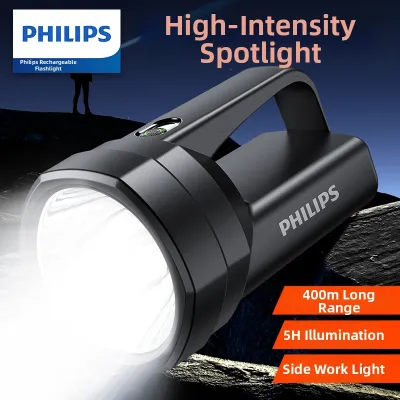
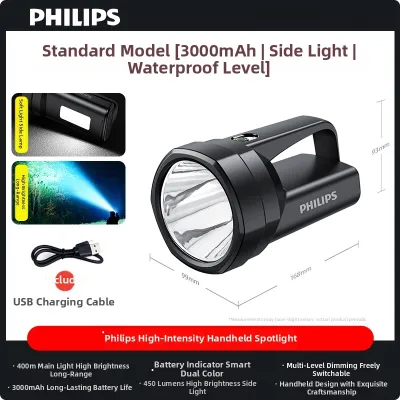
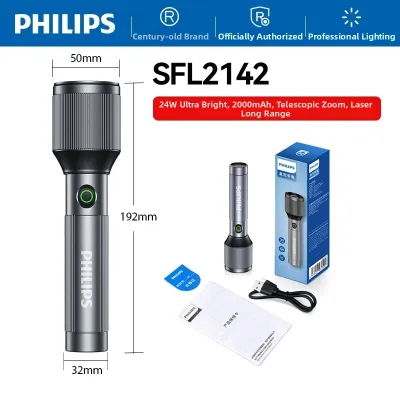
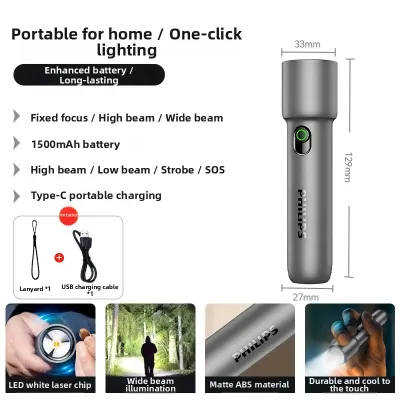
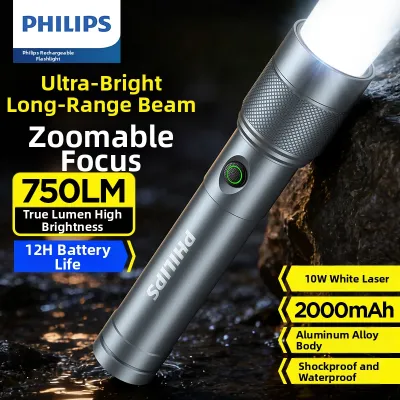
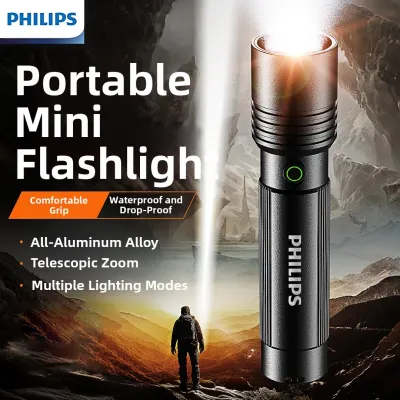
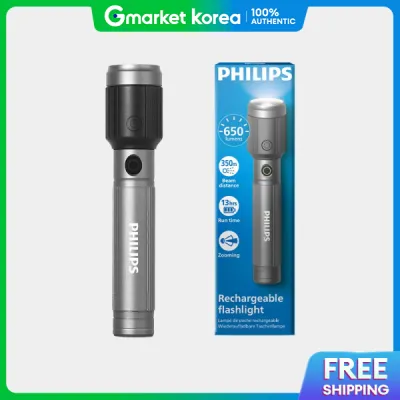
Prices are valid at publication and may change. Please refer to the product page for the latest price.
Brightness, Beam Angle, and Dimming Methods
The brightness of an emergency light is measured in lumens, and more is not always better. In a compact HDB living room or corridor, an excessively bright torch can bounce harsh light off light-colored walls, causing blinding glare that makes navigation difficult. For general indoor illumination, a light source offering 150 to 300 lumens is typically sufficient to light up an entire room safely.
Equally important is the beam angle and dimming method. A highly focused spotlight beam is excellent for searching deep inside a utility closet or household shelter, but it is less effective for general room illumination. Look for models that offer adjustable beam angles or a dedicated floodlight setting. A wide-angle floodlight diffuses light evenly across a space, making it much easier to perform household tasks without casting deep, disorienting shadows. Additionally, models with step dimming (such as high, low, and eco modes) allow you to manage battery consumption effectively during prolonged outages.
Battery Capacity and Runtime
Singapore’s electrical grid is exceptionally reliable, meaning complete blackouts are rare. However, localized circuit trips due to faulty appliances or scheduled maintenance in HDB estates can still leave you in the dark. Therefore, your emergency light should comfortably provide three to six hours of continuous illumination on a single charge.
When evaluating battery capacity, check the manufacturer’s specifications for runtime on both high and low brightness settings. Running the device on a lower setting can significantly extend battery life, sometimes doubling or tripling the available runtime. If the model uses a rechargeable lithium-ion battery, verify that it has a capacity rating suitable for your needs, typically ranging from 1,200 mAh to over 4,000 mAh for multi-functional units.
Charging Interfaces and Space Efficiency
The choice between built-in retractable AC plugs and USB-C charging depends heavily on your home’s outlet placement. Many traditional emergency lights feature a built-in two-pin or three-pin plug that inserts directly into a wall socket for continuous trickle charging. While this keeps the unit flush against the wall and ready for action, it can block adjacent outlets in compact HDB kitchen or living room setups.
Conversely, USB-C or micro-USB rechargeable models offer greater placement flexibility. These devices can be charged using standard phone chargers, power banks, or multi-port USB hubs, thereby saving valuable wall socket space. This flexibility is particularly useful in modern HDB flats where wall outlets are often highly utilized by kitchen appliances, home entertainment systems, and smart devices.
Matching Philips Torch Light Form Factors to HDB Scenarios
Philips offers a variety of emergency lighting form factors, ranging from compact handheld torches to larger multi-directional lanterns. Selecting the right design requires analyzing how your family moves through the flat and where light is most critically needed during a blackout. Instead of relying on a single, universal light source, a strategic combination of different form factors tailored to specific zones ensures comprehensive coverage.

Wall-Mounted and Magnetic Rechargeable Lights
For high-traffic zones like corridors, kitchens, and utility shelters, wall-mounted or magnetic rechargeable lights offer excellent hands-free utility. These devices are designed to remain in a fixed location, ensuring you always know where to find them when the power suddenly cuts out. Some models feature automatic activation, turning on instantly when they detect a loss of incoming electrical current from the wall outlet.
Before purchasing a wall-mounted model, it is essential to evaluate the mounting surfaces in your HDB flat. Many modern flats feature smooth tiled walls in the kitchen or painted concrete walls in the hallways. If you plan to use adhesive strips or magnetic mounts, verify that the surface is clean, dry, and capable of supporting the weight of the light over time. For heavier units, mechanical mounting with screws and wall plugs may be necessary to prevent the light from falling and sustaining damage.
Additionally, the metal door of an HDB household shelter (bomb shelter) serves as an excellent magnetic surface. A compact emergency light with a strong magnetic base can be snapped directly onto the door, keeping it easily accessible and out of the way of daily foot traffic.
Handheld Torches with Power Bank Functions
A handheld torch is a classic emergency tool that belongs in every bedside drawer or household emergency kit. Modern variations often incorporate dual-purpose functionality, acting as both a portable light source and a backup power bank for mobile devices. This feature is particularly valuable during extended outages when keeping your smartphone charged is crucial for communication and receiving local updates.
However, users must balance the trade-offs of these multi-functional devices. Utilizing the torch’s internal battery to charge a smartphone will directly reduce the remaining runtime available for illumination. When selecting a handheld torch with power bank capabilities, check the battery capacity rating and prioritize models with larger capacities if you intend to use the charging feature frequently. Additionally, consider the weight and ergonomics of the torch, ensuring it is light enough for children or elderly family members to carry comfortably.
Multi-Directional and Foldable Lantern Designs
When a blackout occurs while you are cooking, dining, or studying, a focused handheld beam is highly impractical. Multi-directional and foldable lanterns are designed to sit stably on flat surfaces, such as dining tables, study desks, or kitchen countertops, providing hands-free ambient light. These designs often feature adjustable panels or rotating heads, allowing you to direct light precisely where it is needed without illuminating the entire room unnecessarily.
When evaluating these lanterns, pay close attention to the base footprint and overall stability. HDB tables and shelves can be crowded, so a compact, stable base prevents the lantern from being easily knocked over in the dark. Foldable designs offer the added benefit of space-saving storage, collapsing into a compact shape that fits neatly into shallow drawers or storage boxes when not in use.
Safety, Compliance, and Pre-Purchase Checks
Electrical safety is paramount when selecting any rechargeable appliance for your home. In Singapore, electrical accessories and appliances designed for direct connection to the mains power supply must comply with local safety standards. When purchasing a Philips emergency light that plugs directly into a wall socket, look for the safety certification marks recognized locally, such as the Enterprise Singapore Safety Mark. This certification ensures the device has undergone rigorous testing for electrical safety, insulation, and fire resistance.
Additionally, verify the plug type and voltage compatibility of the device. Singapore operates on a 230V supply voltage at 50Hz, utilizing Type G three-pin plugs. Importing models designed for other regions can lead to adapter clutter, which not only looks untidy but can also introduce safety hazards if cheap, uncertified travel adapters are used continuously. Choosing a model with a native Type G plug or a standard USB charging interface eliminates these risks entirely.
Finally, consider the battery chemistry and thermal management of the emergency light. HDB flats can experience warm, humid conditions, especially in enclosed utility rooms or kitchens. Ensure the device utilizes high-quality lithium-ion or nickel-metal hydride (NiMH) batteries with built-in overcharge and thermal protection. These safety features prevent the battery from overheating during continuous charging, ensuring long-term reliability and peace of mind.
If you decide to install a fixed emergency bulkhead light that requires hardwiring into your flat’s electrical system, always isolate the power at the main distribution board (DB box) before beginning installation. For any fixed wiring work or installations at height—such as mounting a heavy fixture near a high ceiling—it is highly recommended to engage a licensed electrical worker to ensure compliance with local wiring regulations and prevent electrical hazards. In damp environments like bathrooms or near kitchen sinks, ensure any plugged-in emergency light is kept well away from direct water splashes and high-heat sources like kitchen stoves.
Frequently Asked Questions (FAQ)
How often should I test my emergency torch light?
To ensure your emergency light is ready when you need it, establish a routine testing schedule every one to three months. Turn off the main power source or unplug the device to run it on battery power for a few minutes, checking that the light output remains bright and stable. Periodically discharging the battery and recharging it fully helps maintain battery health and prevents capacity loss over time. If you notice a significant drop in brightness or a very short runtime during testing, it may be time to replace the battery or the unit.
Can I leave a rechargeable emergency light plugged in all the time?
Most modern Philips rechargeable emergency lights are designed with built-in battery management systems that prevent overcharging, making them safe to leave plugged into a wall outlet continuously. This ensures the device remains fully charged and ready to activate instantly during a power failure. However, always refer to the manufacturer’s specific instructions, as some budget models or older battery chemistries may benefit from being unplugged once fully charged to prevent premature battery degradation.

Community discussion
Share your experience or ask a question. Comments are reviewed before publication.