
An unexpected power outage in an HDB flat requires reliable, immediate lighting to navigate safely, check the distribution board, or wait out the blackout. Selecting the right Philips torch light for emergency preparedness involves balancing brightness, battery longevity, and the physical space constraints typical of Singaporean homes. By evaluating key specifications and understanding how different light outputs behave in indoor environments, you can build a practical, space-efficient emergency lighting plan tailored to your household’s specific needs.
To ensure your home remains safe and functional during a power failure, you must look beyond basic illumination. The ideal emergency torch is not simply the brightest one available, but rather a tool designed for quick deployment, comfortable indoor viewing, and long-term reliability under tropical storage conditions.
Identifying Your HDB Emergency Lighting Needs
Modern HDB flats feature unique architectural layouts that present specific challenges during a sudden blackout. Many units have long, narrow corridors, windowless bathrooms, and reinforced household shelters that double as utility rooms. When the main power trips, these internal spaces instantly lose all ambient light from external windows, creating a high risk of trips and falls over household items like shoe racks or potted plants.
Products mentioned in this guide
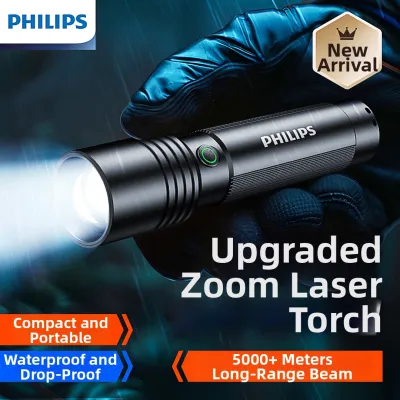
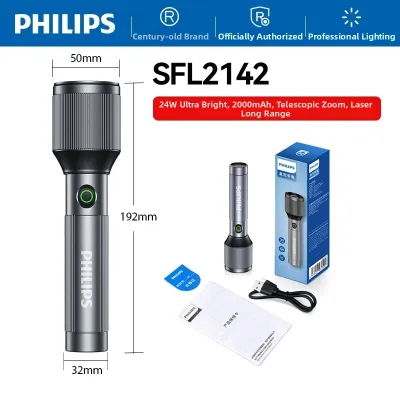
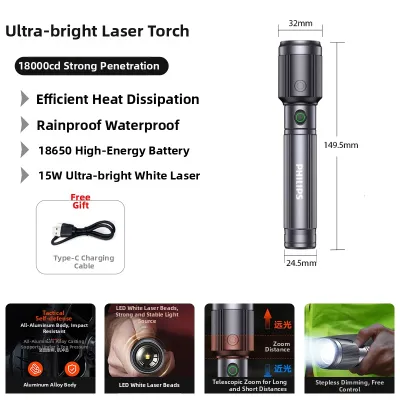
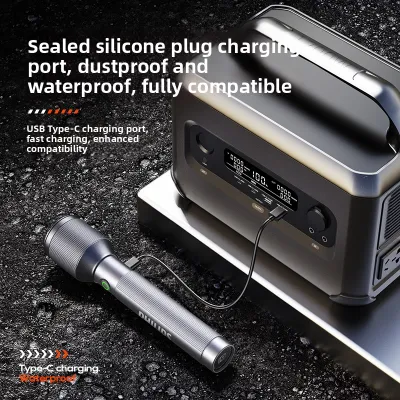
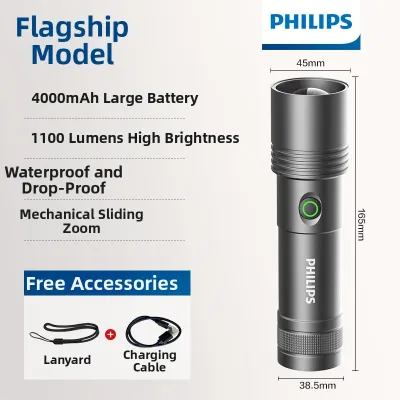
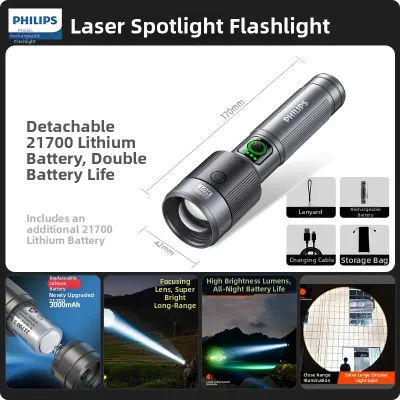
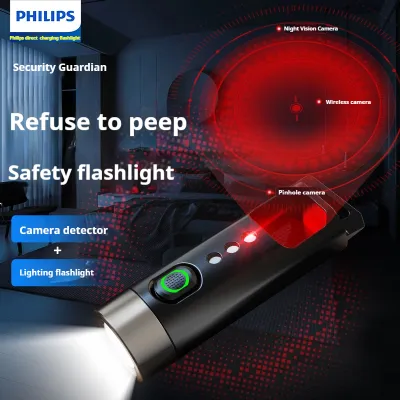
Prices are valid at publication and may change. Please refer to the product page for the latest price.
Most power disruptions in Singapore are highly localized, often caused by a faulty household appliance triggering the residual current circuit breaker (RCCB) at your distribution board (DB) box. Resolving this requires navigating safely to the DB box, opening the panel, and identifying the tripped switch. This task demands a light source that can be deployed in seconds and directed precisely at the electrical components.
While localized trips are usually resolved within minutes, wider area grid maintenance or unexpected external disruptions can occasionally cause longer blackouts. Your emergency lighting strategy must account for both scenarios: a quick-response light for immediate navigation and a long-running light source to sustain your household through an extended outage of several hours.
If your household includes vulnerable members, such as young children or the elderly, sudden darkness can cause immediate disorientation and anxiety. For these situations, the accessibility of your torch light is paramount. The light must be stored where it can be retrieved without searching in the dark, and the beam itself should be adjustable to prevent blinding sensitive eyes while providing a comforting level of ambient illumination.
Evaluating Brightness and Beam Types for Indoor Use
When selecting a Philips torch light, understanding how light behaves inside a home is crucial. Many high-power torches are designed for outdoor search-and-rescue, projecting a narrow, intense beam over long distances. Indoors, this type of concentrated spot beam can be highly counterproductive, bouncing off light-colored plaster walls and causing severe glare that can temporarily impair your vision.

For indoor HDB environments, a torch that offers a wide flood beam or an adjustable focus lens is highly preferable. A flood beam disperses light evenly across a wide angle, illuminating an entire room rather than a single tiny spot. This makes it much easier to assess your surroundings, locate emergency supplies, or monitor family members without constantly scanning the torch back and forth.
In terms of brightness, more is not always better. For general indoor navigation and reading electrical labels on a DB box, a light output of 100 to 300 lumens is perfectly adequate. If you shine a 1000-lumen torch inside a small, white-walled utility room, the reflected glare can cause immediate eye strain. Look for a model that features multiple brightness modes, allowing you to drop the output to a lower level (such as 30 or 50 lumens) to conserve battery life while maintaining comfortable visibility.
To illuminate a larger area like a living room without harsh shadows, you can use a technique known as ceiling bouncing. By placing a wide-beam Philips torch vertically on a table and pointing it directly at the ceiling, the light reflects downward, mimicking a soft, low-power ceiling lamp. This indirect lighting method distributes illumination evenly across the room, making the space feel safer and more comfortable for everyone present.
Choosing the Right Battery and Power Option
Deciding between a rechargeable lithium-ion model and a standard dry-cell battery torch depends heavily on your maintenance habits and storage preferences. Both options have distinct advantages and trade-offs when stored in Singapore’s warm, humid climate.
Rechargeable Philips torch lights powered by built-in lithium-ion batteries offer excellent convenience and cost savings over time. They provide a consistent voltage output, meaning the light remains bright until the battery is almost completely drained. However, lithium-ion batteries naturally self-discharge over time. If a rechargeable torch is left in a drawer for a year without attention, the battery may be completely flat when an actual emergency occurs.
Standard dry-cell torches utilizing AA or AAA alkaline batteries are highly reliable for long-term emergency kits because alkaline cells can retain their charge for several years when unused. The primary risk with alkaline batteries is chemical leakage. Over time, especially in humid environments, these batteries can rupture and release corrosive potassium hydroxide, which can permanently ruin the internal contacts of your torch.
To mitigate these risks, establish a clear maintenance routine. If you choose a rechargeable Philips model, set a recurring calendar reminder to top up the battery charge every three to six months. If you prefer a dry-cell model, store the batteries outside the torch compartment in a sealed, dry organizer, inserting them only when you perform your regular safety checks or during an actual power failure.
Additionally, consider the long-term lifespan of the product. Built-in rechargeable batteries will eventually degrade after several hundred charge cycles. When evaluating rechargeable models, check if the battery cell is user-replaceable (such as a standard 18650 cell) or if the entire unit must be replaced once the battery can no longer hold a charge.
Managing Size and Storage in Compact HDB Spaces
With space at a premium in modern HDB flats, bulky searchlights are impractical to store and difficult to handle during a quick-response situation. A compact, lightweight torch is much easier to integrate into your daily living space, ensuring it is always close at hand.
While a large, heavy-duty torch might offer longer runtimes, a compact everyday-carry (EDC) or penlight-style Philips torch can easily fit into a bedside drawer, a kitchen cabinet, or a small hook near the main entrance. The key is to balance physical size with battery capacity, ensuring the torch is comfortable to hold for extended periods, even for children or elderly family members.
Practical design features can significantly improve the usability of your torch during a power trip. Look for models equipped with a magnetic base, which allows you to snap the light directly onto the metal casing of your DB box or a refrigerator for instant hands-free illumination. Lanyards, pocket clips, and flat tail-caps that allow the torch to stand upright on flat surfaces are also highly valuable for hands-free tasks like preparing food or reading.
Rather than relying on a single, centralized light source, implement a distributed storage strategy across your HDB flat. Place a primary, medium-sized utility torch near your DB box or main entrance for immediate access during a trip. Keep smaller, low-lumen penlights in bedside drawers so family members can safely navigate their bedrooms, and store a high-capacity light source in your household shelter for prolonged blackouts.
Pre-Purchase Specification and Safety Checklist
Before purchasing a Philips torch light, take a moment to verify the technical specifications on the packaging or product manual to ensure it meets safety standards and matches your household setup.
First, verify the stated lumen output and corresponding runtimes. Ensure the manufacturer lists realistic runtimes for the lower brightness modes, as these are the settings you will rely on most during an extended power failure. If you are looking at rechargeable models, check that the charging interface matches the cables you already use at home, such as USB-C, to avoid needing dedicated adapters.
Next, look for basic environmental protection ratings. An Ingress Protection rating of IPX4 or higher indicates the torch can withstand water splashes, which is essential if you need to use the light in a wet bathroom or handle it with wet hands during a plumbing-related electrical emergency.
Finally, check for built-in safety circuitry. High-quality LED torches should include overcharge and over-discharge protection to preserve battery health, thermal regulation to prevent the torch body from overheating during prolonged use, and a low-battery indicator to warn you when it is time to recharge or swap the batteries. For any fixed electrical issues or complex wiring faults discovered during a power trip, always isolate the main power supply and consult a licensed electrical professional rather than attempting DIY repairs.
Frequently Asked Questions (FAQ)
How often should I check my emergency torch light?
You should perform a routine check on your emergency torch light at least once every three to six months. For rechargeable models, turn the light on to verify the beam strength, and then charge the battery back to full capacity to offset natural self-discharge. For dry-cell models, open the battery compartment to inspect the terminals for any white powdery corrosion or battery leakage, and replace the cells if they are nearing their printed expiration date.
Can I use a Philips rechargeable torch light while it is plugged in?
Whether you can operate a rechargeable torch while it is charging depends entirely on the specific model’s internal circuitry. You must consult the product’s user manual to confirm if pass-through power is officially supported. Many compact rechargeable torches disable the LED light source while charging to prevent excessive heat buildup. Attempting to force-operate a non-supported model while plugged in can lead to thermal stress, accelerating battery degradation or damaging the internal charging board.

Community discussion
Share your experience or ask a question. Comments are reviewed before publication.