
Selecting a praying light for your Guan Yin altar is a deeply personal and spiritually significant decision. In Buddhist and traditional practices, the light on an altar represents wisdom, clarity, and the dispelling of spiritual darkness. Because Guan Yin—the Bodhisattva of Compassion—embodies serenity, mercy, and purity, the lighting you choose should reflect these qualities. It must create a calm, respectful atmosphere that aids in daily devotion, meditation, or quiet reflection. At the same time, because these lights are often left on for long periods, you must balance spiritual devotion with practical home safety, ensuring the materials, electrical components, and placement of your fixtures meet modern safety standards.
Sizing and Placement for Your Altar Space
To maintain a harmonious and respectful altar, the physical dimensions of your praying lights must be carefully proportioned to the space. An oversized light can overwhelm the altar, drawing attention away from the statue of Guan Yin, while a light that is too small may look out of place or fail to provide sufficient illumination. Begin by measuring the height and width of your deity statue. Ideally, the height of the praying lights should not exceed the shoulder level of the Guan Yin statue. This ensures that the statue remains the central focus of the altar, maintaining the traditional hierarchy of sacred spaces.
Beyond visual proportions, physical clearance is a critical safety consideration. Many home altars are constructed from wood and may be situated near curtains, window treatments, or other flammable household items. You must maintain a safe clearance distance between the light fixtures and any combustible materials. Ensure there is ample space around the lights so that heat does not build up, particularly if your altar is located in a recessed niche or a compact cabinet. Additionally, keep the lights at a safe distance from other traditional offerings, such as fresh flowers, incense burners, and water cups, to prevent accidental contact or water damage to the electrical components.
Products mentioned in this guide
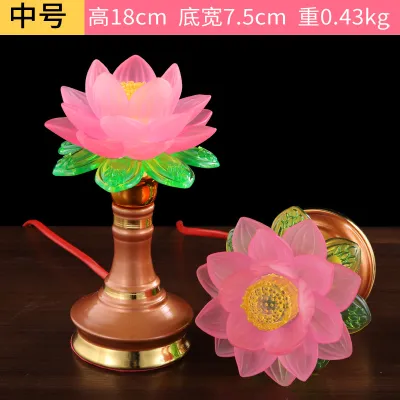
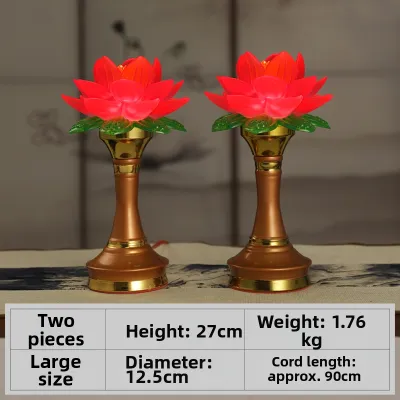
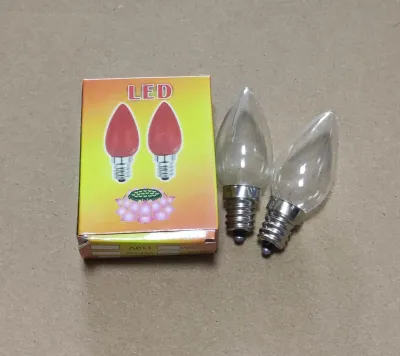
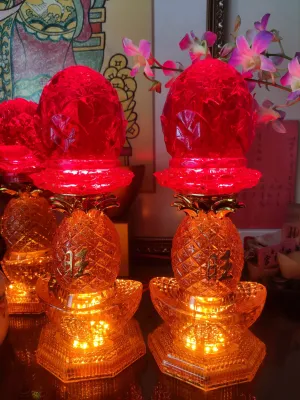
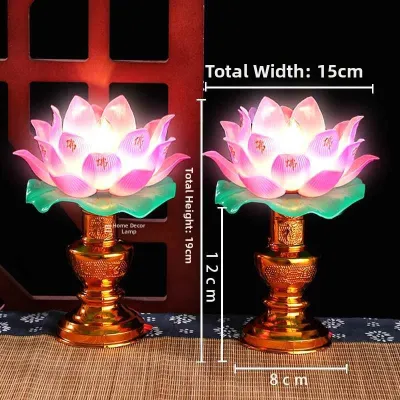
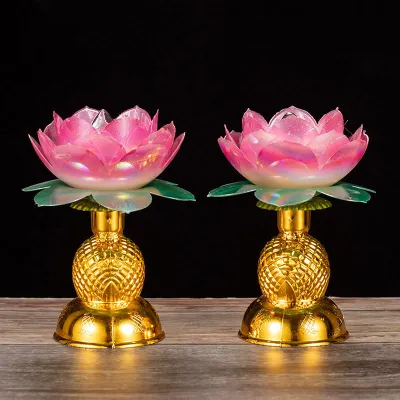
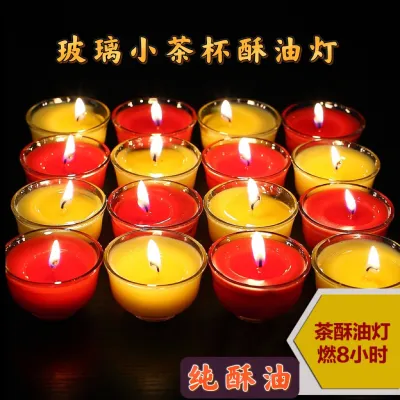
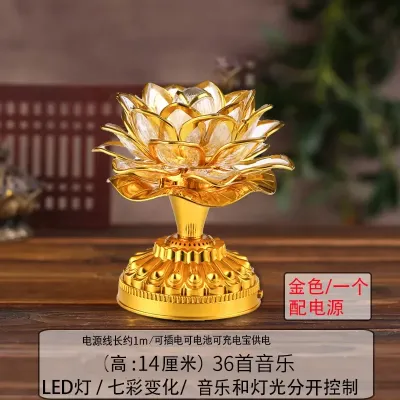
Prices are valid at publication and may change. Please refer to the product page for the latest price.
Visual balance and symmetry are also key elements of altar design. Traditionally, praying lights are placed in pairs, with one light on each side of the deity statue. This symmetrical arrangement symbolizes balanced wisdom and compassion. When positioning a pair of lights, ensure they are spaced evenly from the central statue and aligned along the same horizontal plane. If your altar space is highly restricted, such as a small wall-mounted shelf, a single central light placed behind or slightly to the side of the statue may be used. In such cases, choose a compact fixture that provides a soft, subtle glow without creating harsh shadows or crowding the limited surface area.
Design and Material Choices for Respectful Worship
The design and motifs of your praying lights should align with the serene and compassionate nature of Guan Yin. The lotus flower is the most common and culturally appropriate motif, representing purity, spiritual awakening, and rising above worldly troubles. Other traditional designs include the ruyi (symbolizing good fortune and the fulfillment of wishes) or auspicious cloud patterns. When selecting a design, look for clean lines and elegant shapes that promote a sense of peace. Avoid overly flashy, modern, or culturally mismatched designs, such as high-intensity color-changing party lights or highly abstract modern art fixtures, which can detract from the solemnity and focus of your worship space.

Material selection plays a significant role in both the durability of the fixture and the overall aesthetic harmony of the altar. Brass is a highly favored traditional material, valued for its weight, durability, and classic golden luster that complements traditional wooden altars. Ceramic is another excellent choice, offering a delicate, smooth texture that reflects light softly and aligns beautifully with the gentle energy of Guan Yin. For a more rustic or minimalist altar, high-quality wood fixtures can provide a warm, organic feel. When evaluating materials, inspect the finish to ensure it is smooth, free of sharp edges, and resistant to tarnishing or discoloration from heat and incense smoke.
It is also important to consider how the materials will interact with the environment of your home. If you burn incense regularly, the smoke and ash can settle on the fixtures over time. Materials like brass and glazed ceramic are relatively easy to wipe clean and do not absorb odors or staining as easily as unsealed wood or porous plastics. Avoid low-grade plastics that may warp, discolor, or emit unpleasant chemical odors when exposed to mild heat from the light bulb or the surrounding environment. Choosing high-quality, durable materials ensures that your praying lights remain beautiful and functional for years of daily devotion.
Electrical Safety and Installation Standards
Because praying lights are often operated for hours at a time, prioritizing electrical safety is paramount to protecting your home and family. Before purchasing any fixture, verify its voltage compatibility with your home’s electrical system. In Singapore, the standard domestic voltage is 230V at 50Hz. Look for recognized local electrical safety certifications, such as the Safety Mark, on the product label or packaging. This certification indicates that the product has been tested and meets the necessary safety standards for local use, reducing the risk of electrical short circuits, shocks, or fires.
Safe cord management is another essential aspect of altar safety. Plan the routing of the power cords carefully to ensure they do not hang loosely where they could be snagged by children or pets, creating a tripping hazard or pulling the fixtures off the altar. Keep all electrical wires well away from heat sources, such as incense burners or candles, and water sources, such as offering cups. Avoid running cords under carpets or rugs, as this can trap heat and cause the insulation to wear down over time. If your altar is located far from a wall outlet, use a high-quality, surge-protected extension socket rather than overloading a single outlet with multiple adapters.
For complex altar setups or hardwired installations, it is highly recommended to consult a qualified professional. If you plan to integrate the praying lights directly into your home’s electrical wiring or install recessed lighting within a custom-built altar cabinet, do not attempt to do this yourself. A licensed electrician can ensure that the wiring is safely routed, properly grounded, and compliant with local building codes. They can also install dedicated switches or timers, allowing you to control the altar lighting safely and conveniently without constantly plugging and unplugging the fixtures.
Selecting the Right Bulb and Color Temperature
The choice of light bulb directly impacts both the safety of your altar and the atmosphere of your worship space. Traditional incandescent bulbs generate a significant amount of heat, which can pose a fire hazard if the bulb comes into contact with flammable materials or if the fixture is left on continuously. In contrast, light-emitting diode (LED) bulbs are highly efficient, generating minimal heat while consuming a fraction of the energy. Switching to LED options greatly reduces the risk of heat-up and extends the lifespan of the bulb, making them the ideal choice for continuous or long-term altar lighting.
Color temperature is crucial for creating a peaceful and respectful ambiance. For a Guan Yin altar, a warm white light (typically between 2700K and 3000K) is highly recommended. This temperature range produces a soft, golden glow that enhances the serene features of the statue and creates a calming atmosphere conducive to prayer and meditation. Avoid cool white or daylight bulbs (5000K and above), as their bright, bluish light can feel clinical, harsh, and distracting in a sacred space. Similarly, unless culturally specified for a particular ritual, avoid highly saturated colored bulbs like deep red or bright green, which can distort the natural colors of your altar decor.
Before installing any bulb, always check the fixture’s maximum wattage limit, which is typically printed on a label near the bulb socket. Even when using low-wattage LED bulbs, ensuring compliance with the fixture’s rated capacity is essential for preventing electrical overload. If you prefer adjustable lighting, ensure that both the bulb and the fixture are explicitly rated as dimmable, and use a compatible dimmer switch. Using a non-dimmable bulb on a dimming circuit can cause flickering, buzzing, and premature bulb failure, disrupting the quiet peace of your altar room.
Routine Maintenance and Safe Cleaning Practices
Regular maintenance is necessary to keep your praying lights functioning safely and looking their best. Over time, dust, incense ash, and airborne oils can accumulate on the fixtures, dulling their finish and potentially blocking heat dissipation. Establish a routine of dusting the lights at least once a week using a soft, dry microfiber cloth. For intricate designs, such as carved lotus petals, a soft-bristled brush can help remove dust from hard-to-reach crevices without scratching the surface. Avoid using harsh chemical cleaners, abrasive pads, or excessive water, which can damage brass finishes, strip paint, or seep into electrical components.
In addition to cleaning, perform periodic safety inspections of the electrical components. Examine the power cords, plugs, and switches for any signs of wear, such as fraying, cracking, discoloration, or physical damage. Feel the plug and cord while the light is in use; if they feel unusually warm or hot to the touch, turn off the light immediately and unplug it. These symptoms can indicate loose internal connections or overloaded circuits, requiring immediate replacement of the fixture or repair by a professional. Never attempt to patch a damaged power cord with electrical tape; instead, replace the entire cord assembly or the fixture itself.
Always prioritize safety during maintenance by disconnecting the power source before cleaning or changing a bulb. Unplug the fixture from the wall outlet and allow the bulb and housing to cool down completely before touching them. This prevents accidental burns and eliminates the risk of electrical shock while you are handling the fixture. Once cleaning is complete, ensure that all parts are completely dry before plugging the light back in and turning it on, keeping your sacred space both beautiful and secure.
Frequently Asked Questions (FAQ)
Can I leave the praying light on 24/7?
Leaving a praying light on continuously is a common practice, but it requires careful safety precautions. Traditional incandescent bulbs accumulate significant heat over time, which increases the risk of fire if left unattended. If you wish to keep your altar illuminated 24/7, you should use low-heat, energy-efficient LED bulbs specifically designed for continuous operation. Always check the manufacturer’s specifications on the product packaging to confirm that the fixture and the bulb are rated for continuous use. Additionally, ensure the area around the light is well-ventilated and free of flammable materials, and inspect the setup regularly for any signs of overheating.
Is it necessary to use a pair of lights on the altar?
While placing a pair of lights on the altar is a traditional practice that symbolizes balanced wisdom and compassion, it is not strictly mandatory. The primary goal is to create a respectful and balanced space for devotion. If your altar is small or space is limited, using a single, centrally placed light can be a practical and elegant solution. When using a single light, position it carefully so that it illuminates the Guan Yin statue evenly without casting harsh, distracting shadows. Ultimately, the sincerity of your devotion and the safety of your setup are far more important than the number of fixtures on the altar.

Community discussion
Share your experience or ask a question. Comments are reviewed before publication.