
Scented candles with a high fragrance load, stable wax blends like soy-paraffin or coconut-soy, and robust, base-heavy fragrance profiles—such as woods, warm spices, and resins—perform exceptionally well with a candle heater. Unlike traditional burning, which combusts the fragrance oils at high temperatures, a candle heater uses top-down or bottom-up indirect heat to melt the wax gently. This preservation of the oil’s chemical structure allows complex, deep scents to diffuse more cleanly and last significantly longer. To get the best results, look for brands that explicitly state their wax composition and fragrance concentration, and choose jars that fit securely within your heater’s physical dimensions.
Using a candle heater has quickly transitioned from a niche home decor trend to a preferred method of home fragrancing. This shift is particularly evident in modern urban living spaces, such as high-rise apartments in Singapore, where open flames present safety hazards, trigger sensitive smoke alarms, or release unwanted soot into air-conditioned rooms. By replacing the flame with a controlled heat source, you change the physical and chemical environment of the candle, turning it into a highly efficient diffusion vessel.
However, transitioning to a flameless setup requires a shift in how you select and manage your candles. Not every candle designed to be lit with a match will perform optimally under a halogen bulb or on a warming plate. Understanding the relationship between indirect heat, wax chemistry, and fragrance volatility is the key to maximizing your investment and enjoying a consistent, room-filling aroma.
Products mentioned in this guide
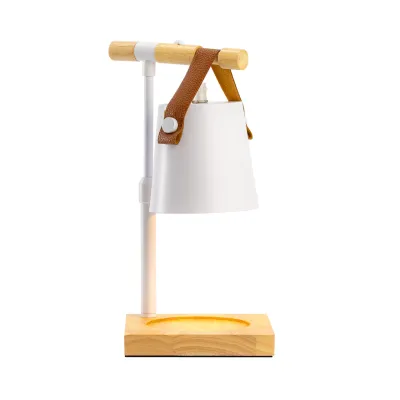
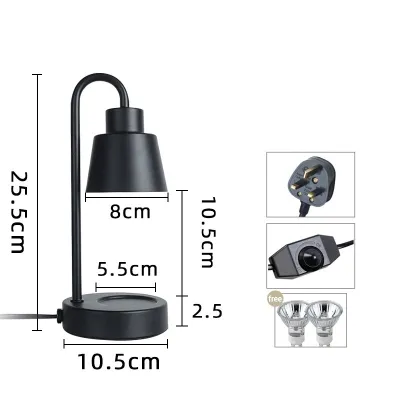
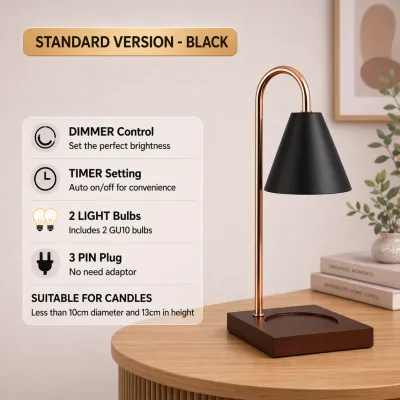
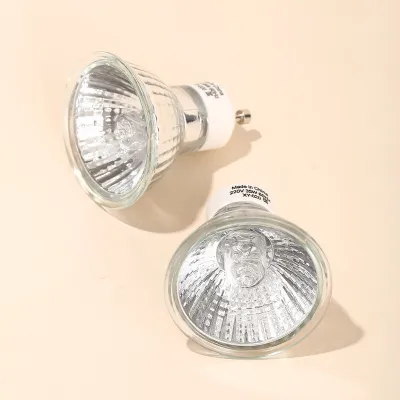
Prices are valid at publication and may change. Please refer to the product page for the latest price.
How Candle Heaters Change Scent Throw and Wax Behavior
To understand why certain candles perform better under a heater, it is essential to examine the mechanics of flameless melting. A traditional candle flame burns at temperatures exceeding 400°C at the wick, rapidly vaporizing both the wax and the fragrance oils. While this creates a fast and intense scent throw, the extreme heat also combusts a portion of the fragrance oils, altering their chemical profiles and producing soot, carbon monoxide, and microscopic particulate matter.
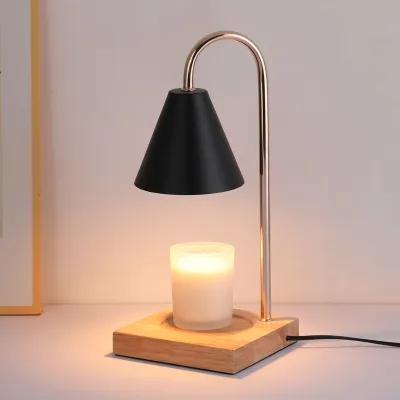
In contrast, a candle heater operates at a much lower, gentler temperature range, typically between 50°C and 80°C. Top-down heaters utilize a specialized halogen bulb—commonly a 35-watt or 50-watt GU10 bulb—to project radiant heat directly onto the surface of the wax. Bottom-up heaters use a heating element embedded in a base plate to warm the jar from the bottom up. Both methods melt the wax into a liquid pool without any combustion, allowing the fragrance oils to evaporate naturally and cleanly into the surrounding air.
This lack of combustion fundamentally alters the scent throw. Because the fragrance oils are not being burned, the aroma released is often described as cleaner, truer to the original formulation, and entirely free of the smoky undertone associated with a burning wick. However, because the temperature of the wax pool is lower than that of a flame-lit candle, the initial rate of evaporation is slightly slower. This means the scent throw may take a bit longer to fill a large, open-concept space, but it will remain highly consistent and cover a steady radius over several hours.
Furthermore, because the wax itself does not burn away, the physical volume of the candle remains virtually unchanged. Only the volatile fragrance oils suspended within the melted wax pool evaporate into the air. This means a candle used with a heater will physically last much longer than one that is burned, though you will eventually need to manage the spent wax pool once the fragrance has fully dissipated.
Key Criteria for Selecting Scented Candles for a Candle Heater
When shopping for candles to use with your heater, the wax formulation is the most critical factor to consider. Different waxes have distinct melting points and molecular structures that dictate how they respond to indirect heat. Soy wax, for instance, has a relatively low melting point of around 49°C to 54°C, making it highly responsive to lower-wattage heaters. It melts quickly and evenly, creating a deep pool that releases fragrance efficiently, though pure soy can sometimes struggle to throw lighter scents effectively.

Paraffin wax, on the other hand, has a higher melting point, typically ranging from 57°C to 65°C. While it requires a slightly stronger heat source—such as a 50-watt halogen bulb—paraffin is highly valued in the candle industry for its superior fragrance retention and release. When subjected to the steady heat of a warmer, paraffin candles often deliver an exceptionally strong and immediate scent throw. Coconut wax and apricot wax blends represent another excellent option; they have very low melting points and offer a remarkably clean, rapid melt pool, though they must be stored in cool environments to prevent sweating.
The physical dimensions of the candle jar must also align with your heater’s design. For top-down warmers, the distance between the halogen bulb and the wax surface is a critical safety and performance variable. If a jar is too tall, the wax surface sits too close to the bulb, which can overheat the wax, degrade the fragrance oils instantly, or even pose a fire hazard. Conversely, if the jar is too short, the heat may not be concentrated enough to melt the wax completely to the edges, leading to tunneling. A wide-mouth jar with a diameter of 7 to 9 centimeters is generally ideal, as it maximizes the surface area of the melted wax pool, directly increasing the volume of fragrance released.
Finally, pay close attention to the fragrance load, which refers to the percentage of fragrance oil mixed into the wax by weight. Standard mass-market candles often feature a fragrance load of 3% to 5%, which may produce a weak throw under a heater. Premium candles formulated for robust performance typically feature a fragrance load of 8% to 12%. Checking manufacturer specifications or product descriptions for high fragrance concentrations ensures that the candle has enough active oil to project effectively without the intense heat of an open flame.
Fragrance Families That Perform Well With Indirect Heat
The chemical volatility of fragrance ingredients determines how they behave when heated slowly. Fragrance profiles are composed of top, middle, and base notes, each with different molecular weights and evaporation rates. Base-heavy fragrance families—such as woody, oriental, and rich gourmand profiles—are exceptionally well-suited for candle heaters. Notes of sandalwood, cedarwood, amber, patchouli, vanilla, and heavy resins consist of larger, heavier molecules that require steady, sustained warmth to vaporize. Under a candle heater, these notes unfold gradually, providing a rich, deep, and incredibly long-lasting aroma that maintains its integrity over dozens of warming sessions.
In contrast, top-note-heavy fragrance families, such as bright citrus (lemon, lime, bergamot), fresh green herbs, and very delicate florals (jasmine, lily of the valley), consist of highly volatile, lightweight molecules. These notes evaporate rapidly even at room temperature. When placed under a candle heater, a citrus-heavy candle will often release an incredibly intense burst of fragrance during the first one or two sessions, only to fade dramatically thereafter. The continuous, gentle heat can also cause delicate floral notes to oxidize or distort, resulting in a scent that may smell slightly stale or artificial over time.
To predict how a candle will perform on your warmer, learn to read the fragrance pyramid provided by the manufacturer. Look for candles where the middle (heart) and base notes form the core of the description. A blend that combines a bright top note with a heavy base—such as bergamot paired with deep amber and patchouli—will perform beautifully, as the heavy base notes anchor the volatile top notes, slowing down their evaporation and creating a more balanced, enduring scent experience.
What to Look for in Candle Brands and Formulations
Selecting the right candle brand involves looking beyond aesthetic packaging and focusing on ingredient transparency and manufacturing quality. High-quality brands will clearly disclose their wax blends and fragrance sources on their labels or websites. Look for manufacturers that specify the use of cosmetic-grade paraffin, 100% natural soy, or premium coconut wax blends, as these materials are refined to melt cleanly and consistently under indirect heat.
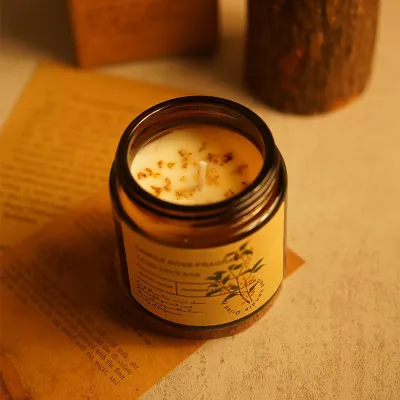
It is equally important to avoid candles that contain problematic additives or decorative elements. Many artisanal candles feature embedded dried botanicals, flower petals, crystals, or glitter on the wax surface. While these look beautiful on a shelf, they can cause significant issues under a candle heater. Halogen bulbs project intense, localized heat that can scorch dried botanicals, turning them brown and releasing a bitter, burnt odor that ruins the candle’s fragrance. Glitter and crystals can sink to the bottom of the melt pool, potentially interfering with heat distribution or scratching the glass jar.
Additionally, examine the candle’s labeling for explicit guidelines regarding flameless warming. Some forward-thinking brands now include instructions specifically for candle warmers, detailing the recommended heating intervals and safety precautions. Avoid brands that use extremely thin glass jars or plastic containers, as these are not engineered to withstand the sustained, localized thermal stress of a heater and may crack or melt, leading to dangerous wax spills.
Setup and Safety Checks for Optimal Fragrance Release
Operating a candle heater safely requires careful attention to electrical specifications and physical placement. In Singapore, where the standard residential voltage is 230V at 50Hz, you must ensure that your candle heater is rated for this voltage and carries appropriate safety certifications. Never plug a 110V heater designed for other regions directly into a local outlet without a proper voltage converter, as this can cause immediate electrical failure, short circuits, or fire hazards.
Always match the replacement bulb wattage precisely to the manufacturer’s instructions. Most top-down candle heaters are designed for a 35-watt or 50-watt GU10 halogen bulb. Installing a bulb with a higher wattage than recommended will overheat the wax pool, which can degrade the fragrance oils instantly, cause the wax to smoke, or thermal-shock the glass jar, causing it to shatter. Conversely, using a bulb with too low a wattage will fail to melt the wax completely, preventing the candle from releasing its scent.
Proper physical placement is also vital for both safety and performance. Place your candle heater on a flat, stable, and heat-resistant surface, such as ceramic, stone, or thick treated wood. Keep the heater away from active drafts, open windows, or direct air conditioning vents; moving air cools the top of the candle, preventing a full melt pool from forming and severely reducing the scent throw. Maintain a safe clearance of at least 30 centimeters from flammable materials like curtains, books, or loose paper.
Finally, understand how to manage the wax pool as the fragrance dissipates. Because a candle heater does not consume the wax, the liquid pool will remain in the jar indefinitely. Once the fragrance oils in the top layer have fully evaporated, you will notice a significant drop in scent throw. To refresh the candle, turn off the heater, let the wax cool slightly so it is warm but not scalding, and carefully pour off the top 1 to 2 centimeters of spent liquid wax into a disposable container, such as an empty milk carton or paper cup. Allow it to solidify before throwing it in the trash. Never pour liquid wax down your sink or drain, as it will cool, solidify, and cause severe plumbing blockages.
Frequently Asked Questions (FAQ)
Can I use any jar candle with a candle heater?
No, you should only use jar candles made of high-quality, heat-resistant glass, ceramic, or metal. Avoid using candles housed in thin glass, plastic, or novelty containers that are not rated for candle making, as these materials can crack, melt, or shatter under sustained heat. Additionally, ensure the jar’s height and diameter fit comfortably within the physical clearance of your specific heater model to prevent the wax surface from sitting too close to the halogen bulb.
Do I need to trim or remove the wick before using a heater?
You do not need to remove the wick entirely, but you should trim it to about 3 to 5 millimeters before placing the candle under a heater. Trimming the wick prevents the charred, soot-covered tip of a previously burned wick from curling into the melting wax and discoloring it. It also ensures that if you ever decide to light the candle with a flame in the future, the wick is already at a safe, manageable length.
How long does a scented candle last on a candle heater compared to burning?
A scented candle typically lasts two to three times longer on a candle heater than it would when burned with an open flame. Because there is no combustion, the physical wax volume decreases at an incredibly slow rate. However, the fragrance oils will eventually evaporate completely from the melted pool. Once you notice the scent throw has faded, you must pour off the top layer of spent wax to expose the fresh, highly scented wax underneath.

Community discussion
Share your experience or ask a question. Comments are reviewed before publication.