
Selecting the right Wuben emergency light for your Housing & Development Board (HDB) flat involves finding a balance between compact design, reliable illumination, and practical mounting options. Because HDB flats feature unique architectural elements—such as reinforced concrete household shelters, narrow corridors, and specific electrical layouts—a standard flashlight or bulky industrial emergency light is rarely the ideal solution. By focusing on portable, rechargeable Wuben models with versatile mounting features like magnetic bases or integrated hooks, you can ensure your household remains safe and well-lit during unexpected power outages without cluttering your living space.
Assessing Your HDB Flat's Space and Power Setup
To choose an effective emergency light, you must first evaluate the physical layout and electrical infrastructure of your HDB flat. Modern flats are designed for high-density urban living, meaning every square meter of space must be utilized efficiently. A key architectural feature in most flats built since 1996 is the household shelter, which serves as a civil defence shelter. These shelters are constructed with thick, reinforced concrete walls and heavy steel doors, which can severely block external light. Placing a dedicated, easily accessible emergency light inside or right next to the shelter door is essential for immediate access during a blackout.
Beyond the household shelter, consider the dimensions of your corridors and bedrooms. HDB corridors and entryways are often compact, meaning any emergency lighting solution must not protrude excessively or create physical hazards. If you plan to place lights along walkways, look for slim profiles that can be tucked away on console tables or mounted flush against the wall. Evaluating your available storage space ensures that portable units do not become daily clutter when not in active use.
Products mentioned in this guide
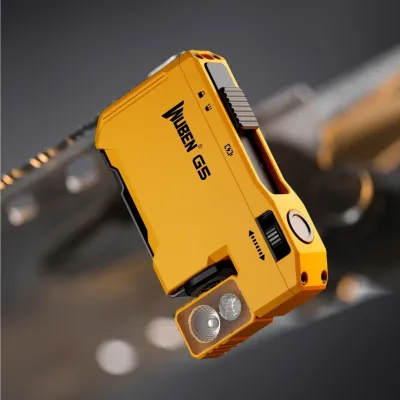
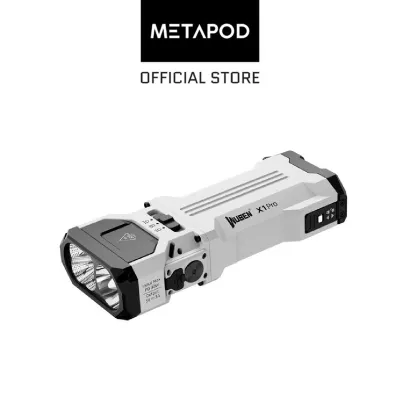
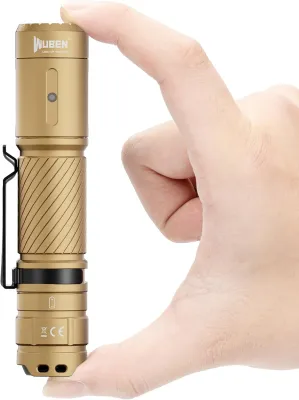
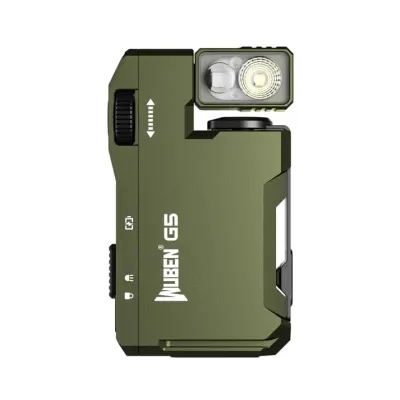
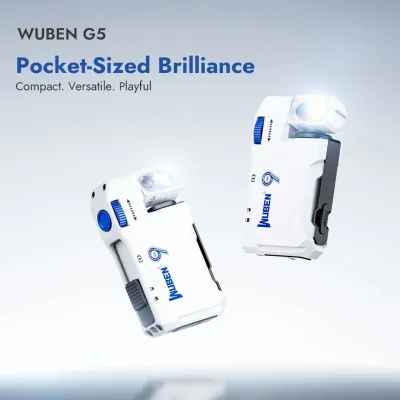
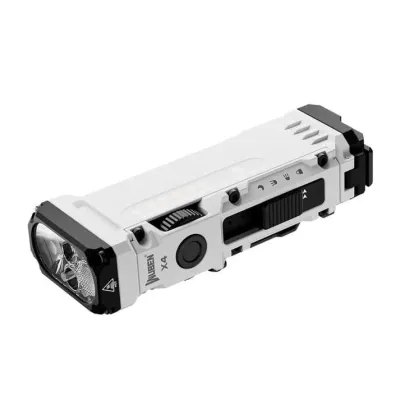
Prices are valid at publication and may change. Please refer to the product page for the latest price.
Electrical compatibility is another critical factor. Singapore operates on a standard 230V AC, 50Hz electrical system, typically utilizing Type G three-pin plug sockets. When selecting a rechargeable Wuben light, you must verify its charging interface—whether it uses a standard USB-C port, a micro-USB port, or a proprietary magnetic charging cable. Ensure you have available socket locations near your designated emergency storage areas so that the units can be kept fully charged and ready for deployment.
Matching Wuben Features to Compact Living Areas
Wuben offers a variety of portable lighting solutions, ranging from heavy-duty searchlights to ultra-compact keychain lights and multifunctional work lights. For the typical HDB flat, matching the form factor of the light to your specific room layout is key to maintaining an organized, clutter-free home.

Handheld flashlights are highly versatile and easy to store in a drawer or hang near the main entrance. However, during an extended power outage, holding a flashlight while trying to cook, tend to children, or work on a laptop quickly becomes inconvenient. For hands-free operation, look for Wuben models that feature freestanding designs or flat tail-caps, allowing the light to be stood vertically on a table or countertop to bounce light off the ceiling for soft, ambient room illumination.
Flexible placement features are incredibly valuable in compact living areas. Models equipped with strong magnetic bases can be easily attached to metal surfaces, such as the steel door of your household shelter, the side of a refrigerator, or metal shelving units. Integrated folding hooks, clips, or lanyards allow you to hang the light from door handles, curtain rods, or wall hooks, transforming a portable torch into a temporary overhead light fixture.
When evaluating battery capacity, balance the physical size of the unit against your runtime requirements. While a larger battery offers longer runtimes, it also results in a heavier, bulkier device that may be cumbersome to store or carry. For most HDB flats, a compact to mid-sized rechargeable unit utilizing a standard lithium-ion battery (such as an 18650 or 21700 cell) provides an optimal balance of several hours of usable light without taking up valuable drawer space.
Finally, pay close attention to adjustable brightness levels, dimming methods, and beam angles. In narrow corridors or small bedrooms, an excessively bright, concentrated spotlight beam can cause harsh glare and eye strain. Opt for models that offer multiple brightness modes (including a low-lumen “moonlight” or “eco” mode) or those compatible with diffusers that soften and scatter the light evenly across the room. Perceived color temperature is also a matter of conditional preference; while cool white light offers high visibility for tasks, warm white light is often preferred for a calmer, more comfortable atmosphere during a stressful power outage.
Navigating Installation and Safety Boundaries
While setting up your emergency lighting system, you must adhere to local safety standards and housing guidelines to prevent accidents and avoid regulatory issues. If you are placing lights in shared common areas outside your flat, you must comply with the Singapore Civil Defence Force (SCDF) fire safety guidelines. Shared corridors must maintain a minimum clear escape passage width, and no personal items, trailing cables, or permanent fixtures should obstruct these evacuation routes.
For indoor charging, electrical safety is paramount. Always verify that the USB wall adapters, power strips, or chargers you use to replenish your Wuben lights carry the recognized local Safety Mark. This certification ensures the adapter has been tested and approved for safe use with Singapore’s 230V electrical grid, reducing the risk of short circuits, overheating, or electrical fires.
If you decide to mount light brackets or charging docks on your walls, consider the limitations of your mounting materials. Double-sided adhesive tapes and magnetic strips are convenient, non-damaging options for renters or those who want to avoid drilling. However, these adhesives can fail on textured wallpaper, dusty surfaces, or walls painted with certain matte finishes, potentially causing your light to fall and sustain damage. For secure mounting, mechanical fasteners like screws are preferred, but you must ensure you do not drill into hidden electrical conduits or water pipes.
For any advanced setups—such as installing dedicated, hardwired emergency backup lights that automatically activate when the main power grid fails—never attempt to modify your home’s consumer unit or fixed electrical wiring yourself. Always isolate the main power supply, follow the manufacturer’s installation instructions, and consult a licensed electrical worker (LEW) certified by the Energy Market Authority (EMA) to perform the installation safely and legally.
Building Your Emergency Light Shortlist
To build a practical shortlist of Wuben models for your HDB flat, you should establish a clear decision framework based on your household’s specific needs. Start by defining the primary use case for each light. A light intended for the household shelter requires a strong magnetic base and a long shelf life, whereas a bedside backup light should be compact, easy to locate in the dark, and feature a very low minimum brightness setting to avoid waking others.
Next, match the light output to the size of the room. A small bathroom or utility closet only requires a light output of 50 to 100 lumens to provide adequate visibility. In contrast, a spacious living room may benefit from a unit capable of producing 300 to 800 lumens of diffused light to illuminate the entire family area. Ensure you verify the physical dimensions and weight of the light to confirm it fits comfortably in its designated storage or mounting location.
Verify the charging compatibility of your shortlisted models. If your household already uses USB-C cables for mobile phones and tablets, choosing Wuben models with USB-C ports simplifies your charging setup and eliminates the need for extra cables. Check the manufacturer’s specifications for estimated runtimes on medium and low settings, ensuring the light can operate continuously for at least four to six hours—the typical duration required to resolve standard localized power disruptions.
Frequently Asked Questions (FAQ)
Can I mount a Wuben emergency light permanently in my HDB corridor?
Permanent mounting of personal lighting fixtures in shared HDB corridors is generally not permitted under local town council and fire safety regulations. Common corridors are public escape routes, and any unauthorized installations can create physical obstructions or fire hazards. Instead of permanent mounting, opt for portable, hand-held Wuben lights kept inside your flat near the front door. If you require temporary illumination outside your flat during an emergency, use a portable light with a magnetic base or lanyard that can be easily removed once the situation is resolved, keeping the shared corridor completely clear of permanent obstructions.
Do Wuben emergency lights work during a total HDB power trip?
Yes, Wuben emergency lights will function during a total HDB power trip because they operate on independent, built-in rechargeable batteries rather than direct grid power. However, unlike commercial emergency lights that are permanently wired to automatically turn on when grid power fails, most portable consumer models must be switched on manually. To ensure your lights are ready when a power trip occurs, establish a regular maintenance routine. Check the battery status of your portable units every few months, keep them stored in easily accessible, designated locations, and ensure your charging cables and adapters are kept in good working order.

Community discussion
Share your experience or ask a question. Comments are reviewed before publication.