
Selecting the right Wurkkos battery for emergency lighting in a Singapore HDB flat requires a careful balance of capacity, physical compatibility, and safety features. Because power outages in modern high-density residential estates are rare but highly disruptive, having a reliable, ready-to-use power source is essential for household safety. By matching the specific power demands of your flashlights or lanterns with the correct battery form factor and chemistry, you can ensure your household remains illuminated during an unexpected blackout.
While Wurkkos is widely recognized for producing high-performance illumination tools, the performance of these devices depends entirely on the cells that power them. Understanding how to evaluate battery specifications, verify physical dimensions, and implement safe storage practices in a tropical climate will help you build a dependable emergency preparedness kit tailored to your flat’s layout.
Assessing Your Emergency Lighting Needs in HDB Flats
Preparing for a power outage in an HDB flat involves understanding the unique layout of high-density housing. Unlike landed properties, HDB apartments often feature internal rooms—such as household shelters (bomb shelters), central bathrooms, and deep hallways—that receive absolutely no ambient street light or natural light, especially during a nighttime blackout. Consequently, a sudden loss of power can plunge these areas into complete darkness, making safe navigation difficult without immediate backup lighting.
Products mentioned in this guide
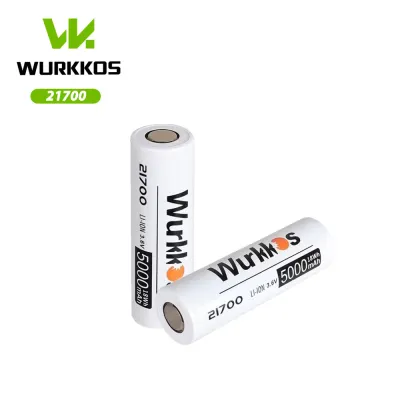
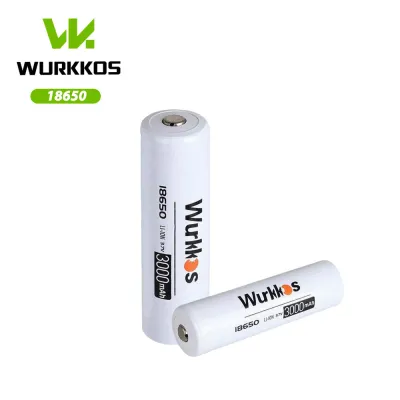
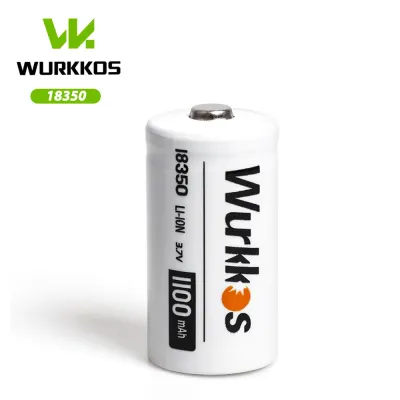
Prices are valid at publication and may change. Please refer to the product page for the latest price.
To determine your runtime requirements, consider the typical duration of localized utility disruptions. Most minor grid faults or substation maintenance issues are resolved within two to four hours. For basic navigation, task completion, and monitoring emergency updates, planning for a minimum of four hours of continuous light is a practical baseline. If your household includes elderly family members or young children, you may want to extend this target to eight hours of continuous, low-to-medium output to maintain a calm and safe environment.
Your choice of lighting hardware directly dictates your battery consumption. A high-output flashlight designed to throw light over long distances is useful for searching dark cupboards, but it will drain a battery rapidly if run on high modes. Conversely, an area lantern or a flashlight equipped with a diffuser is more efficient for general room illumination. These devices are designed to run on lower, highly efficient outputs (typically between 50 and 150 lumens), which are perfectly adequate for comfortable indoor visibility while preserving battery life.
To avoid premature battery depletion, you must balance brightness against current draw. Running a light on its maximum “turbo” mode can drain a standard battery in less than an hour, while generating significant heat. For emergency scenarios, training household members to default to low or medium modes ensures that a single battery can provide sustained illumination throughout the night. This makes the total capacity of your backup cells a critical factor in your overall emergency plan.
Key Wurkkos Battery Specifications to Verify
When browsing Wurkkos battery options, the first technical specification to verify is the form factor. The most common sizes utilized in modern emergency lighting are 18650 and 21700 cells. These numbers denote the physical dimensions of the battery: an 18650 cell measures approximately 18 mm in diameter and 65 mm in length, whereas a 21700 cell measures 21 mm in diameter and 70 mm in length. Because of their larger volume, 21700 batteries generally offer substantially higher energy capacities, often ranging from 4,000 mAh to 5,000 mAh, compared to the 2,000 mAh to 3,500 mAh typical of 18650 cells.

Safety is a paramount concern when storing lithium-ion cells in a high-density residential building. Batteries are broadly categorized into protected and unprotected cells. Protected cells feature an integrated printed circuit board (PCB) typically mounted on the negative terminal. This circuit acts as a safeguard, automatically cutting off power to prevent over-charging, over-discharging, and short circuits. For emergency standby equipment, protected cells offer an invaluable layer of safety, reducing the risk of battery damage or thermal events due to user error or device malfunctions.
Another critical physical variation is the contact design: flat-top versus button-top. Flat-top batteries have a positive terminal that sits flush with the outer wrapping, while button-top batteries feature a raised metal nodule. Many emergency flashlights and lanterns utilize physical reverse-polarity protection, which prevents the battery from making electrical contact if inserted backward. These devices often require button-top batteries to bypass the physical barrier. Conversely, some compact lights designed with dual-spring contacts can accommodate either style. Always verify which contact type your specific light requires before purchasing replacement cells.
Matching the Right Battery to Your Lighting Gear
To ensure seamless operation, always begin by consulting the manufacturer’s manual for your specific lighting gear. The manual will outline the acceptable voltage range—typically 3.2V to 4.2V for standard lithium-ion setups—and the maximum continuous discharge current required by the device’s driver. High-drain flashlights that produce thousands of lumens require cells capable of delivering high continuous current (often 10 amps or more), whereas standard emergency lanterns have much lower current demands and can be paired with high-capacity, lower-discharge cells.
For primary emergency lights intended to illuminate common areas like the living room or kitchen, prioritize high-capacity cells. A 5,000 mAh 21700 battery is highly suitable for a central lantern, as the extra capacity translates directly into longer runtimes on medium settings. For secondary, pocket-sized flashlights kept in bedside drawers, a standard 18650 cell strikes an excellent balance between physical weight and sufficient runtime for quick tasks.
Before purchasing batteries from online marketplaces or specialty retailers, double-check the physical dimensions of the battery compartment. Protected cells are physically longer and slightly wider than their unprotected counterparts due to the added PCB and outer wrapping. A protected 18650 battery can measure up to 69 mm in length, which may prevent it from fitting into tight, compact battery tubes designed strictly for 65 mm unprotected flat-top cells. Forcing an oversized battery into a tube can crush the protection circuit or strip the tail-cap threads, rendering the light useless in an emergency.
Safe Charging and Storage for HDB Apartments
Proper maintenance and storage are vital to ensuring your emergency batteries perform reliably when needed. Always charge lithium-ion batteries using a dedicated, high-quality smart charger. These chargers feature individual slot monitoring, real-time voltage displays, and automatic termination protocols that stop the flow of electricity once a cell reaches its fully charged state of 4.2V. Avoid using cheap, unbranded chargers that lack automatic shut-off, as overcharging is a primary cause of lithium-ion battery degradation and failure.
Singapore’s tropical climate presents unique challenges for battery storage. High ambient temperatures and humidity can accelerate the self-discharge rate of lithium-ion cells and degrade their internal chemistry over time. Store your backup Wurkkos batteries in dedicated, non-conductive plastic storage cases or fireproof battery bags. Keep these cases in a cool, dry, and dark location, such as a hallway closet or a low cabinet. Avoid storing batteries near windows, external laundry yards, or heat-emitting household appliances.
Establishing a routine maintenance schedule is key to long-term emergency readiness. Lithium-ion batteries naturally lose charge over time, even when not in use. Every six months, use a digital multimeter or your smart charger’s diagnostic function to check the voltage of your stored cells. For long-term storage, lithium-ion batteries are healthiest when kept at a partial charge of approximately 3.6V to 3.8V. However, if you keep these batteries inside an active emergency kit for immediate deployment, charge them fully, but check them regularly to ensure they have not suffered from parasitic drain caused by the standby electronics of your flashlights.
Frequently Asked Questions (FAQ)
Can I use a 21700 battery in a device designed for 18650?
No, you cannot use a 21700 battery in a device designed exclusively for an 18650 battery. A 21700 cell is physically larger in both diameter and length. It will not fit into the battery tube of an 18650 device. Attempting to force an incompatible battery into a flashlight can damage the internal contacts, crush the cell, or strip the threads of the tail-cap, creating a safety hazard. Always use the exact battery size specified by your device’s manufacturer.
How often should I recharge my emergency batteries?
For batteries kept in long-term standby storage, you should inspect and recharge them every six to twelve months. While quality lithium-ion cells have a low self-discharge rate, periodic maintenance prevents the voltage from dropping below the critical threshold of 2.5V, which can permanently damage the cell’s capacity. If the batteries are stored inside your emergency flashlights, check them more frequently, as some electronic switches slowly draw power even when the light is turned off.
Are protected batteries necessary for emergency flashlights?
While not strictly mandatory for all flashlights, protected batteries are highly recommended for emergency lighting used in household environments. The built-in protection circuit prevents the battery from over-discharging during prolonged use, which is especially helpful during the stress of an extended blackout. However, you must verify that your specific flashlight has enough physical clearance to accommodate the extra length and width of a protected cell before purchasing.

Community discussion
Share your experience or ask a question. Comments are reviewed before publication.