
Selecting a reliable backup lighting system for your home is a critical step in household emergency preparedness. In Singapore, where the majority of residents live in Housing & Development Board (HDB) flats, tailoring your emergency lighting to your specific floor plan is essential. Whether you live in a compact 2-room Flexi flat or a sprawling multi-story Executive Maisonette, sudden power trips caused by overloaded circuits or faulty appliances can instantly plunge windowless household shelters, deep kitchens, and long corridors into complete darkness.
Wurrkos lighting units, known for their robust build quality and versatile illumination modes, offer excellent options for emergency standby use. However, finding the right setup requires looking beyond generic recommendations. You must evaluate your flat’s spatial layout, identify potential navigation hazards, and carefully verify the technical specifications on the product label. By matching these factors, you can ensure that your household remains safe and navigable during an unexpected blackout.
Assessing Your HDB Layout and Backup Lighting Needs
To design an effective emergency lighting plan, you must first analyze the physical layout of your HDB flat. Standard HDB designs often feature specific architectural elements that influence how light travels. For instance, many 4-room and 5-room flats are designed with a central corridor that leads to the bedrooms. During a power failure at night, these corridors become immediate blind spots because they lack direct exposure to external window light.
Products mentioned in this guide
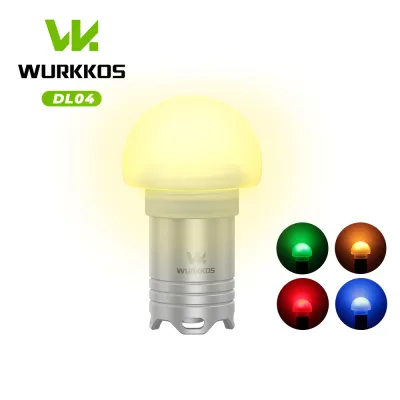
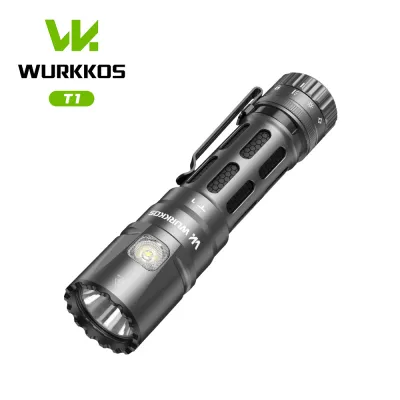
![[Automobile franchise] Wurkkos DL08 Powerful 3600lm Flashlight 21700 Rechargeable Diving Light with Rotary Magnetic Switch 6500K Underwater Torch IP68](https://img.lazcdn.com/g/p/179f9e0a38bf84e5e144e02edd3b1bf0.png_400x400q80.png_.webp)
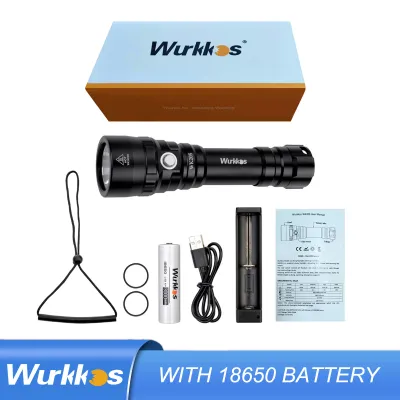
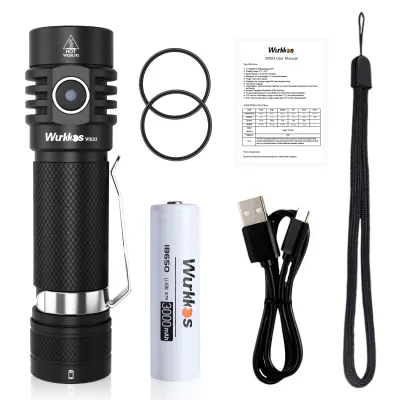
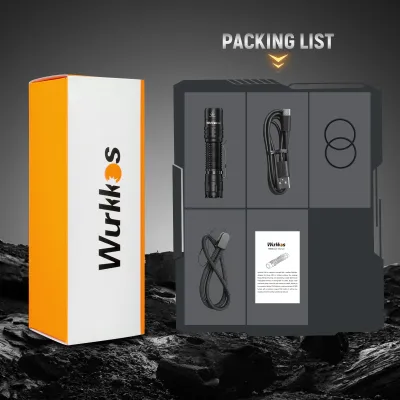
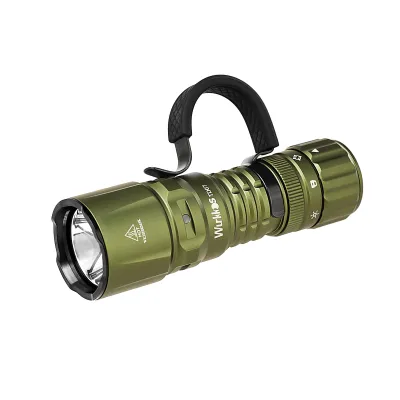
Prices are valid at publication and may change. Please refer to the product page for the latest price.
Ceiling height is another crucial factor to consider. Standard HDB flats typically have a ceiling height of approximately 2.6 to 2.8 meters. If you place an emergency light too high without a sufficiently wide beam angle, you may end up with a narrow spotlight effect that leaves the floor and corners in deep shadow. Conversely, a light placed too low might be blocked by furniture or household items, reducing its overall effectiveness.
Next, measure the physical distance from your bedrooms and living areas to your flat’s main distribution board (DB box). The DB box is typically located near the main entrance, foyer, or inside the household shelter. In the event of a power trip, your primary goal is to safely navigate from wherever you are to the DB box to reset the circuit breakers. If you are in a master bedroom toilet at the far end of a 5-room flat, you will need to traverse a significant distance in the dark.
Finally, identify high-risk zones that require immediate, hands-free illumination. The kitchen is a primary example, as it contains sharp utensils, glassware, and gas appliances that pose immediate hazards if the lights suddenly go out. Bathrooms are also high-risk areas due to wet, slippery tiles. By mapping out these critical paths and hazard zones, you can determine exactly where stationary backup lights are required and where portable units should be stored for quick access.
Key Wurrkos Specifications to Verify on the Product Label
When selecting a Wurrkos lighting unit for emergency use, you should always verify the technical specifications listed on the manufacturer’s product label or user manual. Do not rely solely on aesthetic appeal; instead, focus on performance metrics that directly impact safety.

First, examine the rated lumen output and the beam angle. Lumens measure the total amount of visible light emitted by a source. For small, enclosed spaces like an HDB household shelter or a small bathroom, a light output of 50 to 150 lumens is generally sufficient to prevent trips and falls. For larger open-concept living rooms or long hallways, look for units that can deliver 300 to 500 lumens. The beam angle determines how widely the light disperses. A wide flood beam of 100 degrees or more is ideal for general area illumination, while a narrow spot beam is better suited for directional search tasks.
Second, check the battery capacity and the rated backup duration. Emergency lights rely on rechargeable batteries, typically lithium-ion cells. Look for the battery capacity specified in milliampere-hours (mAh) on the product label. A larger capacity, such as 3000mAh or 5000mAh, typically translates to longer runtimes, though this also depends on the brightness level you select. For emergency standby purposes, ensure the unit can provide at least 3 to 4 hours of continuous light on a medium setting. Additionally, verify the charging time and the charging interface; units utilizing standard USB-C ports offer the greatest convenience, allowing you to use common household chargers.
Third, confirm the mounting options and physical dimensions of the unit. You must ensure the light fits comfortably within your designated HDB wall space or shelving. Some Wurrkos units feature magnetic tail caps, allowing them to be easily attached to metal surfaces like the side of a refrigerator or a metal storage rack. If you prefer a permanent wall-mounted solution, verify if the product includes mounting brackets or compatible adhesive pads. For plug-in models, check that the physical body of the light does not block adjacent electrical outlets on a standard double-gang wall socket.
Fourth, review the sensor types and their effective detection ranges. If you are placing a light in a dark hallway, a motion-activated sensor can be highly beneficial. Verify the sensor’s detection angle (such as 120 degrees) and its range in meters. A reliable motion sensor ensures the light activates automatically the moment you step into the corridor, conserving battery power when the area is unoccupied. For continuous standby units, a dusk-to-dawn sensor can automatically turn on a low-level nightlight when ambient light levels drop, providing constant reassurance.
Matching Light Specifications to Common HDB Flat Types
Different HDB flat sizes and layouts require distinct emergency lighting strategies. Rather than relying on a single universal model, you should adopt a conditional framework that matches specific lighting capabilities to the scale of your home.
In compact homes, such as 2-room Flexi and 3-room flats, the living, dining, and kitchen areas are often closely integrated. Because these layouts have minimal corridor space, your primary focus should be on multi-functional, plug-in, or low-lumen wide-angle units. A single, well-placed light in the living room—delivering around 100 to 150 lumens with a wide flood beam—can easily illuminate the entire main living area and the entrance to the kitchen. For these smaller spaces, highly portable units that double as daily pocket lights are excellent choices, as they remain fully charged and easily accessible on a countertop or shelf.
Standard 4-room and 5-room flats feature more complex layouts with clearly separated bedrooms and a central hallway. This requires a multi-unit placement strategy. You should place a dedicated, medium-intensity light (150 to 300 lumens) in the central corridor to illuminate the path from the bedrooms to the living area. Additionally, keep a high-capacity portable flashlight (capable of 500+ lumens on turbo mode) on your master bedroom nightstand and another near the DB box. This ensures that if a power trip occurs while you are sleeping, you can immediately secure a light source to guide your family safely through the hallway.
Executive apartments and double-story Maisonettes present the greatest spatial challenges, particularly regarding stairwells. A power failure on a staircase is exceptionally dangerous and can lead to severe fall injuries. For these larger layouts, you must implement a zoned lighting approach. Install dedicated, motion-activated or continuous backup lights at both the top and bottom of the stairwell. These units must feature extended battery life and robust lumen output to throw light across multiple levels.
To help you plan your setup, the following decision matrix outlines the recommended specifications and placement zones based on your flat type:
| HDB Flat Type | Recommended Lumen Range | Beam Type | Key Placement Zones |
|---|---|---|---|
| 2-Room Flexi / 3-Room | 50 – 150 lumens | Wide Flood | Main living area, adjacent to DB box |
| 4-Room / 5-Room | 150 – 300 lumens (hallway)<br>500+ lumens (portable) | Mixed (Flood for hallway, Spot for portable) | Central corridor, master bedroom, kitchen |
| Executive / Maisonette | 300 – 500+ lumens | Wide Flood & Directional | Stairwell landings, upper/lower corridors, DB box foyer |
By utilizing this matrix, you can select Wurrkos units that offer the precise balance of brightness, beam spread, and battery endurance required for your specific living space, avoiding the cost of over-specifying or the danger of under-illuminating critical areas.
Installation Safety and Maintenance for HDB Flats
Ensuring the safety and reliability of your emergency lighting system involves proper installation practices and consistent maintenance. Because these devices are connected to your home’s electrical supply for charging, adhering to basic electrical safety guidelines is paramount.
First, practice strict electrical safety when positioning plug-in chargers or standby units. Avoid overloading your wall sockets by plugging multiple high-draw appliances into the same outlet adapter as your emergency light charger. Always verify that the charging adapter you use matches the input voltage and current specifications printed on the Wurrkos product label. In Singapore, the standard household electrical supply is 230V at 50Hz. Using non-certified or poorly manufactured USB chargers can lead to short circuits, potentially damaging your lighting unit or causing electrical fires. Look for safety-certified adapters bearing the official Safety Mark to ensure compliance with local standards.
Second, establish a routine testing and maintenance schedule. Rechargeable lithium-ion batteries naturally degrade over time, especially when kept constantly plugged into a charger. To ensure your lights will perform when needed, conduct a basic function check once a month by turning the unit on and cycling through its brightness modes. Every six months, perform a full discharge test: unplug the charger and let the light run on battery power until it completely shuts off. This process helps maintain battery health and allows you to verify if the actual runtime still meets your safety requirements. If you notice a significant drop in runtime—such as a light that dies within 30 minutes—or if you observe any physical swelling of the battery casing, the battery has reached the end of its lifespan. Swollen batteries pose a severe fire hazard; you must stop using the unit immediately and dispose of it safely at a designated e-waste recycling point.
Third, recognize the boundaries of DIY installation. While placing portable flashlights on shelves or plugging chargers into existing wall sockets is perfectly safe for homeowners, any permanent electrical modifications require professional expertise. If you plan to install hardwired emergency lights, mount fixtures directly onto concrete ceilings, or tap into your flat’s existing lighting circuits, you must halt the installation and consult a licensed electrical worker (LEW). Attempting to perform fixed electrical wiring yourself violates local housing regulations and carries a high risk of electrocution, short circuits, and voiding your home insurance.
Fourth, ensure proper ventilation around your charging units. HDB utility rooms, household shelters, and DB box cabinets can become warm and humid due to Singapore’s tropical climate. When emergency lights are charging, they generate a small amount of heat. Placing them in tightly enclosed, unventilated spaces or near flammable materials can accelerate battery degradation and increase the risk of overheating. Always leave a few centimeters of clear space around the charging unit to allow heat to dissipate naturally.
Frequently Asked Questions (FAQ)
Do I need to inform HDB before installing emergency lights in the common corridor?
Yes, you must adhere to strict guidelines regarding common property. Generally, HDB residents are not permitted to install permanent fixtures, including hardwired emergency lights, in the common corridor without prior approval from the relevant Town Council and HDB. Portable or temporary lights must not obstruct the escape path. The common corridor must maintain a minimum clear escape passage of 1.2 meters under Singapore Civil Defence Force (SCDF) fire safety guidelines. It is always best to keep your emergency lighting installations within the boundaries of your own flat.
How often should I test the battery backup of my Wurrkos emergency light?
You should perform a basic function test once a month by turning the light on to ensure the bulb and switch operate correctly. Every three to six months, conduct a full discharge test by unplugging the charger and letting the light run on battery power until it turns off. This helps calibrate the battery and allows you to verify if the actual runtime still meets your emergency evacuation needs. If the runtime falls below 60% of its original rated duration, consider replacing the battery or the entire unit.

Community discussion
Share your experience or ask a question. Comments are reviewed before publication.