
Finding the ideal old style wall light for a Singapore corridor requires balancing nostalgic aesthetics with the practical constraints of local residential layouts. Whether you are decorating a classic HDB flat or a modern condominium, a vintage-style wall sconce can transform a sterile transition zone into a warm, welcoming passage. Because local corridors are often narrow and heavily trafficked, selecting the right fixture involves evaluating physical dimensions, light distribution, and material durability rather than relying on brand names alone. By focusing on verifiable build quality, local electrical compatibility, and spatial proportions, you can secure a lighting setup that is both safe and visually striking.
To achieve a successful installation, homeowners must navigate the unique structural realities of local housing. Many corridors suffer from a lack of natural light, making the choice of wall lighting a critical factor in how spacious and inviting the home feels. By understanding how to measure your space, evaluate materials, and verify electrical safety, you can confidently curate a shortlist of vintage fixtures that elevate your interior design while standing the test of time.
Assessing Corridor Dimensions and Lighting Goals
Before browsing showrooms or online catalogs, you must measure the physical limits of your corridor. Typical HDB corridors, especially those leading to bedrooms in BTO flats, generally feature widths ranging from 1.1 to 1.2 meters, with ceiling heights averaging around 2.6 meters. Private condominiums may offer slightly different proportions, but the spatial premium remains high. In these relatively tight confines, a wall light that protrudes too far becomes a physical hazard, easily bumped by passing family members or scraped during the delivery of bulky furniture.
Products mentioned in this guide
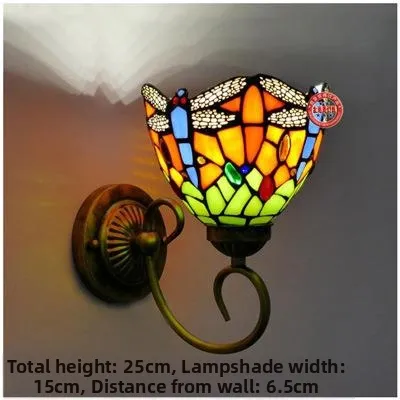
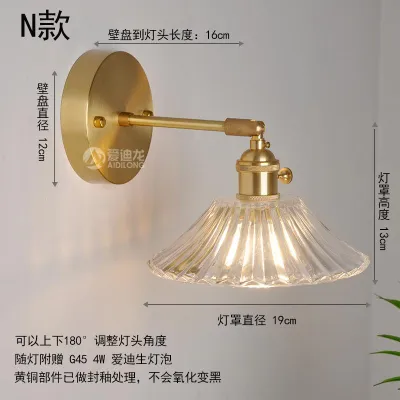
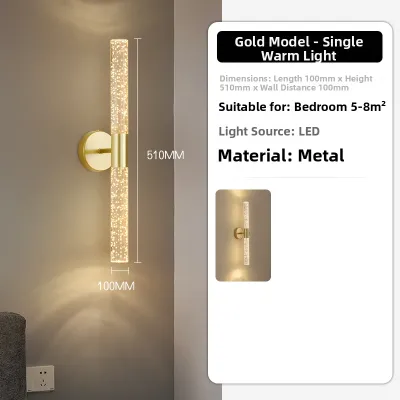
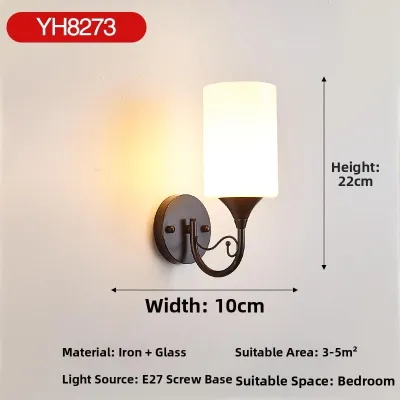
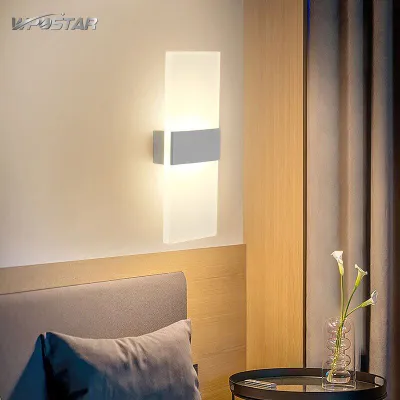
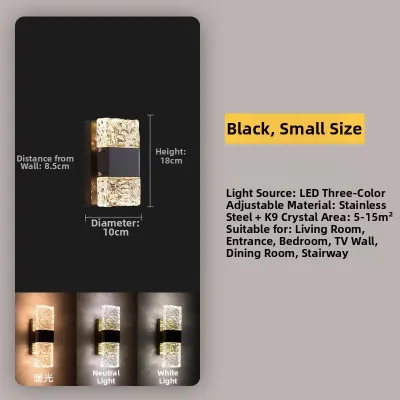
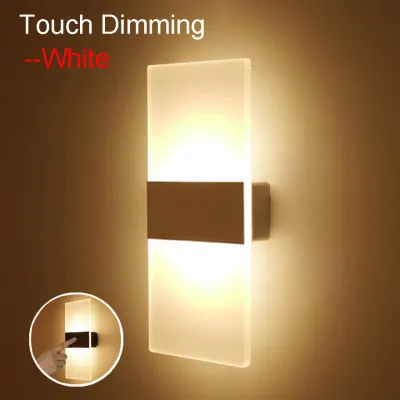
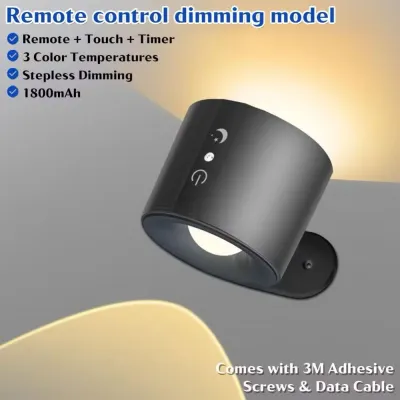
Prices are valid at publication and may change. Please refer to the product page for the latest price.
Your primary lighting goal determines the type of fixture and bulb you require. If your corridor already features recessed ceiling downlights, your vintage wall lights can serve as ambient accent pieces, casting a soft, decorative glow to highlight wall art or architectural features. However, if the wall sconces are the sole source of illumination, they must provide functional pathway lighting. This requires fixtures that project light efficiently downward or outward without creating dark, shadowy patches along the floor.
Preventing glare is a major challenge in narrow, enclosed spaces. When wall lights are mounted at standard eye level—typically between 1.5 and 1.7 meters from the finished floor—an exposed, high-wattage bulb can cause immediate visual discomfort. To mitigate this, look for vintage designs that incorporate frosted, ribbed, or heavily seeded glass shades. These materials diffuse the light source, spreading the illumination more evenly and reducing the harshness of direct filament glare.
Integrating wall sconces with existing lighting layers creates a more balanced environment. If your home features modern cove lighting, pairing it with warm, low-intensity vintage wall lights adds depth and texture to the space. This layered approach allows you to turn off the bright overhead lights in the evening, relying solely on the gentle, nostalgic glow of the wall sconces to guide your way through the home without disrupting a relaxed, nighttime atmosphere.
Identifying Vintage Design Elements and Materials
Vintage lighting encompasses several distinct design movements, each bringing a unique character to your corridor. Industrial style fixtures often feature raw iron, protective wire cages, and pipe-like brackets, making them ideal for loft-inspired or minimalist interiors. Mid-century modern designs lean toward clean lines, geometric shapes, and iconic globe shades, often utilizing brushed brass or matte black finishes. Classic brass fixtures offer a more traditional, antique look with elegant gooseneck arms, while rustic styles incorporate weathered wood textures and lantern-like frames.

Singapore’s tropical climate, characterized by high relative humidity, demands careful attention to material durability. Cheap, low-grade ferrous metals with thin electroplated finishes are highly susceptible to rusting, pitting, and discoloration over time, especially in corridors near open windows or service yards. Investing in fixtures made from solid brass, copper, or high-quality powder-coated aluminum ensures the housing remains structurally sound and visually appealing for years. Solid metals develop a natural, graceful patina over time rather than unsightly rust.
Pairing the fixture’s finish with your corridor’s color palette and flooring is essential for a cohesive look. Dark bronze or matte black fixtures create a striking contrast against light-colored Scandinavian or minimalist walls, drawing attention to the light’s silhouette. Conversely, antique brass or polished copper finishes complement warm wood vinyl, parquet flooring, or traditional tile patterns, enhancing the cozy, heritage feel of the space. Always consider how the metal finish looks under both daytime natural light and nighttime artificial illumination.
The shape and opacity of the glass shade play a pivotal role in light diffusion. Clear glass shades showcase the intricate filaments of vintage-style bulbs but offer no protection against glare, making them suitable only for very low-wattage applications. Seeded glass features tiny air bubbles trapped within the material, adding a rustic texture that gently scatters the light. Frosted or opal glass shades completely obscure the bulb, providing a soft, uniform glow that is highly recommended for narrow corridors where eye-level comfort is the priority.
Evaluating Brand Reliability and Local Support
When sourcing vintage-style wall lights, prioritizing brands and retailers that offer robust local support is a safeguard against future headaches. While direct-import platforms may present lower upfront costs, they often leave buyers stranded if a fragile glass shade arrives shattered or if a socket fails after a few weeks. A local warranty ensures you can easily obtain replacement parts, exchange defective units, or seek technical assistance without navigating complex international shipping procedures.
Visiting physical lighting showrooms in established districts like Balestier or Jalan Besar is highly beneficial. Seeing a fixture in person allows you to assess its true scale, weight, and build quality. Online photos can easily mask flimsy construction, plastic components disguised as metal, or uneven finishes. In a showroom, you can physically handle the fixture, check the sturdiness of the mounting bracket, and observe how the metal finish responds to different angles of light.
Consistency across batches is another critical factor, particularly if you plan to install multiple matching sconces along a single corridor. Reputable brands maintain strict quality control, ensuring that the brass patina, paint texture, and glass thickness are identical across all units. Unbranded or low-cost imports often suffer from significant batch variation, resulting in noticeable differences in color or shape when mounted side-by-side along a wall.
Before finalizing any purchase, inquire about the retailer’s customer service policies and the availability of spare parts. Ask if they stock replacement glass shades specifically designed for your chosen model, as glass is the component most vulnerable to accidental damage during cleaning or home maintenance. A retailer that keeps a steady inventory of spare parts and offers clear warranty terms provides long-term peace of mind that far outweighs a minor initial saving.
Verifying Electrical Compatibility and Safety Clearances
Ensuring your chosen wall light is electrically compatible with Singapore’s domestic power supply is paramount. The standard residential voltage is 230V at a frequency of 50Hz. Always verify that the fixture is rated for this voltage range. Additionally, look for standard lamp holder types, such as E27 (medium Edison screw) or E14 (small Edison screw). These bases are widely supported locally, making it simple to find replacement bulbs in various shapes, wattages, and color temperatures at any neighborhood hardware store.
Physical clearance must be calculated precisely to maintain a safe and comfortable walkway. In a standard 1.2-meter-wide corridor, a wall light should ideally protrude no more than 10 to 15 centimeters from the wall surface. Anything deeper risks narrowing the passage excessively, making it difficult for two people to pass each other comfortably. If your corridor is particularly tight, prioritize flush-mount or low-profile vintage designs that hug the wall closely while still delivering the desired aesthetic.
Heat dissipation is a critical safety consideration, especially if you plan to use traditional incandescent vintage bulbs. These bulbs generate substantial heat, which can transfer to the fixture housing and the surrounding wall. Ensure the fixture’s materials are rated to handle the wattage of your chosen bulb, and maintain adequate clearance from flammable wall coverings, wallpaper, or wooden paneling. Transitioning to modern LED filament bulbs is a highly effective way to eliminate heat risks while retaining the classic look.
While some homeowners may feel comfortable performing basic, like-for-like fixture replacements, complex installations require professional expertise. If your corridor does not have existing wall light points, creating them involves chasing concrete walls to lay conduit, patching plaster, and running new wiring from the distribution board. For any structural mounting, new wiring, or modifications to your home’s electrical system, always engage an Energy Market Authority (EMA) licensed electrician to ensure the work complies with local safety regulations.
Building and Comparing Your Final Shortlist
To make an informed decision, compile your top vintage wall light options into a structured comparison matrix. This systematic approach helps you look past initial visual appeal and evaluate the practical value of each option. Your matrix should track key specifications, including the exact protrusion depth, base type, material composition, warranty duration, and price in S$. By comparing these metrics side-by-side, you can easily identify which fixtures offer the best balance of safety, durability, and style.
| Selection Criteria | Ideal Specification | Why It Matters |
|---|---|---|
| Protrusion Depth | 10 cm to 15 cm | Prevents obstruction in narrow corridors |
| Material | Solid brass, copper, or powder-coated aluminum | Resists humidity and prevents rust |
| Lamp Holder | E27 or E14 | Ensures easy local bulb replacement |
| Glass Type | Frosted, ribbed, or seeded | Diffuses light to eliminate eye-level glare |
| Warranty | Local distributor warranty | Guarantees support and replacement parts |
When browsing online retailers, pay close attention to user reviews that include real-life photos. These images often provide a more accurate representation of the fixture’s scale and finish than polished promotional graphics. Look for feedback regarding the packaging quality, as fragile glass components require substantial cushioning to survive transit. If a seller has a history of delivering damaged glass or incomplete mounting hardware, it is best to look elsewhere.
Finally, clarify the terms of delivery and installation before checking out. Some local retailers offer bundled packages that include professional installation by a qualified electrician for a flat fee, which can be highly cost-effective. Ensure you understand the return policy, specifically who covers the shipping costs if a fixture must be returned due to a manufacturing defect or a mismatch in dimensions. Securing these details upfront ensures a smooth, stress-free transformation of your home’s corridor.
Frequently Asked Questions (FAQ)
Can I install a vintage wall light in a narrow HDB corridor?
Yes, you can install a vintage wall light in a narrow HDB corridor, provided you select a low-profile or flush-mount design. Look for fixtures with a maximum protrusion of 10 to 15 centimeters to ensure the walkway remains clear and safe. Upward or downward-facing sconces are excellent choices, as they direct light along the wall surface rather than projecting it directly outward into your line of sight. Additionally, always measure the swing clearance of nearby room or closet doors to prevent them from striking the fixture when opened.
Are LED bulbs suitable for vintage-style wall lights?
LED bulbs are highly suitable and recommended for vintage-style wall lights. Modern LED filament bulbs perfectly replicate the warm, glowing look of traditional carbon-filament Edison bulbs while consuming a fraction of the energy and generating virtually no heat. To maintain the authentic vintage ambiance, select bulbs with a warm color temperature between 2200K and 2700K. If your wall light is connected to a dimmer switch, ensure you purchase bulbs explicitly labeled as dimmable, and verify that your dimmer switch is compatible with LED technology.
Do I need a licensed electrician to replace an existing corridor wall light?
If you are performing a simple, like-for-like replacement of an existing wall light where the wiring and mounting bracket are already in place, a competent homeowner can technically perform the swap after isolating the power at the main distribution board. However, if the installation requires running new electrical wires, drilling into concrete walls to create new light points, or modifying the home’s circuit breaker, you must engage an EMA licensed electrician. Working with a professional ensures compliance with local safety codes and prevents electrical hazards.

Community discussion
Share your experience or ask a question. Comments are reviewed before publication.