
Finding the right wall lamp brand for a living room in Singapore requires balancing aesthetic appeal with strict technical compatibility and safety standards. Because wall lights serve as both functional task lighting and decorative accents, the brand you choose must offer reliable driver technology, durable materials that withstand tropical humidity, and compliance with local electrical regulations. Rather than focusing solely on visual design, smart homeowners evaluate a brand’s engineering standards, warranty support, and installation requirements to ensure their investment remains safe and beautiful for years to come. By understanding what distinguishes a high-quality lighting manufacturer from a low-cost alternative, you can confidently select fixtures that enhance your living room’s ambiance while ensuring trouble-free operation.
How to Evaluate Wall Lamp Brands for Quality and Safety
When shortlisting lighting brands, safety compliance should always be your primary filter. In Singapore, electrical accessories and components such as external LED drivers, power adapters, and plugs are classified as controlled goods. These components must be registered with the local safety authority and carry a valid Safety Mark. While the decorative housing of a wall lamp itself may not require a Safety Mark, any integrated power supply or driver that connects directly to your home’s mains electricity must meet these stringent safety standards. Reputable brands will readily provide certification documents or display the safety registration details on their components, giving you peace of mind against electrical short circuits or fire hazards.
Build quality is another critical differentiator among lighting manufacturers, particularly given Singapore’s warm, humid climate. High relative humidity can quickly degrade low-quality metals, leading to unsightly pitting, rust, and peeling finishes. Premium brands invest in superior materials such as anodized aluminum, solid brass, copper, or marine-grade stainless steel. They also apply advanced surface treatments, such as multi-layer powder coating or electroplating with protective clear coats, to seal the metal against moisture. When evaluating a brand, examine the weight of the fixture, the precision of the joints, and the uniformity of the finish, as these are reliable indicators of long-term durability.
Products mentioned in this guide
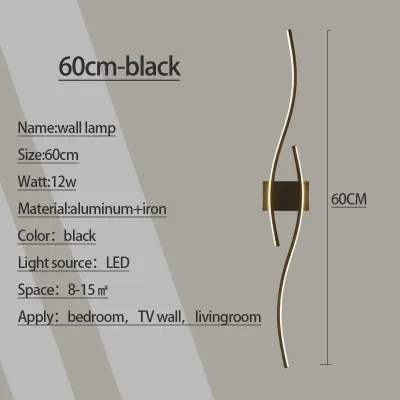
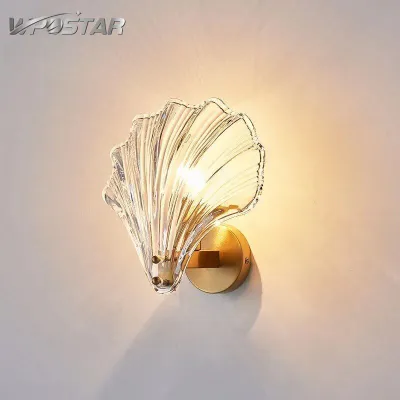
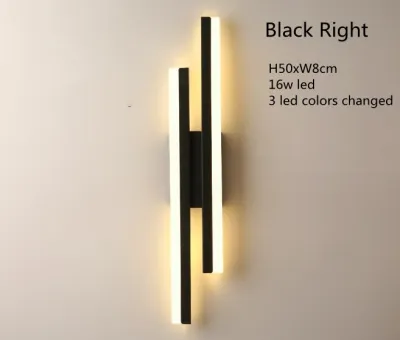
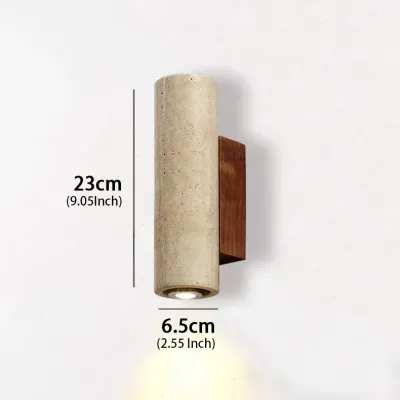
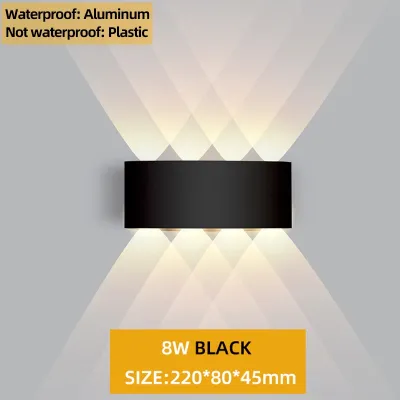
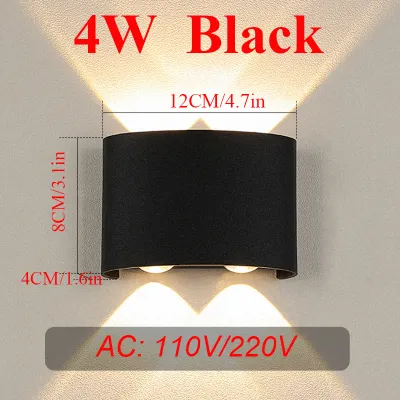
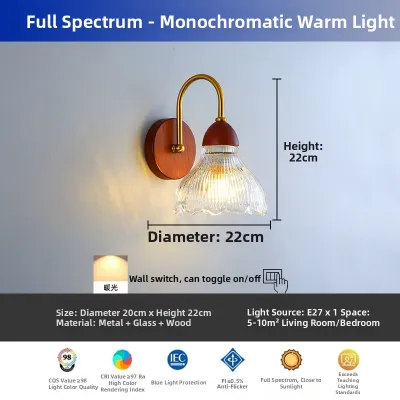
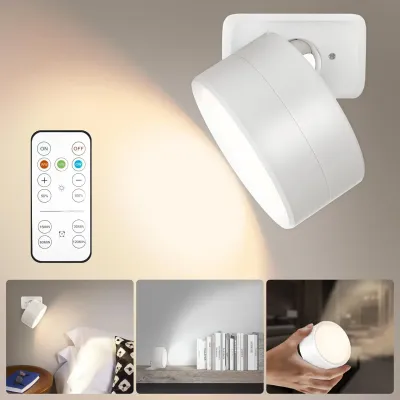
Prices are valid at publication and may change. Please refer to the product page for the latest price.
Lighting performance and optical engineering are what truly separate premium brands from budget options. High-quality manufacturers prioritize color rendering accuracy, typically offering fixtures with a Color Rendering Index (CRI) of 90 or higher. A high CRI ensures that the colors of your living room furniture, paint, and decor appear vibrant and true to life. Furthermore, look for brands that design fixtures with excellent thermal management. LEDs generate heat, and if this heat is not dissipated efficiently, the light output will dim prematurely, and the color temperature may shift. Reputable brands use robust aluminum heat sinks and high-quality LED chips designed to run cool. They also incorporate glare-control features, such as recessed light sources, baffled trims, or high-quality frosted glass diffusers, ensuring the light is comfortable to look at from any seating position in your living room.
Matching Brand Specialties to Your Living Room Aesthetic
Different lighting brands specialize in distinct design philosophies, and identifying these specialties can help you narrow down your search. Contemporary and minimalist brands focus on architectural integration and clean, understated lines. These manufacturers often design fixtures that blend seamlessly into the wall, utilizing indirect lighting techniques where the light source is hidden from direct view. Up-and-down wall sconces, slim linear bars, and plaster-in fixtures that can be painted to match your wall color are hallmarks of these brands. They typically use matte finishes, such as textured black, white, or brushed nickel, making them ideal for modern Singapore apartments where the goal is to create a spacious, uncluttered atmosphere.

If your living room leans toward a classic, transitional, or eclectic style, you may want to focus on traditional and artisan-focused brands. These manufacturers emphasize classic proportions, decorative details, and premium materials. You will find fixtures featuring mouth-blown glass globes, delicate crystal accents, and hand-rubbed brass finishes. Traditional brands often draw inspiration from historical designs, offering elegant candle-style sconces or fabric-shaded wall lamps that cast a soft, diffused glow. These fixtures act as statement pieces, adding a sense of luxury, texture, and warmth to your living room walls even when the lights are turned off.
For industrial, rustic, or loft-style interiors, look for brands that specialize in vintage and utilitarian aesthetics. These manufacturers celebrate raw materials and visible mechanical elements, such as exposed hardware, heavy-duty swivels, and knurled metal details. Their product lines often include adjustable accordion-arm lamps, pipe-style fixtures, and spotlight-style sconces that allow you to direct the light precisely where it is needed. These brands frequently use finishes like antique brass, weathered copper, or matte black iron, which pair exceptionally well with exposed brick walls, concrete screed finishes, or warm timber elements in your living room.
Essential Technical Checks Before You Buy
Before finalizing your purchase from any brand, you must perform several technical checks to ensure the fixtures are compatible with your living room’s infrastructure. First, verify the voltage requirements. Singapore’s standard domestic supply is 230V at 50Hz. If you are purchasing fixtures from international brands, especially those based in North America, ensure they are rated for this voltage or come with a compatible multi-voltage driver. Additionally, decide between hardwired and plug-in configurations. Hardwired wall lamps offer a clean, seamless look with no visible wires, but they require a pre-existing electrical point behind the mounting bracket. Plug-in wall lamps are easier to install as they simply mount to the wall and plug into a nearby wall outlet, but you must be comfortable with the aesthetic of a visible cord running down your wall.
Dimming compatibility is another crucial factor that is often overlooked. If you want to adjust the brightness of your living room wall lamps to create different moods, you must ensure that both the light source (whether an integrated LED or a replaceable bulb) and the driver are dimmable. Different dimming technologies exist, including leading-edge, trailing-edge, and smart dimming protocols. Using an incompatible dimmer switch with an LED driver can result in annoying flickering, buzzing noises, or even permanent damage to the fixture. If you plan to integrate your wall lamps into a smart home system, check if the brand offers smart-compatible drivers or if the fixture can accommodate standard smart bulbs.
Physical dimensions and spatial clearance must also be carefully measured. Wall lamps protrude from the wall, and a fixture that is too deep can become a physical hazard, especially in narrow walkways or near high-traffic areas in your living room. Measure the projection distance of the lamp and compare it to your furniture layout to ensure people will not accidentally bump into it when standing up or walking past. Furthermore, check the mounting plate dimensions of the fixture against the size of your wall’s junction box. Some international brands design mounting plates that do not fully cover standard local junction boxes, which may require additional trim plates or plastering work to achieve a clean finish.
Where to Source Authentic Lighting in Singapore
Sourcing your wall lamps from reputable channels is essential to ensure you receive authentic products, valid warranties, and reliable customer support. Visiting physical brand showrooms and authorized lighting specialists in Singapore is highly recommended. This hands-on experience allows you to assess the actual build quality, feel the weight of the materials, and observe the true color temperature and light distribution of the fixtures. Showroom consultants can also provide professional advice on layout planning, driver compatibility, and installation requirements specific to your home’s layout.
For those seeking accessible, mid-range options with immediate availability, local home improvement stores and established furniture retailers are excellent options. These retailers typically stock a curated selection of wall lamps that are pre-certified for the Singapore market, ensuring immediate compliance with local electrical standards. While the design options may be more standardized compared to boutique showrooms, buying from these physical stores offers the convenience of immediate pickup and straightforward return policies if you discover any defects or compatibility issues.
If you choose to shop on general e-commerce platforms or online marketplaces, extra diligence is required. Many online listings feature unbranded or parallel-imported fixtures that may not meet local safety standards or voltage requirements. To protect your investment, always verify that the online seller is an authorized distributor of the brand. Check the product specifications carefully to confirm 230V compatibility and ask the seller about the warranty terms. Keep in mind that warranties for products purchased from overseas online sellers are often invalid in Singapore, meaning you would have to bear the cost of replacement parts or repairs if the fixture fails.
Installation Safety and When to Call a Professional
Installing wall lamps involves working with electrical wiring, which carries inherent risks of electrical shock, short circuits, and fire hazards if handled incorrectly. Before beginning any installation or maintenance work, the most critical step is to isolate the power. Locate your home’s main distribution board (DB box) and switch off the circuit breaker dedicated to the living room lighting circuit. Do not rely solely on the wall switch to cut the power. Use a reliable, non-contact voltage tester on the wires at the installation site to confirm that the circuit is completely dead before proceeding with any physical contact.
The structural integrity of your wall must also be assessed to ensure it can safely support the weight of the fixture. Singapore homes typically feature concrete or brick structural walls, or drywall partition walls. Concrete walls require a rotary hammer drill and masonry wall plugs to secure the mounting bracket firmly. Drywall partitions, on the other hand, require you to locate the wooden or metal studs behind the plasterboard using a stud finder. If you must mount a fixture between studs, you must use specialized hollow-wall anchors or toggle bolts. Attempting to mount a heavy metal or glass wall lamp directly into drywall using standard screws will inevitably lead to the fixture pulling loose, damaging your wall and creating a safety hazard.
While basic DIY mounting of a plug-in wall lamp is straightforward, certain conditions strictly require the services of a licensed electrical worker (LEW). In Singapore, any work involving modifications to fixed electrical wiring, installing new electrical outlets, running concealed cables through walls, or adding new junction boxes must, by law, be performed by a licensed professional. Attempting to perform unauthorized electrical work not only poses severe safety risks but can also void your home insurance policy and violate local building regulations. If your living room does not have pre-existing wall wiring where you want to install your new lamps, always hire a licensed electrician to safely extend the circuit and install the necessary junction boxes.
Frequently Asked Questions (FAQ)
Do all wall lamps sold in Singapore require the Safety Mark?
In Singapore, decorative lighting fixtures themselves are generally not classified as controlled goods and therefore do not require a Safety Mark on the entire assembly. However, any electrical components packaged with or integrated into the wall lamp—such as external LED drivers, power adapters, three-pin plugs, or smart controllers—are controlled goods. These specific components must be registered with Enterprise Singapore and must carry a valid Safety Mark. When purchasing a wall lamp, especially one with an integrated LED system, always verify that the driver or power supply unit features the Safety Mark to ensure it has been tested and certified for safe use in local households.
Can I install a hardwired wall lamp myself?
If your living room already has an existing, active electrical point with a junction box and you are simply replacing an old fixture with a new one of similar wattage, a competent homeowner can technically perform the physical mounting and wire connections, provided the main power is fully isolated. However, if the installation requires running new wires, extending an existing circuit, cutting into walls to conceal cables, or installing a new junction box, you must hire a licensed electrical worker (LEW). Improperly installed fixed wiring can lead to loose connections, electrical fires, or short circuits, and can void both your product warranty and your home insurance.
How do I choose the right color temperature for living room wall lights?
The ideal color temperature depends on how you use your living room and your personal design preferences. For a cozy, relaxing, and inviting atmosphere, warm white light (typically between 2700K and 3000K) is highly recommended. This range mimics the soft glow of traditional incandescent bulbs and is perfect for evening relaxation or accent lighting. If you have a dedicated reading nook or require task lighting in a specific area of the living room, a neutral white light (around 4000K) provides better contrast and reduces eye strain. If your chosen wall lamp uses replaceable bulbs, you can easily experiment with different color temperatures; however, if the fixture features an integrated LED, you must select the desired color temperature at the time of purchase.

Community discussion
Share your experience or ask a question. Comments are reviewed before publication.