
Finding the most reliable solar lamp outdoor fixtures for Singapore’s intense tropical downpours and high humidity requires looking beyond marketing buzzwords like “waterproof” or “weather-resistant.” Because local weather conditions involve sudden, heavy cloudbursts and sustained high humidity, the best-performing brands are those that back their claims with verifiable Ingress Protection (IP) ratings and robust material specifications. Instead of relying on brand names alone, smart buyers evaluate fixtures based on independent laboratory certifications, housing materials, and seal designs that can withstand both intense UV exposure and torrential rain.
To secure long-lasting outdoor lighting, you must understand how to decode these technical specifications and verify them against the actual environmental demands of your garden, balcony, or pathway. By focusing on certified IP ratings, UV-stabilized materials, and proper installation techniques, you can build a shortlist of durable solar lamps that will remain bright and functional season after season.
Decoding Waterproof Ratings for Heavy Rainfall
When shopping for a solar lamp outdoor fixture, the most critical technical specification to check is the Ingress Protection (IP) rating. This standard, defined by the International Electrotechnical Commission (IEC), consists of two digits that indicate exactly how well the fixture’s enclosure protects its internal electrical components from solids and liquids. Understanding this rating system allows you to bypass vague marketing claims and make an objective assessment of a lamp’s durability.
Products mentioned in this guide
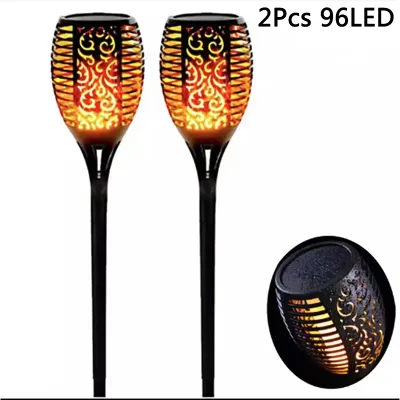
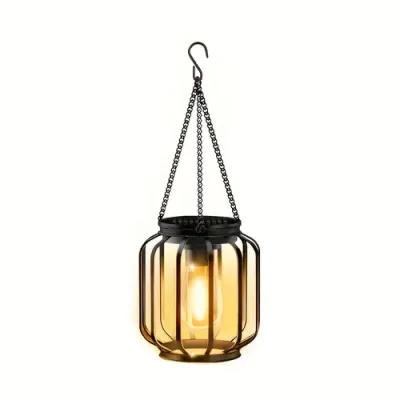
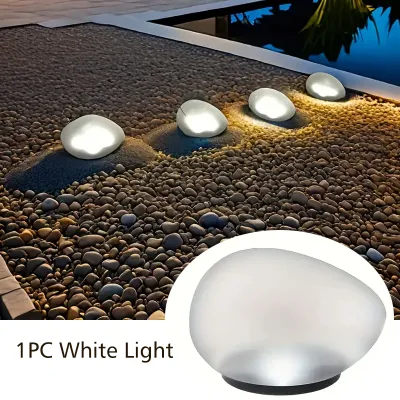
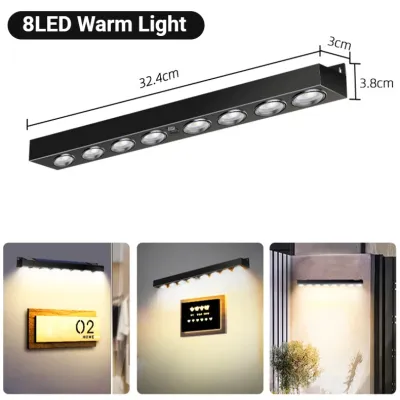
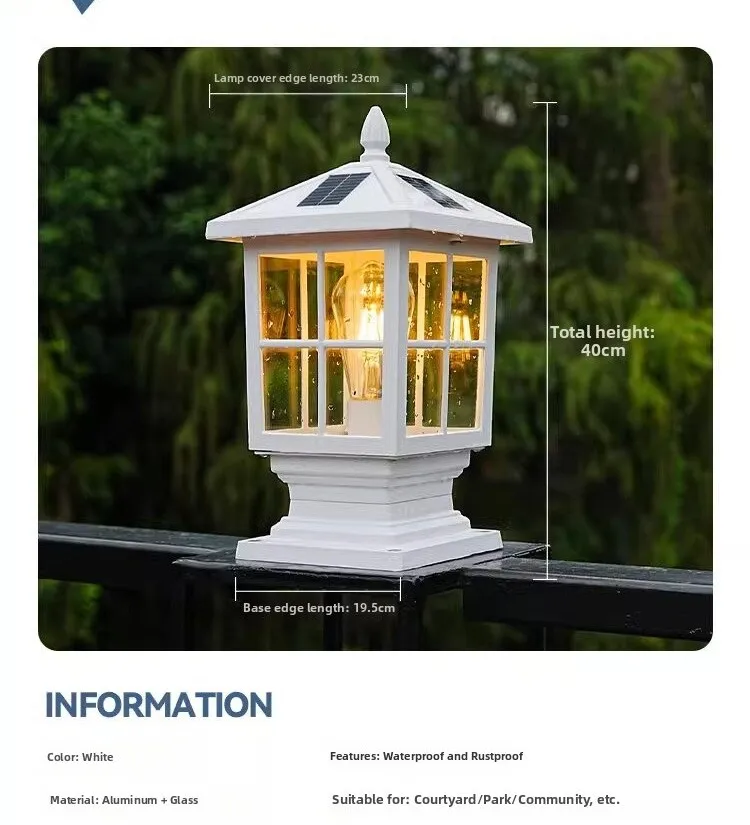
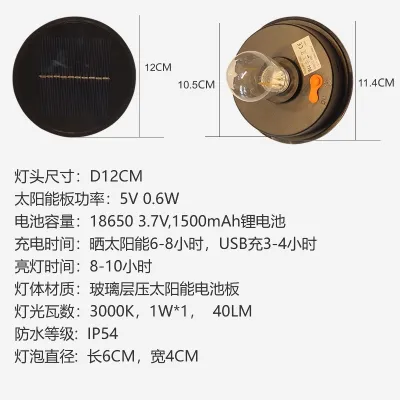
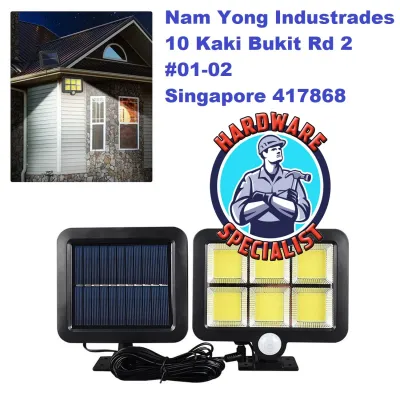
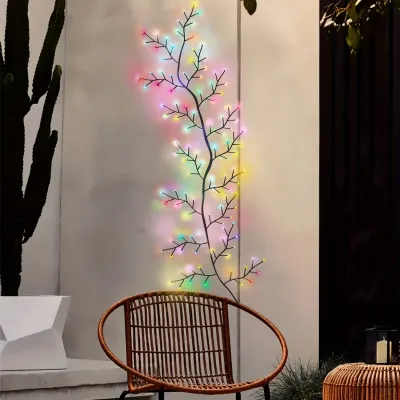
Prices are valid at publication and may change. Please refer to the product page for the latest price.
The first digit in an IP rating ranges from 0 to 6 and measures protection against solid particles, such as dust, dirt, and insects. For outdoor garden lights, a rating of 5 or 6 is highly desirable. A solid protection rating of 5 means the fixture is dust-protected, allowing only minimal, non-harmful dust ingress, while a rating of 6 indicates the unit is completely dust-tight. This protection is vital because fine dust and small insects can clog drainage paths or interfere with electrical contacts over time.
The second digit, ranging from 0 to 9, measures protection against liquid ingress, which is the primary concern during Singapore’s intense monsoon seasons. For outdoor fixtures fully exposed to the elements, a liquid protection rating of at least 5 is the absolute minimum threshold. An IPX5 rating indicates that the fixture can withstand water jets projected by a nozzle from any direction, which closely simulates the impact of wind-driven tropical rain.
For superior peace of mind in completely unsheltered areas, look for fixtures rated IPX6 or higher. An IPX6 rating certifies that the enclosure can protect against powerful water jets, ensuring that even the heaviest downpours will not force water past the seals. If you are installing lights near ground level where temporary pooling might occur, or in low-lying garden beds, an IPX7 rating is even better, as it certifies protection against temporary immersion in water up to one meter deep for 30 minutes.
It is important to distinguish between water-resistant and fully waterproof classifications when planning your outdoor lighting layout. Water-resistant fixtures, often rated IPX4, are merely splash-proof and are only suitable for semi-sheltered areas like covered patios or deep balconies. Installing an IPX4 lamp in an open garden bed exposes it to water volume and pressure far exceeding its design limits, inevitably leading to premature electrical failure.
By matching the IP rating of your chosen solar lamp outdoor models to their specific installation environments, you can prevent water-related failures before they start. Always verify that the manufacturer explicitly states the full IP rating (such as IP65 or IP66) rather than just labeling the product as “waterproof.” This simple check ensures the fixture has been designed and tested to survive the demanding local climate.
Evaluating Material Durability Against Heat and Humidity
While a high IP rating ensures immediate protection against water ingress, the long-term survival of a solar lamp outdoor fixture depends heavily on the materials used in its construction. Singapore’s climate combines intense solar radiation with persistent high humidity, a combination that rapidly degrades low-quality materials. To ensure your investment lasts, you must evaluate the durability of the housing, the solar panel cover, and the battery compartment.

The choice of housing material directly affects how well the lamp resists corrosion and structural degradation over time. Standard plastics quickly become brittle, crack, and fade when exposed to constant ultraviolet (UV) radiation. If you select plastic fixtures, ensure they are made from UV-stabilized polymers, such as high-grade acrylonitrile butadiene styrene (ABS) or polycarbonate, which are specifically formulated to resist UV degradation.
For metal fixtures, powder-coated aluminum and marine-grade stainless steel (such as 316 stainless steel) are the preferred choices for humid environments. Untreated or poorly plated metals will oxidize rapidly when exposed to constant moisture, leading to rust that can compromise the structural integrity of the lamp and ruin its aesthetic appeal. Powder coating provides an extra barrier of protection, preventing moisture and oxygen from reaching the underlying metal.
The integrity of the solar panel and battery compartment seals is another critical factor in preventing moisture-related failures. High ambient temperatures can cause materials to expand, while cooler night temperatures or sudden rainstorms cause them to contract. This thermal cycling puts immense stress on adhesive seals and rubber gaskets, which can crack or lose their elasticity over time, allowing humid air to seep inside.
To combat thermal stress, high-quality solar lamps utilize durable silicone gaskets rather than cheap rubber seals. Silicone retains its flexibility and sealing properties across a wide temperature range and does not degrade as quickly under UV exposure. Additionally, look for designs that incorporate physical drainage channels or small, one-way pressure relief valves that allow moisture to escape without letting liquid water enter.
The lens or diffuser material that covers the light-emitting diodes (LEDs) also requires careful consideration. Cheap acrylic or low-grade plastics will yellow and cloud over time when exposed to intense sunlight, significantly reducing the light output of the lamp. Tempered glass or UV-resistant polycarbonate lenses are highly recommended, as they maintain their clarity and structural strength even after years of exposure to harsh sunlight and heavy rain.
Finally, pay close attention to the solar panel’s protective top layer. Monocrystalline solar panels laminated with ethylene vinyl acetate (EVA) or tempered glass offer much better durability and efficiency retention than cheap PET-laminated panels. PET panels tend to delaminate and turn cloudy within a year in tropical climates, rendering the solar cell incapable of charging the internal battery effectively.
Building a Reliable Brand Shortlist Using Verified Specs
With countless outdoor solar lamps available on various ecommerce platforms and online marketplaces, building a reliable shortlist requires a systematic approach to vetting manufacturers. Instead of relying on flashy marketing graphics or unverified claims of “extreme durability,” you should focus on finding verifiable technical data. This disciplined evaluation process helps you separate high-quality engineering from cheap, short-lived products.
The first step in verifying a manufacturer’s claims is to look for official certification documents or detailed material data sheets. Reputable brands often make these documents available on their official websites or provide them upon request. Look for test reports from recognized independent testing laboratories, such as TÜV SÜD, Intertek, or SGS, which confirm that the fixtures have successfully passed IP65, IP66, or IP67 testing protocols.
When reviewing product specifications, pay close attention to the specific standards cited by the manufacturer. A genuine waterproof certification will reference international standards like IEC 60529. If a brand only uses vague terms like “weatherproof” without providing a specific IP rating or testing standard, it is best to assume the product is not designed to withstand heavy, direct rainfall.
Warranty terms offer another valuable indicator of a brand’s confidence in its product’s weatherproofing. Carefully read the warranty policy to understand what types of damage are covered and what is excluded. A robust warranty should cover water ingress and seal failures under normal outdoor operating conditions for at least one to two years. Be cautious of warranties that exclude water damage entirely, as this is a strong sign that the manufacturer does not expect the seals to last.
Analyzing user feedback on retail sites and online marketplaces can provide practical insights into how a solar lamp outdoor fixture performs in real-world conditions. However, you must filter these reviews effectively to find useful information. Ignore short-term reviews written immediately after unboxing, and instead search for feedback from users who have operated the lights for six months or longer.
Look specifically for mentions of long-term weather performance, battery longevity, and moisture ingress. If multiple reviews complain about condensation forming inside the lens, rapid rust development, or lights failing after the first major rainstorm, these are clear warning signs of poor design or quality control. Conversely, consistent positive feedback regarding durability during heavy monsoon seasons is a strong indicator of a reliable product.
Additionally, check if the brand offers replacement parts, such as replacement batteries, solar panels, or mounting stakes. Brands that support their products with spare parts demonstrate a commitment to longevity, allowing you to repair a fixture rather than replacing the entire unit if a single component eventually wears out. This support is particularly valuable for high-quality, higher-priced fixtures.
Preserving Weatherproofing Through Proper Installation and Care
Even the most robustly engineered solar lamp outdoor fixtures require proper installation and routine maintenance to preserve their waterproof integrity over time. Incorrect placement or neglect can subject seals to stresses they were not designed to handle, leading to premature failure. By following a few practical guidelines, you can maximize the lifespan of your outdoor lighting system.
When planning the placement of your solar lamps, carefully observe the topography of your garden or outdoor space. Avoid installing ground-stake lights in natural depressions or low-lying areas where water tends to pool during heavy downpours. Even an IP65-rated fixture, which can withstand heavy rain, is not designed to sit in standing water for extended periods; prolonged submersion will eventually compromise the seals.
Ensure that the soil around ground stakes has adequate drainage to prevent water from accumulating around the base of the lamp. If you are installing lights in heavy clay soil, consider digging a slightly larger hole and backfilling it with gravel or coarse sand to promote rapid drainage. For wall-mounted or post-top fixtures, ensure they are securely fastened to prevent wind-driven vibrations from loosening the mounting screws and creating gaps in the seals.
Routine cleaning is essential to maintain both the charging efficiency and the physical integrity of your solar lamps. Over time, dust, pollen, bird droppings, and hard water spots can accumulate on the solar panel, reducing its ability to convert sunlight into electricity. Clean the panels regularly using a soft, damp microfiber cloth and clean water; avoid using abrasive sponges, harsh chemical cleaners, or high-pressure washers, which can scratch the protective surface or damage the factory seals.
During your regular cleaning routine, take a few moments to inspect each fixture for early signs of wear or damage. Look closely at the seals and gaskets for any signs of cracking, warping, or dry rot caused by UV exposure. If you notice any loose screws or fittings, gently tighten them to ensure the housing remains compressed against the sealing gaskets, but be careful not to overtighten, which can crack plastic housings.
Pay attention to the condition of the lens or diffuser as well. If you notice any hairline cracks or physical damage from garden tools or falling debris, address them immediately. Even a tiny crack can allow humid air and rainwater to enter the fixture, leading to rapid corrosion of the internal circuitry and LED modules. Replacing a damaged lens promptly can save the rest of the fixture from complete failure.
Finally, if you plan to undertake any landscaping work or high-pressure washing near your outdoor lights, temporarily remove or cover the fixtures. High-pressure water jets from garden hoses or pressure washers can easily exceed the rating of even IP66 fixtures, forcing water past the seals and causing immediate electrical shorts. Taking these simple precautions will help ensure your solar lamps continue to illuminate your outdoor spaces reliably for years to come.
Frequently Asked Questions (FAQ)
Can I leave outdoor solar lamps out during continuous heavy monsoon rain?
Yes, you can leave outdoor solar lamps outside during continuous heavy monsoon rain, provided they have a verified IP rating of IP65 or higher. Fixtures with these ratings are specifically designed and tested to withstand heavy, wind-driven rain from any direction without allowing water to penetrate the internal compartments. However, you must ensure that the lamps are not installed in low-lying areas where water pools, as standard IP65 and IP66 fixtures are not designed for prolonged submersion. If your lights are located in areas prone to temporary flooding, look for models with an IP67 rating, which can handle temporary immersion.
What should I do if I see condensation inside the solar lamp lens?
If you notice condensation inside the lens of your solar lamp outdoor fixture, it indicates that the waterproof seal has been compromised or that humid air was trapped inside during manufacturing. You should address this promptly to prevent the moisture from corroding the internal circuitry and battery contacts. Turn off the fixture, carefully disassemble the housing according to the manufacturer’s instructions, and wipe away the moisture with a dry, lint-free cloth. Allow all components to air-dry completely in a shaded, well-ventilated area before reassembling. Before putting the lamp back together, inspect the rubber or silicone gaskets for cracks or debris, clean them, and apply a thin layer of silicone grease if recommended by the manufacturer to help restore the seal. If the condensation returns quickly or the seals are visibly damaged, contact the manufacturer to check if the issue is covered under warranty or if replacement seals are available.

Community discussion
Share your experience or ask a question. Comments are reviewed before publication.