
Finding the right outdoor sensor light for a Singapore home requires balancing extreme tropical weather resistance with seamless smart home integration. Because Singapore experiences intense UV exposure, high relative humidity, and sudden, heavy monsoon downpours, standard outdoor lights often fail prematurely due to water ingress or material degradation. To secure your property and illuminate your pathways effectively, you must look for fixtures that carry a minimum rating of IP65, feature UV-stabilized or corrosion-resistant housings, and utilize robust smart protocols like Zigbee, Thread, or dual-band Wi-Fi that can penetrate thick reinforced concrete walls. By verifying these technical specifications and matching them to your existing smart home ecosystem, you can establish a reliable, automated outdoor lighting setup that withstands the elements.
Understanding Weather Resistance Ratings for Tropical Climates
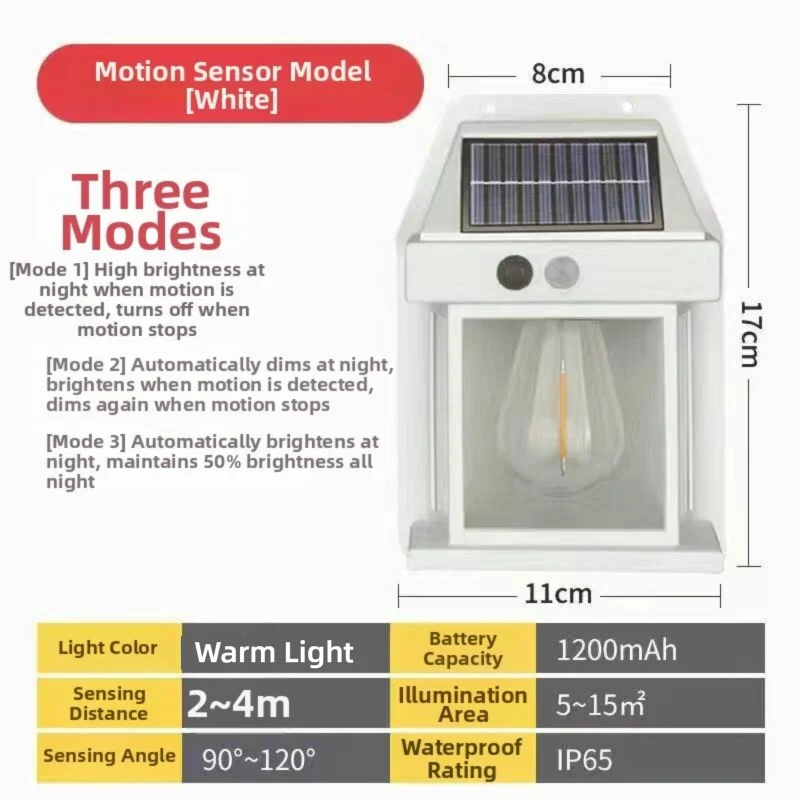
When evaluating outdoor sensor lights, the Ingress Protection (IP) rating is your primary indicator of how well a fixture can withstand environmental elements. The IP rating consists of two digits: the first measures protection against solid objects like dust, while the second measures protection against liquids. For Singapore’s climate, where driving rain and high humidity are constant challenges, an IP65 rating should be your baseline standard. An IP65-rated fixture is completely dust-tight and can resist water projected from a nozzle against the enclosure from any direction without causing damage.
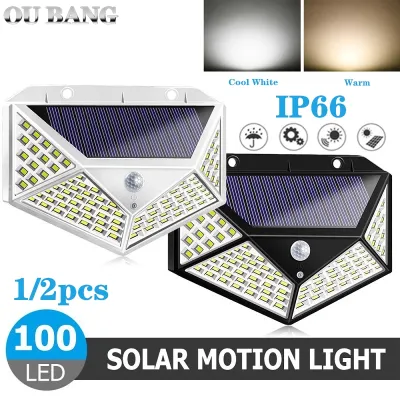
For highly exposed areas that lack architectural cover, such as open garden paths, perimeter fences, or unshielded exterior walls, upgrading to an IP66 or IP67 rating is highly recommended. An IP66 rating ensures the light can withstand powerful water jets, which is crucial during intense tropical thunderstorms. An IP67 rating goes a step further, certifying that the device can survive temporary immersion in water, making it ideal for low-lying areas prone to temporary pooling during heavy downpours.
Products mentioned in this guide
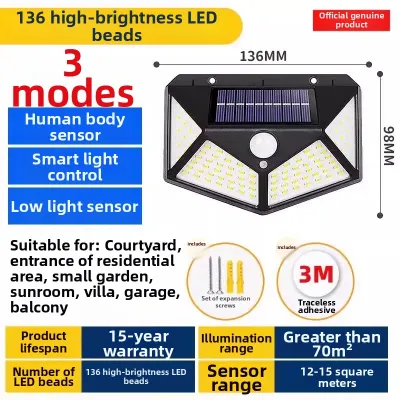
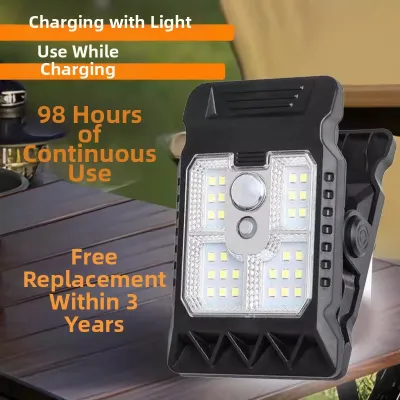
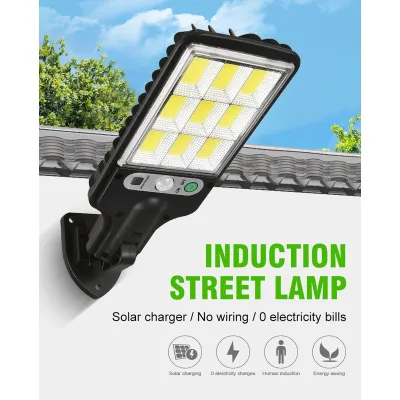
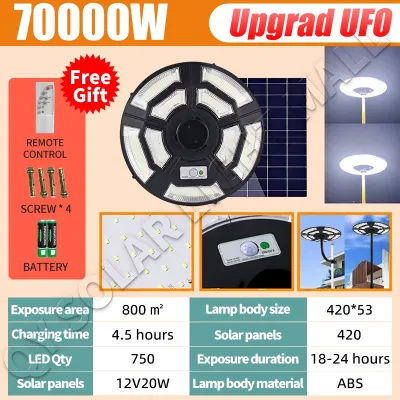
Prices are valid at publication and may change. Please refer to the product page for the latest price.
Beyond water resistance, the materials used in the fixture’s construction dictate its long-term durability under the intense tropical sun. Cheap plastics will quickly degrade, discolor, and become brittle when exposed to constant ultraviolet (UV) radiation, eventually cracking and compromising the watertight seals. Look for housings constructed from UV-stabilized polycarbonate or high-grade, powder-coated aluminum. If you live near coastal areas, marine-grade aluminum or stainless steel is essential to prevent salt-spray corrosion from degrading the metal housing.
Finally, always verify the manufacturer’s specified operating temperature and humidity ranges before making a purchase. While Singapore does not experience freezing temperatures, the ambient temperature on a sunny afternoon can cause outdoor surfaces to heat up significantly, especially when exposed to direct sunlight. Ensure the fixture is rated to operate continuously in high-humidity environments (up to 95% non-condensing) and temperatures reaching at least 45 degrees Celsius to prevent internal electronic components from overheating or failing prematurely.
Matching Smart Protocols With Your Existing Home Ecosystem
Integrating outdoor sensor lights into your smart home ecosystem requires a clear understanding of wireless protocols. Singaporean homes are predominantly constructed with reinforced concrete and brick walls, which act as severe barriers to wireless signals. Standard Wi-Fi models (operating on 2.4 GHz) are popular because they connect directly to your home router without requiring a dedicated hub. However, if your router is positioned deep inside your living room, the signal may struggle to reach outdoor areas like the balcony, patio, or front gate, leading to delayed motion alerts or offline statuses.

To overcome signal attenuation, consider smart protocols like Zigbee or Thread. These protocols operate on a mesh network, where each mains-powered smart device acts as a repeater, passing the signal along to the next device. This setup significantly extends the range and reliability of your outdoor lights, as long as you have other smart devices positioned closer to the exterior walls. Furthermore, Zigbee and Thread devices do not congest your home Wi-Fi network, ensuring that your primary internet bandwidth remains free for personal devices.
When choosing between hub-dependent systems and standalone Wi-Fi models, weigh the trade-offs in complexity and reliability. Hub-dependent systems often offer faster local processing, meaning your motion sensor can trigger the light instantly even if your active internet connection drops. Standalone Wi-Fi models are generally easier to set up initially but rely heavily on cloud servers, which can introduce latency. Before purchasing any fixture from an online marketplace, always verify the official ecosystem compatibility logos—such as Apple Home, Google Home, Samsung SmartThings, or Matter—on the product packaging to ensure seamless integration with your existing voice assistants and automation routines.
Navigating Outdoor Electrical Safety and Installation Requirements
Installing outdoor electrical fixtures requires strict adherence to safety standards to prevent electrical shocks, short circuits, and fire hazards. In Singapore, there is a clear legal and safety boundary between low-voltage, plug-and-play systems and fixed, hardwired installations. Low-voltage solar-powered sensor lights or plug-in fixtures utilizing outdoor-rated sockets can generally be positioned and mounted as a DIY project. However, any installation that involves connecting a fixture directly to your home’s mains wiring must be carried out by a Licensed Electrical Worker (LEW) to comply with local energy authority regulations.
For hardwired setups, the physical installation environment must be carefully prepared. All wire connections must be housed within weatherproof junction boxes rated at least IP66, utilizing proper rubber cable glands to prevent moisture from creeping along the electrical cables into the fixture. The installing professional must also verify that your existing electrical circuit can handle the additional wattage load, especially if you are installing high-power LED floodlights. It is essential to ensure that the outdoor lighting circuit is protected by a highly sensitive Residual Current Circuit Breaker (RCCB) to instantly cut off power in the event of a current leak caused by moisture ingress.
When sourcing outdoor sensor lights, always look for recognized electrical safety marks and certifications. In Singapore, controlled goods must carry the safety mark issued by the local authority, which proves the product has undergone rigorous testing for electrical safety and compliance. Purchasing uncertified fixtures from unauthorized overseas sellers on ecommerce platforms poses significant risks, as these products may not be designed to handle local voltage standards (230V, 50Hz) or the extreme moisture levels characteristic of the local climate.
Building Your Shortlist: A Brand and Model Evaluation Checklist
To avoid purchasing unreliable products that fail after the first heavy downpour, you should establish a structured evaluation checklist before making a final decision. Start by scrutinizing the manufacturer’s warranty terms in detail. A robust warranty for an outdoor smart fixture should ideally cover at least one to two years and explicitly state that coverage remains valid under outdoor exposure conditions. Be cautious of warranties that exclude water damage or those that only cover the LED bulb while excluding the smart sensor components and wireless transmitters.
Next, cross-reference user reviews across multiple independent platforms, focusing specifically on feedback from buyers living in tropical or high-humidity regions. Look for real-world reports regarding long-term weather performance, sensor accuracy, and connectivity stability. Pay close attention to how the motion sensor behaves during heavy rain; low-quality sensors may trigger falsely due to falling raindrops or wind-blown foliage, leading to annoying light flickering and wasted energy. Conversely, high-quality sensors allow you to adjust sensitivity levels and detection zones to filter out environmental noise.
Finally, learn to identify red flags in product descriptions on online marketplaces. Be highly skeptical of listings that claim “waterproof” status without providing an official IP rating, or those that use vague terms like “smart compatible” without specifying the exact protocols or required hubs. Avoid purchasing from unauthorized third-party sellers who cannot provide official local warranty support or clear installation instructions. If a product’s technical specifications sheet lacks details on voltage compatibility, operating temperature limits, or safety certifications, it is best to remove it from your shortlist and select a fully transparent brand.
Frequently Asked Questions (FAQ)
Can I use an indoor smart sensor light outdoors if it is under a covered porch?
No, you should not use indoor-rated smart sensor lights in any outdoor or semi-outdoor space, even if it is fully shielded from direct rain under a covered porch. Singapore’s ambient relative humidity regularly exceeds 80% to 90%, and this airborne moisture can easily penetrate the unsealed housing of an indoor fixture. Over time, condensation will accumulate on the internal circuit boards, leading to corrosion, short circuits, and potential electrical hazards. Always check the manufacturer’s explicit environmental specifications and ensure the product is rated for outdoor use before installation.
Do smart outdoor sensor lights work during a power or internet outage?
The functionality of your smart outdoor sensor light during an outage depends on its design and how it is connected. In the event of a total power outage, all mains-powered lights will cease to function unless they have a dedicated battery backup system. During an internet outage where power remains active, the physical motion sensor on most high-quality fixtures will still trigger the light locally, as this function does not require a cloud connection. However, advanced smart features—such as sending instant mobile alerts, adjusting color temperatures via an app, or triggering broader smart home scenes—will be temporarily unavailable until your local network connection is restored.
How do I clean the sensor lens without damaging the weatherproof seal?
To maintain optimal motion detection accuracy, you should clean the sensor lens and light cover periodically to remove accumulated dust, pollen, and organic buildup. Always use a soft, damp microfiber cloth with a mild, non-abrasive soap solution to gently wipe the exterior surfaces. Avoid using high-pressure water hoses, jet washers, or harsh chemical solvents like alcohol or acetone, as these can degrade the plastic lens, strip away UV-protective coatings, and compromise the rubber gaskets and seals that keep the fixture watertight.

Community discussion
Share your experience or ask a question. Comments are reviewed before publication.