
Choosing the perfect white vase for minimalist home decor requires balancing form, material texture, and spatial proportions. In modern living spaces, such as contemporary apartments and open-plan layouts, a white vase serves as a quiet anchor that enhances natural light and creates a sense of calm. Rather than drawing attention through loud colors or intricate patterns, a minimalist vase relies on its silhouette and the way its surface interacts with light to elevate a room. By focusing on clean geometry, tactile finishes, and appropriate scaling, you can select a piece that complements your interior design without cluttering the visual field.
Identifying Minimalist Vase Shapes and Silhouettes
Minimalist design is rooted in the subtraction of unnecessary elements, leaving behind only what is essential. When selecting a white vase, the silhouette is the most critical visual element. Geometric forms—such as perfect cylinders, spheres, and truncated cones—offer a structured, architectural feel. These shapes work exceptionally well in highly modern or industrial spaces where straight lines and sharp angles dominate.
Alternatively, organic silhouettes introduce a softer, more human element to minimalist interiors. Softly curved teardrop shapes, asymmetrical vessels, and gently undulating forms mimic natural elements like river stones or seed pods. These organic shapes prevent a minimalist room from feeling too sterile or cold, adding warmth while maintaining a clean aesthetic.
Products mentioned in this guide
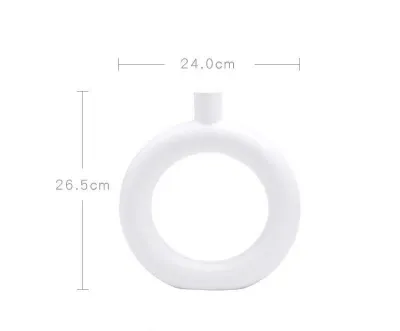
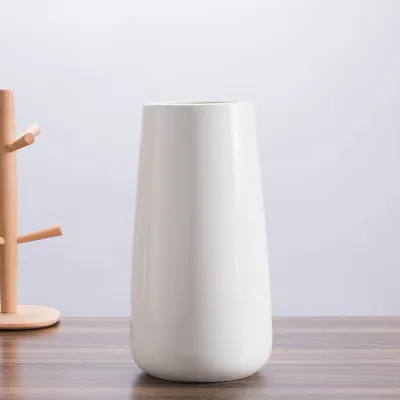
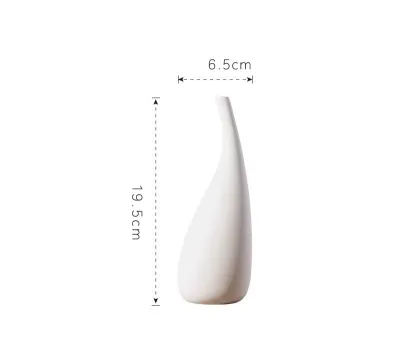
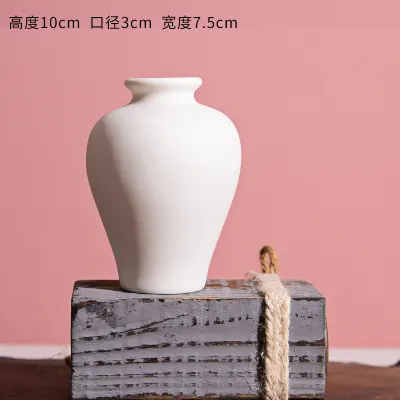
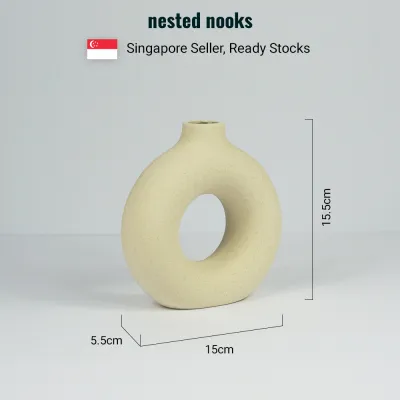
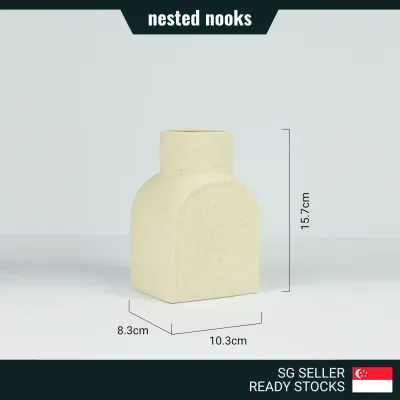
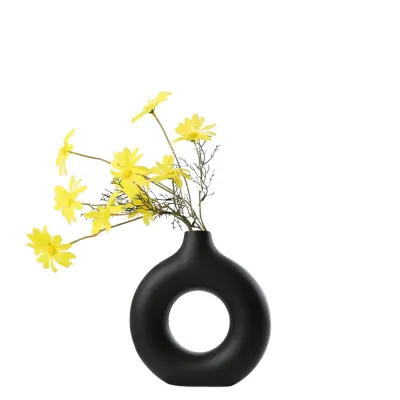
Prices are valid at publication and may change. Please refer to the product page for the latest price.
The concept of negative space is equally vital. A minimalist vase often features open centers, hollowed-out rings, or dramatic narrow necks that frame the empty space around them. This design choice allows the background wall or natural light to pass through the object, making the vase feel lighter and more integrated into the room’s architecture.
Instead of relying on painted patterns, decals, or heavy ornamentation, minimalist vases use subtle structural details to create interest. A slight taper at the rim, a recessed base that makes the vessel appear to float, or a single sharp crease along an otherwise smooth surface can provide enough visual intrigue to satisfy the eye. These quiet details reward close inspection without demanding immediate attention from across the room.
Choosing the Right Material and Finish
The surface finish of a white vase dictates how it interacts with the ambient light in your home. Matte finishes absorb light, creating soft shadows and highlighting the pure form of the vessel. This non-reflective quality is ideal for bright, sunlit rooms, as it prevents harsh glare and maintains a serene, understated presence. Matte ceramic and unglazed stoneware are classic choices for achieving this earthy, tactile look.

Satin and semi-gloss finishes offer a middle ground, reflecting a soft, diffused glow. These surfaces have a subtle sheen that adds depth to the white color, making the vase look luminous without being overly reflective. Satin finishes are highly versatile, fitting seamlessly into both warm Scandinavian and cool contemporary interiors.
Glossy finishes, on the other hand, reflect light sharply, creating bright highlights and mirroring surrounding colors. A high-gloss white porcelain or glazed ceramic vase can brighten up a dark corner or add a touch of polished sophistication to a sleek console table. However, in highly lit areas, glossy surfaces can sometimes produce distracting reflections, so their placement should be considered carefully.
Material choice also influences the weight, durability, and overall feel of the vase. Ceramic and stoneware are heavy and stable, making them excellent for holding larger floral arrangements or branches. Porcelain offers a refined, delicate appearance with a slightly translucent quality when exposed to direct light, though it requires careful handling. Glass vases, whether frosted, opal, or clear white, provide a lightweight visual footprint, while high-quality resin offers modern durability and impact resistance, making it suitable for high-traffic areas or homes with pets and young children.
Before purchasing, always check the manufacturer’s specifications regarding water resistance. Some artisanal ceramics and unglazed clay vessels are porous and may seep moisture over time, potentially damaging wooden tabletops or delicate shelving. Verifying whether a vase is fully glazed on the inside or intended strictly for dry display is a crucial step in protecting your home’s surfaces.
Sizing and Proportions for Your Space
Achieving visual harmony with a white vase depends heavily on its scale relative to the surrounding furniture. A vase that is too small can easily get lost on a large sideboard, appearing like an afterthought, while an oversized vessel can overwhelm a delicate side table. Measure the depth of your table or shelf and the vertical clearance before shopping to ensure the vase has breathing room.
For standalone displays on mantels or entry tables, applying the visual rule of thirds can help create a balanced composition. Ideally, the height of the vase should represent roughly one-third or two-thirds of the total height of the display area, including any artwork or mirrors hanging above it. This ratio creates a natural progression for the eye and prevents the arrangement from looking disjointed.
When styling a space, you must decide between a single, large statement piece or a curated group of smaller vessels. A single oversized white vase—perhaps styled with a single dramatic branch—creates a powerful, gallery-like focal point that epitomizes minimalist luxury. This approach works beautifully on dining tables, kitchen islands, or spacious entryways.
Conversely, grouping smaller vases allows you to play with varying heights, shapes, and textures. When clustering white vases, keep the color palette uniform but vary the silhouettes and heights to create a dynamic composition. A trio consisting of a tall cylinder, a medium sphere, and a small organic pot creates a cohesive yet visually engaging vignette that feels curated rather than cluttered.
How to Evaluate Brands and Retailers
When searching for the perfect minimalist white vase, evaluating the brand’s overall design philosophy is a reliable starting point. Brands that specialize in minimalist decor typically offer curated collections characterized by cohesive shapes and timeless appeal, rather than a chaotic mix of trend-chasing items. Look for design houses and independent studios that emphasize simplicity, form, and material integrity in their brand narratives.
High-quality retailers provide transparent product descriptions that go beyond basic marketing terms. Look for detailed listings that specify the exact materials used, the type of glaze or finish applied, and precise dimensions, including weight. This level of detail indicates a commitment to quality and helps you verify whether the vase will meet your functional and aesthetic requirements before it arrives.
Because vases are inherently fragile, it is essential to review the retailer’s shipping and return policies. Reliable retailers use specialized packaging, such as molded foam or double-walled boxes, to protect ceramic and glass items during transit. Check if the store offers clear guarantees against shipping damage and has a straightforward return process in case the item does not match your expectations or arrives damaged.
Additionally, consider the brand’s manufacturing practices. Studios that highlight small-batch production, hand-thrown ceramics, or sustainable sourcing often produce pieces with unique, subtle variations that add character to a minimalist home. While mass-produced items offer consistency, artisanal pieces bring a sense of craftsmanship and individuality that aligns beautifully with the minimalist appreciation for intentional living.
Caring for and Maintaining White Vases
Keeping a white vase looking pristine requires regular, gentle maintenance. Dust can quickly accumulate on matte or textured surfaces, dulling their appearance. For routine cleaning, use a dry, soft microfiber cloth or a feather duster to remove loose particles. Avoid using rough cloths or abrasive sponges, especially on matte or unglazed finishes, as these can leave permanent scuff marks or wear down the texture.
For deeper cleaning, wash the vase by hand using lukewarm water and a mild, non-abrasive dish soap. Gently wipe the surface with a soft sponge, rinse thoroughly with clean water, and dry immediately with a lint-free towel. Avoid placing delicate ceramic, porcelain, or handmade glass vases in the dishwasher, as the high heat and harsh detergents can cause cracking, cloudiness, or glaze degradation.
Porous materials, such as unglazed stoneware or terracotta, require extra care to prevent staining and discoloration. If you use these vessels to hold fresh flowers, water can seep into the clay, leading to mold growth or unsightly mineral rings on the exterior. To prevent this, use a plastic or glass liner inside the vase to hold the water, or limit the vessel’s use to dried botanicals and faux stems.
If you encounter stubborn stains, deep discoloration, or structural concerns, always refer to the manufacturer’s care instructions before attempting aggressive cleaning methods. Specialized finishes, such as metallic accents, delicate crackle glazes, or painted details, may require specific care products. When in doubt, contacting the brand’s customer support can prevent accidental damage to a cherished decor piece.
Frequently Asked Questions (FAQ)
Can I use a white minimalist vase for fresh flowers?
Yes, provided the interior of the vase is fully glazed and watertight. Always check the product specifications to confirm water resistance before filling a ceramic or stoneware vase. If the vase is unglazed or porous, you can still use it for fresh flowers by placing a slim glass insert or a plastic liner inside to hold the water and protect the outer vessel. To prevent stem rot and keep the water clean, change the water daily and trim the stems regularly.
How do I remove hard water stains from a white ceramic vase?
To remove stubborn mineral deposits and hard water stains, fill the vase with a solution of equal parts warm water and white vinegar. Let it sit for a few hours to dissolve the minerals, then gently wipe the interior with a soft-bristled bottle brush or sponge. Avoid using abrasive scrubbers or harsh chemical cleaners, which can scratch the glaze. Rinse the vase thoroughly with clean water and dry it completely with a soft cloth.
What foliage pairs best with plain white vases?
Minimalist white vases pair exceptionally well with structural, simple foliage that emphasizes form over color. Consider using a single, dramatic branch such as eucalyptus, olive, or magnolia, which adds organic lines without overwhelming the space. Dried botanicals like pampas grass, palm spears, or cotton stems offer a soft, textured look that complements matte finishes. If you prefer fresh flowers, opt for a single large bloom, such as a calla lily or monstera leaf, rather than a dense, multi-colored bouquet.

Community discussion
Share your experience or ask a question. Comments are reviewed before publication.