
Citronella has a distinct, vibrant aroma characterized by a sharp, lemony brightness, crisp grassy undertones, and a clean, herbaceous finish. While many associate this scent solely with outdoor utility, a high-quality citronella candle offers a surprisingly complex olfactory profile that can be elevated into a sophisticated home fragrance. By blending its naturally intense top notes with complementary essential oils, candle makers can transform what is often perceived as a harsh, medicinal odor into a refreshing, well-rounded sensory experience.
Whether you are looking to brighten up a humid tropical evening on a balcony or create a crisp, inviting atmosphere in a semi-enclosed veranda, understanding how citronella behaves in wax is the first step. By learning to identify quality ingredients and complementary fragrance pairings, you can easily select or create candles that smell wonderful while maintaining their classic, refreshing character.
What Citronella Actually Smells Like in Candles
To understand the true aromatic profile of citronella, one must look to its botanical source. Derived from the leaves and stems of different species of Cymbopogon grasses, natural citronella oil is rich in organic compounds like citronellal, geraniol, and citronellol. These natural constituents give the oil its signature citrusy punch, which is immediately recognizable upon lighting a candle. Beneath that initial burst of lemon, however, lies a deeply green, grassy heart that evokes the scent of freshly cut stalks after a tropical rain.
Products mentioned in this guide
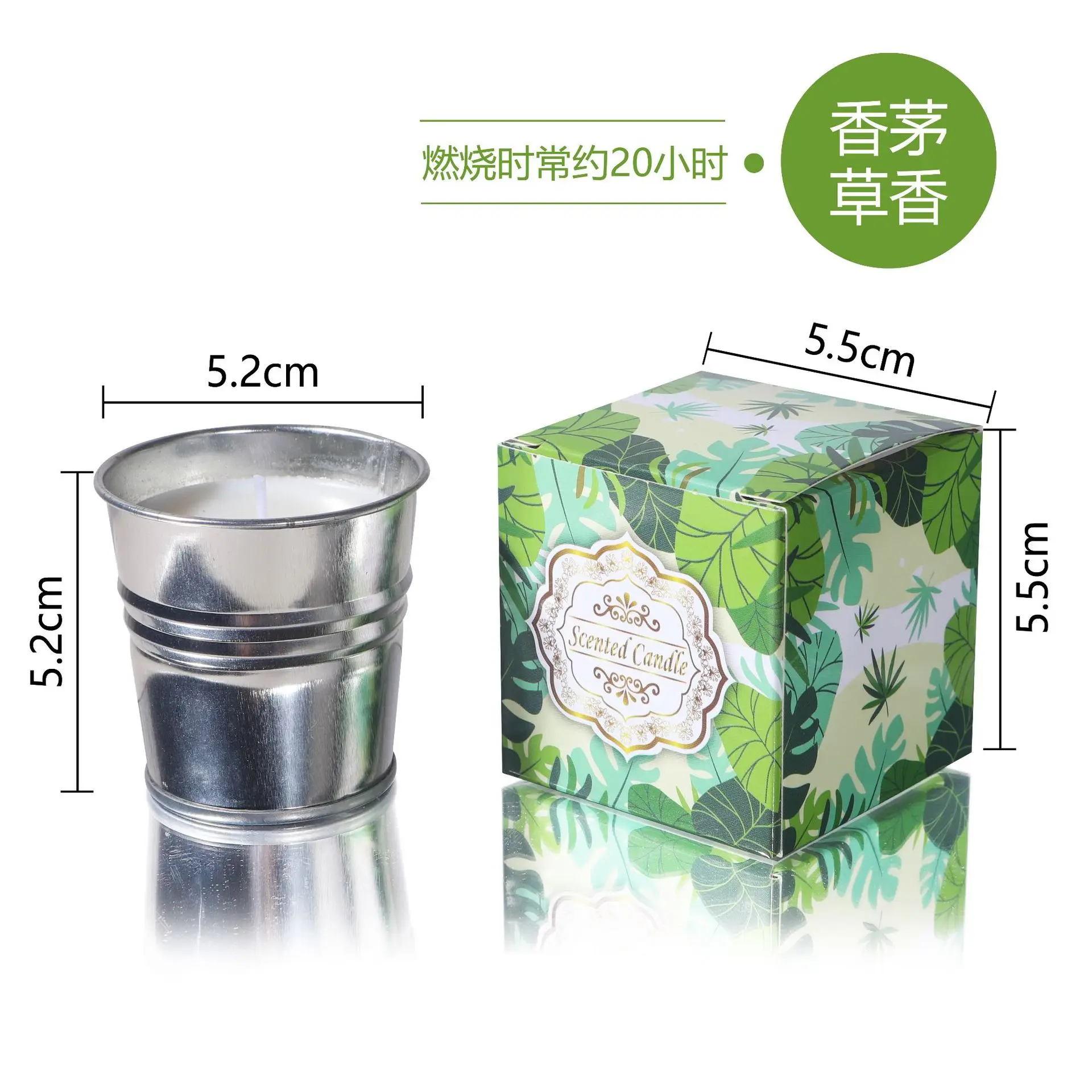
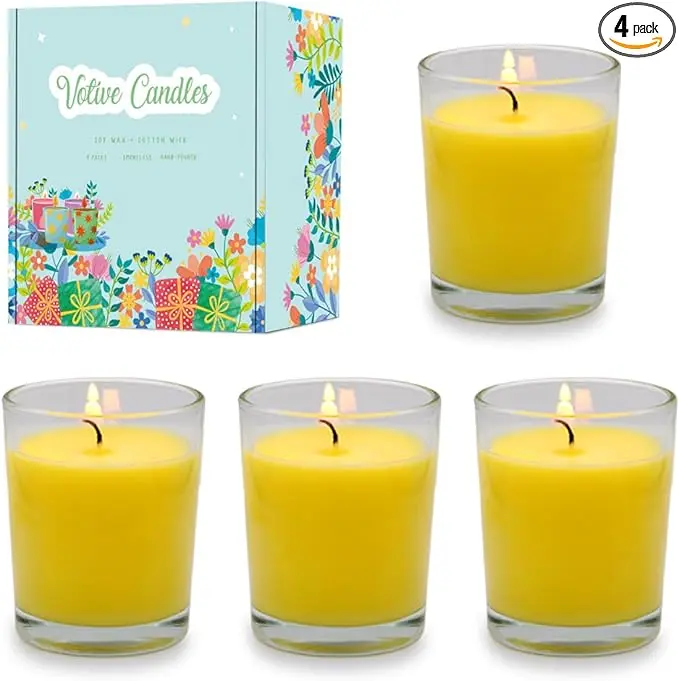
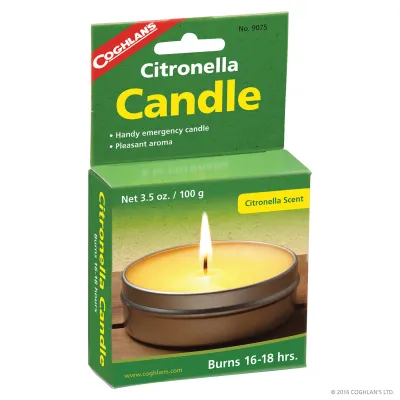
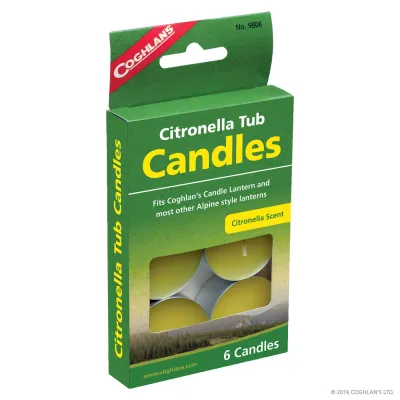
Prices are valid at publication and may change. Please refer to the product page for the latest price.
In high-quality, plant-derived extracts, you will also notice subtle earthy and woody undertones. These grounding elements prevent the fragrance from feeling entirely one-dimensional, adding a rustic warmth that lingers in the air. There is a stark contrast between these pure, botanical extracts and their synthetic counterparts. Pure essential oils offer a bright, multi-layered, and slightly sweet aroma that evolves as the candle burns. In contrast, synthetic alternatives often smell flat, overly sweet, or chemically uniform, lacking the natural complexity and airy freshness of the real plant.
Why Some Citronella Candles Smell Harsh or Medicinal
The common complaint that citronella candles smell like harsh, industrial bug sprays usually stems from formulation choices rather than the plant itself. When a candle contains an excessively high concentration of unblended citronella oil, the sharp, camphoraceous top notes completely dominate the scent profile. Without other fragrance families to soften these edges, the aroma quickly becomes overwhelming, irritating the senses and creating a medicinal, chemical-heavy atmosphere.

The quality of the fragrance source plays a critical role in this olfactory outcome. Cheap, synthetic fragrance oils are often formulated with harsh chemical solvents that mimic the primary scent of citronella but lack the natural, balancing trace elements found in pure essential oils. When burned, these synthetic compounds can break down into acrid, unpleasant fumes.
Furthermore, the physical construction of the candle affects how the scent is dispersed. Low-quality wax blends, such as cheap paraffin, burn at high temperatures and can produce soot that alters the candle’s hot throw—the scent emitted while burning. When combined with an improper wick that burns too hot or unevenly, the wax can scorch, mixing a burnt, chemical odor with the already sharp citronella to create an unpleasant sensory experience.
Best Scent Notes to Pair with Citronella for a Pleasant Aroma
Creating a pleasant, sophisticated fragrance with citronella requires a thoughtful approach to scent layering. By treating citronella as a vibrant, dominant top note, you can introduce complementary fragrance families to balance its sharp, grassy edges. Grounding base notes and sweet, soothing middle notes work together to round out the overall profile, turning a simple utility candle into an inviting aromatherapy experience.
Citrus and Fruity Blends
Pairing citronella with other citrus and fruity notes is an excellent way to amplify its fresh, uplifting qualities. Ingredients like sweet orange, grapefruit, bergamot, and lemongrass share similar terpene profiles with citronella, allowing them to blend seamlessly while adding a layer of juicy sweetness or sophisticated bitterness.
However, care must be taken when formulating these high-acid citrus blends. If you combine citronella with sharp, sour citrus notes without any sweet or soft undertones, the resulting fragrance can easily mimic the scent of household cleaning products. To prevent this, look for candles that balance the blend with sweet orange or mandarin, which introduce a warm, sugary softness that tames the sharp, acidic edges of the citronella.
Woody and Earthy Base Notes
To transform citronella from a fleeting, sharp aroma into a warm, sophisticated fragrance, perfumers often turn to woody and earthy base notes. Elements such as cedarwood, sandalwood, patchouli, and vetiver provide a solid, grounding foundation that anchors the volatile top notes of citronella. These rich, deep scents have a slower evaporation rate, meaning they linger in the air long after the initial citrus burst has softened.
Earthy base notes work by absorbing and diffusing the harshness of the grassy, camphoraceous elements. Cedarwood introduces a dry, clean woodiness, while sandalwood adds a creamy, smooth warmth. This combination makes the candle highly suitable for cozy evening settings on a veranda or balcony, where the deep, woody undertones create a relaxing, grounded ambiance that feels both natural and refined.
Floral and Herbal Botanicals
Another highly effective way to soften citronella is by introducing floral and herbal botanicals, creating a balanced, garden-inspired fragrance. Adding notes like lavender, geranium, eucalyptus, or peppermint can instantly shift the atmosphere of a space, evoking a relaxing, spa-like environment. Lavender, with its sweet, herbaceous, and slightly floral profile, is particularly adept at smoothing out the sharpest peaks of citronella.
When blending these elements, proportion is key. Floral notes must be carefully balanced so they complement rather than clash with the dominant herbaceous profile of the citronella. Geranium, for instance, offers a rosy yet slightly green aroma that bridges the gap between floral sweetness and leafy freshness. Eucalyptus and peppermint add a cool, crisp airiness that lifts the entire blend, making it feel incredibly clean and refreshing without relying on heavy, sweet perfumes.
How to Choose a Citronella Candle That Smells Great
Selecting a citronella candle that delivers both a pleasant aroma and reliable performance requires a quick check of the product’s specifications and ingredients. Start by examining the label for the fragrance source. High-quality candles will explicitly list natural essential oils or premium, phthalate-free fragrance blends rather than generic perfume or fragrance oils. This ensures a more complex, natural scent profile that avoids the harsh, chemical undertones of low-grade synthetics.
Next, evaluate the wax type used in the candle. Natural waxes like soy, coconut, or beeswax are preferred over paraffin. These plant-based waxes burn cleaner, produce significantly less soot, and have a lower melting point, which allows for a more gradual and even release of the fragrance oils. A clean-burning wax ensures that the delicate botanical notes in a blended citronella candle are not overpowered by a smoky, burnt smell.
You should also consider the physical environment where you plan to burn the candle. For open-air spaces like a spacious balcony or an outdoor patio, a candle with a robust, woody-citrus blend and a wider diameter (or multiple wicks) is ideal to ensure the scent throw can withstand gentle breezes. For semi-enclosed spaces, a more delicate, floral-infused citronella blend in a single-wick jar will provide a gentle, refreshing aroma without overwhelming the room.
Finally, always prioritize safety and proper candle care. Ensure the candle container is made of heat-resistant material like thick glass, ceramic, or metal. Before lighting, trim the wick to about 5 millimeters to prevent a high, flickering flame that can cause soot and uneven burning. Place the candle on a stable, heat-resistant surface away from flammable materials, active drafts, and out of reach of children or pets. Never leave an open flame unattended, and ensure the space has adequate ventilation to allow the beautiful fragrance notes to circulate safely.
Frequently Asked Questions (FAQ)
Does a citronella candle smell exactly like lemongrass?
While citronella and lemongrass belong to the same botanical family and share a distinct citrus character, they do not smell exactly alike. Lemongrass has a sweeter, milder, and more culinary profile with a soft, herbal finish. Citronella, on the other hand, possesses a much sharper, more intense aroma with a noticeable camphoraceous or medicinal edge. This makes citronella smell more robust and rustic, whereas lemongrass leans toward a clean, zesty sweetness.
Can I mix a citronella candle with other scented candles in the same room?
Yes, you can burn a citronella candle alongside other scented candles to create a custom fragrance layer, provided you choose complementary scent families. To avoid an overwhelming or clashing aroma, pair a simple citronella candle with a single-note candle, such as warm vanilla, cedarwood, or lavender. Space the candles at least one to two meters apart to allow their scent pools to mingle gently in the air rather than competing directly, and keep wicks trimmed to ensure a clean, soot-free burn.
Will a pleasantly scented citronella candle still work outdoors?
A pleasantly blended citronella candle will still perform beautifully outdoors, as the addition of complementary fragrance notes does not diminish the presence of the active citronella oil. However, its overall effectiveness in an outdoor setting depends heavily on physical factors rather than the scent profile itself. Wind speed, air circulation, candle placement, and the concentration of the oil all play critical roles. For the best results in open areas, place multiple candles around your seating perimeter to create a continuous aromatic barrier.

Community discussion
Share your experience or ask a question. Comments are reviewed before publication.