
With numerous automatic air freshener and diffuser options available in Singapore, finding the right device for your home requires looking beyond aesthetics. The ideal choice depends on your specific spatial needs, such as whether you require long-lasting continuous mist from a large water tank, precise interval scheduling to prevent scent fatigue, or a waterless nebulizing system for pure aromatherapy. By understanding how different features interact with your living environment, you can select a model that delivers consistent fragrance without wasting essential oils or creating unnecessary maintenance.
When shopping for an automatic air freshener or diffuser, the primary features to compare are timer settings, mist modes, and tank capacity. These specifications directly dictate how often you will need to refill the device, how strongly the scent will disperse, and how well the unit integrates into your daily routine. This guide breaks down these core features to help you make an informed decision for your home.
How Core Technologies Define Mist and Capacity
Before comparing specific brands, it is essential to understand the underlying technology of the device, as this dictates the mist output, tank requirements, and maintenance routines. The three primary categories of automatic scent devices are ultrasonic diffusers, nebulizing diffusers, and heat or evaporative automatic air fresheners. Each technology handles fragrance dispersion differently, which directly impacts the physical size and design of the unit.
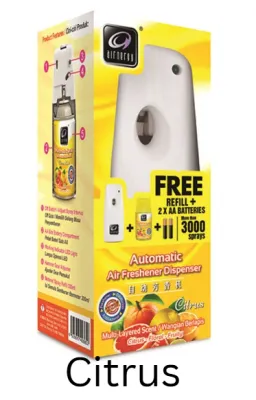
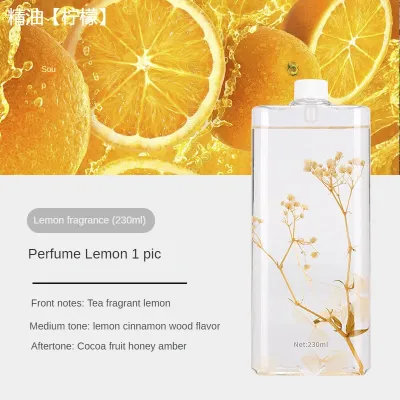
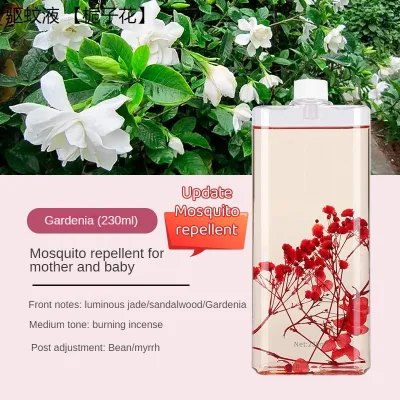
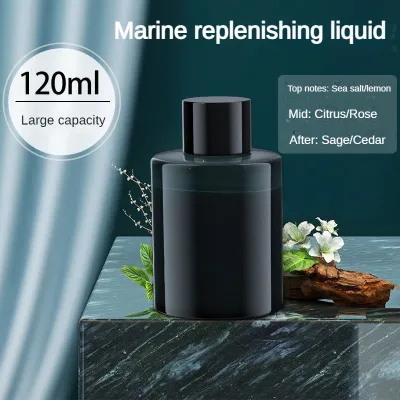
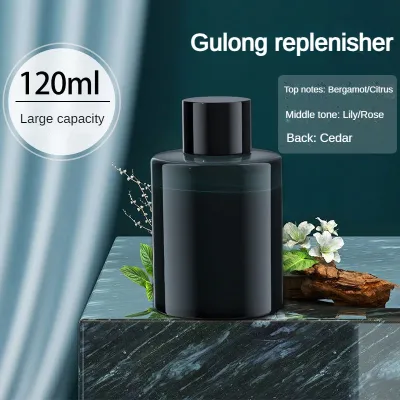
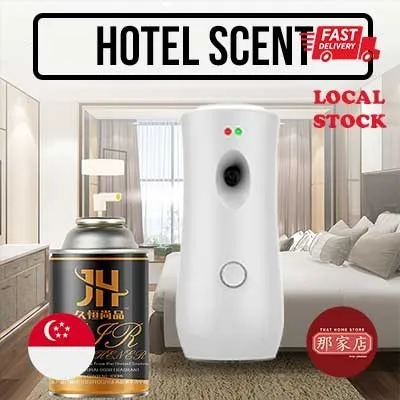
Products mentioned in this guide

![Glade Automatic Spray Machine | Spray Refill Compatible Options [1Spray Refill225ml+2 AA BATTERY+1 Automatic Spray]](https://img.lazcdn.com/g/p/b17090fcc92a621509633798f0ffd257.jpg_400x400q80.jpg_.webp)
Prices are valid at publication and may change. Please refer to the product page for the latest price.
Ultrasonic diffusers are among the most common models found on online marketplaces. These devices use a small ceramic disc that vibrates at an ultrasonic frequency to break down a mixture of water and essential oils into a fine, visible, cool mist. Because they rely on water as a carrier, ultrasonic models require larger water tanks, ranging from 100ml to over 500ml. They also require regular cleaning to prevent mineral buildup from the water, which can otherwise clog the vibrating mechanism over time.
Nebulizing diffusers, on the other hand, operate without water. They use a high-pressure air stream to atomize pure essential oils directly into a microscopic vapor. This process produces a much stronger, more concentrated scent compared to ultrasonic models. Because they do not require water, nebulizing units have much smaller reservoirs, often designed to hold standard 10ml or 15ml essential oil bottles directly. However, because they disperse pure oil, they consume essential oils at a faster rate, which is an important consideration for your ongoing operating costs.
Heat or evaporative automatic air fresheners represent a simpler, low-maintenance alternative. These devices typically use a small fan or gentle heating element to disperse fragrance from a saturated scent pad or gel cartridge. While they offer subtle, localized fragrance with minimal maintenance, they generally lack adjustable mist modes and cannot match the scent intensity or therapeutic benefits of ultrasonic or nebulizing diffusers. They are best suited for small, enclosed spaces where a gentle, continuous scent is preferred over a dramatic mist effect.
Evaluating Timer Settings and Interval Controls
Timer settings and interval controls are critical features that determine how hands-free your automatic air freshener experience will be. Without proper scheduling, a diffuser can run continuously, leading to scent fatigue—a condition where your nose becomes accustomed to a fragrance and can no longer detect it—while unnecessarily wasting expensive essential oils. Comparing the control mechanisms of different models will help you find a device that aligns with your daily schedule.

Basic models typically offer simple on/off timers, allowing you to set the device to run for a fixed duration, such as one, three, or six hours, before automatically shutting off. While functional, these basic timers require manual activation every time you want to use the device. If you prefer a set-and-forget approach, look for models with advanced interval settings that cycle the mist on and off (for example, spraying for 30 seconds and pausing for 30 seconds). This intermittent operation extends the life of your oils and keeps the fragrance noticeable throughout the day.
For maximum customization, smart or app-controlled diffusers connect to your home Wi-Fi or Bluetooth network, allowing you to program precise daily schedules via a smartphone app. You can set the device to turn on just before you arrive home from work and shut off automatically at bedtime. Some high-end automatic air freshener models also feature automated physical triggers, such as built-in light sensors that activate the device only when a room is illuminated, or motion sensors that trigger a brief spray when someone enters a hallway or bathroom. These sensor-driven models are highly efficient for transient spaces where continuous scenting is unnecessary.
Matching Mist Modes to Room Size and Sensitivity
The effectiveness of any automatic air freshener depends heavily on how well its mist modes match the physical dimensions and environmental conditions of your room. Most devices offer adjustable mist output settings, typically categorized as high and low modes. Adjusting the mist volume allows you to control the intensity of the fragrance, but it also affects the operational noise of the device. Ultrasonic and nebulizing models rely on mechanical parts that generate a soft hum or buzzing sound; operating the device on its highest setting in a quiet bedroom may disrupt sleep, making low-mist modes or whisper-quiet specifications crucial for sleeping areas.
When reviewing manufacturer specifications, you will often see a recommended coverage area, usually measured in square meters. However, it is important to treat these numbers as estimates rather than absolute facts, as real-world conditions in Singapore homes can significantly alter scent distribution. High ceilings, open-plan layouts, and active mechanical ventilation—such as ceiling fans or air conditioning units—will disperse the mist more rapidly, requiring a higher output setting or a more powerful device to achieve the desired scent level.
The physical design of the mist nozzle also plays a role in how fragrance is distributed. Some diffusers feature directional nozzles that allow you to point the mist toward a specific seating area or away from sensitive electronics and wooden furniture. Other models utilize an omnidirectional design, dispersing the mist upward and outward in a 360-degree pattern. Omnidirectional dispersion is generally preferred for open-plan living rooms, as it encourages the scent to mix naturally with the ambient air currents, whereas directional nozzles are ideal for targeted scenting on desks or bedside tables.
Balancing Tank Capacity with Refill Frequency
Tank capacity is a major convenience factor that determines how often you must interact with your automatic air freshener. For ultrasonic models, standard water tank sizes range from compact 100ml bedside units to large 500ml or 1-liter living room models. To evaluate how long a device will run before requiring a refill, you must look at the consumption rate of your selected mist mode. For example, a typical 300ml diffuser consuming water at a rate of 30ml per hour on high mode will run for approximately ten hours, whereas switching to an intermittent low mode can easily double that operational time.
For waterless nebulizing diffusers, the capacity is measured by the size of the essential oil bottle it can accommodate. While a 10ml bottle may seem small, a nebulizer operating on a highly conservative interval setting (such as spraying for 5 seconds every 10 minutes) can last for several weeks before requiring a replacement. When evaluating these models, it is important to calculate the S$ cost-per-use, as nebulizers consume pure, undiluted essential oils. If you plan to run the device continuously on a high setting, the cost of replacing oil bottles will be significantly higher than running an ultrasonic model that dilutes a few drops of oil in a large volume of water.
Beyond the numbers, the physical design of the tank affects daily usability. Top-fill ultrasonic diffusers allow you to pour water directly into the reservoir by simply lifting off the outer decorative cover, minimizing the risk of spills. In contrast, bottom-fill models require you to remove the entire tank, flip it upside down, unscrew a cap, fill it at a sink, and carry it back to the base. This process increases the likelihood of water dripping onto your furniture or electrical connections. When comparing models, prioritize top-fill designs with clear maximum-fill lines to ensure safe and hassle-free operation.
Decision Framework: Which Feature Set Fits Your Space?
To choose the right automatic air freshener or diffuser for your home, you must weigh your spatial layout, maintenance preferences, and environmental conditions. If you are looking to scent a large, air-conditioned living room, a large-capacity ultrasonic model (300ml to 500ml) is often the most practical choice. The continuous, mild mist helps counteract the drying effects of air conditioning, while the large water reservoir ensures the device can run through the evening without requiring a refill.
Conversely, if you want to enjoy strong, pure aromatherapy without adding extra humidity to Singapore’s naturally humid climate, a waterless nebulizing model is highly recommended. Nebulizers are particularly well-suited for study rooms, home offices, or master bedrooms where you want immediate, high-intensity fragrance without the risk of moisture settling on nearby books, papers, or wooden surfaces. For those who value convenience and integration, a smart, app-controlled model with precise interval scheduling offers the ultimate hands-free experience, allowing you to customize scent delivery to match your exact daily routine.
Before finalizing your purchase from any online marketplace or local retailer, always verify the electrical specifications and safety certifications of the device. Ensure the product label or manufacturer website confirms compatibility with Singapore’s standard voltage (220V-240V) and comes with a compatible plug type (typically a three-pin Type G plug). Look for recognized safety marks or certifications on the device to ensure it has undergone proper electrical testing, especially if you plan to leave the automatic air freshener running unattended or overnight.
Frequently Asked Questions (FAQ)
Can I use tap water in an automatic ultrasonic diffuser?
Whether you can use tap water depends entirely on the manufacturer’s instructions for your specific device. While many modern ultrasonic diffusers are designed to work with clean tap water, Singapore’s tap water contains trace minerals that can gradually accumulate on the ultrasonic ceramic disc. Over time, this mineral buildup can reduce mist output or cause the device to fail. If you notice a white, powdery dust settling around your diffuser or visible calcification inside the tank, switching to distilled or filtered water can help extend the lifespan of your device.
How often should I clean the tank and misting nozzle?
To maintain hygienic operation and consistent mist output, you should perform a visual inspection of your diffuser’s tank every few days. If you use the device daily, a thorough cleaning once a week is highly recommended to prevent the growth of mold, bacteria, or a slippery slime layer in standing water. Always unplug the device and isolate the power before cleaning. Use a soft cloth and a mild, non-corrosive cleaning agent, such as a diluted white vinegar solution, as recommended by most manufacturers. Avoid harsh chemical cleaners or abrasive pads, which can permanently damage the delicate ultrasonic disc or clog the misting nozzle.

Community discussion
Share your experience or ask a question. Comments are reviewed before publication.