
Selecting the right bathroom diffuser requires balancing effective scent dispersion with the unique challenges of a high-humidity environment. In a damp bathroom, waterless options like nebulizing diffusers or low-risk passive options like synthetic reed diffusers generally perform more reliably than traditional water-based ultrasonic models. Because the air in a bathroom is frequently saturated with moisture from hot showers, adding more water vapor can hinder scent performance and encourage mold growth. Understanding how different diffuser technologies interact with moisture is key to keeping your space smelling fresh while maintaining electrical safety.
How High Humidity Affects Diffuser Performance
High relative humidity significantly alters how scent molecules and moisture travel through the air. When a bathroom is filled with steam, the ambient air reaches or nears its maximum moisture-carrying capacity. This saturation directly slows down the evaporation rate of any water-based or passive liquid mixtures, as the air cannot easily absorb additional water vapor.
Furthermore, high humidity increases the risk of condensation on cooler surfaces, including walls, mirrors, and the delicate electrical components of the diffuser itself. When warm, moist air cools, it deposits water droplets that can cause electrical short circuits or lead to corrosion over time.
Products mentioned in this guide

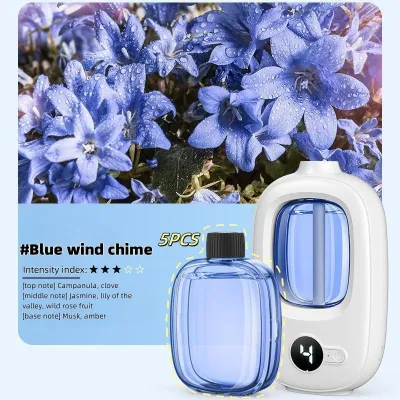
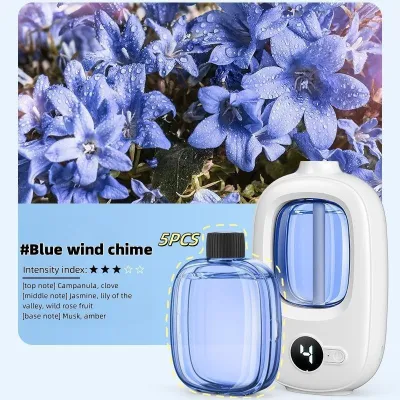
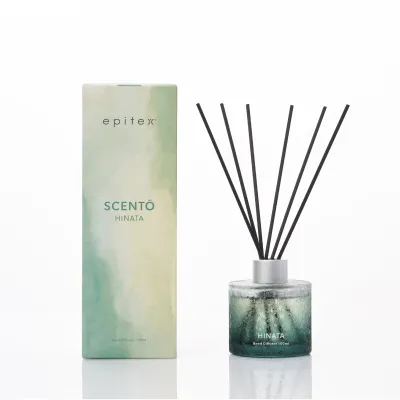
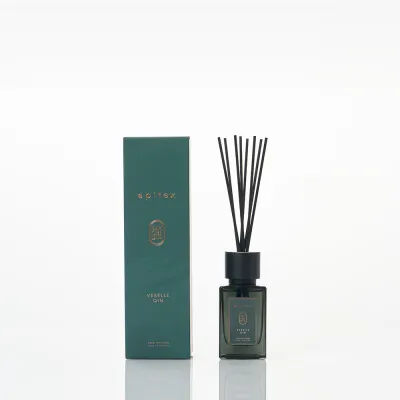
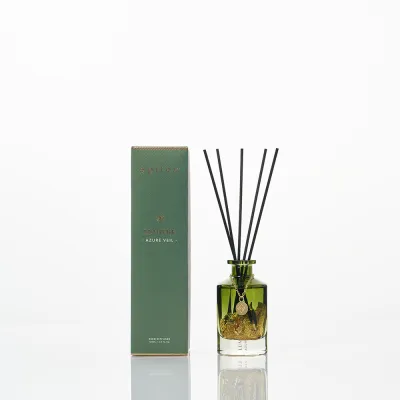
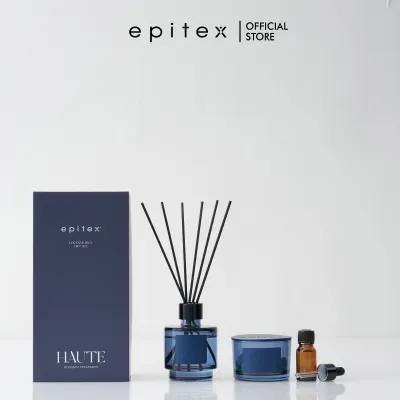
Prices are valid at publication and may change. Please refer to the product page for the latest price.
There is also a fundamental functional difference between adding moisture to the air and dispersing pure oil. In an already damp environment, an ultrasonic diffuser that adds more water vapor can exacerbate dampness, leading to peeling wallpaper or mold. Conversely, dispersing pure oil particles does not add moisture, but in a saturated room, these oil particles can bind with airborne water droplets and settle quickly onto surfaces, leaving a thin, slippery residue rather than remaining suspended to provide a lasting aroma.
Comparing Diffuser Technologies for Bathrooms
To evaluate which diffuser technology is most suitable for a wet environment, we must look at several core performance metrics. These include moisture output, scent throw in damp air, electrical safety risks, and ongoing maintenance needs.

The performance of any device in these categories depends heavily on the specific model’s moisture resistance and the bathroom’s overall ventilation capacity. A bathroom with a powerful exhaust fan or a large window will handle a wider variety of diffusers than a small, unventilated powder room.
Ultrasonic Diffusers
Ultrasonic diffusers use a small ceramic disc vibrating at ultrasonic frequencies to break down a mixture of water and essential oil into a fine, cool mist. While highly popular for bedrooms, they present distinct trade-offs in a bathroom.
Introducing additional moisture into an already damp space during or immediately after a shower can lead to oversaturation. This causes the mist to fall rapidly and pool on countertops rather than dispersing throughout the room.
Additionally, the standing water inside an ultrasonic tank is highly susceptible to mineral buildup and internal mold growth, especially in a warm, damp bathroom environment. If you choose this type, it is essential to verify the manufacturer’s instructions regarding moisture ingress protection before placing the device anywhere near a sink, bathtub, or shower splash zone.
Nebulizing Diffusers
Nebulizing diffusers operate without water, using pressurized air and a specialized nozzle to atomize pure essential oil into a dry, microscopic mist. Because they do not rely on water evaporation, they preserve the existing humidity balance of your bathroom.
This technology offers a strong scent throw even in damp air, making it highly effective for masking odors quickly. However, this high concentration of pure oil particles comes with its own considerations.
In a damp, poorly ventilated bathroom, the atomized oil can cling to moisture on mirrors, glass shower screens, and tiled walls, creating a sticky film that requires frequent cleaning. To prevent an overwhelming scent concentration in small, enclosed spaces, nebulizers should only be operated in bathrooms with active ventilation and should be run on short, timed cycles.
Reed and Evaporative Diffusers
Passive evaporative options, such as reed diffusers, rely on capillary action to draw scented liquid up through porous channels to evaporate naturally into the air. In a highly humid bathroom, this natural evaporation process slows down significantly because the surrounding air is already saturated with water vapor, resulting in a very weak scent throw.
Additionally, natural rattan reeds are highly porous organic materials that can absorb ambient moisture, making them a prime breeding ground for mold and mildew in a constantly damp environment.
Despite these limitations, reed diffusers remain a popular, zero-risk, non-electrical option. To maximize their effectiveness in a bathroom, consider using synthetic fiber reeds, which resist mold better than natural rattan, and plan to replace them more frequently to maintain a consistent aroma.
Heat Diffusers
Heat diffusers use a gentle thermal source, such as an electrical heating element or a small candle, to warm essential oils and accelerate their evaporation. This thermal assistance allows them to disperse scent effectively even when the surrounding air is heavily saturated with moisture.
However, combining heat sources with a wet bathroom environment introduces notable safety concerns. Using open-flame candle warmers near flammable materials like towels, toilet paper, or hairsprays is highly hazardous, especially in tight spaces.
Electrical heat diffusers eliminate the open flame but still require strict physical distance from water splashes. Additionally, prolonged exposure to heat can alter the chemical profile of certain delicate essential oils, potentially changing their aroma or reducing their therapeutic qualities.
Electrical Safety and Placement in Wet Areas
Operating any electrical appliance in a bathroom demands strict adherence to safety protocols. Before purchasing or installing an electrical diffuser, verify the manufacturer’s Ingress Protection (IP) rating. Many standard home diffusers carry no IP rating, meaning they offer no protection against water splashes or high humidity and are unsafe for bathroom use.
Always position electrical diffusers in designated dry zones, far away from direct water sources such as showers, bathtubs, and sink splash zones. Placing the device on a high, dry shelf or a secure wall mount is often the safest approach.
To mitigate the risk of electrical shock, plug the device exclusively into a Ground Fault Circuit Interrupter (GFCI) outlet, which is designed to cut power instantly if a current leak is detected. In modern residential electrical systems, this is often integrated as a residual current device (RCD). Keep all power cords neatly routed, dry, and off the floor. If your bathroom lacks proper safety outlets or if you cannot find a documented moisture-resistance rating for your device, stop immediately and consult a qualified electrician, or opt for a non-electrical passive diffuser instead.
Maintenance and Mold Prevention in Humid Conditions
The warm, damp microclimate of a bathroom accelerates the growth of mold, mildew, and bacteria. For water-based ultrasonic diffusers, establish a strict routine of emptying, rinsing, and thoroughly drying the water tank after every single use. Allowing water to sit in the reservoir for even a day can lead to bacterial colonization, which is then misted directly into your breathing zone during the next use.
When cleaning, consult the manufacturer’s manual to identify safe cleaning agents; while diluted white vinegar or isopropyl alcohol are common choices, some materials can degrade plastic components or rubber seals if used incorrectly.
Regularly perform a visual inspection of your diffuser, checking for dark spots or mold on reeds, wicks, ultrasonic plates, and exterior casings. If you suspect mold on any porous component, such as a reed or a wick, discard and replace it immediately rather than attempting to clean it.
Decision Framework: Which Type Fits Your Bathroom?
Choosing the right bathroom diffuser depends on your specific space, ventilation, and safety priorities.
Choose an ultrasonic diffuser if your bathroom is exceptionally large, features robust mechanical ventilation, and you prefer a subtle scent accompanied by a gentle mist.
Choose a nebulizing diffuser if your primary goal is a strong, immediate scent throw without adding any extra moisture to the air, provided your bathroom has active ventilation to prevent oil buildup on surfaces.
Choose a reed or evaporative diffuser if electrical safety is your primary concern, you want a completely silent, zero-power option, and you are satisfied with a very subtle, localized scent.
Choose a heat diffuser if you want a quiet, waterless option that performs well in high humidity, and you can guarantee a dry, safe placement zone far from water splashes and flammable materials.
Before making any purchase, whether spending S$20 on a simple passive set or over S$100 on an advanced nebulizer, always verify that the electrical model has a documented moisture-resistance rating suitable for wet environments.
Frequently Asked Questions (FAQ)
Can I use a standard bedroom diffuser in the bathroom?
Using a standard bedroom diffuser in a bathroom carries significant electrical and operational risks. Most standard diffusers are designed for dry living spaces and lack protection against moisture ingress. Exposing them to high humidity and water splashes can cause internal condensation, leading to short circuits, corrosion of electrical contacts, or electrical shock. Always check the user manual for specific environmental restrictions before relocating any device to a bathroom.
Do essential oils help prevent bathroom mold?
While certain essential oils, such as tea tree, eucalyptus, and thyme, exhibit antimicrobial and antifungal properties in controlled laboratory environments, diffusing them into the air is not an effective method for preventing or killing structural mold in a bathroom. The concentration of oil in the air is far too low to impact mold spores on surfaces. Proper ventilation, active exhaust fans, and regular physical cleaning with appropriate household disinfectants remain the only reliable methods for mold control.
How often should I clean a diffuser used in a humid bathroom?
In a humid bathroom, cleaning frequency must be higher than in dry rooms. For water-based ultrasonic diffusers, empty and air-dry the tank after every use. For waterless nebulizers or electrical heat diffusers, perform a deep clean according to the manufacturer’s schedule—typically every one to two weeks. If you notice any visible residue, clogging, or unusual odors, adjust your cleaning frequency upward immediately to prevent bacterial growth.

Community discussion
Share your experience or ask a question. Comments are reviewed before publication.